
Can Exercise Really Help Osteoarthritis? What a New Review Reveals About Moving With Joint Pain
Exercising With Osteoarthritis: What a New Review Really Says
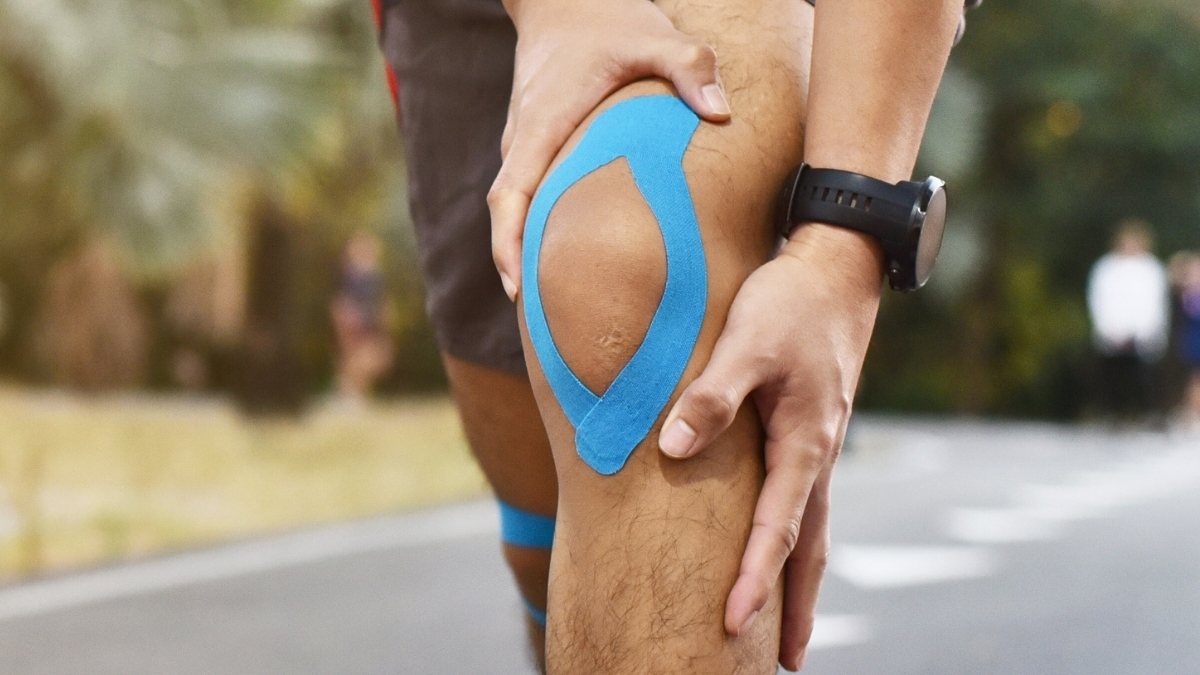
If you live with osteoarthritis, you’ve probably wondered, “How am I supposed to exercise when just getting up hurts?” You’re not alone. Many people fear that moving more will “wear out” their joints faster.
A new systematic review highlighted by ScienceAlert has taken a deep dive into this question. The findings may feel counter‑intuitive: for most people with osteoarthritis, the right kind of exercise can reduce pain, improve function, and may even protect your joints over time.
That doesn’t mean “no pain, no gain,” and it certainly doesn’t mean everyone should start running tomorrow. It means that carefully dosed, low‑impact movement is now considered a core treatment for osteoarthritis in major clinical guidelines.
“Exercise is as important as medication in the management of knee and hip osteoarthritis, and in many cases, more effective for improving function.”
— Adapted from recommendations by the Osteoarthritis Research Society International (OARSI)
Below, we’ll unpack what the new review suggests, which types of exercise are actually helpful, how to get started safely, and how to work around common obstacles like pain flares and fear of injury.
Understanding Osteoarthritis: More Than “Wear and Tear”
Osteoarthritis (OA) is a degenerative joint disease where cartilage gradually breaks down, surrounding tissues become irritated, and the whole joint can become painful and stiff. It most often affects the:
- Knees
- Hips
- Hands and fingers
- Spine (neck and lower back)
Common symptoms include:
- Pain that worsens with prolonged activity or later in the day
- Morning stiffness that eases after you start moving
- Swelling and a feeling of warmth around the joint
- Grinding, clicking, or a sense of instability
What the New Review on Exercise and Osteoarthritis Found
The review discussed by ScienceAlert pulled together results from multiple randomized controlled trials looking at exercise for knee, hip, and hand osteoarthritis. While individual details vary, the big picture was surprisingly consistent.

Across studies, people who participated in structured exercise programs often experienced:
- Less pain: on average, a modest but meaningful reduction compared with usual care.
- Better function: walking farther, climbing stairs more easily, or doing daily tasks with less difficulty.
- Improved quality of life: more confidence in movement and better mood.
Importantly, the review found that exercise was safe for most participants. Serious adverse events were rare and not higher than in non‑exercise control groups. Some people did have temporary pain increases—especially at the start—but this usually settled as their bodies adapted.
In many trials, exercise worked about as well as common pain medications for improving pain in knee osteoarthritis—without the gastrointestinal or cardiovascular side effects associated with long‑term NSAID use.
Best Types of Exercise for Osteoarthritis: What Works and Why
No single “magic” workout cures osteoarthritis, but several categories of exercise consistently show benefits. The most effective programs usually blend more than one of these.
- Strength Training (Resistance Exercise)
Strengthening the muscles around an arthritic joint can reduce load on the joint surfaces and improve stability.- Examples: sit‑to‑stand from a chair, wall squats, step‑ups, resistance band exercises.
- Frequency used in studies: 2–3 sessions per week.
- Aerobic (Cardio) Exercise
Improves circulation, reduces stiffness, and supports heart and metabolic health—important because osteoarthritis often coexists with other conditions.- Examples: brisk walking, cycling, water walking or aqua aerobics, low‑impact dance.
- Typically 20–40 minutes, 3–5 days per week, adjusted to tolerance.
- Flexibility and Range‑of‑Motion Exercises
Gentle stretching and joint movement can help reduce morning stiffness and maintain mobility.- Examples: knee extension/flexion stretches, hip openers, calf and hamstring stretches.
- Balance and Neuromuscular Training
These help your body control joint position more effectively, which can reduce falls and “giving way” episodes.- Examples: single‑leg stands (with support as needed), side‑steps, gentle agility drills.
- Mind–Body Movement (e.g., Tai Chi, Yoga)
Several trials show Tai Chi, in particular, can improve pain, function, and mood in knee osteoarthritis.

How to Start Exercising With Osteoarthritis: A Gentle, Step‑by‑Step Plan
Moving more with osteoarthritis isn’t about “pushing through” severe pain. It’s about progressive loading—giving your joints just enough challenge that they adapt and become more resilient.
- Set realistic expectations.
Early on, the goal is not to eliminate pain entirely. Aim for:- A small reduction in average pain over a few weeks.
- Better confidence with specific tasks (stairs, getting out of chairs, walking to the shop).
- Choose a low‑impact starting point.
For many people, this might be:- 5–10 minutes of walking on flat ground.
- Gentle cycling on a stationary bike.
- Water walking or light swimming if available.
- Use the “2‑Hour Rule” for pain.
Mild discomfort (up to about 3/10) during exercise is usually acceptable. If your pain:- Spikes sharply during activity, or
- Is noticeably worse for more than 2 hours after you finish,
- Progress gradually.
Increase only one of the following at a time, about every 1–2 weeks:- Time (e.g., from 10 to 15 minutes).
- Frequency (e.g., from 3 to 4 days per week).
- Challenge (e.g., slightly heavier resistance band).
- Blend strength and movement.
On most days, aim for:- 5–20 minutes of low‑impact cardio.
- 2–3 sets of 5–10 reps of 3–5 strength exercises.
- 2–5 minutes of gentle stretching or range‑of‑motion work.
Common Obstacles: Pain Flares, Fear, and Fatigue
It’s completely understandable to feel wary about exercise when every twinge makes you wonder if you’re doing damage. Here’s how to navigate the most common challenges.
“Exercise makes my pain worse.”
Some short‑term increase in discomfort is common when you start something new. What we worry about is:
- Sharp, stabbing pain that forces you to stop immediately.
- Pain plus significant swelling or heat in the joint.
- Pain that stays much worse for 24–48 hours despite rest and simple pain relief.
If that happens, reduce the load—shorter sessions, fewer repetitions, or a different activity (like switching from walking to cycling or water exercise).
“I’m afraid I’ll destroy what’s left of my cartilage.”
Large population studies on runners and walkers have found that recreational, moderate‑intensity activity does not appear to increase osteoarthritis risk and may even be protective for some joints. Fully avoiding movement, on the other hand, is strongly linked with:
- Weaker muscles and stiffer joints.
- Weight gain and higher inflammation levels.
- Poorer overall health and mood.
“I’m too tired, and my motivation is low.”
Chronic pain is exhausting, and depression and anxiety are more common in people with osteoarthritis. Small, consistent actions usually work better than bursts of intense motivation.
- Start with just 5 minutes of movement once or twice a day.
- Link exercise to an existing routine (after morning coffee, after lunch, etc.).
- Use social support: a walking buddy, group class, or online community.
One of my clients with hip osteoarthritis started with a 4‑minute hallway walk twice a day. Within 3 months, she was comfortably walking 25 minutes outside—and her pain was lower despite doing much more.
What Changes Can You Realistically Expect Over Time?
Everyone’s journey with osteoarthritis is different, but research and clinical experience suggest some common patterns when people stick with an appropriate program for at least 8–12 weeks.

| Before Regular Exercise | After 8–12 Weeks of Tailored Exercise* |
|---|---|
| Stiff in the morning for 30–60 minutes | Stiffness easing in 10–20 minutes |
| Needing both hands to push up from a chair | Standing from a chair with minimal or no hand support |
| Avoiding stairs or taking one step at a time | Tolerating one full flight of stairs with less discomfort |
| Walking 5–10 minutes before pain builds | Walking 20+ minutes at a comfortable pace |
*These are typical patterns seen in research and in clinic—not guarantees. Your progress may be faster or slower, and that’s okay.
When to Seek Professional Help (and How It Can Help)
While many people can start with simple home exercises, there are times when getting personalized support makes a big difference.
- Your pain is severe and limiting basic self‑care.
- You’re unsure which movements are safe after surgery or an injury.
- You have multiple conditions (like heart disease or uncontrolled diabetes).
- You’ve tried exercising on your own but keep hitting the same roadblocks.

Health professionals who often help with osteoarthritis include:
- Physiotherapists / Physical therapists – design and progress specific exercise programs.
- Rheumatologists – manage medical treatment and injections when appropriate.
- Exercise physiologists – especially for those with complex medical histories.
In the trials reviewed, programs that involved at least some supervised sessions tended to have better adherence and slightly better outcomes than unsupervised home programs alone.
Moving Forward: Small Steps, Real Benefits
The new review doesn’t claim that exercise “cures” osteoarthritis—but it does reinforce what many guidelines already say: for most people, movement is medicine. Done thoughtfully, it can reduce pain, improve function, and help you feel more at home in your body again.
You don’t need perfect motivation, a gym membership, or an hour a day. You need a starting point that feels safe, a plan to nudge that forward over time, and compassion for yourself on the tougher days.
- Pick one small action you can take today—a 5‑minute walk, 2 sets of sit‑to‑stands, or gentle joint mobility exercises.
- Write it down, schedule it, and treat it like any other important appointment.
- After 1–2 weeks, review how you feel and adjust up or down as needed.
Osteoarthritis changes your joints, but it doesn’t have to dictate every part of your life. With the right kind of movement, you can often reclaim more comfort, capability, and control than you might think.
