
Can Eating Meat Help You Live to 100? What a New Longevity Study Really Reveals
A Meat–Longevity Study That’s Turning Heads

Every few months, a headline promises to reveal the “secret” food that will help you live to 100. Recently, a study of thousands of Chinese adults made waves by suggesting that people who eat meat may be more likely to become centenarians than those who skip it.
At first glance, it sounds like a green light to load up on burgers. But as with most nutrition research, the devil is in the details: who was studied, how they ate overall, and what else was happening in their lives.
In this guide, we’ll unpack what this meat–longevity study actually found, what it doesn’t prove, and how you can use the real lesson — balance and context — to shape a way of eating that supports healthy aging, whether you enjoy meat or not.
“No single food guarantees a long life. Longevity comes from patterns — of eating, moving, sleeping, and connecting with others — repeated over years.”
— Geriatric nutrition specialist, paraphrased from current longevity research
The Problem With “One-Food” Longevity Headlines
The recent coverage of this study framed meat almost like a magic key to reaching 100. That kind of oversimplification creates two problems:
- It can scare people who’ve reduced meat for ethical, environmental, or health reasons into thinking they’re doomed to a shorter life.
- It can encourage others to eat more meat — including highly processed meats — without also improving the rest of their diet or lifestyle.
What the Meat–Longevity Study in Older Chinese Adults Actually Found
Here’s the core idea, based on publicly available reporting and similar longevity research in China:
- Researchers followed thousands of older Chinese adults and compared their eating patterns with their chances of reaching age 100.
- People who ate some meat (not necessarily large amounts) appeared more likely to become centenarians than those who avoided meat entirely.
- The association was observed in a specific cultural and dietary context, where meat is often consumed in small portions alongside vegetables, rice, and legumes.
It’s important to stress that this kind of study is observational. It can show a link but cannot prove that eating meat caused people to live longer. Other factors — like income, access to healthcare, physical activity, or overall diet quality — may partly explain the difference.
“In many low- and middle-income settings, moderate meat intake can be a marker of better nutrition and socioeconomic status, which themselves support longevity.”
— Interpretation consistent with global nutrition and aging research
In other words, in this group of older Chinese adults, avoiding meat altogether may have signaled insufficient protein or micronutrients or a lower overall quality diet — especially in people who grew up during periods of scarcity.
Why These Findings Don’t Mean “Eat All the Meat You Want”
When you hear “meat helps you live to 100,” it’s easy to picture bacon, double cheeseburgers, and processed deli meats. But that’s not what this research is saying — and it doesn’t override decades of evidence linking high intakes of processed and red meat with increased risks of:
- Heart disease and stroke
- Colorectal and some other cancers
- Type 2 diabetes
There are several reasons the new findings don’t translate into a blanket prescription to eat more meat:
- Different baseline diet: Many older Chinese adults in the study ate mostly plant-based meals with relatively small meat portions. Adding modest meat there is very different from adding it to a Western diet already high in saturated fat and processed foods.
- Meat type matters: Steamed fish or lean pork in a vegetable-rich stew is not nutritionally equivalent to highly processed sausages or fast-food burgers.
- Age matters: Nutrient needs shift in older age. Getting enough high-quality protein becomes more important for maintaining muscle and independence.
The Real Lesson: Protein, Nutrient Density, and a Balanced Pattern
Stepping back from the headlines, this study reinforces a core message that’s been emerging for years: adequate protein and nutrient-dense foods are crucial for healthy aging.
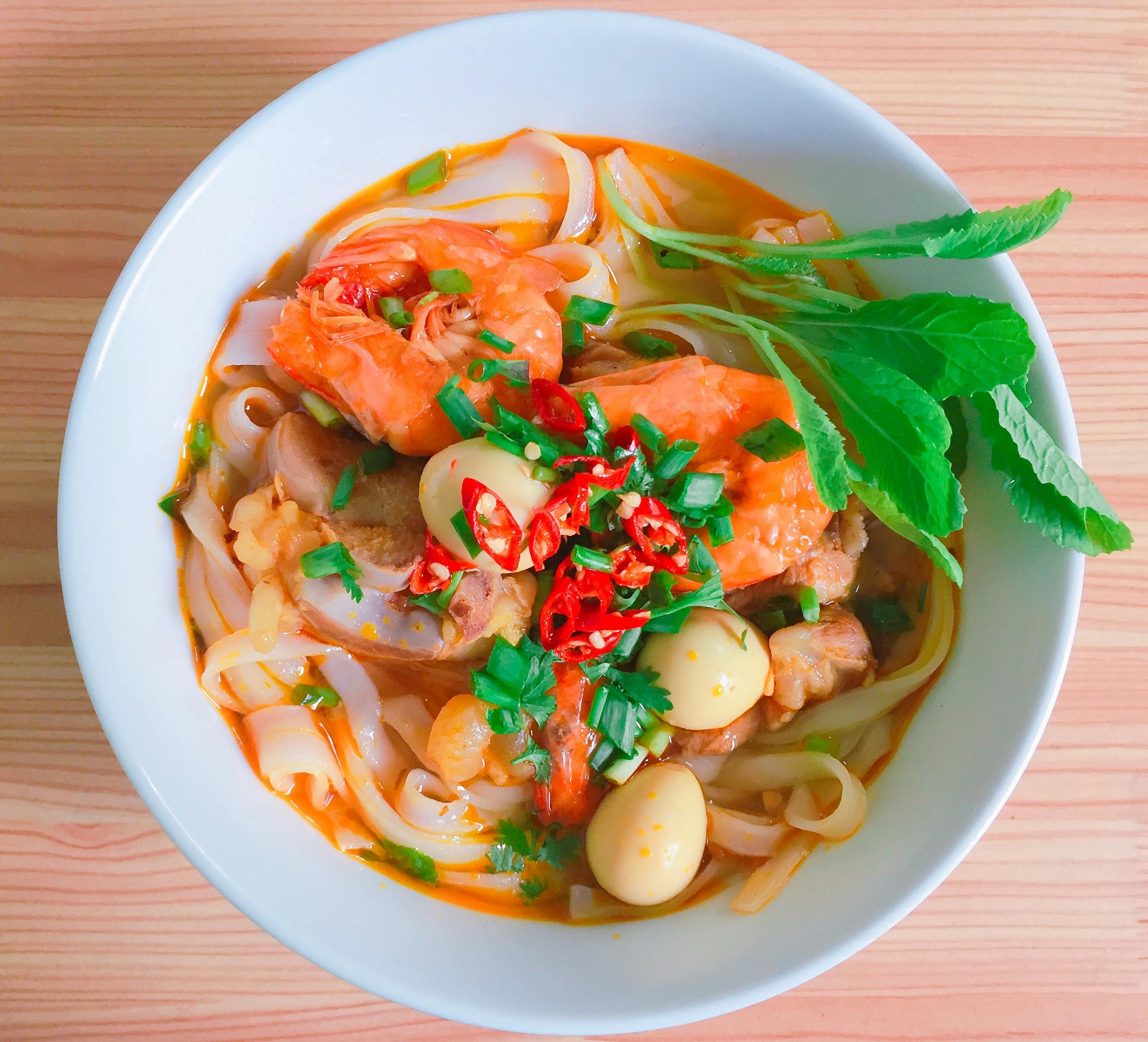
For many older adults, especially in settings where diets were historically low in animal foods, adding small amounts of meat can:
- Boost high-quality protein intake to protect muscle and strength
- Provide key nutrients like vitamin B12, iron, zinc, and some essential amino acids
- Improve appetite and enjoyment of meals, which can be crucial when appetite is low
But you don’t have to eat meat to age well. Many long-lived populations, such as those in some so-called “Blue Zones,” often eat:
- Mostly whole plant foods (vegetables, fruits, legumes, whole grains, nuts)
- Limited processed foods and added sugars
- Small to moderate portions of fish, eggs, or meat — or none at all, in some groups
If You’re Vegetarian or Plant-Based: What This Means for You
If you’ve chosen a vegetarian or vegan lifestyle, this study does not mean you’re destined to miss out on a long life. It simply underscores the importance of being intentional about nutrients that meat commonly provides.
Many plant-based centenarians thrive because they:
- Eat adequate protein from beans, lentils, tofu, tempeh, and whole grains
- Include healthy fats from nuts, seeds, and olive or canola oil
- Supplement or carefully source nutrients like vitamin B12 and, if needed, vitamin D and omega-3 fats
“Well-planned vegetarian and vegan diets can support healthy aging and may lower the risk of several chronic diseases.”
— Position consistent with the Academy of Nutrition and Dietetics
Practical Ways to Eat for Longevity (With or Without Meat)
Rather than chasing the latest “longevity food,” focus on habits that are consistently linked with living longer, healthier lives. Here’s how to translate the research into your plate.

1. Prioritize Plants
- Fill at least half your plate with vegetables and fruits at most meals.
- Choose whole grains (oats, brown rice, quinoa, whole wheat) over refined grains when possible.
- Include legumes (beans, lentils, chickpeas) several times per week.
2. Get Enough Protein — Especially as You Age
Most adults benefit from spreading protein across the day, aiming for a source at each meal:
- If you eat meat: Favor fish, poultry, and lean cuts. Keep processed meats (bacon, sausages, deli meats) as occasional extras.
- If you’re plant-based: Rely on beans, lentils, tofu, tempeh, and higher-protein grains like quinoa.
3. Choose Quality Over Quantity for Meat
- Limit processed meats as much as you reasonably can.
- Keep red meat (beef, lamb, pork) to modest portions a few times per week, depending on your health status and local guidelines.
- Use meat more as a “flavor accent” alongside vegetables and whole grains, rather than the main event.
4. Think Beyond Food
Nearly all studies of centenarians highlight other common threads:
- Regular movement (even walking and light activity)
- Strong social connections
- Reasonably good sleep and stress management
Common Obstacles (and How Real People Work Around Them)
Knowing what to do and being able to do it are very different things. Here are a few challenges people often face when trying to eat for longevity, along with realistic ways to navigate them.
“Healthy food is expensive where I live.”
- Rely on budget-friendly staples: dried or canned beans, lentils, frozen vegetables, oats, and rice are usually cheaper than meat.
- Use small amounts of meat to flavor larger vegetable or grain dishes (soups, stir-fries, stews).
“My family loves meat-heavy meals.”
- Gradually reduce portion size of meat while increasing the volume of vegetables and beans in familiar dishes.
- Try “half and half” recipes — for example, half ground meat and half lentils in sauces or chilis.
“I’m older and struggle with appetite.”
- Focus on smaller, more frequent meals that include a protein source each time.
- Use softer textures (soups, stews, yogurt, tofu) if chewing is difficult.
- Talk with a healthcare provider or dietitian if unintentional weight loss or low appetite persists.

A Before-and-After Example: From Meat-Heavy to Longevity-Friendly
To make this more concrete, here’s a simplified example of how someone might shift toward a more longevity-supporting pattern without giving up meat:
Before
- Large portions of red or processed meat most days
- Minimal vegetables; refined grains (white bread, white rice)
- Sugary drinks and frequent desserts
After (Over 3–6 Months)
- Meat most days, but in smaller portions, focusing more on fish and poultry
- Vegetables or fruit at every meal; beans or lentils a few times per week
- Mostly water or unsweetened drinks; sweets and processed meats as occasional treats
This kind of shift aligns more closely with both the patterns seen in many long-lived populations and the cautious interpretation of the new meat–longevity study.
Bringing It All Together: Your Longevity, Your Plate
The recent study of older Chinese adults offers an intriguing insight: in a largely plant-based, traditional diet, eating some meat was associated with a better chance of reaching 100. But it doesn’t crown meat as a miracle longevity food, nor does it condemn thoughtful vegetarian or vegan diets.
The most reliable path to healthy aging is still built on familiar, steady habits:
- Plenty of plant foods
- Adequate, high-quality protein
- Limited processed meats and ultra-processed foods
- Regular movement, connection, and rest
You don’t have to overhaul everything overnight. Pick one small, sustainable change — adding a vegetable to lunch, swapping one processed meat for beans or fish, or planning a balanced dinner once more per week — and build from there.
