Why Celebrity Longevity Diets Love the Mediterranean & Blue Zones (And How to Cook the Trend Tonight)
A growing wave of celebrities and wellness creators are trading crash diets for something far more delicious and sustainable: Mediterranean and Blue‑Zone‑inspired “longevity diets.” Instead of chasing rapid transformation, they’re filling their plates with colorful vegetables, silky extra‑virgin olive oil, whole grains, beans, nuts, and just enough fish and yogurt to feel deeply satisfied—meals that feel like vacation on the Mediterranean coast yet are quietly working in the background to support heart health, brain function, and a longer healthspan.
Let’s look at why these longevity diets are everywhere right now—and then we’ll cook the trend together with a vibrant, Mediterranean‑style Blue Zone Longevity Bowl you can make at home tonight.
From Fad Diets to Longevity Eating
For years, headlines have swung wildly from keto to carnivore to juice cleanses. Now, influenced by Blue Zones research and Mediterranean diet science, many public figures are talking less about “getting beach‑ready” and more about staying strong, sharp, and energized into their 70s, 80s, and beyond. On TikTok, you’ll see “What I eat in a day to live longer” videos; on YouTube, deep dives into extra‑virgin olive oil, walnuts, and sardines; on podcasts, researchers unpacking how these patterns reduce inflammation and protect the heart.
At the core is a simple idea: eat mostly plants, use high‑quality fats generously, lean on beans and whole grains, skip ultra‑processed foods most of the time, and remember that shared meals, movement, and sleep matter just as much as what’s on your plate.
Why Mediterranean & Blue‑Zone Longevity Diets Are Trending
Celebrity and influencer “longevity diets” usually echo two deeply researched eating patterns: traditional Mediterranean cuisines and the everyday food of Blue Zones—regions like Sardinia, Okinawa, Ikaria, Nicoya, and Loma Linda where people frequently live to 100 with remarkably low rates of chronic disease.
- Blue Zones media exposure: Documentaries, books, and streaming series have made household names out of these long‑living communities, and viewers want to copy their plates: beans, greens, sourdough‑style breads, olive oil, and simple home cooking.
- Celebrity adoption: Actors, musicians, and athletes showcase Mediterranean‑style breakfasts, fish‑and‑veggie lunches, and legume‑based dinners as part of anti‑aging and performance routines rather than detoxes.
- Backlash against extremes: After harsh restriction and confusing food rules, people are craving moderate, evidence‑backed, pleasure‑forward ways of eating that feel realistic for a lifetime.
Longevity eating is less about perfection and more about what you do most days: a generous drizzle of olive oil, another scoop of beans, a walk after dinner, and shared meals with people you love.
Core Features of Celebrity Longevity Diets
When you strip away the branding and buzzwords, most longevity‑focused celebrity diets share the same backbone as Mediterranean and Blue‑Zone patterns:
1. Plant‑Forward, Not Necessarily Vegan
The plate is mostly plants: leafy greens, seasonal vegetables, fruit, legumes, whole grains, nuts, and seeds. Fish, yogurt, eggs, and modest portions of meat appear more as supporting characters than the main act.
2. Healthy Fats as Everyday Super‑Foods
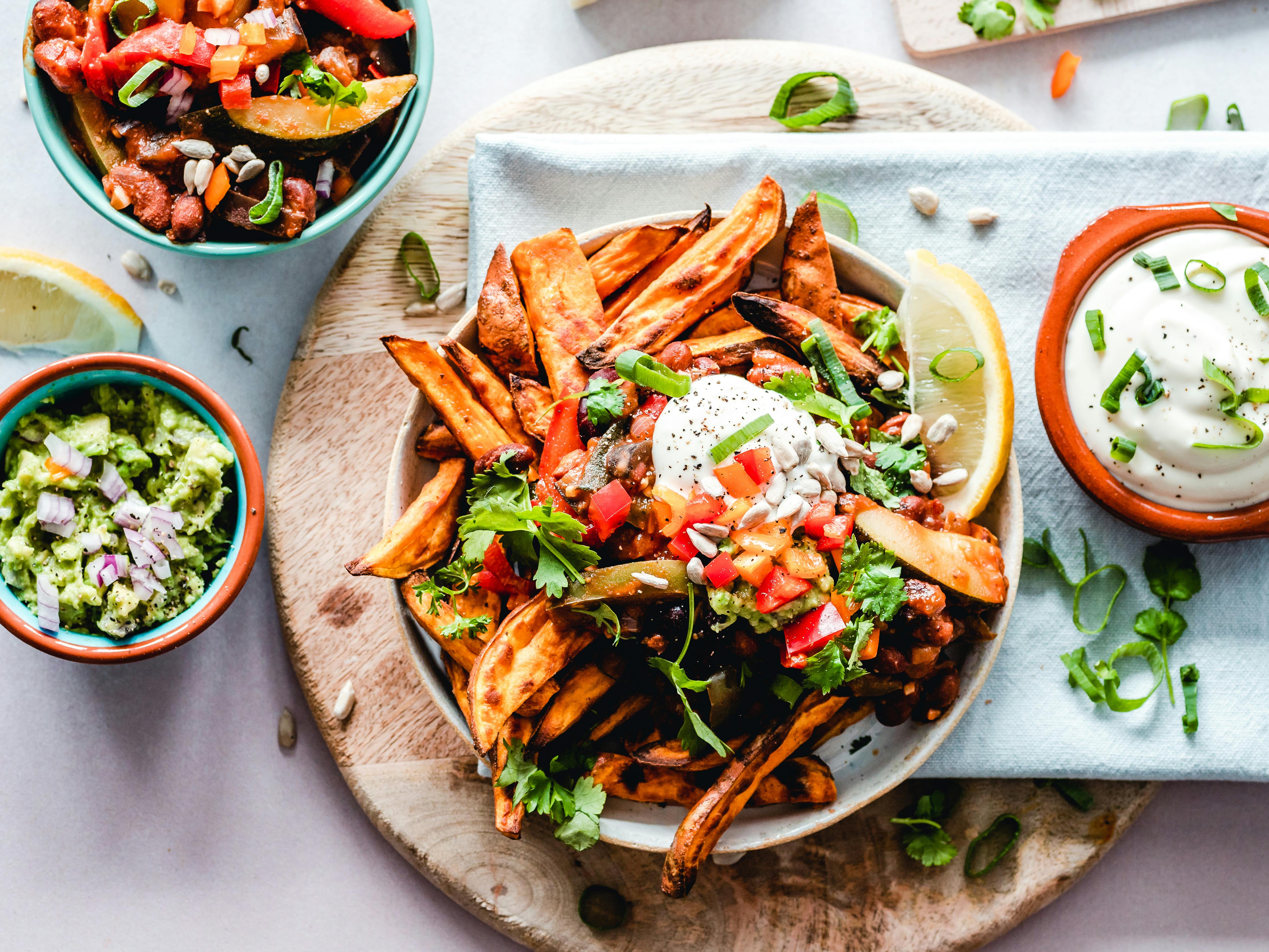
Extra‑virgin olive oil, walnuts, almonds, flax, chia, and fatty fish like salmon or sardines are beloved for their omega‑3s and polyphenols. Celebrity meal videos often show a generous, gleaming swirl of olive oil over salads, grains, and even yogurt.
3. Legumes & Whole Grains as Staples
Beans, lentils, chickpeas, oats, barley, farro, and brown rice are treated as long‑life powerhouses: affordable, deeply satisfying, full of fiber for gut health and stable energy. In Blue Zones, it’s common to eat beans daily.
4. Low Ultra‑Processed Food Intake
Most longevity patterns center home‑cooked, minimally processed meals. Sugary drinks, refined snacks, fast food, and processed meats are occasional extras instead of daily habits.
5. Social & Lifestyle Context
In every Blue Zone, diet is only one piece of the puzzle. Daily movement (walking, gardening, climbing hills), strong social ties, low chronic stress, and good sleep are just as vital. Many influencers now highlight slow, shared meals and after‑dinner walks as much as the recipes themselves.
Mediterranean Blue‑Zone Longevity Bowl
This Mediterranean Blue‑Zone Longevity Bowl captures the spirit of modern celebrity longevity diets in one colorful, satisfying dish: warm whole grains, garlicky chickpeas, juicy tomatoes and cucumbers, briny olives, creamy yogurt or hummus, and a fragrant olive‑oil‑lemon dressing. It’s weeknight‑easy, endlessly flexible, and built from the same foods that show up in both Mediterranean and Blue‑Zone kitchens.
Prep time:
Cook time:
Total time:
Servings: 4 bowls
Difficulty: Easy
Diet: Plant‑forward, Mediterranean; easily vegetarian or vegan
Equipment You’ll Need
- Medium saucepan with lid (for grains)
- Large nonstick or cast‑iron skillet (for chickpeas/vegetables)
- Cutting board and sharp knife
- Mixing bowl and whisk (for dressing)
- Measuring cups and spoons
- Serving bowls for assembling the longevity bowls
Ingredients
For the Base (Whole Grains)
- 1 cup (190 g) dry farro, barley, or brown rice (or other whole grain)
- 2 1/2 cups (600 ml) water or low‑sodium vegetable broth
- 1/2 tsp sea salt
For the Chickpeas & Warm Veg
- 2 tbsp extra‑virgin olive oil
- 2 cloves garlic, minced
- 1 can (15 oz / 400 g) chickpeas, drained and rinsed
- 1 small red onion, thinly sliced
- 1 small zucchini, chopped into bite‑size pieces
- 1 tsp ground cumin
- 1/2 tsp smoked paprika (optional but lovely)
- 1/4 tsp black pepper, plus more to taste
- Salt to taste
Fresh Salad Toppings
- 1 cup (150 g) cherry tomatoes, halved
- 1 small cucumber, diced
- 1/2 cup (70 g) Kalamata olives, pitted and halved
- 1/4 cup (30 g) crumbled feta cheese (omit or swap for vegan feta if needed)
- 1/4 cup (10 g) chopped fresh parsley and/or mint
- 2 tbsp toasted walnuts or almonds, roughly chopped
Olive‑Oil Lemon Dressing
- 1/4 cup (60 ml) extra‑virgin olive oil
- 2–3 tbsp (30–45 ml) fresh lemon juice (about 1 large lemon)
- 1 tsp Dijon mustard
- 1 tsp honey or maple syrup (optional)
- 1 small garlic clove, finely grated or minced
- 1/4 tsp sea salt, plus more to taste
For Serving
- 1 cup (240 g) plain Greek yogurt or hummus (for a vegan option)
- Lemon wedges
- Extra olive oil, for drizzling
Step‑by‑Step Instructions
- Cook the whole grains.
Rinse the farro (or your grain of choice) under cold water. In a medium saucepan, combine the grain, water or broth, and 1/2 tsp salt. Bring to a boil over medium‑high heat, then reduce to a gentle simmer, cover, and cook until tender but pleasantly chewy (about 20–25 minutes for farro; adjust if using a different grain). Drain any excess liquid, fluff with a fork, and keep warm. - Sauté the aromatics.
While the grains cook, warm 2 tbsp olive oil in a large skillet over medium heat. Add the sliced red onion and a pinch of salt. Cook, stirring occasionally, until softened and slightly caramelized at the edges, about 5–7 minutes. - Add zucchini and chickpeas.
Stir in the chopped zucchini and cook for 3–4 minutes until just tender but still bright. Add the minced garlic and cook for 30 seconds, just until fragrant (you’ll smell that irresistible garlicky perfume). Add the rinsed chickpeas, cumin, smoked paprika, black pepper, and another pinch of salt. Cook for 3–4 minutes, stirring, until the chickpeas are warmed through and lightly coated in spices. - Mix the fresh toppings.
In a bowl, combine cherry tomatoes, cucumber, olives, and most of the parsley/mint (reserve a little for garnish). Toss gently with a small pinch of salt and a drizzle of olive oil. This quick salad should taste bright, juicy, and lightly seasoned. - Whisk the lemon‑olive oil dressing.
In a small bowl or jar, whisk together 1/4 cup olive oil, lemon juice, Dijon mustard, honey or maple (if using), grated garlic, and 1/4 tsp salt. Taste and adjust—add more lemon if you like it sharper, or a pinch more salt if needed. The dressing should taste bold and zippy. - Assemble the longevity bowls.
Divide the warm grains among 4 bowls. Top each with a generous scoop of the spiced chickpea‑zucchini mixture, a handful of the tomato‑cucumber‑olive salad, and a spoonful (or two) of Greek yogurt or hummus. Drizzle each bowl with the lemon‑olive oil dressing and an extra trickle of olive oil if you like. - Add finishing touches.
Sprinkle bowls with crumbled feta (if using), chopped walnuts or almonds, and the reserved herbs. Serve with lemon wedges on the side for squeezing over just before eating. The ideal bite has a little of everything: creamy, crunchy, tangy, and warm.

Substitutions & Dietary Adaptations
Make It 100% Vegan
- Swap Greek yogurt for plain unsweetened plant‑based yogurt or extra hummus.
- Replace feta with vegan feta or a sprinkle of nutritional yeast for a savory note.
- Sweeten the dressing with maple syrup instead of honey, or skip sweetness entirely.
Make It Gluten‑Free
- Use quinoa, brown rice, or buckwheat instead of farro or barley.
- Double‑check that your mustard and any store‑bought hummus are certified gluten‑free.
Protein & Variation Ideas
- Add grilled salmon, sardines, or mackerel on top for extra omega‑3s—very in line with Mediterranean longevity habits.
- Swap chickpeas for lentils, white beans, or black beans depending on what you have.
- Rotate vegetables seasonally: roasted squash in autumn, asparagus in spring, eggplant and peppers in late summer.
Storage & Reheating Guidelines
This longevity bowl is perfect for meal prep—no celebrity chef required.
- Cooked grains: Store in an airtight container in the fridge for up to 4 days. Reheat with a splash of water in a covered bowl in the microwave or on the stovetop over low heat.
- Chickpea & vegetable mixture: Keeps well in the fridge for 3–4 days. Reheat gently until warm but not mushy.
- Fresh salad toppings: Best within 2–3 days. Keep tomatoes and cucumbers in a separate container so they stay crisp.
- Dressing: Stores in a sealed jar in the fridge for up to 5 days. Shake well before using; olive oil may solidify slightly when chilled but will loosen at room temperature.
- Fully assembled bowls: For best texture, store components separately and assemble just before serving. If you do assemble ahead, keep the dressing on the side so the grains and vegetables don’t get soggy.
Serving Suggestions & Complementary Dishes
To make your table feel like a Mediterranean gathering (celebrity or not), pair your longevity bowls with a few simple sides:
- A platter of mixed olives and nuts, drizzled with olive oil and sprinkled with herbs.
- A simple green salad dressed with more lemon and olive oil.
- Warm whole‑grain pita or rustic whole‑grain bread for scooping up chickpeas and yogurt.
- A small plate of fresh fruit—berries, orange slices, or figs—for a naturally sweet finish.

Bringing Celebrity Longevity Eating into Your Kitchen
Celebrity “longevity diets” may sound high‑tech and exclusive, but at heart they’re built on humble, time‑tested foods: beans, greens, grains, nuts, olive oil, and simple home cooking shared with others. Your Mediterranean Blue‑Zone Longevity Bowl is a delicious, practical way to join that movement—no elaborate hacks, detoxes, or special products required.
If you fall in love with this bowl, treat it as a framework. Swap in seasonal vegetables, different legumes, or another whole grain, and let your own “signature longevity bowl” evolve. With every colorful, plant‑forward meal, you’re not just cooking dinner—you’re quietly investing in the kind of vibrant, long‑lasting health that has made Blue Zones and Mediterranean diets so enduringly inspiring.