
Are Ultra-Processed Foods the New Cigarettes? What a New Study Really Means for Your Health
You know that feeling when you open a bag of chips and suddenly the whole thing is gone? Or when you plan to have just one cookie, and before you know it, you’re staring at an empty package? A growing body of research suggests this isn’t just about “willpower” — it may be about how certain foods are engineered to keep you coming back for more.
A recent study from researchers at several US universities, highlighted by DW.com, compares the addictive qualities of ultra-processed foods (UPFs) to cigarettes. The authors argue that many UPFs share key features with tobacco products — including how they’re formulated, marketed, and consumed — and suggest they may warrant similar public health attention and regulation.
If that sounds alarming, you’re not alone. But understanding what this study actually says can help you make calmer, more informed choices about what you eat — without spiraling into fear or food guilt.
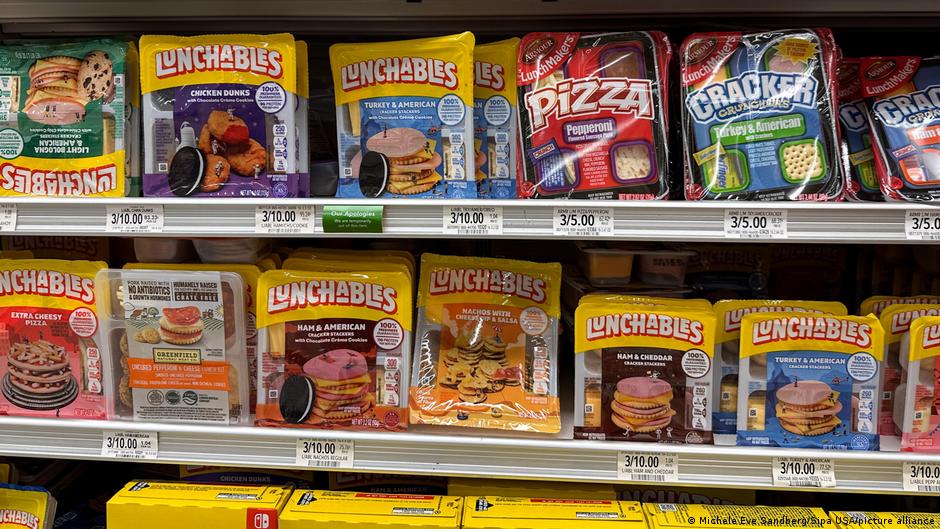
Are Ultra-Processed Foods Really Like Cigarettes?
The new study does not claim that eating a donut is the same as smoking a cigarette. Tobacco carries well-established, direct risks like lung cancer and heart disease even at relatively low exposure, and there is no known safe level of smoking.
What the researchers do argue is that ultra-processed foods share several addiction-like features with tobacco:
- Engineered formulations: Many UPFs combine refined carbohydrates, fats, and flavorings in ways that make them intensely rewarding and easy to overconsume.
- Rapid “hit” to the brain: Quick-digesting sugars and fats can trigger dopamine responses similar to those seen in other addictive behaviors.
- Ubiquity and marketing: Like cigarettes once were, UPFs are heavily marketed, cheap, and available almost everywhere.
- Patterns of compulsive use: Some people report cravings, loss of control, and continued use despite negative health effects — criteria often used to describe addiction.
“The study’s authors suggest that ultra-processed foods may meet the criteria for addictive substances and call for regulations similar to those placed on tobacco.”
In other words, the concern is less about one snack and more about an entire food environment that makes it very easy to base our diets around products designed for maximum consumption.
What Exactly Are Ultra-Processed Foods?
Not all processed foods are “bad.” Washing, freezing, chopping, or pasteurizing foods are all forms of processing. Ultra-processed foods go several steps further.
The most widely used definition comes from the NOVA food classification. UPFs typically:
- Contain ingredients you wouldn’t use at home (like emulsifiers, colorants, artificial sweeteners, or flavor enhancers).
- Rely on industrial processes such as extrusion, molding, or pre-frying.
- Are formulated to be “hyper-palatable” — very tasty, with strong flavors and appealing textures.
- Are ready-to-eat or ready-to-heat, requiring little to no cooking.
Common examples include:
- Packaged snacks (chips, cheese puffs, many crackers)
- Sugary breakfast cereals and cereal bars
- Soft drinks and many energy drinks
- Instant noodles and some frozen ready meals
- Reconstituted meat products (some nuggets, hot dogs)
- Confectionery and ice creams with long ingredient lists
What the New Study Actually Says About Food Addiction
The DW.com report summarizes research carried out by teams at three US universities. While the full paper is still being discussed in the scientific community, it builds on earlier work suggesting that certain eating patterns can resemble substance addiction.
The study highlights several points:
- Biological overlap: Brain-imaging research has shown that highly palatable foods can activate reward pathways in ways that overlap with drugs and gambling. This doesn’t prove food is a “drug,” but it suggests similar mechanisms are involved.
- Behavioral patterns: Surveys using tools like the Yale Food Addiction Scale find that a subset of people report symptoms such as:
- Strong cravings for certain foods (often high in sugar, fat, or both)
- Difficulty cutting back despite wanting to
- Eating more than intended, more often than intended
- Continuing to overeat despite health consequences
- Formulation matters: The study argues that rapid absorption of refined carbohydrates and fats, combined with flavor additives, may make some UPFs particularly “rewarding” to the brain.
- Public health implications: Given the links between high UPF intake, obesity, type 2 diabetes, heart disease, and other conditions, the authors suggest considering policy tools used for tobacco — such as marketing restrictions and clearer labeling.
Importantly, the study does not suggest everyone is “addicted” to food, nor that personal choice is irrelevant. Instead, it looks at how the design and availability of UPFs can make healthy choices more difficult.
What Does the Wider Science Say About Ultra-Processed Foods?
Over the past decade, multiple large observational studies and clinical trials have linked high consumption of ultra-processed foods to poorer health outcomes. While correlation doesn’t equal causation, patterns are consistent enough to raise concern.
- Weight gain and obesity: A well-known randomized controlled trial from the US National Institutes of Health (NIH, 2019) found that people eating an ultra-processed diet ate about 500 more calories per day and gained weight compared with when the same people were given a minimally processed diet, even when meals were matched for calories, sugar, fat, and fiber on paper.
- Heart and metabolic health: Large cohort studies in Europe and the Americas have associated higher UPF intake with increased risk of cardiovascular disease, hypertension, and type 2 diabetes.
- Mental health: Emerging research suggests links between high UPF consumption and higher rates of depression and anxiety, although more high-quality trials are needed.
Taken together, the research doesn’t mean you can never touch a packaged snack again. It does suggest that when ultra-processed foods become the foundation of our diets, health risks tend to rise.
A Real-Life Story: “I Realized My ‘Treats’ Were My Main Meals”
A few years ago, I worked with a client — let’s call her Maria — who came in saying, “I feel like I can’t stop eating junk food. I know it’s bad for me, but I crave it all the time.”
When we looked at her typical day, most of her meals were ultra-processed:
- Breakfast: sweetened cereal with flavored milk drink
- Lunch: instant noodles or a frozen meal at her desk
- Afternoon: energy drink and a candy bar “to get through the slump”
- Dinner: breaded chicken strips and fries, followed by ice cream
Maria wasn’t “lazy” or “careless.” She was exhausted, working long shifts, and surrounded by convenient, tasty options. Once we recognized that her environment — not her character — was the main problem, we focused on small, realistic swaps instead of a total overhaul.
Over several months, as she gradually cut back on ultra-processed options and added more whole foods, she reported:
- Fewer intense cravings in the late afternoon
- More stable energy across the day
- Less “all-or-nothing” thinking around food
Her story isn’t a controlled experiment, and results will vary. But it mirrors what many people describe: when ultra-processed foods stop being the default choice, craving and overeating often become easier to manage.
How to Tell if Ultra-Processed Foods Are a Problem for You
Not everyone reacts to ultra-processed foods in the same way. Some people can eat a few cookies and move on; others feel stuck in a cycle of craving and regret.
You might want to take a closer look at your relationship with UPFs if you notice patterns like:
- You regularly eat more of them than you intended, even when you’re not very hungry.
- You feel strong, persistent cravings for specific packaged foods or drinks.
- You’ve tried to cut back multiple times and find it very difficult.
- You use these foods to cope with stress, loneliness, or boredom — and feel worse afterward.
- You feel out of control or ashamed about your eating, especially around highly processed snacks or sweets.
Evidence-Informed Strategies to Cut Back on Ultra-Processed Foods
You don’t have to transform your diet overnight. In fact, abrupt “all-or-nothing” changes can backfire, leading to rebound overeating or feelings of failure. A more sustainable approach is to gradually shift the balance of your diet toward minimally processed foods.
1. Start With One Meal or One Category
Choose a single area to focus on for 2–3 weeks, such as:
- Replacing sugary drinks with water, sparkling water, or unsweetened tea.
- Upgrading breakfast from sweet cereal to oatmeal with fruit and nuts.
- Adding a side salad or piece of fruit to one main meal each day.
2. Crowd Out Rather Than Cut Out
Research and clinical experience both suggest that adding nourishing foods often makes it easier to naturally reduce UPFs, without feeling deprived. Focus on:
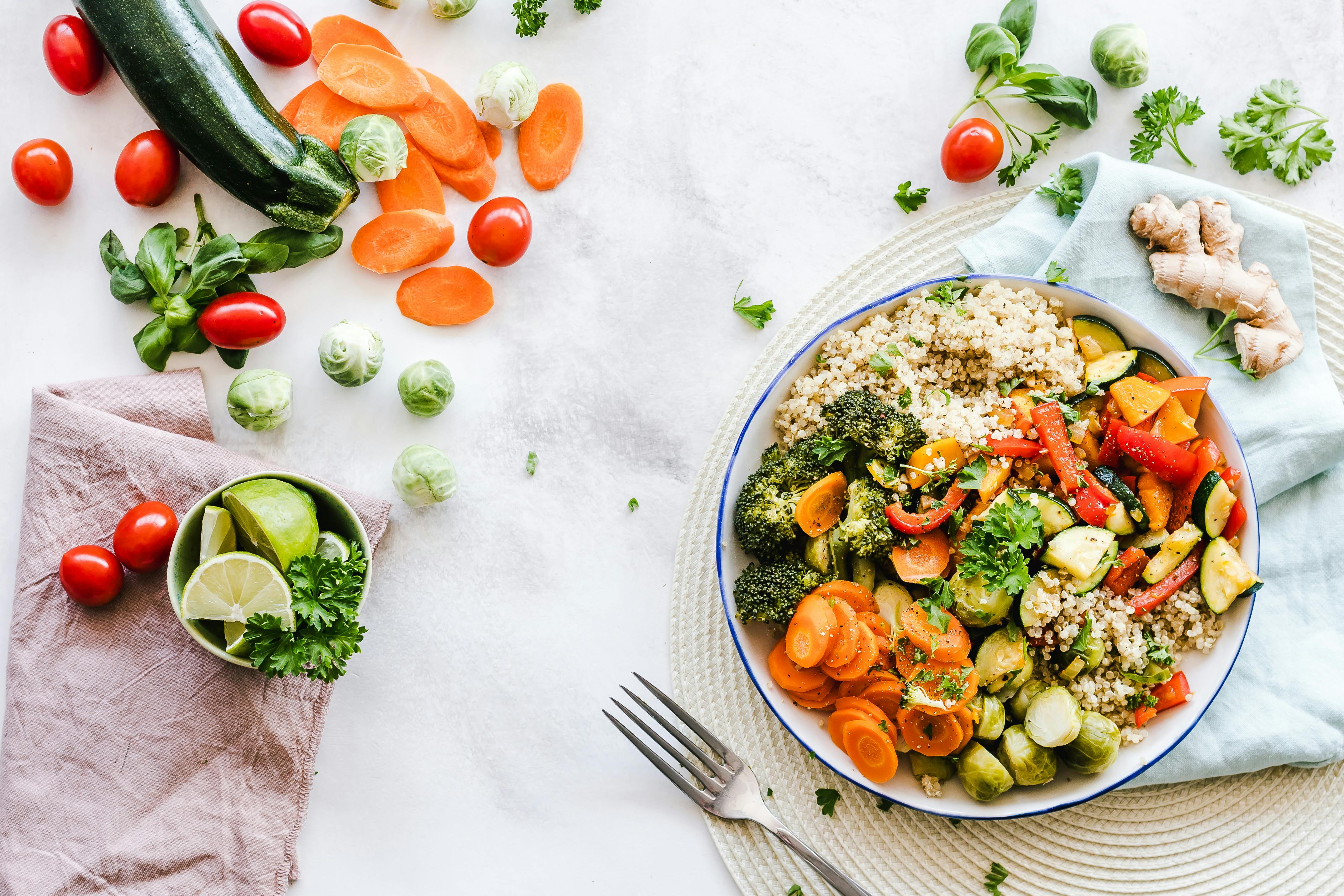
- Vegetables and fruits (fresh, frozen, or canned without added sugar).
- Whole grains like oats, brown rice, quinoa, or whole-grain bread.
- Legumes (beans, lentils, chickpeas).
- Nuts, seeds, eggs, fish, and minimally processed dairy or alternatives.
3. Build a “Convenience Corner” With Better Options
Many people rely on UPFs because they’re busy, not because they don’t care about health. Make healthier convenience a habit:
- Keep ready-to-eat items like yogurt, fruit, baby carrots, or hummus at eye level in the fridge.
- Batch-cook simple foods (rice, roasted vegetables, baked chicken or tofu) once or twice a week.
- Use pre-cut or frozen vegetables to save time without sacrificing nutrition.
4. Create “Speed Bumps” for Ultra-Processed Foods
Instead of banning favorite snacks, make them a bit less automatic:
- Store them out of sight, not on the counter.
- Buy smaller packages or single portions if possible.
- Decide in advance when you’ll enjoy them (for example, after dinner, sitting at the table), rather than snacking mindlessly.
5. Address the Emotional Side of Eating
Ultra-processed foods often become coping tools for stress or difficult emotions. Alongside dietary changes, it may help to:
- Practice stress-reduction techniques (brief walks, breathing exercises, short breaks from screens).
- Reach out to supportive friends or family when you feel overwhelmed.
- Consider talking to a therapist if you notice strong emotional triggers for overeating.

Common Obstacles — and Practical Ways Around Them
It’s one thing to know ultra-processed foods can be a problem; it’s another to change habits in a world that constantly nudges us toward them. Here are some frequent challenges readers mention, along with realistic responses.
“Healthy food is too expensive.”
Some fresh items can be pricey, but you don’t need exotic ingredients to eat well:
- Use budget-friendly staples like beans, lentils, oats, frozen vegetables, and eggs where culturally appropriate.
- Buy in bulk when possible and plan 2–3 simple meals that reuse the same ingredients.
- Compare the cost of a large bag of chips and soda with that of oats, bananas, and a dozen eggs — the latter often stretches much further.
“I don’t have time to cook.”
Time pressure is real. Instead of imagining gourmet meals, aim for assembly over cooking:
- Combine pre-washed salad greens, canned beans (rinsed), olive oil, and whole-grain bread for a 5-minute meal.
- Use frozen vegetables you can microwave and pair them with rotisserie chicken or baked tofu.
- Prepare double portions when you do cook and freeze leftovers in single servings.
“My family loves snacks and takeout.”
You don’t have to force everyone into a rigid plan. Try:
- Introducing one “upgrade” per week — for example, adding a vegetable side to your usual takeout meal.
- Offering a fruit or yogurt dessert alongside favorite sweets, not instead of them.
- Letting family members help choose new recipes or healthier packaged options with shorter ingredient lists.

Why the Study Calls for Tobacco-Like Regulation
One of the most controversial parts of the new study is its call for policy measures similar to those used for tobacco. The authors argue that because ultra-processed foods are:
- Widely consumed
- Potentially addictive for some people
- Strongly linked with chronic disease risk
…governments should consider steps such as:
- Stricter limits on marketing to children.
- Clearer front-of-pack labeling about nutritional quality.
- Taxes or incentives that make healthier options more affordable and accessible.
- Funding for public education campaigns about ultra-processed foods, similar to anti-tobacco campaigns.
“Individual willpower is important, but it’s not enough when the default options are stacked against us. Policy can help shift the environment so that the healthier choice becomes the easier choice.”
Before and After: A Typical Day, Tweaked
To make this more concrete, here’s how a day heavy in ultra-processed foods might be gently shifted toward less processed choices — without requiring major cooking skills.
Morning
- Before: Sweetened cereal with flavored milk drink.
- After: Oats with banana and a spoonful of peanut butter; coffee or tea with minimal sugar.
Lunch
- Before: Instant noodles and a sugary soda.
- After: Whole-grain bread sandwich with beans or lean protein and vegetables, plus water or unsweetened tea.
Afternoon Snack
- Before: Energy drink and a candy bar.
- After: Handful of nuts and a piece of fruit; if needed, coffee or tea.
Dinner
- Before: Breaded chicken strips, fries, and ice cream.
- After: Baked chicken or tofu, roasted potatoes with skins, and a side of frozen mixed vegetables; a small portion of ice cream if you enjoy it.
Frequently Asked Questions About Ultra-Processed Foods
Do I have to completely avoid ultra-processed foods?
For most people, total avoidance isn’t realistic or necessary. The goal is generally to reduce how much of your daily diet comes from UPFs and to increase the proportion of minimally processed foods. Occasional enjoyment of favorite snacks can fit into an overall balanced pattern.
Are all packaged foods ultra-processed?
No. Many packaged foods are only minimally processed (like plain frozen vegetables, canned beans, or oats). The key is to look at the ingredient list and how heavily the product has been transformed.
Is “food addiction” a real diagnosis?
“Food addiction” is not currently an official psychiatric diagnosis in most classification systems. However, researchers use the term to describe patterns of compulsive overeating and strong cravings, especially for highly processed, hyper-palatable foods. The concept remains debated, but it’s being actively studied.
What if I have a history of eating disorders?
If you’ve experienced anorexia, bulimia, binge-eating disorder, or other disordered eating, it’s especially important to approach discussions of “good” and “bad” foods carefully. In that case, changes to your diet should be guided by a clinician experienced in eating disorders to avoid triggering restrictive or obsessive patterns.
Moving Forward: Informed, Not Afraid
The idea that ultra-processed foods might be “engineered like cigarettes” can sound frightening, but it can also be empowering. It shifts the narrative away from personal failure and toward a more honest look at how our food system shapes our choices.
You don’t have to be perfect, and you don’t have to change everything at once. Each time you:
- Replace a sugary drink with water,
- Add a serving of vegetables or fruit,
- Choose a simpler, less processed option,
…you’re nudging your health in a better direction. Over months and years, these small decisions add up.
If you recognize yourself in some of the patterns described here — strong cravings, feeling out of control, or relying heavily on ultra-processed foods — consider this an invitation, not a judgment. You deserve support, reliable information, and a food environment that makes healthy choices easier, not harder.
When you’re ready, choose one small change from this article and try it for the next week. Notice how you feel, adjust as needed, and build from there. Sustainable change is less about dramatic detoxes and more about compassionate, consistent steps in the right direction.
