
Are “Sugar-Free” Foods Hurting Your Heart? What New Science Really Says About Artificial Sweeteners
If you’ve ever swapped sugar for a “diet” soda, sugar-free yogurt, or a packet of artificial sweetener in your coffee, you’re not alone. For years, sugar substitutes have been marketed as the smarter choice—sweetness without the calories. But newer research, including work highlighted by Earth.com, suggests that some artificial sweeteners may be directly linked to higher risks of heart attacks and strokes, especially in people who are already vulnerable.
That doesn’t mean you need to panic or throw out everything in your pantry today. It does mean this: the science has evolved, and it’s time to revisit what “sugar-free” really means for your heart health—using evidence, not fear.
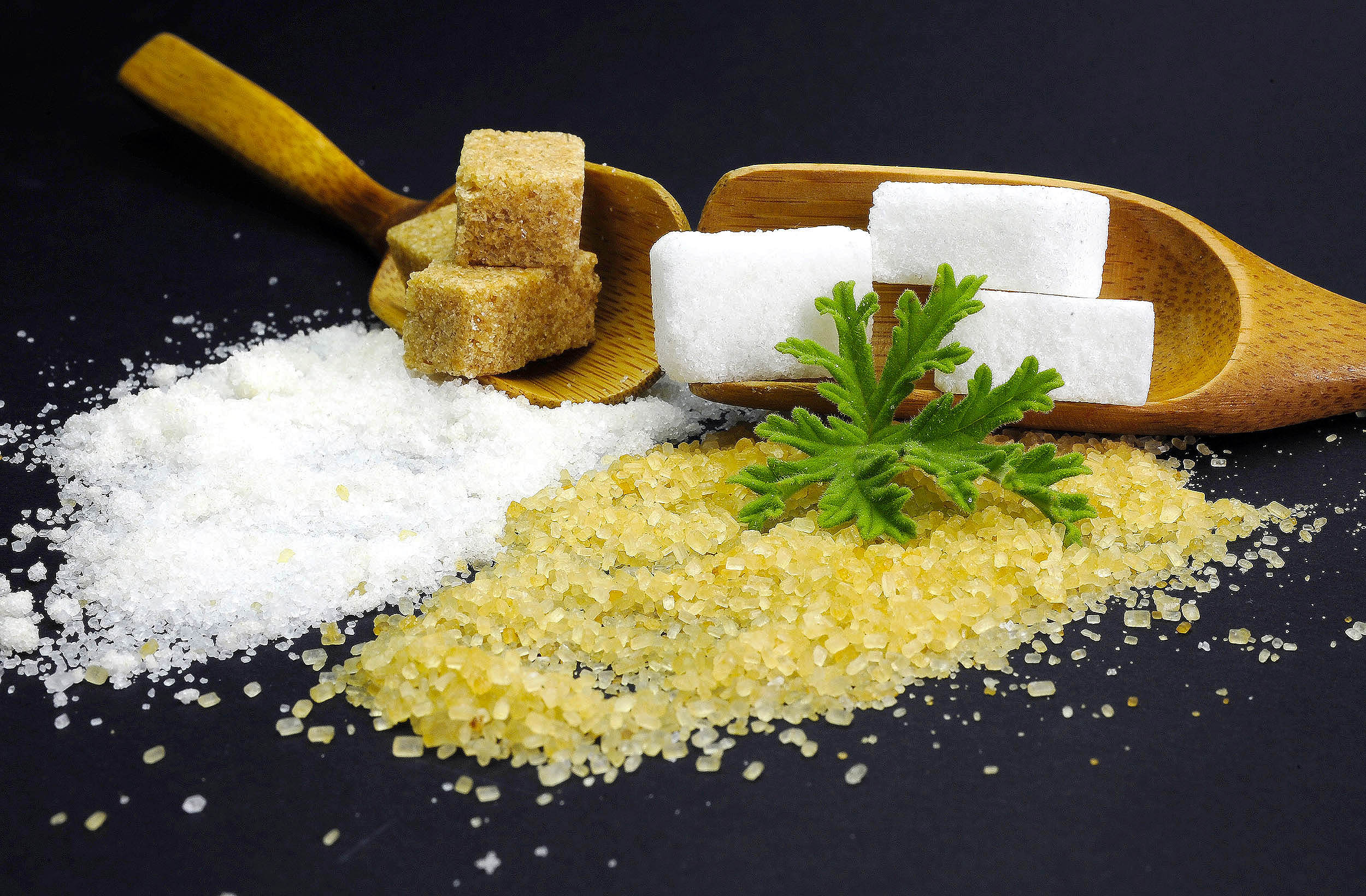
Why artificial sweeteners are under the microscope again
For decades, artificial sweeteners were mainly judged on two things: Do they cause cancer? Do they help with weight control? More recent, higher-quality studies have shifted attention toward something just as serious: how these sweeteners might affect blood vessels, blood clotting, and long-term cardiovascular health.
The real problem: sugar, substitutes, and your heart
We’re facing two intertwined issues:
- Excess added sugar is clearly linked to weight gain, type 2 diabetes, high blood pressure, and heart disease.
- Some sugar substitutes, once thought to be harmless, may also carry cardiovascular risks—though the strength and consistency of evidence varies by sweetener.
Many people understandably feel stuck: sugar seems bad, but “sugar-free” might not be completely safe either. The goal is not to demonize all sweeteners, but to understand the evidence well enough to make informed, balanced choices.
“What we’re seeing is not a simple ‘good vs. bad’ story. It’s a reminder that our metabolism is complex, and there’s rarely a free pass when we try to outsmart biology with ultra-processed shortcuts.”
— Cardiometabolic researcher, quoted in recent coverage of sweetener studies
What are artificial sweeteners and sugar substitutes?
“Sugar substitute” is a big umbrella term. It includes:
- Non-nutritive (zero‑calorie) sweeteners
Examples: aspartame, sucralose, saccharin, acesulfame K, stevia, monk fruit extracts.
These are intensely sweet, used in tiny amounts. - Sugar alcohols (polyols)
Examples: erythritol, xylitol, sorbitol, maltitol.
These have fewer calories than sugar and don’t raise blood sugar as sharply, but they’re not zero-calorie. - “Natural” caloric sweeteners often perceived as healthier
Examples: honey, agave, coconut sugar, maple syrup.
These are still sugar; they impact blood glucose and calories, just with different marketing.
What recent research says about heart attacks, strokes, and sweeteners
Several large observational studies and mechanistic trials have raised concerns about artificial sweeteners and cardiovascular health. A few key themes keep emerging:
1. Erythritol and blood clot risk
One widely reported study (published in 2023 and covered in outlets like Earth.com) examined people undergoing cardiac evaluation. Those with higher blood levels of erythritol had a greater risk of major adverse cardiovascular events (heart attack, stroke, or death) over three years.
- Laboratory tests suggested erythritol might make platelets “stickier,” promoting clots.
- Small human experiments showed that consuming erythritol could lead to very high blood levels for many hours.
This doesn’t prove that erythritol causes heart attacks, but it raises enough concern that many cardiometabolic experts now recommend limiting large, chronic intakes—especially in people with existing heart disease or risk factors.
2. Overall artificial sweetener intake and cardiovascular events
Large population studies from Europe and North America have found that higher intake of artificial sweeteners (from diet drinks and “sugar-free” foods) is associated with:
- Slightly higher risk of heart disease and stroke in some cohorts.
- Higher all-cause mortality in heavy consumers of diet beverages in others.
Importantly, these are associations. People who use more artificial sweeteners often already have obesity, diabetes, or metabolic issues, which themselves drive risk. Researchers try to adjust for this, but it’s impossible to remove all confounding.
3. Mixed data on blood sugar and the microbiome
Some controlled trials suggest certain sweeteners may:
- Alter gut bacteria in ways that may impair glucose tolerance (shown for saccharin and others in specific contexts).
- Have neutral or modestly helpful effects on blood sugar when used to replace sugar, especially in people with diabetes.
The effects appear to vary among individuals, by sweetener type, and by what the rest of the diet looks like.

For latest consensus statements, organizations like the American Heart Association and the World Health Organization periodically review emerging evidence and update their guidance.
Are artificial sweeteners “worse” than sugar?
From a heart-health perspective, it’s not a simple either–or. Both added sugar and heavy artificial sweetener use can be problematic, just in different ways.
| Sweetener type | Main concerns | Potential upside |
|---|---|---|
| Added sugars (sucrose, HFCS, etc.) | Raise blood sugar, insulin, triglycerides; drive weight gain, fatty liver, higher heart disease risk. | Enjoyment; easier to moderate for some when used occasionally. |
| Artificial sweeteners (aspartame, sucralose, etc.) | Mixed data on heart risk, appetite, microbiome; may sustain preference for intense sweetness. | May help some people reduce calories and sugar intake when used strategically. |
| Sugar alcohols (erythritol, xylitol) | GI upset; emerging concern about high erythritol levels and clot risk. | Lower blood sugar impact than sugar; useful in small amounts. |
The most heart-supportive strategy is usually not to switch from “sugary” to “sugar-free everything,” but to gradually dial down how sweet your diet is overall.
A real-world example: From diet soda reliance to balanced sweetness
A middle‑aged client I worked with—let’s call her Maria—came in drinking 4–5 cans of diet soda per day. She’d switched from regular to diet years earlier to lose weight. Her blood pressure was creeping up, and her cardiologist was concerned about her overall cardiovascular risk.
Instead of telling her to quit diet soda overnight (which she’d tried and “failed” before), we focused on:
- Replacing one can with sparkling water plus a splash of 100% juice.
- Gradually tapering to 1–2 cans per day over several months.
- Adding protein and fiber to meals to stabilize energy so she wasn’t relying on sweet drinks for a “boost.”
Over time, her taste buds adapted. She reported that very sweet drinks started to taste “too intense,” and she felt less bloated. While her improvement can’t be credited solely to cutting back on sweeteners (she also moved more and improved sleep), her overall cardiovascular profile improved.
Practical, evidence-informed steps to protect your heart
You don’t need perfect information to make better choices today. Here’s how to navigate sugar and sweeteners with your heart in mind.
1. Know your current “sweetness load”
- Track your intake for 2–3 typical days.
- Circle everything sweet: sugar, honey, flavored yogurts, bars, sauces, diet drinks, “sugar-free” snacks, gum.
- Notice patterns: is sweetness showing up in every meal or drink?
2. Prioritize cutting added sugars first
Decades of strong data link high added sugar with heart disease. Start where the benefits are clearest:
- Replace sugary drinks (soda, sweet tea, energy drinks) with water, sparkling water, or unsweetened tea.
- Choose plain yogurt and add your own fruit instead of pre-sweetened versions.
- Limit desserts to truly intentional occasions instead of daily habits.

3. Use artificial sweeteners as a tool, not a crutch
If you currently rely heavily on diet products:
- Set a realistic reduction goal (for example, from 4 diet sodas to 2 per day).
- Swap some “sugar-free” desserts for options that are less processed (like fruit with a bit of dark chocolate).
- Aim to gradually reduce overall sweetness rather than chasing perfect substitutes.
4. Be especially cautious if you have cardiovascular risk
If you have a history of heart attack, stroke, atrial fibrillation, diabetes, or high blood pressure:
- Talk with your cardiologist or dietitian about your sweetener use, especially high-dose, regular use of products with erythritol or multiple artificial sweeteners.
- Focus on a dietary pattern shown to reduce events, like a Mediterranean-style diet, which naturally lowers ultra-processed foods.
Common obstacles—and how to overcome them
“I crave sweet things all the time.”
Constant cravings often come from a mix of biology and habit:
- Biology: Irregular meals and low protein can cause blood sugar swings and urgent hunger.
- Habit: If you’re used to a sweet taste after every meal, your brain expects it.
Helpful tweaks:
- Anchor meals with protein, fiber, and healthy fats to stabilize energy.
- Try a “sweet window” (for example, only enjoying something sweet with lunch or dinner, not all day).
- Use fruit—fresh or frozen—as a bridge while you dial back ultra-sweet processed treats.
“I’m overwhelmed by conflicting headlines.”
Science headlines can sound dramatic: “Artificial sweeteners directly linked to heart attacks!” Behind the headlines, the story is usually more nuanced:
- Ask: Was the study observational or a randomized trial?
- Check: Did it look at one sweetener or a category?
- Look for: Statements from trusted organizations (heart, diabetes, or nutrition societies) that summarize the weight of evidence.

“I don’t want to give up everything I enjoy.”
You don’t have to. A heart-protective approach is about pattern and dose, not perfection:
- Keep enjoyable treats, but make them intentional and less frequent.
- Use smaller portions and savor them mindfully.
- Focus on upgrading the other 80–90% of your diet toward minimally processed, nutrient-dense foods.
What experts and guidelines currently recommend
Most major health organizations take a cautious but pragmatic stance:
- World Health Organization (WHO) has advised against using non-sugar sweeteners as a primary weight-loss tool in the general population, citing potential long‑term risks and limited sustained benefit.
- Cardiology and diabetes societies generally state that non-nutritive sweeteners can be used in moderation to reduce added sugar, especially in people with diabetes, but emphasize that they are not a cure-all and should not justify overconsumption of ultra-processed foods.
- Nutrition researchers continue to call for more long-term, high‑quality trials—particularly focusing on individual sweeteners like erythritol rather than treating them as a single group.
“Replacing sugary drinks with water is still one of the single most powerful changes most people can make for cardiometabolic health. Non-sugar sweeteners may have a limited role, but they’re not a substitute for an overall heart-healthy eating pattern.”
— Preventive cardiologist, in a recent review of low-calorie sweeteners
For deeper reading, see:
- WHO guideline on non-sugar sweeteners: www.who.int/publications
- American Heart Association healthy eating resources: www.heart.org/en/healthy-living/healthy-eating
Before vs. after: A realistic “sweet” makeover
Here’s an example of how a day might shift—not perfectly, but meaningfully—away from both high sugar and heavy artificial sweetener use.
- Sweetened cereal
- Flavored yogurt with added sugar
- Large diet soda
- Oatmeal with berries and a few nuts
- Plain yogurt with sliced banana
- Unsweetened tea or water with lemon
- “Sugar‑free” cookies with multiple artificial sweeteners
- Another diet soda
- Apple slices with a spoonful of peanut butter
- Sparkling water with a splash of citrus juice
Moving forward: Small, steady shifts for a healthier heart
New research linking some sugar substitutes—like high circulating levels of erythritol—to heart attacks and strokes is a valuable warning sign, not a reason for panic. It reminds us that there’s rarely a true “free” shortcut in nutrition. Both heavy sugar intake and heavy reliance on artificial sweeteners can work against long‑term cardiovascular health.
Instead of searching for the perfect sweetener, aim for a life that’s less dependent on constant sweetness and richer in real, satisfying foods. Your heart, blood vessels, and energy levels are likely to benefit—without needing an all‑or‑nothing overhaul.
If you’re ready to take action this week, choose one of these:
- Replace one daily sugary or diet drink with water or unsweetened tea.
- Switch one “sugar-free” processed snack to a whole‑food alternative.
- Review your pantry labels and tally how many products contain added sweeteners.
Then, talk with your healthcare provider about your personal heart risk and how a more heart-conscious approach to sweetness can fit into your overall prevention or treatment plan. Sustainable change starts with small, clear steps—and you can take one of those steps today.
