
Should Your Therapy Session Be Outdoors? Why Nature-Based Counseling Is On The Rise
Picture this: instead of sitting across from your therapist in a quiet office, you’re walking side by side on a shaded path, talking about your week while birds chatter in the background. More therapists are moving at least part of their practice outdoors, drawing on a growing body of research that suggests nature can help ease stress, support memory, and boost mood. If you’ve ever felt calmer after a walk in the park, you’ve already had a glimpse of why “outdoor therapy” is catching on.

This doesn’t mean everyone should automatically swap the couch for a hiking trail. Outdoor therapy comes with unique benefits and very real practical considerations—privacy, accessibility, weather, and personal comfort among them. Understanding the evidence and the trade-offs can help you decide whether stepping outside could meaningfully support your mental health.
Why Are Therapists Moving Sessions Outside?
For many people, traditional therapy—sitting face-to-face in a quiet room—can feel intense, intimidating, or simply draining after a long day indoors. At the same time, rates of anxiety, depression, and burnout remain high, and people are searching for approaches that feel more natural and sustainable.
Outdoor or “nature-based” therapy attempts to address both issues. It blends evidence-based psychological approaches (such as cognitive behavioral therapy or psychodynamic therapy) with the well-documented calming and restorative effects of being outside. Some therapists walk with clients in local parks; others sit on benches or in gardens; a smaller number incorporate more structured activities like light hiking or mindfulness exercises in nature.
What Actually Happens in an Outdoor Therapy Session?
Despite the different setting, outdoor therapy is still therapy. You’re not just going for a friendly stroll; you’re working with a trained clinician who uses specific therapeutic approaches tailored to your needs.
- Walk-and-talk sessions: You and your therapist walk at a comfortable pace, often side by side, which some people find less intense than direct eye contact. The conversation flows much like it would indoors.
- Sit-and-reflect sessions: You may sit on a bench, in a garden, or at a picnic table, using the outdoor environment as a calming backdrop for typical therapeutic work.
- Nature-informed exercises: Some therapists invite you to notice sounds, colors, movement of leaves, or the sensation of your feet on the ground to support mindfulness and grounding.
- Goal-focused work: Evidence-based methods (for example CBT, EMDR, or acceptance and commitment therapy) can often be adapted to outdoor settings with minor adjustments.
“When I moved some of my sessions outdoors, I was surprised by how quickly clients opened up. The rhythm of walking and the space around us seemed to lower the pressure they often feel in an office.”
— Licensed Clinical Social Worker, Maryland
In many cases, therapists offer a hybrid model: some sessions indoors, some outdoors, depending on the goals of therapy, the weather, and your comfort level.
The Science: How Nature Affects Mood, Stress, and Memory
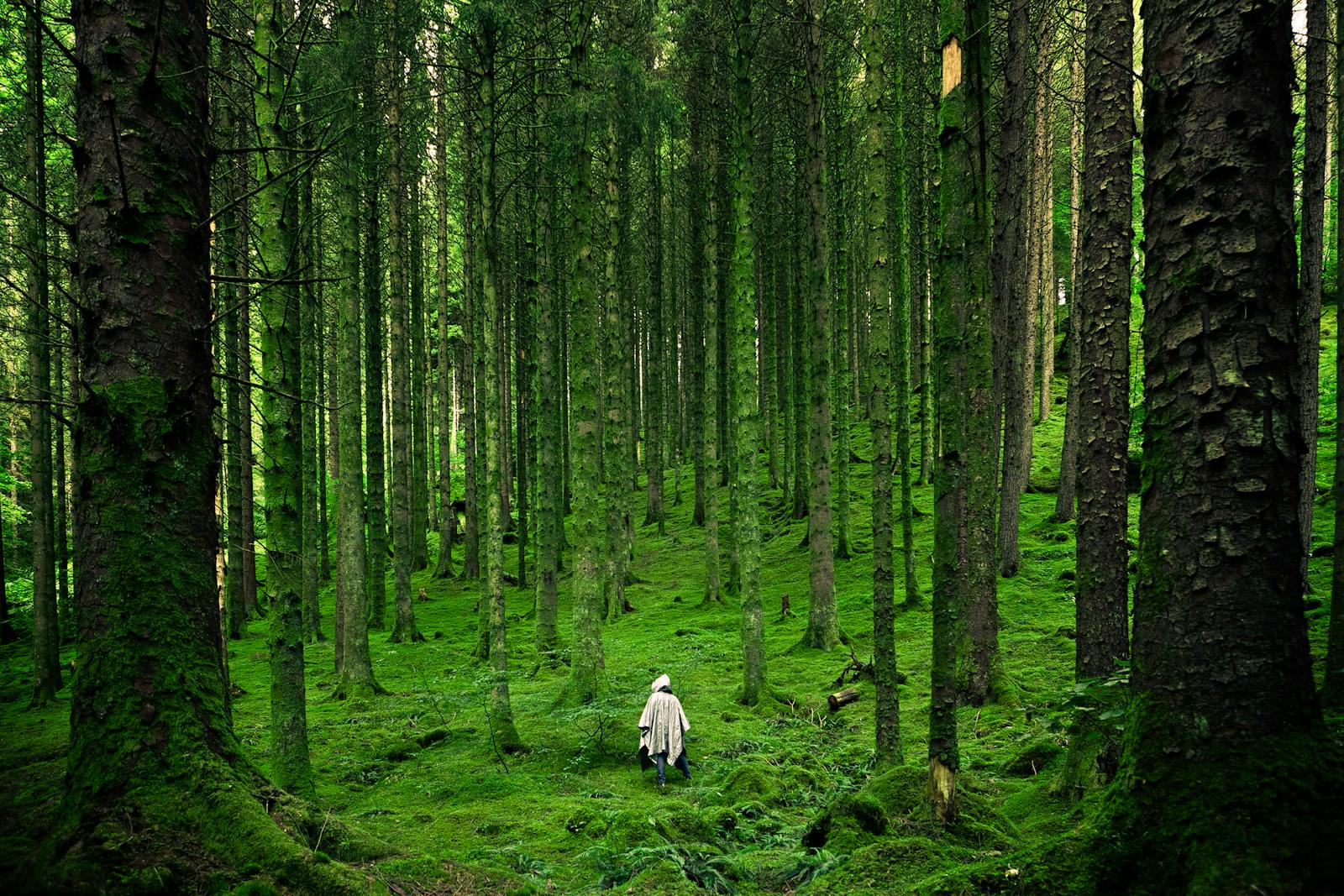
Over the past decade, research in psychology, public health, and neuroscience has explored how green and blue spaces—parks, forests, and bodies of water—affect our minds and bodies. While studies are ongoing, several patterns have emerged.
- Improved mood and reduced stress.
Multiple studies have found that spending time in nature can lower self-reported stress, anxiety, and depressive symptoms. Some research has also observed reductions in physiological markers of stress, such as heart rate and blood pressure, after walks in green spaces compared with urban streets. - Support for attention and memory.
Attention Restoration Theory suggests that natural environments gently engage our attention without overwhelming it, giving the brain a chance to “refuel.” Experiments have shown that short walks in parks can improve performance on tasks that require focus and working memory compared with similar walks in busy city areas. - Potential impact on rumination.
Some studies have observed that walking in natural settings may reduce activity in brain regions linked to repetitive negative thinking, which is a risk factor for depression. This doesn’t mean nature cures depression, but it may support the psychological work you do in therapy. - Movement plus nature may enhance benefits.
Gentle physical activity like walking is itself associated with better mood and lower anxiety. When combined with a natural environment and therapeutic support, these factors may work together in a helpful way for some people.
It’s important to note that most of this research looks at nature exposure or walking in general—not therapy specifically. Still, the emerging evidence gives a reasonable basis for therapists to thoughtfully integrate outdoor settings into established, evidence-based treatments.
Potential Benefits of Taking Therapy Outside
Outdoor sessions are not a magic fix, but many clients and clinicians report meaningful advantages when the setting is a good fit.
- Feeling less “on the spot.” Walking side by side can make difficult conversations feel less intense than sitting face-to-face in a small room.
- Reduced physical restlessness. If you find it hard to sit still or concentrate indoors, gentle movement may make it easier to stay engaged in the session.
- Built-in grounding strategies. Noticing the feel of the ground under your feet, the sound of leaves, or the temperature of the air can support mindfulness and help during moments of distress.
- Time-efficient self-care. For busy people, combining therapy with a walk might make it easier to prioritize both mental health and light physical activity.
- Different perspectives—literally and figuratively. Being in a larger, open environment can sometimes help people feel less “stuck” with their thoughts, supporting reflection and creativity.
“One client who struggled with social anxiety told me that discussing her fears while actually passing other walkers in the park felt like a real-time exposure exercise—challenging, but empowering.”
— Psychologist, Ecotherapy Practitioner
Real-World Drawbacks and Challenges of Outdoor Therapy
For all its appeal, outdoor therapy isn’t ideal for everyone or every session. Thoughtful therapists take time to discuss the trade-offs with you before suggesting a change of setting.
- Privacy concerns. You may pass neighbors, coworkers, or acquaintances. Even if you and your therapist use neutral language, this can feel risky or uncomfortable.
- Noise and distractions. Traffic, other walkers, dogs, and weather can interrupt your focus, especially when discussing sensitive topics.
- Accessibility and mobility. Outdoor settings may not be accessible for people who use wheelchairs, have chronic pain, or fatigue easily—though some therapists choose fully accessible routes.
- Weather and air quality. Heat, cold, rain, and pollution can all affect whether it’s safe or practical to be outside, leading to last-minute changes.
- Clinical appropriateness. For some types of trauma work or crises, a private office may be safer and more containing than a public space.
Who Might Benefit Most from Outdoor Therapy?
There’s no single “type” of person who thrives with outdoor sessions, but certain patterns show up in clinical practice and early research.
- People who feel stuck or anxious in traditional settings. If sitting across from someone in a small room makes you clam up, walking side by side may ease pressure.
- Those managing mild to moderate anxiety or depression. Combining light movement and nature exposure with therapy may provide a modest boost for some individuals.
- Clients who are already active or want to be. If you value physical activity but struggle to find time, walk-and-talk sessions can align with your existing habits.
- People who feel emotionally connected to nature. If the outdoors is already a source of comfort or meaning for you, integrating it into therapy may feel natural.
At the same time, some individuals—such as those with significant sensory sensitivities, fear of public spaces, or strong privacy needs—may find outdoor therapy more stressful than helpful.
A Case Example: From Office Sessions to the Park Path
Consider a composite example based on several clients’ experiences:
“Maya,” a 38-year-old professional, started therapy for work-related stress and low mood. She spent most days staring at screens and found it hard to open up in the quiet of her therapist’s office. After a few months of steady progress but lingering resistance, her therapist suggested trying an outdoor session in a nearby park.
On their first walk-and-talk appointment, Maya noticed that moving made it easier to talk through emotions that usually felt stuck. When she became tearful, she felt less self-conscious looking at the trees instead of directly at her therapist. Over time, they alternated between indoor and outdoor sessions—using the office for deeper trauma-related work and the park for problem-solving, stress management, and building routines that included short, restorative walks between meetings.
Maya didn’t “cure” her stress by going outside, but she did report feeling more engaged in therapy and more capable of applying coping tools in daily life. Her therapist, meanwhile, could see how the environment itself supported the work they were already doing.
How to Decide If Outdoor Therapy Is Right for You
If you’re curious about meeting your therapist outdoors—or finding someone who offers this option—these steps can help you make an informed, safe choice.
- Reflect on your comfort level.
Ask yourself:- Would walking while talking feel calming or distracting?
- How would I feel if I saw someone I know?
- Do I have any mobility or health issues that might make outdoor sessions difficult?
- Discuss the idea with your current therapist.
Many clinicians are open to experimenting, even if they haven’t done outdoor sessions before. A good therapist will:- Talk through benefits and risks with you.
- Consider how outdoor sessions fit your treatment plan.
- Be clear that you can always return to indoor sessions.
- Ask key safety and privacy questions.
For example:- What route or location will we use, and why?
- How will we handle seeing someone I know—or someone you know?
- What topics, if any, should we save for indoor sessions?
- What is the backup plan for bad weather or poor air quality?
- Start with a trial session.
You don’t have to commit. Try one or two outdoor appointments, then honestly evaluate:- Did I feel more or less able to focus?
- Did I feel emotionally safe?
- How did I feel later that day or week?
Indoor vs. Outdoor Sessions: A Side-by-Side Comparison
Every setting has trade-offs. Thinking in terms of “before and after” can clarify what might actually change if you move outdoors.

Typical Indoor Session
- High level of privacy and sound control.
- Stable, predictable environment.
- Easier to use visual tools (whiteboards, worksheets).
- May feel intense or confined for some people.
Outdoor / Walk-and-Talk Session
- Potentially more relaxed, less formal feel.
- Built-in exposure to nature and gentle movement.
- More risk of interruptions and passersby.
- Weather and accessibility need ongoing planning.
What Do Experts Recommend About Outdoor Therapy?
Professional organizations and experienced clinicians generally emphasize two themes: ethical practice and informed choice.
- Ethics and confidentiality first. Therapists are encouraged to conduct careful risk–benefit analyses, obtain informed consent, and choose routes or locations that minimize identifiable conversations.
- Training matters. Many clinicians pursue additional education in nature-based or outdoor therapy to better understand safety, boundaries, and how to adapt interventions outside the office.
- Client collaboration. You should be an active partner in deciding whether outdoor sessions happen, how often, and under what conditions.
- No one-size-fits-all. Experts highlight that outdoor therapy is one option among many—not a superior approach for every person or every issue.
If a therapist seems to minimize privacy concerns or pushes outdoor sessions despite your hesitation, that’s a signal to slow down and reassess.
How to Find a Therapist Who Offers Outdoor Sessions
Not every therapist works outdoors, but the number who do is growing, especially in areas with accessible parks and mild climates.
- Search therapy directories. Many online directories allow you to filter for terms like “walk-and-talk,” “outdoor therapy,” “nature-based therapy,” or “ecotherapy.”
- Check therapist websites. Clinicians who offer outdoor sessions usually explain their approach, locations, and policies on their site.
- Ask directly. If you already have a therapist, you can ask whether they’ve considered outdoor sessions or would be open to exploring them with you.
- Verify credentials. Whether indoors or outdoors, your therapist should be appropriately licensed in your region and trained in evidence-based approaches for your concerns.
Moving Forward: Bringing Therapy and Nature Together—On Your Terms
Outdoor therapy sits at the intersection of something very old—our deep connection to nature—and something more modern: structured, evidence-based mental health care. For some people, walking and talking under open skies makes it easier to be honest, feel grounded, and carry therapeutic insights into everyday life. For others, the privacy and containment of a traditional office remain essential.
You don’t have to choose one forever. You can experiment, adapt, and return to what works best at different seasons of your life—both literally and figuratively. The most important thing is that you feel safe enough and supported enough to do the real work of therapy, whether you’re on a park path, a video call, or a familiar office couch.
If you’re curious, bring it up at your next session: “Would it ever make sense for us to try meeting outside?” From there, you and your therapist can decide together whether taking your next step—quite literally—into the outdoors fits your goals and your wellbeing.
