
Are GLP-1 Weight-Loss Shots Stealing Your Vitamins? What You Need to Know About Scurvy and Nutrient Gaps
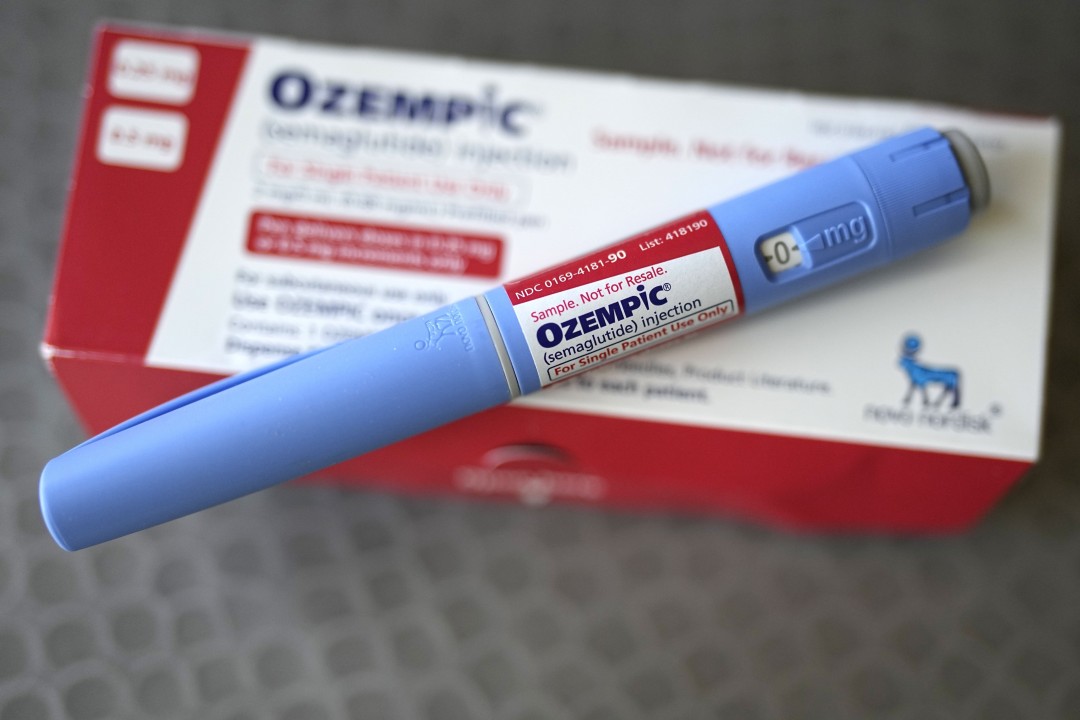
If you’re using a GLP-1 medication like Ozempic, Wegovy, Mounjaro, or Zepbound, you’ve probably heard incredible stories of weight loss—and maybe some worrying whispers about scurvy and vitamin deficiencies. The idea that a modern prescription could leave you with a disease usually associated with 18th‑century sailors sounds dramatic, but there are real nutrition questions worth taking seriously.
Recently, clinicians and health news outlets have reported rare cases of scurvy and other nutrient gaps in people whose appetite dropped so sharply on GLP‑1 drugs that they struggled to eat enough food—especially vitamin‑rich fruits and vegetables. The research is still emerging, and we don’t yet have large, long‑term diet studies in GLP‑1 users, but we know enough to put some practical guardrails in place.
This guide walks you through what’s actually happening, who’s most at risk, and step‑by‑step ways to protect your nutritional health without giving up the benefits of your medication.
Why Are GLP‑1 Users Hearing About Scurvy All of a Sudden?
GLP‑1 agonists (like semaglutide in Ozempic and Wegovy, or tirzepatide in Mounjaro and Zepbound) work by:
- Slowing how fast your stomach empties
- Reducing hunger signals in the brain
- Helping stabilize blood sugar levels
For many people, this means they feel full with much smaller portions, sometimes just a few bites. While this can support weight loss and blood sugar control, it also means:
- Total daily calories often plummet, especially early on
- Meals may become irregular or skipped altogether
- “Easy” foods—crackers, toast, soups—may replace produce‑rich meals when nausea hits
If that pattern continues for weeks to months, vitamin and mineral intake can slip below what your body needs, particularly for nutrients like vitamin C that depend heavily on regular fruit and vegetable consumption.
“We’re not seeing GLP‑1 drugs directly causing scurvy. We’re seeing people eat so little—especially so few fruits and vegetables—that they become vulnerable to classic deficiency diseases again.”
— Internal medicine specialist commenting on recent GLP‑1 cases
What Exactly Is Scurvy—and Could It Really Happen to You?
Scurvy is a severe vitamin C deficiency. Vitamin C (ascorbic acid) is essential for:
- Collagen production for healthy skin, blood vessels, and gums
- Wound healing
- Supporting the immune system
- Helping the body absorb iron from plant foods
Because our bodies cannot make or store large amounts of vitamin C, we need small, regular doses from food. Scurvy typically develops after at least 1–3 months of very low vitamin C intake.
Early warning signs of vitamin C deficiency
- Fatigue and weakness
- Easy bruising
- Gum tenderness or bleeding
- Rough, dry, or bumpy skin
- Slow wound healing
More advanced scurvy symptoms
- Swollen, bleeding gums and loose teeth
- Small red or purple spots on the skin (petechiae)
- Joint pain or swelling
- Severe fatigue and anemia
Documented scurvy cases among GLP‑1 users are still rare, but they are a real wake‑up call—especially for people who already had a limited diet before starting these medications.
Who Is Most at Risk of Vitamin Deficiencies on GLP‑1 Drugs?
Not everyone on GLP‑1 therapy will struggle with nutrition. Risk is highest when several factors stack together:
- Very low appetite and intake
If you’re routinely:- Eating fewer than 800–1,000 calories per day for weeks
- Skipping entire meals because you “forget” to eat
- Relying on a few “safe” foods due to nausea
- Pre‑existing restrictive eating patterns
Examples include:- Very picky eating or strong texture/food aversions
- History of eating disorders
- Food insecurity or limited access to fresh foods
- Other conditions affecting absorption
Such as:- Prior bariatric surgery (gastric bypass, sleeve, etc.)
- Inflammatory bowel disease or celiac disease
- Chronic alcohol misuse
- Long‑term medication use without monitoring
Staying on GLP‑1 therapy for years with:- No nutritional counseling
- No periodic lab work for key vitamins and minerals
“When someone tells me they’ve lost their appetite completely on a GLP‑1, my next question is always: ‘Okay, how many actual servings of fruits and vegetables are you still getting most days?’”
— Registered dietitian working with GLP‑1 patients
It’s Not Just Vitamin C: Other Nutrients to Watch on GLP‑1 Medications
While scurvy grabs headlines, clinicians are also watching for deficiencies in several other nutrients when calorie intake is very low:
- Protein – crucial for muscle mass, healing, immune function.
Red flag: significant strength loss, hair thinning, slower recovery from illness or surgery. - Iron – especially in people who menstruate or don’t eat much red meat.
Red flag: fatigue, shortness of breath, pale skin, frequent headaches. - Vitamin B12 and folate – important for nerves and red blood cells.
Red flag: numbness or tingling, memory issues, anemia. - Vitamin D and calcium – essential for bone health, especially with long‑term weight loss.
Red flag: bone pain, frequent fractures (often silent until a break happens). - Magnesium, zinc, and others – can be low if overall diet quality is poor.
How to Protect Your Nutrition While Using GLP‑1 Medications
You don’t need to eat huge plates of food to stay healthy on a GLP‑1. The goal is smaller portions, higher nutrition density, and a bit of structure.
1. Build a “Minimum Nutrition Plan” with your care team
Sit down with your prescriber or a dietitian and identify realistic daily minimums, such as:
- At least 2–3 small protein servings (e.g., eggs, Greek yogurt, tofu, beans, fish)
- At least 2 small servings of fruit or vegetables—preferably including a vitamin C–rich choice
- Fluids: typically 6–8 glasses of water or unsweetened beverages, adjusted for your needs
2. Prioritize “tiny but mighty” vitamin C sources
If your stomach space is limited, concentrate on small foods with big vitamin C impact:
- ½ cup orange juice or a small clementine
- ½ cup strawberries or kiwi slices
- A few strips of red or yellow bell pepper
- Broccoli or Brussels sprouts with dinner
Even one of these per day can dramatically reduce scurvy risk.
3. Consider supplements—but not as a solo strategy
Many people on GLP‑1 medications benefit from a:
- Daily multivitamin with minerals
- Additional vitamin D and calcium if levels are low
- Targeted supplements (B12, iron, or vitamin C) if deficiencies are documented
Always clear supplements with your clinician to avoid interactions or overdosing. Supplements can fill gaps, but they don’t fully replace the benefits of intact foods like fiber, phytonutrients, and protein.
4. Eat by the clock when hunger is unreliable
Many GLP‑1 users say they “never feel hungry” and simply forget to eat. In that case, use structure rather than appetite:
- Plan 3 small meals or 2 meals + 1–2 protein‑rich snacks.
- Set phone reminders at gentle intervals (e.g., 8am, 1pm, 6pm).
- At each reminder, aim for at least a few bites of protein plus a fruit/vegetable if you can tolerate it.
5. Work with side effects, not against them
If nausea, reflux, or early fullness are limiting your intake, talk with your prescriber about:
- Adjusting your GLP‑1 dose or pacing titration more slowly
- Using anti‑nausea strategies or medications temporarily
- Choosing softer, lower‑fat, nutrient‑dense foods that are easier to tolerate
A Real‑World Example: From “I Never Eat” to “I Eat Enough”
A 42‑year‑old woman (we’ll call her Maria) started a GLP‑1 medication for diabetes and weight management. Within two months, she had lost 26 pounds—but she also:
- Skipped breakfast daily
- Picked at crackers or soup for lunch
- Could only manage a few bites of dinner
- Noticed she bruised more easily and felt unusually tired
Her clinician ordered labs, which showed low vitamin D and borderline low iron. Together with a dietitian, they created a “minimum plan”:
- Half a protein shake and a clementine in the morning.
- Greek yogurt with berries or cottage cheese with pineapple at lunch.
- A few ounces of chicken or beans plus some cooked vegetables at dinner.
- A daily multivitamin and vitamin D supplement.
She stayed on her GLP‑1, but her dose was held steady rather than increased. Within a couple of months, her energy improved, bruising lessened, and her weight loss slowed to a healthier, more sustainable pace—without tipping into deficiency.

Common Obstacles—and How to Overcome Them
“I’m just not hungry. Forcing myself to eat feels wrong.”
It can feel counterintuitive to eat while taking a medication that suppresses appetite, especially if you’ve struggled with overeating in the past. But nourishment isn’t the same as overeating.
- Reframe meals as “fuel and maintenance,” not a test of willpower.
- Start with 3–4 bites of nutrient‑dense foods, not a full plate.
- Use liquid or semi‑solid options (smoothies, soups) on days when solids feel tough.
“Healthy foods don’t sound appealing right now.”
Taste and cravings can shift on GLP‑1 therapy. Many people report a preference for bland foods.
- Lean into what does sound okay—then quietly upgrade it. For example, add fruit to the yogurt you already tolerate or vegetables to the soup you like.
- Try mild‑flavored vitamin C sources like peeled kiwi, melon, or lightly steamed broccoli.
- Experiment with temperature; some find cold fruit or warm stews easier than room‑temperature meals.
“I’m overwhelmed by all the rules.”
When you’re juggling blood sugar goals, weight changes, side effects, and now vitamins, it can feel like too much. Focus on a few key anchors:
- Two protein servings per day.
- One vitamin C–rich food per day.
- Take your agreed‑upon supplement(s) most days.
Before and After: A Better Way to Think About GLP‑1 Success
It’s natural to measure GLP‑1 success in pounds lost. But a more complete picture includes energy, labs, and long‑term health.
| Focus | Old Way | Updated, Health‑Centered Way |
|---|---|---|
| Weight | “The faster the loss, the better.” | “Steady loss while staying nourished.” |
| Food intake | “Less is always better.” | “Enough high‑quality food to meet my body’s needs.” |
| Labs | “I’ll check them if I feel really bad.” | “Regular monitoring to catch problems early.” |
| Outcome | Rapid weight loss with possible deficiencies. | Sustainable weight changes, stable energy, protected health. |

When to Call Your Healthcare Provider Immediately
Contact your clinician promptly if you’re on a GLP‑1 medication and notice:
- Swollen, bleeding gums or loosening teeth
- Unexplained bruising or tiny red/purple skin spots
- Severe fatigue that’s new or worsening
- Unintentional intake under ~800 calories per day for more than a week
- Persistent vomiting, inability to keep food down, or signs of dehydration
- Numbness, tingling, or changes in balance or memory
These symptoms do not automatically mean you have scurvy or a specific deficiency, but they are important warning signs that deserve evaluation.
Moving Forward: Pair Your GLP‑1 Plan with a Nutrition Safety Net
GLP‑1 medications can be powerful tools for diabetes management and weight loss. The emerging reports of scurvy and other deficiencies don’t mean these drugs are “bad” or that you should stop them on your own—they mean we need to be smarter and more proactive about nutrition while using them.
You deserve a plan that helps you feel better now and protects your health years from now. That plan almost always includes:
- Regular, honest check‑ins with your prescribing clinician
- Support from a registered dietitian, if available
- Simple daily habits that keep key nutrients—especially vitamin C, protein, and vitamin D—on your plate
If you’re unsure whether you’re getting enough vitamins and minerals on your GLP‑1 medication, bring it up at your next appointment. You might say:
“My appetite is much lower on this medication, and I’ve heard about people developing vitamin deficiencies. Can we review my diet and consider labs or a nutrition referral to make sure I’m staying healthy?”
That single question can open the door to a safer, more confident experience with your GLP‑1 therapy—no 18th‑century sea voyage required.
Evidence and Further Reading
For those who want to dive deeper into the science and clinical guidance around GLP‑1 medications and nutrition:
- National Library of Medicine (PubMed) – Research on GLP‑1 agonists, weight loss, and nutritional status
- U.S. Centers for Disease Control and Prevention – General nutrition and micronutrient information
- National Institute of Diabetes and Digestive and Kidney Diseases – Information on diabetes medications and weight management
As new research on GLP‑1 drugs and dietary intake emerges over the next few years, expect guidelines to evolve. Staying in regular conversation with your healthcare team is the best way to keep your plan current and safe.
