
5 Long-Life Eating Patterns: Healthy Diets That May Add Extra Years to Your Life
Five Healthy Diets That May Add Extra Years to Your Life
If you've ever wondered whether your daily food choices really matter for how long—and how well—you live, you're not alone. The old saying “you are what you eat” has finally met its data-driven match. A new analysis published in Science Advances looked at how specific eating patterns are linked to life expectancy and suggests that several well-known “healthy diets” could meaningfully extend lifespan when followed over the long term.
In this article, we'll unpack the five healthy diet patterns associated with longevity, what they share in common, the realistic amount of extra life they may offer, and—most importantly—how to adapt them to your real life without perfectionism or extreme rules.

Before we dive in, a quick reality check: no diet can guarantee you extra years, and genetics, environment, sleep, movement, stress, and access to healthcare all play major roles. Think of these patterns as evidence-based ways to stack the odds a bit more in your favor—not as magic solutions.
What the New Longevity Diet Study Actually Found
The Science Advances study used large population datasets to estimate how changing from a typical Western diet to various healthy eating patterns might influence life expectancy. Instead of focusing on individual “superfoods,” researchers analyzed whole dietary patterns and followed people over time to see who lived longer and with fewer chronic diseases.
Key takeaways in simple terms
- Several different healthy diet patterns were linked to lower risk of early death and potentially extra years of life when adopted in early or mid-adulthood.
- The biggest benefits came from people who moved away from a heavily processed, high-sugar, high-red-meat diet toward more plant-forward, minimally processed eating.
- You don’t need to follow one “perfect” diet. Multiple patterns—Mediterranean, plant-based, DASH, and others—showed similar benefits when they emphasized the same core principles.
- The impact is gradual and cumulative: benefits build over years, not weeks.
“Dietary patterns rich in whole plant foods and low in ultra-processed items are consistently associated with longer life expectancy in diverse populations.”
— Summary of findings from recent longevity nutrition research
The Five Healthy Diet Patterns Linked to Longer Life
Different studies group eating patterns in slightly different ways, but based on the Science Advances analysis and overlapping evidence from other large cohorts (such as the Nurses’ Health Study and Health Professionals Follow-up Study), five broad diet patterns consistently emerge as “longevity-friendly”:
- Mediterranean diet – rich in olive oil, vegetables, legumes, whole grains, nuts, and fish.
- Plant-forward or flexitarian diet – mostly plants, with modest amounts of animal products.
- Healthy plant-based or vegetarian diet – centered on whole plant foods, minimizing processed foods.
- DASH diet (Dietary Approaches to Stop Hypertension) – emphasizes fruits, vegetables, low-fat dairy, and limits sodium.
- Nordic or “whole foods” pattern – focuses on whole grains, root vegetables, berries, and rapeseed (canola) oil, similar in spirit to Mediterranean but with Northern European foods.
Despite different names and cultural flavors, these diets share the same backbone: more whole plant foods, fewer ultra-processed products, moderate portions, and an overall eating pattern you can stick with.
1. Mediterranean Diet: Heart-Friendly and Flexible
The Mediterranean diet is one of the most studied eating patterns in the world. It’s based on traditional eating in countries bordering the Mediterranean Sea, such as Greece, Italy, and Spain. Large studies have linked it to lower risk of heart disease, type 2 diabetes, certain cancers, and overall mortality.
Core features
- Plenty of vegetables, fruits, legumes, nuts, and seeds.
- Whole grains (like barley, oats, farro, whole-wheat bread).
- Olive oil as the main added fat.
- Frequent fish and seafood; modest poultry, eggs, and dairy.
- Limited red and processed meats; sweets are occasional.
How to start this week
- Swap your oil: Use extra-virgin olive oil instead of butter or margarine for most cooking and dressings.
- Go “half plate” with plants: Aim for half your plate to be vegetables at lunch and dinner.
- One fish night: Schedule fish (like salmon, sardines, trout, or cod) at least once a week, building up to two.
- Nuts for snacks: Replace chips or cookies with a small handful of unsalted nuts and a piece of fruit.
2. Plant-Forward & Flexitarian Diets: Mostly Plants, Not All-or-Nothing
Plant-forward or flexitarian diets put plants at the center of the plate while still allowing moderate amounts of meat, dairy, and eggs. In the longevity research, people eating this way—especially when they chose whole, minimally processed plant foods—tended to live longer and have fewer chronic diseases.
Why “mostly plants” helps
- Higher fiber intake supports gut health, blood sugar control, and cholesterol levels.
- More vitamins, minerals, and antioxidants from colorful produce.
- Often lower in saturated fat and ultra-processed ingredients compared with typical Western diets.
Simple flexitarian shifts
- Meat as a side, not the star: Use smaller portions of meat and bulk up meals with beans, lentils, or extra vegetables.
- One plant-based meal per day: Try oatmeal with fruit, a bean-and-veggie burrito, or a tofu stir-fry.
- Build a “rotation”: Have 2–3 go-to plant-rich dinners each week so you’re not starting from scratch.
“You don’t need to be vegan to get longevity benefits. Shifting the balance toward plants and away from heavily processed meats appears to offer many of the same advantages.”
— Registered Dietitian specializing in cardiometabolic health
3. Healthy Plant-Based or Vegetarian Diets: Not All Veggie Diets Are Equal
The study, along with related research, makes an important distinction: vegetarian or vegan diets that emphasize whole, minimally processed foods are linked with better longevity markers; plant-based diets high in refined grains, sugary drinks, and ultra-processed snacks are not.
What counts as a “healthy” plant-based diet
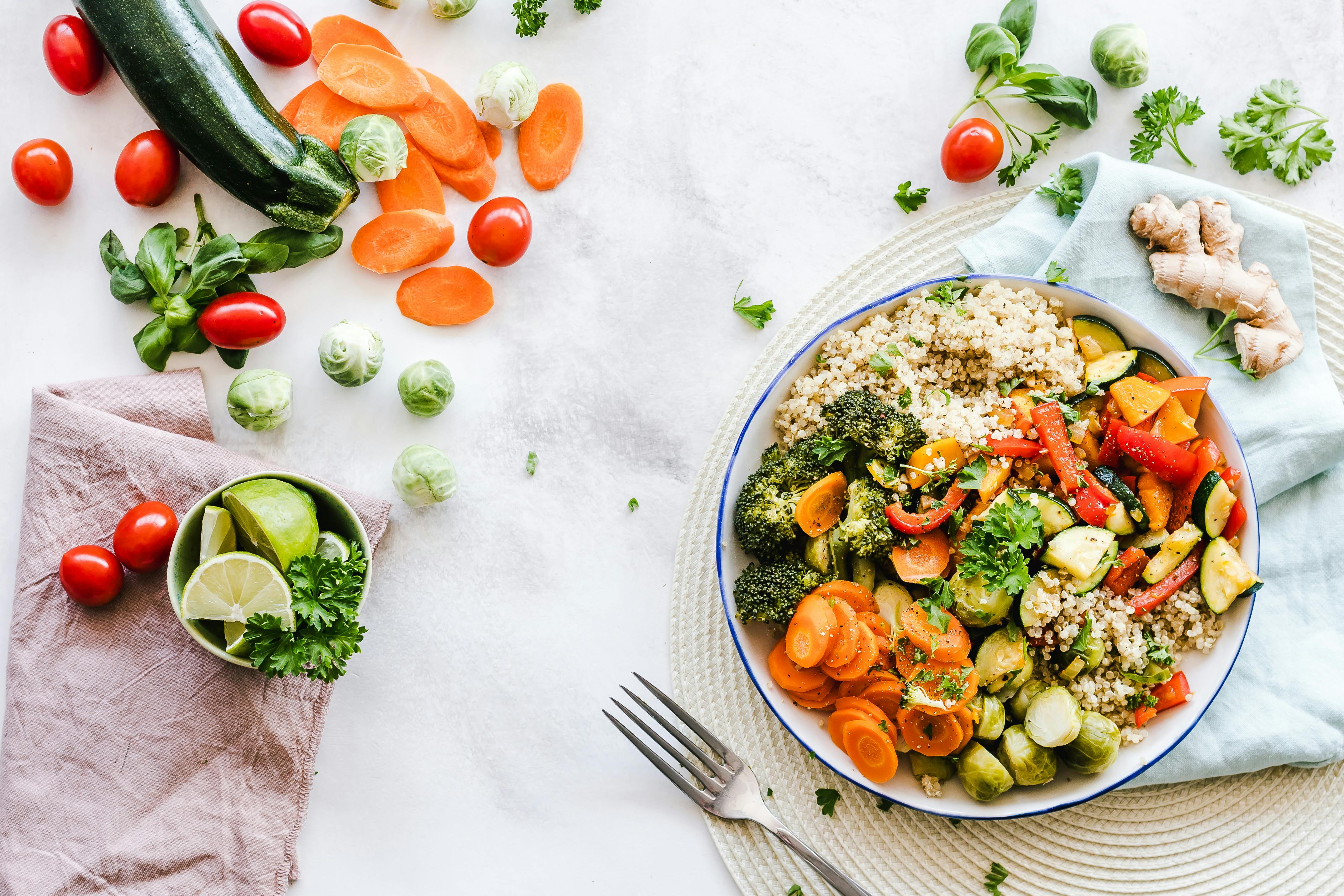
- Whole grains (brown rice, oats, quinoa, whole wheat), not just white bread and pastries.
- Beans, lentils, peas, tofu, and tempeh as main protein sources.
- Lots of vegetables and fruits, aiming for variety and color.
- Nuts and seeds for healthy fats and protein.
- Limited ultra-processed meat substitutes and sugary snacks.
Nutrients to keep an eye on
Fully plant-based eaters can thrive, but need to be deliberate about certain nutrients:
- Vitamin B12 – usually requires fortified foods or a supplement.
- Iron and zinc – choose beans, lentils, pumpkin seeds, and fortified cereals.
- Omega-3 fats – from flaxseeds, chia seeds, walnuts, or algae-based supplements.
- Calcium and vitamin D – from fortified plant milks, tofu processed with calcium sulfate, or supplements if needed.
4. DASH Diet: Eating to Protect Blood Pressure and the Brain
Originally designed to treat high blood pressure, the DASH (Dietary Approaches to Stop Hypertension) diet also shows up in longevity research. High blood pressure is a major risk factor for heart disease, stroke, and dementia, so a diet that supports healthy blood pressure can pay long-term dividends.
Core components of DASH
- High intake of fruits and vegetables.
- Low-fat dairy products in moderate amounts.
- Whole grains, beans, nuts, and seeds.
- Limited sodium, sugary drinks, sweets, and red/processed meats.
Easy ways to be more DASH-like
- Choose low-sodium or no-salt-added versions of canned beans, tomatoes, and broths when possible.
- Flavor with herbs, citrus, garlic, and spices instead of automatically reaching for the salt shaker.
- Include a fruit or vegetable at every meal and most snacks.
- Gradually cut back on processed meats (like bacon, sausage, deli meats) and use poultry, fish, or beans instead.
5. Nordic & Whole-Foods Patterns: Local Longevity Eating
The Nordic diet emerged from Scandinavian countries and is tailored to their traditional foods—think oats, rye bread, root vegetables, berries, and rapeseed (canola) oil. When researchers examined it alongside Mediterranean-style and other whole-food patterns, it often showed similar benefits for weight, cholesterol, blood sugar, and mortality risk.
Typical Nordic / whole-food pattern
- Whole grains like rye, barley, and oats.
- Root vegetables (carrots, beets, potatoes), cabbages, and hardy greens.
- Berries and apples as main fruits.
- Legumes, nuts, and seeds; fish and low-fat dairy in moderation.
- Rapeseed (canola) or similar unsaturated oils instead of butter.
The big lesson from the Nordic diet is that you don’t have to import exotic foods to eat for longevity. You can build a “Mediterranean-like” or “Nordic-like” pattern using whatever wholesome foods are affordable and familiar where you live.
The Common Denominator: What Long-Life Diets Share
Although the five diets differ in detail, they overlap so much that many researchers talk about a single underlying pattern of “healthy longevity eating.”
Shared features of longevity diets
- High in: vegetables, fruits, whole grains, beans, lentils, nuts, seeds, and mostly unsaturated fats.
- Moderate in: fish, poultry, eggs, and dairy (or fortified plant alternatives).
- Low in: red and processed meats, added sugars, refined grains, and ultra-processed snacks.
- Balanced portions: enough calories to maintain a healthy weight without chronic overeating.

This is empowering news: you don’t have to obsess over labels as long as you consistently move in this general direction.
How Many Extra Years Could These Diets Add?
The Science Advances paper and similar analyses use modeling to estimate how changing dietary patterns might affect life expectancy. While exact numbers vary by age, sex, and baseline health, some general patterns emerged:
- People who shifted from a typical Western diet to a healthy longevity pattern in early adulthood could, on average, gain several additional years of life expectancy.
- Even changes made in midlife or later were associated with meaningful reductions in the risk of early death.
- The benefits were larger for those with higher baseline risk (for example, smokers or people with cardiovascular risk factors), but improvements appeared across many groups.
These numbers are estimates, not guarantees. Think of them like averages on a weather forecast: eating this way nudges probabilities in your favor, but doesn’t remove all risk. Still, when combined with other habits—like moving your body, not smoking, getting enough sleep, and managing stress—the potential gains become significant.
Real-Life Obstacles: Time, Budget, Cravings, and Family
Knowing what to eat is only half the story. Most people struggle with how to eat this way consistently in the middle of work, stress, limited budgets, and family preferences. Here are some common challenges and realistic ways to navigate them.
1. “Healthy eating is too expensive.”
- Rely on budget-friendly staples like beans, lentils, oats, brown rice, frozen vegetables, and in-season produce.
- Use frozen fruits and vegetables—they’re usually as nutritious as fresh and often cheaper.
- Buy nuts, seeds, and whole grains in bulk where possible.
2. “I don’t have time to cook.”
- Meal-prep one or two key items (like a pot of beans or a grain) each week to mix and match.
- Use healthy convenience foods: prewashed salad greens, rotisserie chicken (if you eat meat), or pre-cut vegetables.
- Keep 10–15-minute meals in your rotation: omelet with veggies, bean quesadillas, stir-fries.
3. “My family isn’t on board.”
- Make familiar meals slightly healthier (more vegetables, less fried food) rather than announcing a “diet overhaul.”
- Serve sauces and toppings on the side so each person can adjust to taste.
- Introduce one new recipe at a time and ask for honest feedback.
“In clinic, I’ve seen patients lower their blood pressure and cholesterol, sleep better, and feel more energetic by making small but steady changes toward a Mediterranean or DASH-style diet. It’s rarely about perfection—it’s about what you do most of the time.”
— Primary care physician, case reflections (identifying details changed)
A 7-Step Starter Plan for a Longevity-Friendly Diet
To translate the research into something you can actually follow, use this stepwise approach. You don’t have to do everything at once—each step moves you closer to the evidence-based patterns linked with longer, healthier life.
- Take inventory for one week. Without judgment, jot down what you typically eat. Notice your vegetables, ultra-processed foods, and sugary drinks.
- Pick one pattern to loosely follow. For example, aim “Mediterranean-ish” or “DASH-ish.” This provides a template without rigid rules.
- Add before you subtract. Start by adding vegetables, fruits, and whole grains rather than focusing on restriction. Full plates make it easier to let go of less healthy options later.
- Upgrade your fats. Use olive, canola, or other unsaturated oils in place of butter and shortening when you can.
- Shift protein sources. Gradually move from processed meats toward fish, beans, lentils, tofu, and poultry.
- Guard your beverages. Replace sugary drinks with water, sparkling water, tea, or coffee (without heavy sugar) most of the time.
- Check in every month. Ask yourself: What feels easier now? What one new change am I ready to try? Adjust your plan rather than giving up.
Bringing It All Together: Eating Today for Tomorrow’s You
The emerging research—including the recent Science Advances analysis—doesn’t point to a single “perfect” longevity diet. Instead, it tells a consistent story: people who eat mostly whole, minimally processed plant foods, with sensible amounts of protein and healthy fats, tend to live longer and spend more years free from serious disease.
You don’t need to overhaul your life overnight. Start with one or two small shifts that feel doable, build confidence, and then layer on more changes as they become routine. Every plate is a chance to cast a vote for the future you want—more energy, more resilience, and, potentially, more time.
Your next step: choose one meal this week—just one—and make it a little more Mediterranean, plant-forward, or DASH-like. Then notice how you feel, and build from there.
