
Why Streaming Feels Broken: Fragmentation, Creator Economies, and the Future of Online Media
This article unpacks how subscription fatigue, short-form video, creator monetization tools, and shifting platform policies are colliding to redefine the future of online media—and what it means for viewers, listeners, and the creator economy.
The media world is in the middle of a structural reset. Subscription-based streaming giants, short-form video platforms, podcasts, live streaming, and direct creator monetization tools now overlap in a crowded ecosystem that looks very different from the “one or two streaming apps” era of the late 2010s. What some call “streaming fragmentation” is not just an annoyance for viewers; it is changing how culture is made, funded, and discovered.

Tech and culture outlets such as The Verge, Wired, and TechCrunch now track streaming price hikes, ad tiers, and licensing deals with the same intensity that financial media tracks interest rates. At the same time, creators are learning to treat TikTok, YouTube Shorts, and Instagram Reels as discovery engines that feed deeper, more sustainable revenue streams across YouTube, Patreon, subscriptions, and direct fan payments.
“We’re living through a great unbundling and rebundling of media. The bundle didn’t disappear—it just moved to your home screen.”
— Adapted from ongoing analysis in tech and media strategy circles
Mission Overview: How Streaming Fragmentation Reshaped Online Media
The “mission” of today’s media ecosystem is no longer only to deliver TV shows and songs on demand. Instead, platforms are competing to:
- Capture attention across formats (video, audio, text, interactive).
- Control discovery via algorithms and recommendations.
- Own the monetization layer between audiences and creators.
- Aggregate enough content to justify recurring payments.
The result is fragmentation across three dimensions:
- Service fragmentation – Dozens of streaming video and audio apps, each with partial catalogs.
- Format fragmentation – Short-form clips, long-form episodes, livestreams, and podcasts all compete for time.
- Monetization fragmentation – Ads, subscriptions, tipping, merch, NFTs (largely cooled off), affiliate links, and brand deals coexist in complex mixes.
For consumers, this manifests as subscription fatigue and rising bills. For creators, it manifests as income volatility and dependence on changing platform rules.
Technology: The Infrastructure Behind Fragmentation and Creator Economies
Under the surface, a stack of technologies enables this fragmented-but-interconnected landscape. Key layers include:
1. Content Delivery and Streaming Protocols
Modern streaming relies on adaptive bitrate protocols such as HLS and MPEG-DASH, content delivery networks (CDNs), and edge caching. These allow Netflix, Disney+, YouTube, and others to serve billions of hours of video with acceptable latency and quality on everything from 4K TVs to budget smartphones.
Technical discussions on forums like Hacker News often dissect:
- Bandwidth costs and peering agreements.
- Digital Rights Management (DRM) systems like Widevine and FairPlay.
- Regional licensing and geo-fencing.
2. Recommendation Algorithms and Feeds
Short-form apps—TikTok, YouTube Shorts, Instagram Reels—are built around ranked feeds that optimize for watch time and engagement. These systems use:
- Collaborative filtering to infer similarity between users and content.
- Representation learning on video, audio, and text signals (thumbnails, captions, sounds).
- Reinforcement learning to optimize click-through and completion rates.
The same systems that supercharge discovery also make creator income precarious: small ranking changes can dramatically affect views and revenue.
3. Monetization and Payment Rails
Creator monetization now depends on:
- Platform ad-revenue shares (YouTube Partner Program, TikTok Pulse, etc.).
- Subscription infrastructure (Patreon, Substack, Memberful, Ko-fi, OnlyFans—mostly non-adult tiers—and platform-native “channel memberships”).
- Pay-as-you-go microtransactions (Twitch Bits, YouTube Super Chat, TikTok coins).
- Direct payments via Stripe, PayPal, and integrated e-commerce for digital products and courses.
Platforms invest heavily in fraud detection, chargeback handling, and regional tax compliance, which raises the barrier to building independent monetization infrastructure.

Scientific Significance: Attention Economics and Cultural Distribution
While streaming and creator tools might feel like “just apps,” they are live experiments in attention economics and network science. Researchers in media studies, computer science, and economics examine:
- Attention as a scarce resource – Time spent on one platform competes directly with time on another, pushing companies to design stickier interfaces.
- Power-law distributions – A small fraction of creators capture most views and revenue, a pattern well-documented in platform economies.
- Algorithmic amplification – How recommendation systems shape which cultural products become visible and which are effectively invisible.
“The shift isn’t just from broadcast to narrowcast; it’s from programming schedules to algorithmic feeds.”
— Paraphrasing ongoing scholarship in media and platform studies
Regulators and academics are increasingly focused on measurable outcomes:
- Exposure diversity: Do recommendation systems broaden or narrow what people see?
- Economic sustainability: Can mid-sized creators earn a living, not just outliers?
- Information integrity: How do monetization and engagement incentives affect the spread of misleading or low-quality content?
For creators and audiences, understanding these dynamics is not just theoretical—it directly informs content strategies and viewing habits.
Milestones: Key Shifts in Streaming and Creator Economies
Several inflection points over the past decade have led to today’s fragmented, creator-driven environment:
1. The Subscription Gold Rush
- Launches of Disney+, HBO Max (now Max), Apple TV+, and Paramount+ created a “land grab” for exclusive content.
- Media conglomerates pulled shows from Netflix and other aggregators to power their own direct-to-consumer apps.
- Consumers went from a couple of subscriptions to an ever-growing list, raising monthly costs.
2. The Rise of Short-Form Video
- TikTok’s global surge proved that AI-driven vertical video feeds could dominate attention, especially among Gen Z.
- YouTube Shorts and Instagram Reels launched as fast followers, integrating short-form content into existing ecosystems.
- Creators learned to use 15–60 second clips as “trailers” for deeper content, courses, or communities elsewhere.
3. Podcast and Audio Platform Expansion
- Spotify invested heavily in podcasts and audiobooks, acquiring studios and tooling companies.
- Debates over per-stream payouts and exclusivity deals highlighted tension between platform control and open ecosystems.
- Tools such as RSS-based private feeds and membership platforms blurred the line between open podcasting and closed subscription audio.
4. Creator Monetization Matures
- Membership platforms like Patreon and newsletter platforms like Substack normalized direct fan funding.
- YouTube introduced channel memberships, Super Thanks, and more granular ad tools.
- Independent apps allowed creators to own their relationship with superfans, from community chat to exclusive content.
The Viewer’s Side: Subscription Fatigue and Media Navigation
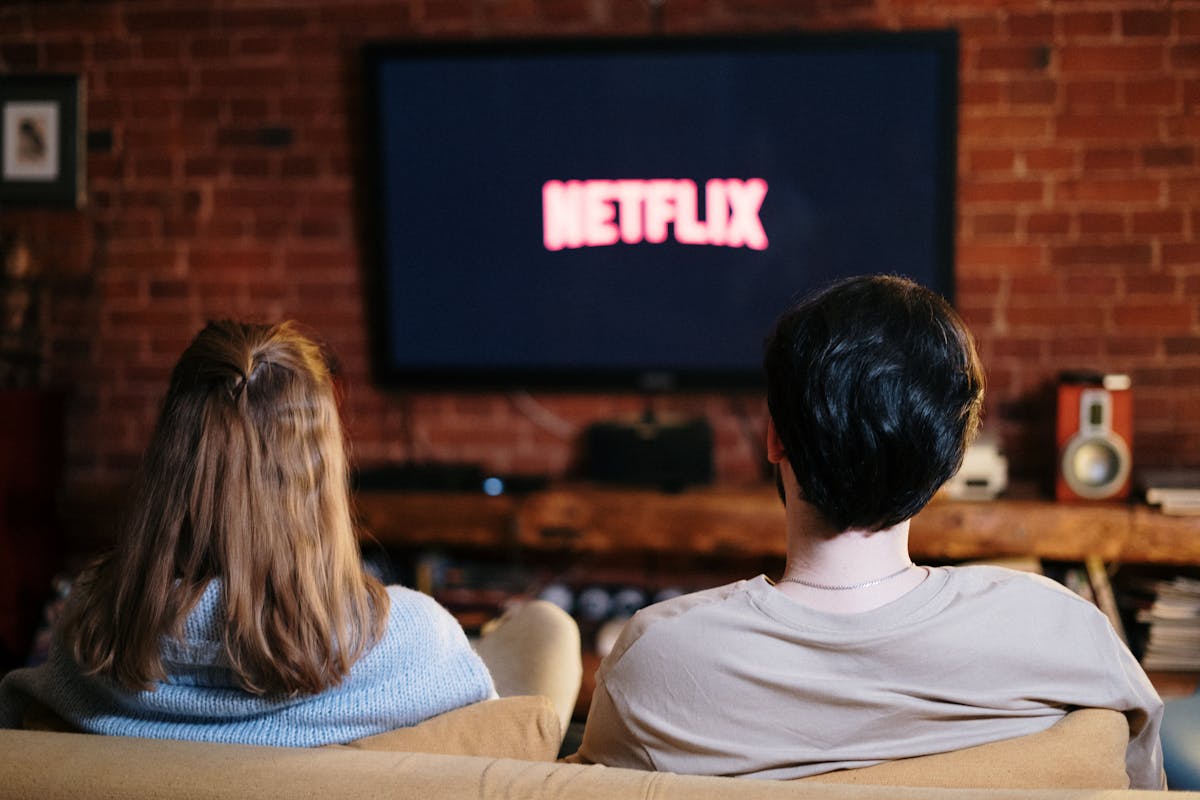
For audiences, fragmentation is tangible: too many subscriptions, shows scattered across services, and increasing reliance on algorithmic feeds rather than deliberate choices. Tech publications like TechRadar and Wired now regularly publish “how to manage your streaming subscriptions” guides.
Common Pain Points for Viewers
- Rising costs: Multiple services, each raising prices or adding ad tiers.
- Content removal: Shows disappearing due to licensing or cost-cutting write-offs.
- Geo-restrictions: Titles available in one region but blocked in another.
- Fragmented discovery: Needing third-party apps or search engines just to find out where a given show is streaming.
Viewers respond with a mix of tactics:
- Rotating subscriptions month-to-month instead of carrying everything year-round.
- Leaning on ad-supported free tiers or FAST (Free Ad-Supported TV) channels.
- Substituting some paid entertainment time with user-generated content on YouTube, TikTok, or Twitch.
How Creators Adapt: Multi-Platform Strategies and Revenue Stacks
For creators, surviving in a fragmented environment means diversifying both distribution and income. Many successful creators now think in terms of a “revenue stack” rather than a single primary platform.
Typical Modern Creator Funnel
- Discovery: TikTok, YouTube Shorts, Reels, X (Twitter), and sometimes viral posts on Reddit.
- Depth: Long-form YouTube videos, podcasts, newsletters, blogs, or livestreams.
- Monetization: Channel memberships, Patreon tiers, course sales, brand deals, affiliate marketing, and live event tickets.
This model allows creators to tolerate volatility on any single platform. When TikTok’s algorithm changes or YouTube’s ad rates dip, memberships, courses, or consulting can help smooth the shock.
“Don’t build your entire business on rented land.”
— A recurring mantra among creator economy strategists and popular YouTube educators
Many creators now prioritize:
- Email lists or owned community spaces to maintain contact if algorithms change.
- First-party analytics from their own sites or apps to understand their true audience.
- Cross-posting strategies that tailor the same core content to each platform’s norms and formats.
Tools and Monetization: From Ad Splits to Products and Memberships
The creator economy has matured beyond simple ad revenue splits. Startups and large platforms alike offer vertical-specific tools for nearly every aspect of creator businesses: merch, courses, memberships, and analytics.
Key Monetization Channels
- Platform Ads: YouTube’s ad revenue share remains the most transparent and mature, now including Shorts revenue sharing.
- Memberships and Subscriptions: Patreon, YouTube Memberships, and Substack enable predictable recurring revenue.
- Digital Products: Video courses, e-books, templates, and software tools.
- Brand Deals and Sponsorships: Often the largest single revenue source for mid-sized creators.
- Affiliate Marketing: Recommending products and earning a commission.
For example, tech reviewers and media analysts frequently use affiliate links when discussing streaming devices or creator hardware. A popular and widely reviewed choice in the U.S. for creators who want a dedicated streaming box with strong app support is the Roku Streaming Stick 4K, which supports major services and can help consolidate fragmented viewing into a single interface.
On the creator tooling side, many video-focused makers rely on high-quality microphones and cameras to produce content that competes with studio-level shows. A widely recommended entry-level USB microphone is the Blue Yeti USB Microphone, often cited for its balance of sound quality, ease of use, and price for YouTube and podcast creators.
Regulation and Governance: Policy Shocks in the Creator Economy
Policy decisions—from governments and platforms—can reshape the media landscape overnight. Governments are increasingly interested in:
- National security and data sovereignty related to apps like TikTok.
- Algorithmic transparency and content labeling for political or sensitive content.
- Platform liability for harmful or illegal material.
Platform policy changes can be equally impactful:
- Adjustments to ad policies and brand-safety rules alter which videos can be monetized.
- Changes in revenue splits (for example, between platform, creators, and music rightsholders) shift earnings overnight.
- Stricter content moderation can demonetize or restrict distribution for certain topic areas.
These shifts often spark trending discussions on X (Twitter) and YouTube, where creators share income breakdowns and adaptation strategies. Analysts on outlets like The Verge and Engadget track how new rules ripple through the ecosystem.
Challenges: Sustainability, Discoverability, and Trust
The collision of streaming platforms and creator economies introduces several systemic challenges.
1. Economic Sustainability for Creators
A small percentage of creators capture the majority of earnings. For everyone else:
- Income is volatile and heavily algorithm-dependent.
- Burnout is common due to constant publishing pressure.
- Health insurance, retirement savings, and time off are rarely built into the model by default.
2. Discoverability in Saturated Feeds
Every platform is saturated with content. Creators must:
- Develop a recognizable voice and niche.
- Master basic analytics, SEO, and thumbnail/caption optimization.
- Balance short-form “hooks” with long-form depth and substance.
3. Viewer Trust and Information Quality
As monetization incentives intensify, so does pressure to chase engagement, sometimes at the expense of accuracy or nuance. Media literacy and transparent disclosure (about sponsorships, affiliate links, and paid promotions) become critical.
Regulators, platforms, and independent fact-checkers are experimenting with labels, recommendation down-ranking, and policy enforcement, but these interventions can also raise concerns about free expression and bias.
Future Trends: Where Online Media Might Be Heading
Looking ahead, several trajectories are emerging in industry reports and investor memos:
1. Rebundling and Aggregation
After a decade of unbundling, there are signs of partial rebundling:
- Telecom and hardware companies offering streaming bundles on top of broadband or device purchases.
- Cross-service search and aggregation apps that simplify content discovery.
- Platforms like YouTube increasingly acting as a “universal interface” for both user-generated content and premium channels.
2. AI-Assisted Creation and Personalization
AI tools already help with:
- Automated editing, subtitling, and localization.
- Highlight generation for long-form videos and livestreams.
- Recommendation and personalization, potentially down to highly individualized “channels.”
These technologies could both reduce production friction and deepen concerns about filter bubbles and deepfakes.
3. Greater Emphasis on Ownership and Direct Relationships
To hedge against platform risk, more creators are investing in:
- Owned websites and apps with built-in memberships.
- Multi-platform identities that can survive policy changes.
- Community-driven funding models where a smaller group of dedicated supporters underwrites the work.

Practical Advice: Navigating the Fragmented Media Landscape
For Viewers
- Audit your subscriptions every few months and cancel services you rarely use.
- Use watchlist and tracking tools to locate which platform hosts a given show or film.
- Consider supporting a few favorite creators directly—via memberships or one-time tips—rather than spreading attention thinly.
For Creators
- Start with one primary format (e.g., long-form YouTube, podcasting, or newsletters) and one discovery channel (e.g., TikTok or Shorts).
- Collect email addresses or build a community hub you control.
- Gradually layer monetization (ads → memberships → products/services) instead of relying on a single income stream.
- Invest early in good audio and lighting—production quality still matters even in the era of vertical video.
Conclusion: Who Wins and Loses in the New Online Media Ecosystem?
The future of streaming and the creator economy will not be defined by a single winner-takes-all platform. Instead, it will be a contested, dynamic system where:
- Large streaming services compete on exclusive content, bundles, and global scale.
- Short-form platforms compete on discovery and cultural influence.
- Creators compete—and collaborate—on depth, authenticity, and relationship-building.
For audiences, the challenge is managing choice and cost. For creators, the challenge is building resilient, multi-channel businesses in a world where algorithms and policies can change overnight. For regulators and researchers, the challenge is stewarding an ecosystem that balances innovation, economic opportunity, and public interest.
Understanding how streaming fragmentation and creator economies intersect is no longer niche media-nerd territory; it is central to how culture, information, and livelihoods will be structured in the decade ahead.
References / Sources
- The Verge – Streaming coverage
- Wired – Streaming and media
- TechCrunch – Creator economy coverage
- Engadget – TikTok and short-form video coverage
- RSA – Reports on the attention economy
- Pew Research Center – Social media and online video studies
- Colin and Samir – YouTube channel analyzing creator economy trends
- Roberto Blake – Creator business and strategy content
- Ali Abdaal – Examples of multi-platform creator business models
Extra Insight: Simple Frameworks for Thinking About Online Media
To make sense of rapid change, it helps to keep a few simple mental models in mind:
1. The “Three Cs” of Media Platforms
- Catalogue: What content is available?
- Controls: How do recommendations, policies, and monetization rules work?
- Community: How do viewers and creators interact, and how much ownership do creators have?
2. The Hourglass of Attention
Visualize attention as an hourglass:
- Top: Massive reach via short-form feeds and social media.
- Neck: A smaller group that clicks through to long-form content.
- Bottom: A core of dedicated fans who pay, attend events, or join communities.
Creators thrive when they intentionally design content and products for each layer of the hourglass, not just the very top.
