
Why So Many People Stop GLP-1 Weight‑Loss Drugs—and Smarter Ways to Maintain Results
Millions of Americans have turned to GLP‑1 weight‑loss medications like Wegovy and Zepbound, often after years of feeling stuck with traditional diet-and-exercise advice. For some, these drugs feel life‑changing. For others, the side effects, costs, or day‑to‑day realities of injections become too much—and many quietly stop.
New research highlighted by MarketWatch suggests that about half of GLP‑1 users discontinue their injections, and around 50% of those who stop regain much of the weight they lost. If you’re wondering what happens after quitting, or you’re considering other weight‑loss methods, you’re not alone—and you’re not doing anything wrong by asking these questions.
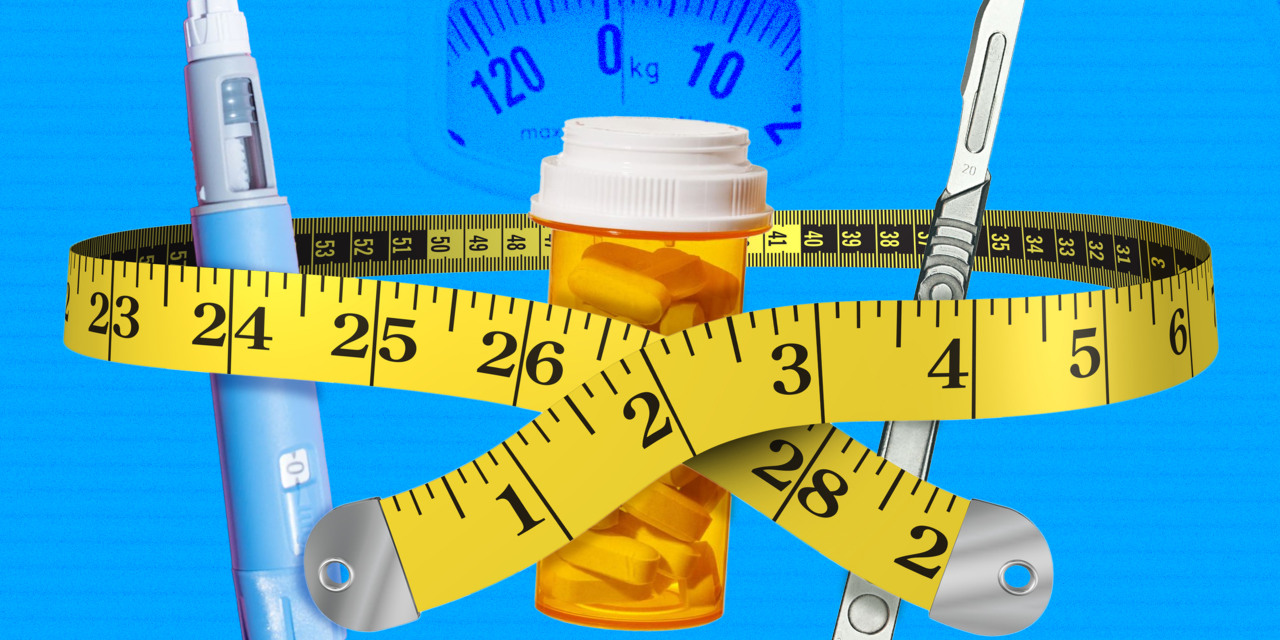
This guide walks you through what the latest evidence says about stopping GLP‑1s, why so many people discontinue, and practical, safer ways to transition to other weight‑loss strategies without relying solely on willpower.
The GLP‑1 Dilemma: Powerful Results, Tough Trade‑Offs
GLP‑1 receptor agonists (like semaglutide in Wegovy and tirzepatide in Zepbound) were originally developed for type 2 diabetes, but they also reduce appetite and support clinically significant weight loss. For people with obesity or weight‑related health conditions, they can be an important tool.
At the same time, many patients discover that staying on these drugs is harder than they expected:
- Monthly costs can be high, even with insurance.
- Side effects like nausea, constipation, diarrhea, and fatigue can be disruptive.
- Some people feel “not themselves” when their appetite is dramatically suppressed.
- Access and supply issues can interrupt treatment.
In other words, if you’re struggling to stay on your injections—or you’ve already stopped—you’re very much in the majority. The key is understanding what’s happening in your body and how to respond in a sustainable way.
What Happens to Your Body When You Stop GLP‑1 Medications?
GLP‑1 drugs affect hormones involved in hunger, fullness, and blood sugar regulation. When you stop the injections, your body gradually returns to its baseline hormone patterns.
Research following patients after discontinuing semaglutide has found several common patterns:
- Appetite rebounds. Many people report feeling “hungrier than before,” at least for a period of time. This isn’t a lack of discipline—it’s biology.
- Metabolic rate may remain lower. After significant weight loss, the body often burns fewer calories at rest. If calories increase but metabolism stays lower, weight regain becomes more likely.
- Blood sugar and blood pressure can creep up. For people using GLP‑1s for diabetes or cardiovascular risk reduction, stopping the drug can reverse some of those gains.
- Weight regain is common but not inevitable. In one major trial, participants regained about two‑thirds of the weight they had lost within a year of stopping semaglutide, on average. That still means some maintained a meaningful net loss.
“GLP‑1 medications treat a chronic condition—obesity and metabolic disease. Just like blood‑pressure medicines, benefits usually last only as long as you take them. That doesn’t mean you’re a failure if you need long‑term support; it’s how the biology works.”
— Obesity-medicine specialist, summarizing current clinical guidance
Why So Many People Stop GLP‑1 Injections
People stop their GLP‑1 injections for many different reasons. Understanding your own “why” can help you choose the safest next steps.
- Side effects. Persistent nausea, vomiting, constipation, diarrhea, abdominal pain, or fatigue can disrupt daily life or work.
- Cost and access. Insurance changes, high copays, or supply shortages can interrupt treatment unexpectedly.
- Plateau or limited response. Some people lose a little, then stall; others see minimal weight change despite careful use.
- Life changes. Pregnancy plans, surgery, job changes, or caregiving duties can make ongoing injections harder.
- Emotional and identity concerns. A few people say they feel emotionally “flat,” disconnected from hunger cues, or worried about relying on a medication long term.
Thinking About Stopping? How to Plan a Safer Transition
If you’re considering stopping your GLP‑1 medication, it’s crucial not to go it alone. Most experts recommend planning a gradual, supported transition rather than an abrupt stop whenever possible.
- Talk with your prescriber first.
Ask specifically:- Is there a medical reason to continue or stop now?
- Could we lower the dose slowly instead of stopping at once?
- How will we monitor my blood sugar, blood pressure, and weight?
- Anticipate appetite changes.
Plan for increased hunger:- Build meals around protein, fiber, and healthy fats to stay fuller longer.
- Schedule regular meals and snacks rather than “winging it.”
- Keep high‑calorie, low‑satisfaction foods less visible at home.
- Protect your muscle mass.
Rapid weight loss can reduce both fat and muscle. When you stop:- Prioritize strength training 2–3 times per week if your doctor approves.
- Aim for adequate protein (often 1.0–1.5 g per kg of body weight, depending on health status—ask your clinician what’s right for you).
- Monitor—not obsess over—the scale.
It’s normal to see some weight return. Instead of daily panic‑checks:- Track weight weekly or bi‑weekly.
- Also track energy, sleep, and bloodwork, which are equally important indicators of health.
- Line up support.
Whether it’s a dietitian, therapist, health coach, or trusted friend, having someone to check in with makes it easier to respond early if weight begins to climb.
Evidence‑Based Alternatives When GLP‑1s Aren’t Right for You
Some people who stop GLP‑1 injections explore other medications or non‑drug strategies. No single option replaces GLP‑1s, but a combination can help you maintain progress and protect your health.

1. Other Prescription Weight‑Loss Medications
Depending on your medical history, your clinician may discuss alternatives approved for chronic weight management, such as:
- Medications that reduce appetite via different pathways.
- Medicines that reduce fat absorption from food.
- Combination therapies used at lower doses to reduce side effects.
Each has its own risk–benefit profile; none is side‑effect‑free or appropriate for everyone.
2. Structured Nutrition Approaches
Evidence consistently supports a few principles, regardless of “diet label”:
- Higher protein intake to support muscle and satiety.
- Plenty of fiber from vegetables, fruits, legumes, and whole grains.
- Limiting ultra‑processed foods that combine refined carbs and fats.
Whether you prefer Mediterranean‑style eating, lower‑carb, or another pattern, consistency matters more than perfection.
3. Physical Activity That Fits Your Life
You don’t need extreme workouts to benefit:
- Walking, cycling, or swimming 150+ minutes per week for heart health.
- Strength training 2–3 times weekly for muscle and metabolic health.
- Light movement breaks during the day to reduce sitting time.
4. Sleep, Stress, and Emotional Eating
GLP‑1s sometimes mask how much stress, emotions, or sleep deprivation drive eating. When you stop:
- Prioritize 7–9 hours of sleep if possible; poor sleep increases hunger hormones.
- Use stress‑management tools—brief walks, breathing exercises, journaling.
- Consider therapy or support groups if emotional eating is a major driver.
Rethinking “Before and After”: A More Realistic Timeline
Social media often shows dramatic “before and after” photos on GLP‑1s—but rarely the “after the after”: what happens 1–3 years later, especially if someone stops the injections.

A more compassionate, realistic view might look like this:
- Phase 1: Rapid change. GLP‑1s help you lose a significant amount of weight and improve lab markers.
- Phase 2: Adjustment. You continue medication or begin to taper, while building habits that support your new weight.
- Phase 3: Long‑term living. Weight may fluctuate. Some regain is common, but your focus shifts to health, function, and quality of life, not a single number.
“If you regain some weight after stopping a GLP‑1, it doesn’t erase the health progress you made or mean you’ve failed. It tells us your body is doing exactly what bodies evolved to do—and that you deserve ongoing tools and support, not blame.”
Common Obstacles After Stopping GLP‑1s—and How to Navigate Them
If you’ve already discontinued your injections, you may be facing some of these challenges right now.
1. “I’m suddenly hungry all the time.”
- Don’t interpret hunger as failure; it’s a sign your hormones are shifting.
- Anchor meals around protein (eggs, Greek yogurt, beans, fish, tofu) and fiber.
- Use planned snacks—like nuts and fruit—instead of grazing from the pantry.
2. “The scale is creeping up and it’s freaking me out.”
- Focus on trends over 4–6 weeks, not single weigh‑ins.
- Ask your clinician to monitor blood pressure, blood sugar, and cholesterol—key health indicators beyond weight.
- If weight gain accelerates, discuss whether restarting medication or trying an alternative is appropriate.
3. “I feel ashamed—like I ‘needed’ a drug to lose weight.”
- Obesity and metabolic disease are complex, with genetic, environmental, and biological drivers.
- Medications are tools—no different from using inhalers for asthma or insulin for diabetes.
- Connecting with weight‑neutral or body‑inclusive communities can reduce stigma.
What the Latest Research and Guidelines Suggest
While details vary by study, several consistent messages are emerging in 2024–2026:
- GLP‑1 medications are most effective as part of a long‑term treatment plan, not a short‑term fix.
- Weight regain after stopping is common but variable; some maintain partial weight loss with strong lifestyle support.
- Professional societies increasingly frame obesity as a chronic, relapsing condition, similar to hypertension or depression, where recurring or ongoing treatment may be appropriate.
For the most up‑to‑date clinical guidance, you and your provider can refer to:
Key Takeaways If You’re Using—or Leaving—GLP‑1 Weight‑Loss Drugs
- Stopping GLP‑1 medications is very common; around half of users discontinue within a year.
- About half of people who stop regain much of their lost weight—but not everyone, and not instantly.
- Regain reflects biology, not personal failure. Your body is wired to defend against weight loss.
- Planning your transition—with nutrition, movement, sleep, and emotional support—reduces the risk of rapid rebound.
- It’s reasonable to need long‑term treatment for a chronic condition, whether that involves medications, lifestyle tools, or both.
Most importantly, your worth and your health are not defined by a single number on the scale or whether you stay on a specific drug. You deserve care that fits your life, your values, and your long‑term wellbeing.
Your Next Step: A Thoughtful, Personalized Plan
If you’re currently on Wegovy, Zepbound, or another GLP‑1:
- Schedule a dedicated visit with your prescriber to discuss your long‑term plan.
- Ask about realistic expectations—on and off medication—for weight and health markers.
- Request referrals to a registered dietitian, exercise professional, or therapist if you need more support.
If you’ve already stopped and feel stuck:
- Book a follow‑up to review your current health, labs, and concerns.
- Be honest about side effects, emotional struggles, and financial barriers—this helps your team find better‑fit options.
- Choose one or two small, doable changes for the next month (for example, a 10‑minute walk after dinner and adding protein to breakfast) rather than trying to overhaul everything at once.
You don’t have to navigate life after GLP‑1s alone. With the right information, a supportive care team, and compassion for yourself, it’s possible to protect your health—even if your path looks different from what you first imagined.
