
This Brain-Boosting Eating Pattern May Help Slow How Fast Your Brain Ages
Emerging research is painting a clearer picture of how what we eat shapes how fast our brains age. While ultra-processed foods are increasingly linked with higher rates of dementia, depression, and anxiety, a newer analysis suggests the MIND diet may work in the opposite direction—potentially slowing biological aging in the brain itself.
If you’ve ever worried about memory loss because of a parent’s dementia diagnosis, struggled to cut back on convenience foods, or felt overwhelmed by conflicting nutrition headlines, you’re not alone. The good news: you don’t need a perfect diet or expensive supplements to start protecting your brain. Small, consistent shifts in your weekly meals can add up.
In this guide, we’ll break down what the latest study (reported by PsyPost in 2025) suggests about the MIND diet, how it might protect your brain by slowing biological aging, and how you can apply it in real life—without rigid rules or guilt.
How Food May Speed Up or Slow Down Brain Aging
“Brain aging” isn’t just about wrinkles or getting forgetful. Researchers now talk about biological aging—how old your cells behave—versus just the number of birthdays you’ve had. Some people in their 70s have brains that look decades younger on scans and blood tests, while others show early signs of decline in their 50s.
The PsyPost report summarized a large-scale analysis showing two opposing forces:
- Ultra-processed foods (UPFs) – linked to greater dementia risk, more anxiety and depression, and biological signatures of faster aging in the brain.
- The MIND diet – associated with lower risk of Alzheimer’s disease and other brain disorders, and with blood markers suggesting slower biological aging.
These findings don’t mean one bag of chips will cause dementia or that the MIND diet is a miracle cure. But they add to a strong, growing body of evidence that daily patterns of eating can either nudge brain aging in a protective direction—or quietly work against it over decades.
What Is the MIND Diet, Exactly?
The MIND diet (Mediterranean–DASH Intervention for Neurodegenerative Delay) is a hybrid of two well-studied eating patterns:
- Mediterranean diet – rich in vegetables, fruits, whole grains, legumes, fish, and olive oil.
- DASH diet – designed to lower blood pressure, emphasizing whole foods, low sodium, and limited saturated fat.
Researchers fine-tuned these patterns to focus on foods most strongly linked with better cognitive function and lower Alzheimer’s risk.
Brain-Healthy Foods the MIND Diet Encourages
- Leafy green vegetables (spinach, kale, collards, arugula) – ideally most days of the week.
- Other vegetables – especially colorful, non-starchy ones like peppers, carrots, broccoli.
- Berries – blueberries and strawberries are standouts.
- Nuts – a small handful several times per week.
- Olive oil – the main added fat for cooking and dressings.
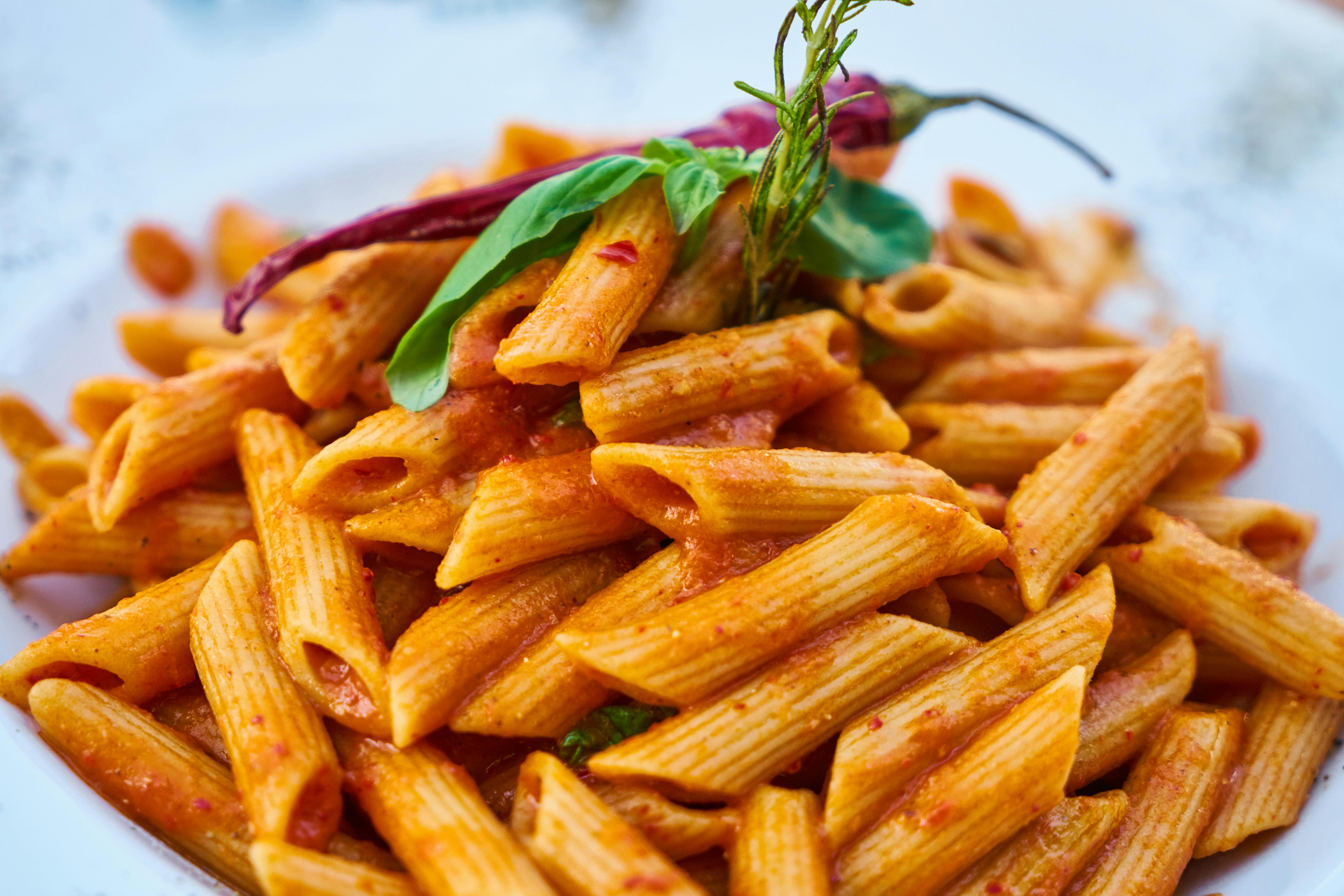
- Whole grains – oats, brown rice, quinoa, whole-wheat bread or pasta.
- Beans and lentils – a few times a week.
- Fish – especially fatty fish like salmon, sardines, or mackerel once or more per week.
- Poultry – a few times per week (baked, grilled, or stewed).
Foods the MIND Diet Suggests Limiting
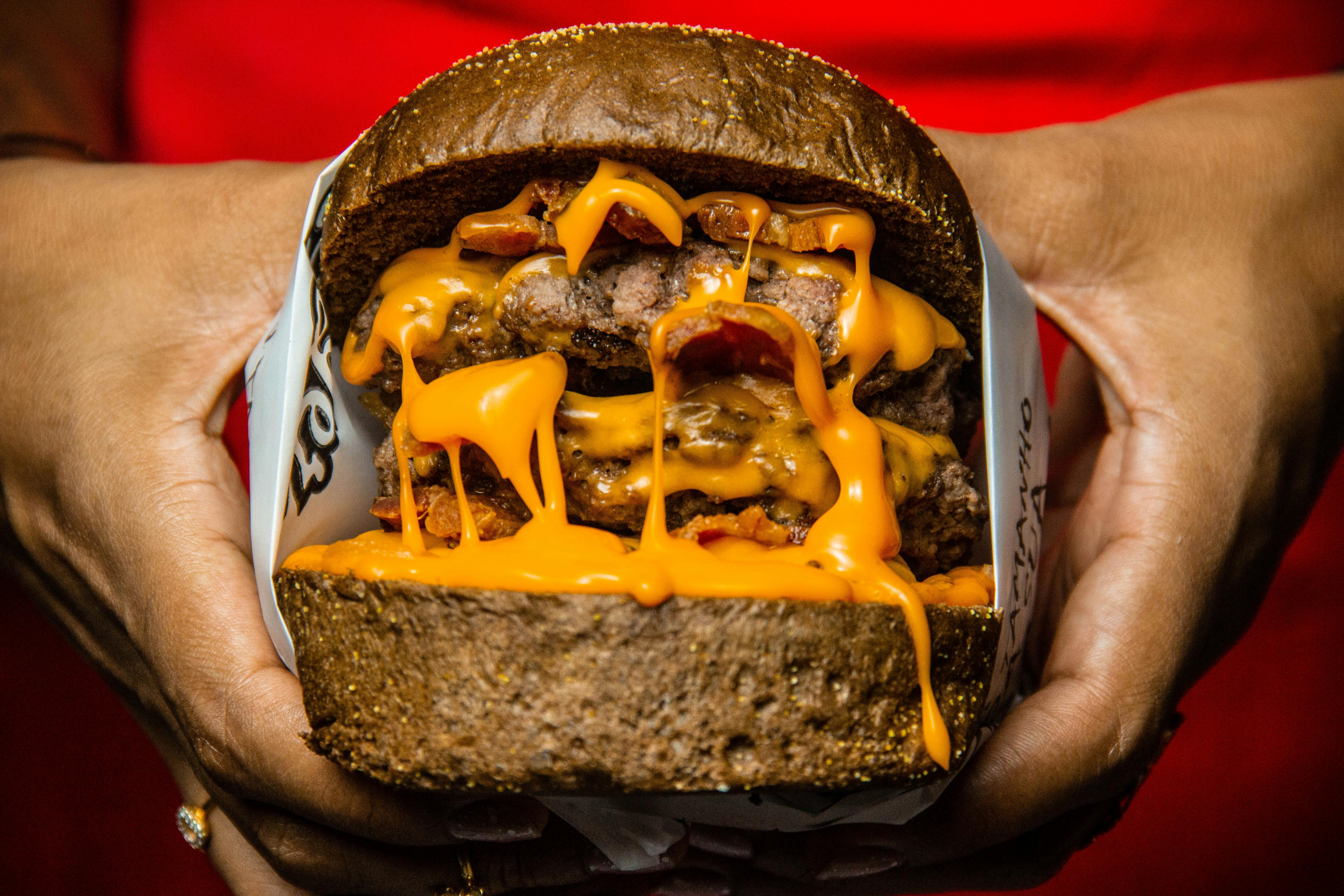
- Red and processed meats – like bacon, sausage, deli meats, and burgers.
- Butter and stick margarine – favoring olive oil instead.
- Cheese – especially in large, daily quantities.
- Pastries and sweets – cakes, cookies, donuts, candy.
- Fried and fast foods – including many ultra-processed options.
“In observational studies, people who scored highest on MIND diet adherence had about a 50% lower risk of developing Alzheimer’s disease, and even moderate adherence was linked to significantly slower cognitive decline.”
What the New Study Adds: Biological Aging Pathways
The PsyPost-covered study (published in 2025) took MIND diet research a step further. Instead of only tracking who developed dementia, the scientists looked at biological markers in the blood that are linked with:
- Inflammation – chronic, low-grade inflammation can damage blood vessels in the brain.
- Oxidative stress – unstable molecules that can injure brain cells.
- Vascular health – how well blood flows to and within the brain.
- Epigenetic aging – patterns of DNA “tags” that reflect how fast cells are aging.
They found that people who ate more MIND-style diets tended to have healthier profiles in these systems, while those consuming higher amounts of ultra-processed foods had markers consistent with faster biological aging.
To be clear, this kind of research mostly shows association, not absolute cause and effect. But when these findings are layered on top of decades of data from Mediterranean and DASH diet studies, the pattern is compelling: nourishing your body with minimally processed, plant-forward foods appears to support a younger biological age in the brain.
How the MIND Diet May Protect the Brain: 4 Key Mechanisms
Based on current evidence, including the recent analysis, scientists believe the MIND diet may slow biological brain aging through several overlapping pathways:
- Reducing chronic inflammation
Leafy greens, berries, olive oil, nuts, and fish are rich in anti-inflammatory compounds (like polyphenols and omega‑3s). These may help calm the low-level inflammation linked to depression, vascular disease, and neurodegeneration. - Boosting antioxidant defenses
Berries and colorful vegetables provide antioxidants that can neutralize free radicals, potentially reducing oxidative stress that would otherwise damage neurons and blood vessels. - Supporting blood vessels and blood flow
A MIND-like pattern tends to lower blood pressure, improve cholesterol profiles, and support healthier vessel walls—all crucial for keeping the brain well-oxygenated and nourished. - Influencing epigenetic and metabolic aging
Diet appears to shape how genes are turned on or off (epigenetics) and how efficiently cells manage energy. The new study suggests MIND-style eating is linked with “younger” epigenetic profiles compared with ultra-processed-heavy diets.
A Real-Life Example: Easing Into the MIND Diet Without Perfection
In my work with clients (fictionalized but representative to protect privacy), I often meet people who feel stuck between “I love my comfort foods” and “I’m terrified of losing my memory like my parent did.”
Take “Linda,” a 58-year-old teacher whose mother had Alzheimer’s. She ate fast food three to four times a week and rarely cooked. When her doctor mentioned the MIND diet, she felt judged and overwhelmed:
“So now every sandwich I eat is killing my brain? I can’t just move to Greece and start eating like a Mediterranean grandmother.”
Together, we set tiny, realistic steps instead of a total overhaul:
- Swapped one fast-food lunch a week for a simple grain bowl with pre-washed greens, canned beans, and olive oil.
- Added frozen blueberries to her morning yogurt three days a week.
- Started using olive oil instead of butter in most of her cooking.
- Chose roasted chicken and a side salad instead of fried chicken and fries once a week.
Over six months, Linda’s diet wasn’t perfect—but her MIND diet score (a research tool to measure adherence) climbed steadily. She reported better energy, fewer afternoon crashes, and a sense of control over her future cognitive health. That sense of agency matters as much as the nutrients themselves.
A 7-Step Starter Plan to Make the MIND Diet Work for You
You don’t need to follow the MIND diet perfectly to benefit. Research suggests that even moderate adherence can be associated with slower cognitive decline. Here’s a simple, evidence-aligned way to start.
- Start with leafy greens 3–5 times per week
Add a handful of spinach to scrambled eggs, toss arugula on frozen pizza after baking, or keep pre-washed salad mix in your fridge. - Add berries twice per week (or more)
Fresh or frozen both work. Stir into yogurt, oatmeal, or smoothies. Blueberries and strawberries have the best-studied brain benefits. - Switch your main cooking fat to olive oil
Use extra-virgin olive oil for roasting vegetables, sautéing, and salad dressings. Keep butter for occasional flavor rather than daily cooking. - Build one “MIND-friendly” meal you can repeat
For example: salmon + roasted vegetables + quinoa cooked in broth. Make it once a week until it feels automatic. - Set a realistic fish and bean goal
Aim for:- Fish once a week (canned tuna or salmon counts if packed in water or olive oil).
- Beans or lentils once or twice a week (soups, chilis, or salads).
- Gently trim ultra-processed foods
Instead of banning them, pick one category (like sugary drinks or packaged pastries) to cut back on first. Replace it with water, sparkling water, fruit, or nuts. - Protect your brain on busy days with a “fallback plan”
Keep go-to options on hand: microwavable brown rice, canned beans, frozen vegetables, pre-cooked chicken strips, olive oil, and a jar of olives or nuts. This can rival takeout for convenience.

Common Obstacles—and How to Work Around Them
Shifting away from ultra-processed foods and toward a MIND-style pattern is not just a matter of willpower. It’s about time, money, culture, and emotions around food. Here’s how to navigate some frequent barriers.
“Healthy food is too expensive.”
- Buy store-brand frozen vegetables and berries—nutritionally similar to fresh, often cheaper.
- Use dried or canned beans, lentils, and chickpeas for budget-friendly protein and fiber.
- Choose whole grains like oats, brown rice, and whole-wheat pasta instead of specialty products.
“I don’t have time to cook.”
- Batch cook one grain (like quinoa) and one protein (like chicken or beans) on weekends.
- Use sheet-pan meals: toss vegetables and protein with olive oil and roast on one tray.
- Lean on semi-prepared items like pre-washed salad mixes, rotisserie chicken (skin removed), and microwavable whole grains.
“I’m emotionally attached to my comfort foods.”
- Instead of eliminating them, pair them with MIND foods—for example, pizza with a big side salad and olives.
- Practice “addition before subtraction”: add berries, nuts, or a serving of vegetables before you worry about cutting treats.
- Notice how you feel after different meals—energy, focus, mood—without judgment. Use this as gentle feedback.
What the Science Says—and What It Doesn’t
The body of research around the MIND diet and brain health is encouraging but not absolute. Here’s a balanced summary:
- Observational studies (like cohort studies) repeatedly find that people who follow MIND-style diets have a lower risk of Alzheimer’s disease and slower cognitive decline over time.
- Randomized controlled trials on MIND-specific interventions are smaller and still emerging, but early results show improvements in cardiovascular markers and some cognitive measures.
- The 2025 analysis highlighted by PsyPost links the MIND diet with favorable biological aging markers, suggesting potential mechanisms rather than just correlations.
- Meanwhile, other research shows that high intake of ultra-processed foods is associated with higher dementia risk and more symptoms of depression and anxiety.
Still, no single study or diet can promise specific outcomes. The most honest takeaway is this:
Consistently eating more whole, plant-forward, MIND-style foods and fewer ultra-processed products is very likely to support a healthier, slower-aging brain—but it’s not a guarantee or a cure.
For deeper reading, you can explore:
Before and After: A One-Week MIND Diet Makeover
To make this more concrete, here’s how a typical day could gently shift toward a MIND pattern, without eliminating your favorite foods.
Before: Sugary cereal with whole milk and a pastry.
After: Oatmeal cooked with cinnamon, topped with frozen blueberries and a few walnuts; side of coffee or tea.
Before: Fast-food burger and fries with soda.
After: Whole-grain wrap with grilled chicken, mixed greens, hummus, and a side of baby carrots; sparkling water.
Before: Frozen pepperoni pizza, ice cream dessert.
After: Baked salmon with olive oil, roasted broccoli, and brown rice. A small square of dark chocolate for dessert.
Before: Chips, candy, or pastries between meals.
After: A handful of nuts, fresh fruit, or Greek yogurt with a drizzle of olive oil and herbs.
Making the MIND Diet Accessible for Different Lifestyles
Your version of the MIND diet should respect your culture, preferences, and limitations. Here are a few ways to adapt the core principles:
- For vegetarians or vegans: Emphasize beans, lentils, tofu, tempeh, nuts, and seeds. You can focus on the plant-based aspects of MIND and skip poultry and fish, while discussing B12 and omega‑3 supplementation with your clinician.
- For different cuisines: The MIND principles can be applied to Indian, Latin American, East Asian, African, or Middle Eastern cooking—by highlighting legumes, vegetables, spices, whole grains, and minimizing deep-fried and ultra-processed items.
- For sensory or chewing challenges: Use blended soups, smoothies with berries and greens, soft-cooked vegetables, and mashed beans to keep textures manageable.
Moving Forward: A Gentle Invitation to Protect Your Future Brain
The latest findings suggesting that the MIND diet may slow biological brain aging are both hopeful and grounding. They remind us that—even in the face of scary statistics and family histories—we are not powerless passengers in our brain’s story.
You don’t need to get everything “right” to make a meaningful difference. Every time you choose olive oil over butter, berries over candy, or beans over processed meat, you’re nudging your biology toward resilience.
If you’re ready to start, choose one of the following actions for the next week:
- Add leafy greens to at least three meals.
- Swap one ultra-processed snack for nuts or fruit each day.
- Plan a single MIND-style dinner and repeat it next week.
If you live with anxiety about dementia or mood changes, know that your concern is valid—and that small, consistent choices can be a powerful way to care for your future self. Consider pairing dietary changes with movement you enjoy, good sleep habits, and supportive relationships for a more comprehensive brain-health plan.
Finally, if you have medical conditions, take medications, or are considering major dietary changes, it’s wise to discuss the MIND diet with your healthcare provider or a registered dietitian who understands your full history.
