
Mediterranean 2.0: How Blue Zone Eating Turns Everyday Meals Into Food-as-Medicine
Mediterranean 2.0: Longevity, Blue Zones, and Food-as-Medicine Cooking
Mediterranean 2.0 is the delicious evolution of traditional Mediterranean and Blue Zone diets: a way of cooking that leans on plants, olive oil, and vibrant flavors, then updates them into sheet-pan dinners, grain bowls, and air-fryer recipes that fit real life. Instead of chasing short-term celebrity diets, people are turning to this flexible, evidence-based style of eating to support longevity, heart health, and everyday energy—without giving up pleasure at the table.
From Netflix documentaries to TikTok-friendly “Blue Zone breakfast bowls,” the message is consistent: food can support long-term health, but it’s the pattern—simple ingredients, home cooking, and joyful meals with others—that truly matters. Let’s turn that science and trend energy into something you can cook tonight.
Quick Recipe Snapshot: Mediterranean 2.0 Longevity Bowl
Prep Time: 20 minutes
Cook Time: 25 minutes
Total Time: 45 minutes
Servings: 4 bowls
Difficulty: Easy (great for weeknights)
Dietary: High-fiber, Mediterranean, can be made vegan & gluten-free
Why Mediterranean 2.0 and Blue Zone Diets Are Surging
Across YouTube explainers, Spotify health podcasts, and long-form X/Twitter threads, Mediterranean-style and Blue Zone eating are being reframed as a realistic, sustainable longevity template rather than a rigid diet. Instead of focusing on “don’ts,” these patterns highlight what to add:
- Plenty of vegetables, fruits, legumes, and whole grains for fiber, antioxidants, and micronutrients that nourish the gut and support metabolic health.
- Olive oil, nuts, seeds, and fatty fish as primary fat sources rich in monounsaturated and omega-3 fats linked to heart and brain health.
- Minimal ultra-processed foods and added sugars—not banned, but naturally crowded out by home-cooked meals and simple ingredients.
- Moderate dairy and animal protein, often yogurt, cheese, eggs, and small portions of fish or meat.
Longevity researchers frequently point to lower rates of cardiovascular disease, certain cancers, and cognitive decline in people who follow these patterns long term. BuzzSumo-tracked articles and social content that perform well often contrast Mediterranean and Blue Zone approaches with short-lived, restrictive trends like extreme low-carb or all-juice regimens.
“Food as medicine isn’t about promising cures. It’s about stacking daily habits that gently shift risk in your favor—one satisfying meal at a time.”
Food as Medicine, Without the Hype
The phrase “food as medicine” is everywhere in 2024–2026, especially around Mediterranean and Blue Zone content. Creators talk about meals that support:
- Reduced chronic inflammation
- More stable blood sugar and improved metabolic markers
- Brain health and cognitive resilience
- Heart health and healthy blood lipids
Dietitians, however, are careful to emphasize that these patterns reduce risk—they don’t offer guaranteed protection or cure disease. What they do provide is a realistic, enjoyable framework that aligns with scientific consensus and can be adapted to many cultures, budgets, and cooking styles.
In practice, “food as medicine” might look like:
- Swapping refined grains for intact whole grains (farro, barley, oats).
- Adding an extra serving of legumes (chickpeas, lentils, beans) a few days a week.
- Using olive oil as the default cooking fat instead of butter for everyday dishes.
- Making vegetables the star of the plate and meat the accent.
Mediterranean 2.0 Longevity Bowl (Blue Zone–Inspired)
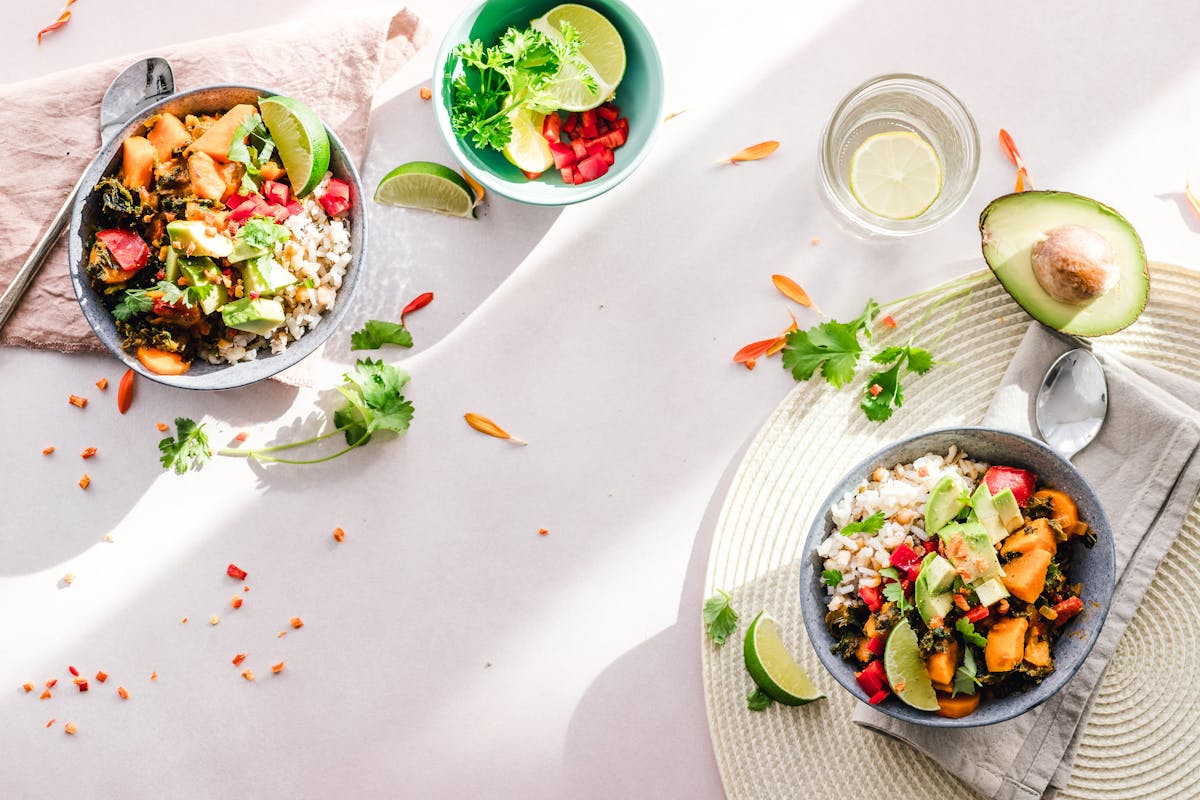
To bring all of this to your kitchen, here’s a Mediterranean 2.0 Longevity Bowl: a high-fiber, plant-forward grain bowl layered with roasted vegetables, chickpeas and lentils, tangy yogurt or tahini, and a generous drizzle of extra-virgin olive oil. It’s exactly the kind of dish showing up in “Mediterranean high-protein bowl” and “Blue Zone-inspired lunch” videos—comforting, colorful, and deeply satisfying.
The textures are irresistible: warm, caramelized vegetables; nutty, chewy grains; creamy yogurt or tahini; and crunchy nuts and seeds on top. A squeeze of lemon and a shower of fresh herbs pull everything together with bright, Mediterranean aroma.
Recipe Structured Data
The following embedded JSON-LD helps search engines understand this Mediterranean 2.0 longevity recipe:
Ingredients for Mediterranean 2.0 Longevity Bowl
These ingredients echo classic Mediterranean and Blue Zone staples—whole grains, legumes, vegetables, herbs, and heart-healthy fats—while staying flexible for different dietary needs.
Base: Whole Grains
- 1 cup (200 g) dry farro, barley, or brown rice (or quinoa for gluten-free)
- 2 cups (480 ml) low-sodium vegetable broth or water
- Pinch of salt
Roasted Mediterranean Vegetables
- 1 medium red onion, cut into thick wedges
- 2 medium bell peppers (any color), sliced into strips
- 1 medium zucchini, sliced into half-moons
- 1 small eggplant, cubed (optional but very Mediterranean)
- 2 tbsp (30 ml) extra-virgin olive oil
- 1 tsp dried oregano
- 1 tsp ground cumin
- 1/2 tsp smoked paprika
- Salt and freshly ground black pepper, to taste
Protein-Rich Legumes
- 1 can (about 15 oz / 400 g) chickpeas, drained and rinsed
- 1 cup (200 g) cooked lentils (brown or green), drained and rinsed if canned
- 1 small clove garlic, finely grated or minced
- 1–2 tsp (5–10 ml) olive oil
- Pinch of salt and pepper
Lemon-Herb Dressing
- Juice of 1 large lemon, plus extra wedges for serving
- 3 tbsp (45 ml) extra-virgin olive oil
- 2 tbsp (30 ml) finely chopped fresh parsley
- 2 tbsp (30 ml) finely chopped fresh mint or basil
- Salt and pepper, to taste
Yogurt-Tahini “Food-as-Medicine” Sauce
- 1/2 cup (120 g) plain Greek yogurt or thick plant-based yogurt
- 2 tbsp (30 ml) tahini (sesame paste)
- 2–4 tbsp (30–60 ml) water, as needed to thin
- 1 small clove garlic, finely minced or grated
- 1–2 tbsp (15–30 ml) lemon juice, to taste
- Pinch of salt
Longevity-Boosting Toppings
- 1/4 cup (30 g) toasted almonds, walnuts, or pistachios, roughly chopped
- 2 tbsp (20 g) toasted pumpkin or sunflower seeds
- Extra chopped fresh herbs (parsley, dill, cilantro, or mint)
- Crumbled feta or plant-based feta-style cheese (optional)
- Final drizzle of extra-virgin olive oil
Equipment You’ll Need
- Medium saucepan with lid (for grains)
- Large baking sheet, ideally rimmed
- Parchment paper (for easier cleanup)
- Small skillet or saucepan (for warming legumes)
- Two small mixing bowls (for dressings/sauces)
- Sharp knife and sturdy cutting board
- Measuring cups and spoons

Step-by-Step Cooking Instructions
Follow these steps in order for a smooth, weeknight-friendly flow. While the vegetables roast, you’ll cook grains, warm legumes, and whisk together your sauces—classic meal-prep efficiency, Mediterranean 2.0 style.
1. Cook the Whole Grains
- Rinse your chosen grain (farro, barley, brown rice, or quinoa) under cold water to remove excess starch and dust.
- In a medium saucepan, combine the grain, vegetable broth or water, and a pinch of salt.
- Bring to a boil over medium-high heat, then reduce to a gentle simmer.
- Cover and cook according to package directions (usually 15–40 minutes depending on the grain) until tender but still pleasantly chewy.
- Drain any excess liquid if needed, fluff with a fork, cover, and set aside to stay warm.
2. Roast the Mediterranean Vegetables
- Preheat your oven to 400°F (200°C).
- Line a large baking sheet with parchment paper for easier cleanup.
- Spread the onion wedges, bell pepper strips, zucchini, and eggplant cubes in a single layer.
- Drizzle with olive oil and sprinkle with oregano, cumin, smoked paprika, salt, and pepper.
- Toss gently with your hands or a spatula until everything is evenly coated.
- Roast for 20–25 minutes, stirring once halfway through, until the vegetables are tender and slightly charred at the edges, filling your kitchen with a sweet, smoky aroma.
3. Warm and Season the Legumes
- About 10 minutes before the vegetables are done, place the chickpeas and lentils in a small skillet or saucepan.
- Add a splash of water, a drizzle of olive oil, the grated garlic, and a pinch of salt and pepper.
- Warm over low heat, stirring occasionally, until the legumes are heated through and lightly fragrant.
- Taste and adjust seasoning—this layer should be savory and comforting, with a gentle garlic aroma.
4. Mix the Lemon-Herb Dressing
- In a small bowl, whisk together the lemon juice and olive oil until slightly emulsified (creamy-looking).
- Stir in the chopped parsley and mint or basil.
- Season with a pinch of salt and freshly ground black pepper.
- Taste: it should be bright, tangy, and herbaceous. Adjust with extra lemon or salt as needed.
5. Prepare the Yogurt-Tahini Sauce
- In another small bowl, combine yogurt, tahini, garlic, lemon juice, and a pinch of salt.
- Whisk until smooth and creamy.
- Add water, 1 tablespoon at a time, whisking, until the sauce reaches a pourable but still luxuriously thick consistency.
- Taste and adjust lemon and salt. You’re looking for a balance of nuttiness (from tahini), creaminess (from yogurt), and gentle tang.
6. Assemble the Mediterranean 2.0 Longevity Bowls
- Divide the warm grains among 4 bowls, forming a generous base.
- Top each bowl with a colorful fan of roasted vegetables.
- Spoon the warm chickpea-lentil mixture over the top or to one side.
- Drizzle each bowl with the lemon-herb dressing.
- Add a generous spoonful of yogurt-tahini sauce on top or in a swirl.
- Finish with chopped nuts, seeds, extra herbs, and optional crumbled feta.
- Just before serving, add a final drizzle of fruity extra-virgin olive oil and a squeeze of fresh lemon for brightness.

Variations, Substitutions, and Dietary Adaptations
One reason Mediterranean 2.0 content thrives on social media is how adaptable it is. Use this bowl as a template and customize it to your preferences, budget, and dietary needs.
Vegan & Dairy-Free
- Use a thick plant-based yogurt (soy, coconut, or almond) for the sauce.
- Skip the feta or use a vegan feta-style cheese.
- Everything else in the recipe is naturally dairy-free.
Gluten-Free
- Swap farro or barley for naturally gluten-free grains like quinoa, buckwheat, or certified gluten-free brown rice.
- Ensure your vegetable broth and tahini are labeled gluten-free if you’re highly sensitive.
Higher Protein
- Add a soft-boiled egg or a small piece of grilled salmon or sardines, echoing Blue Zone seafood traditions.
- Increase lentils or chickpeas by 1/2 cup (100 g) and use Greek yogurt for extra protein.
Budget-Friendly Swaps
- Use whichever vegetables are on sale (cabbage, carrots, frozen mixed veg) and roast them in the same way.
- Buy dried lentils and chickpeas in bulk and cook large batches to freeze.
- Skip nuts and use just seeds, or choose the most affordable option in your area.
Storage, Meal Prep, and Reheating
These Mediterranean 2.0 bowls are tailor-made for meal prep. With a little organization, you can have grab-and-go “food as medicine” lunches all week.
Refrigeration
- Store grains, roasted vegetables, and legumes together or separately in airtight containers for up to 4 days.
- Keep the lemon-herb dressing in a small jar; shake before using (up to 5 days).
- Refrigerate the yogurt-tahini sauce in a sealed container for up to 4 days. It may thicken—loosen with a spoonful of water or lemon juice.
- Store nuts and seeds at room temperature in a sealed jar to maintain crunch.
Reheating
- Warm grains and legumes in the microwave or on the stovetop with a splash of water or broth until hot.
- Enjoy roasted vegetables warm or at room temperature; they remain delicious either way.
- Add dressings, sauces, herbs, nuts, and seeds just before serving to preserve freshness and texture.
Freezing
- Cooked grains and legumes freeze well for up to 2–3 months. Portion into freezer-safe containers.
- Roasted vegetables can freeze, but their texture softens. They’re still great in bowls or soups.
- Do not freeze the yogurt-tahini sauce; it may separate. Make this fresh or keep only in the fridge.
Serving Ideas and Complementary Dishes
Turn this Mediterranean 2.0 longevity bowl into a full, Blue Zone–inspired spread with a few simple additions.
- Simple Green Salad: A side of mixed greens with olive oil, lemon, and a pinch of sea salt.
- Whole-Grain Bread: A slice of whole-grain sourdough or seeded bread for dunking in extra sauce and olive oil.
- Fermented Sides: A spoonful of olives or a small serving of naturally fermented pickles for tang and probiotics.
- Fruit Finish: Fresh orange slices, figs, berries, or apples for a naturally sweet dessert aligned with Mediterranean traditions.
- Tea or Herbal Infusion: A cup of mint tea or chamomile as a gentle, calming drink to close the meal.

Bringing Mediterranean 2.0 Into Your Everyday Life
Mediterranean 2.0 and Blue Zone–inspired cooking are not about perfection or rigid rules. They’re about building a pattern: more plants, more home cooking, more olive oil and legumes, and more meals shared with people you love. This longevity bowl is a small, delicious step in that direction—rich in color, flavor, and the quiet reassurance that you’re feeding your body well.
Start with this recipe, then let it evolve with your seasons, your culture, and your tastes. Swap grains, change up the vegetables, play with herbs, and make it your own. That flexibility—the ability to live with a pattern rather than follow a plan—is exactly what makes Mediterranean 2.0 such a powerful, sustainable “food as medicine” approach.
