
Why Metabolic Health Diets Are Everywhere: Blood Sugar Hacks, CGMs, and Smarter Carbs
The Rise of Metabolic Health Diets: Beyond Calories and Weight
Metabolic health has stepped out of the clinic and into our kitchens. Instead of just counting calories or chasing the lowest number on the scale, more people are asking: How does this meal affect my blood sugar, energy, and long-term health? From continuous glucose monitors (CGMs) to “glucose hacks” like eating fiber first or walking after meals, a whole new food culture is forming around blood sugar curves and carb timing.
If you love food but also care about steady energy and protecting yourself from type 2 diabetes and heart disease, this trend touches you. The good news: many of these ideas are rooted in classic nutrition wisdom—balanced meals, more fiber, and joyful movement—just wrapped in modern, data-driven packaging.

What Does “Metabolic Health” Actually Mean?
“Metabolic health” sounds technical, but at its core, it’s about how efficiently your body turns food into usable energy—and how well it keeps key markers like blood sugar, insulin, blood pressure, and blood lipids in a healthy range.
In everyday terms, good metabolic health usually feels like:
- Stable energy across the day, with fewer “crashes” after meals.
- Feeling pleasantly full after eating, not stuffed or ravenous soon after.
- Healthy blood sugar and insulin levels over time, lowering risk for type 2 diabetes.
- Support for heart health through healthier triglycerides, cholesterol, and blood pressure.
Traditionally, doctors looked at these through lab tests and vital signs. Now, everyday eaters are getting a taste of this world through wearables, apps, and food tracking tools that translate metabolism into scores, graphs, and “insights.”
Continuous Glucose Monitors (CGMs): From Diabetes Tool to Wellness Gadget
Continuous glucose monitors were originally created for people living with diabetes, to help them manage blood sugar safely and precisely. These tiny sensors—usually worn on the upper arm or abdomen—measure glucose in the fluid between your cells and send data to an app every few minutes.
Why people without diabetes are using CGMs
Recently, wellness enthusiasts, athletes, and biohackers have embraced CGMs as a way to:
- See how specific foods, meal timing, and snacks affect their blood sugar.
- Experiment with different breakfast styles (high-protein vs. high-carb, for instance).
- Test the impact of a walk after dinner or a workout before a carb-heavy meal.
- Get personalized “glucose scores” for meals via subscription apps.
The appeal of “seeing your blood sugar”
There’s something undeniably fascinating about watching your blood sugar rise and fall after a warm cinnamon roll or a bowl of lentil soup. A towering spike after a sugary coffee drink feels very different when you can see the graph—and that can be motivating for many people to experiment with more balanced options.
Popular Blood Sugar “Hacks” and What Science Actually Says
Influencers and authors have popularized simple “glucose hacks” designed to smooth out blood sugar spikes without requiring a strict low-carb diet. Many of these echo long-standing nutrition advice but in catchier, more practical terms.

1. Eat fiber and protein before or with high-carb foods
Example: Having a green salad with olive oil and grilled chicken before a bowl of pasta.
Why it can help: Fiber, protein, and fats slow down digestion. When they reach your stomach first, they can slow how quickly carbohydrates are broken down and absorbed, often leading to a gentler rise in blood sugar.
2. Take a 10–20 minute walk after meals
Example: A relaxed stroll around the block after dinner, or light household chores after lunch.
Why it can help: Your muscles use glucose for energy. Even gentle movement makes them “hungrier,” helping clear glucose from the bloodstream more efficiently, which can blunt post-meal spikes.
3. Choose whole, minimally processed carbs over refined ones
Example: Whole oats instead of sugary cereal, beans and lentils instead of ultra-processed snacks.
Why it can help: Whole grains and legumes generally come with more fiber, intact structure, and often protein. This slows digestion and tends to produce more stable, moderate glucose responses compared with refined flours and added sugars.
4. Avoid sugary drinks on an empty stomach
Example: Having your favorite sweet drink with a balanced meal instead of first thing in the morning by itself.
Why it can help: Liquids with lots of sugar and little fiber or protein are absorbed very quickly, especially when your stomach is empty. Pairing them with solid food can slow this down—or, often better, replacing some of them with water, tea, or coffee (without lots of added sugar) can ease glucose swings.
These “hacks” aren’t magic; they work because they lean on basic physiology. Your body generally prefers slower, steadier glucose rises over sharp spikes and crashes.
Potential Benefits: From Afternoon Slumps to Long-Term Risk
Many people are drawn to metabolic health diets not just for lab numbers, but for how they feel day-to-day. Supporters often report changes like:
- Fewer afternoon crashes and more stable focus at work.
- Less intense cravings, especially for sugary snacks between meals.
- Feeling comfortably full on balanced meals with enough protein and fiber.
- More predictable energy for exercise and daily life.
From a science perspective, regularly moderating extreme blood sugar swings and supporting insulin sensitivity may also help reduce long-term risk of:
- Type 2 diabetes.
- Certain cardiovascular problems, especially when paired with heart-healthy fats.
- Non-alcoholic fatty liver disease in some people.
Concerns and Caveats: When Glucose Tracking Goes Too Far
As empowering as data can be, experts also flag several risks when metabolic health trends are taken to extremes.
- Over-interpreting normal glucose fluctuations: Even in healthy people, blood sugar naturally rises after meals and then comes back down. Not every peak is a “problem.” Worrying over every small bump can create unnecessary anxiety.
- Oversimplified rules from complex physiology: Some apps or influencers turn a single glucose curve into strict do-or-die rules, ignoring factors like sleep, stress, hormones, or portion size.
- Food fear and rigidity: Fixating on “perfect” glucose can lead people to avoid foods they enjoy or label themselves as “bad” eaters based on a graph.
- Narrow focus on sugar alone: A meal that gives a lovely, flat glucose curve isn’t automatically healthy. Diet quality also involves vitamins, minerals, fiber variety, healthy fats, and—crucially—pleasure and cultural fit.

Your body is not a machine that needs a perfectly flat glucose line. Some rise and fall is normal and healthy. The aim is balance over time, not perfection at every meal.
What a Metabolic Health-Friendly Day on a Plate Can Look Like
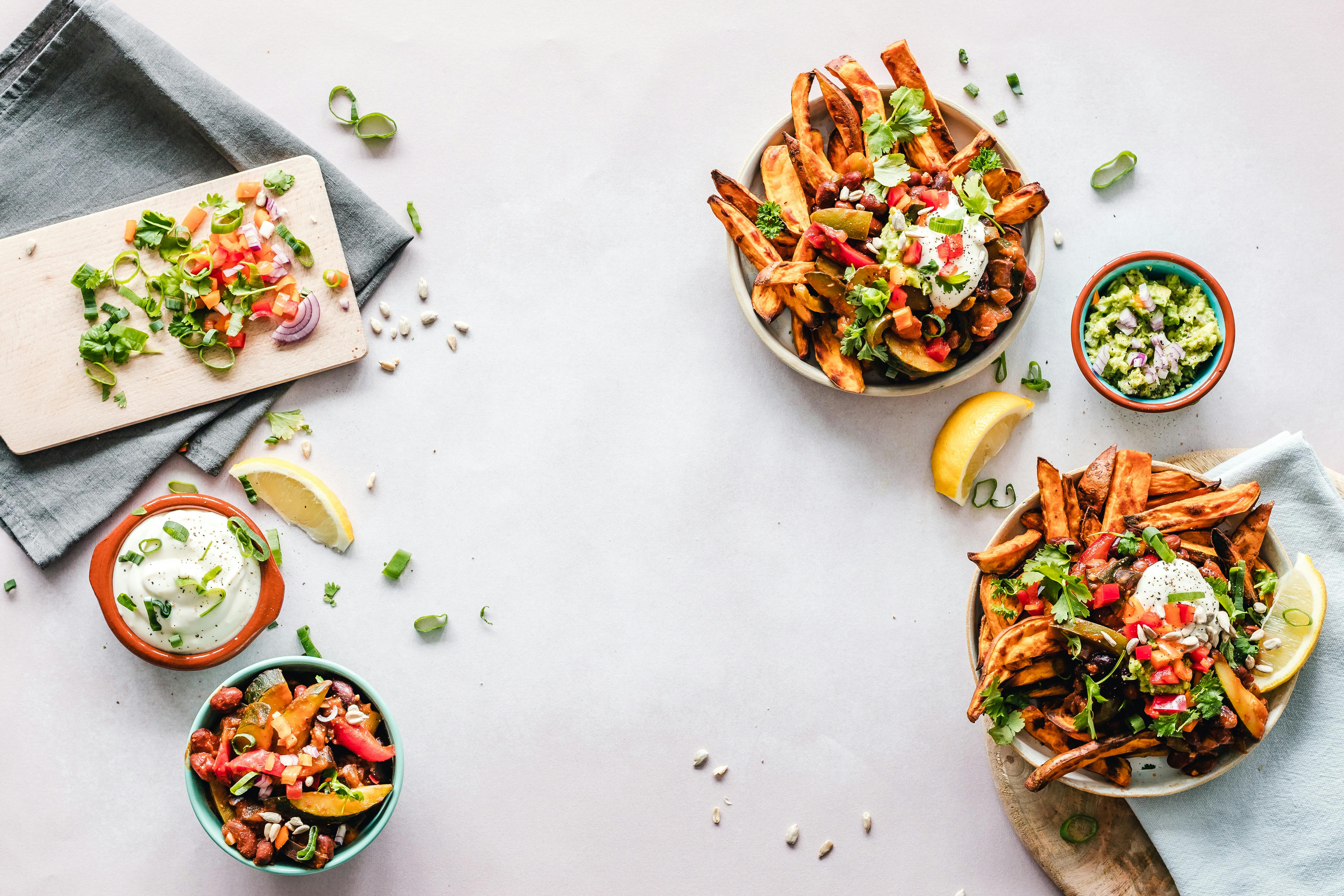
You don’t need fancy devices to support blood sugar. Many home cooks naturally build “metabolic” meals without realizing it. Here’s an example day that balances flavor, culture, and glucose-friendlier choices.
Breakfast: Steady, Not Sugary
Think: Protein + fiber + healthy fat.
- Greek yogurt or plant-based yogurt with berries, nuts, and seeds.
- Scrambled eggs with sautéed spinach and a slice of whole-grain toast.
- Oatmeal made with milk or soy milk, topped with peanut butter and sliced apple.
Lunch: Colorful and Satisfying
Mix vegetables, protein, and a smart portion of carbs:
- Grain bowl with quinoa or brown rice, roasted vegetables, chickpeas, and tahini.
- Hearty salad with mixed greens, grilled chicken or tofu, beans, and olive oil dressing.
- Leftover stir-fry with lots of veg, tofu or shrimp, and a modest bed of rice.
Dinner: Comfort with Balance
Bring in family favorites, but play with portions and pairings:
- Favorite pasta dish with extra vegetables and a side salad first.
- Bean chili with a small serving of cornbread and a crunchy slaw.
- Salmon or tempeh with roasted potatoes and broccoli, plus a short walk afterward.
Beyond Blood Sugar: Other Pieces of the Metabolic Health Puzzle
Glucose is just one marker among many. Future nutrition trends are already pointing toward a broader “biomarker” focus—lipids, inflammation, gut health, and sleep metrics may all take a turn in the spotlight.
For robust metabolic health, food should be considered alongside:
- Movement: Regular activity improves insulin sensitivity and blood lipids.
- Sleep: Short or poor-quality sleep can worsen insulin resistance and cravings.
- Stress: Chronic stress hormones can push blood sugar up, even with good meals.
- Medical care: Screenings, medications when needed, and professional guidance.

Practical Tips to Use Metabolic Health Trends Without Losing the Joy of Eating
Whether you wear a CGM or just listen to your body, you can borrow the best of these trends and leave the rest. Here are accessible ways to begin:
- Start with one meal: Try building a higher-protein, higher-fiber breakfast and notice your energy till lunch.
- Add a veggie course: Have a small salad, soup, or vegetable side before your main carb-heavy dish.
- Walk it out: Aim for a 10–15 minute walk after one meal per day. See how you feel.
- Swap, don’t eliminate: Trade some ultra-processed snacks for nuts, fruit, yogurt, or hummus and veggies, rather than banning treats entirely.
- Notice your own patterns: You are the best expert on your body. Track how different meals affect your hunger, mood, and focus, with or without gadgets.
The Future of Food: From Diets to Data-Driven Eating
Metabolic health diets signal a shift away from one-size-fits-all plans toward more personalized, feedback-driven eating. Today the focus is blood sugar; tomorrow it might include wearable lipid monitors or real-time inflammation markers. Through it all, the timeless foundations remain: plenty of plants, thoughtful portions of quality protein and fats, movement you enjoy, and meals that feel nourishing—body and soul.
Use the data if it helps you, ignore the noise that stresses you, and keep cooking in a way that honors both your health and your heritage. A truly metabolically healthy life still has room for celebration dinners, passed-down recipes, and the sheer pleasure of a meal shared with people you love.
