
Gut-Glowing Bowls: A Comforting Kimchi, Kefir & Fiber-First Power Meal for Happy Digestion
Gut-Friendly Kimchi & Kefir Power Bowl (Fiber-First Fermented Superfood Recipe)
Gut health isn’t just a trend anymore—it’s changing the way we build our plates. This cozy, savory gut-friendly kimchi & kefir power bowl celebrates modern “fermented superfoods” like kimchi, kefir, and high-fiber plants while staying deeply satisfying and easy enough for a weeknight.
Think of it as a flexible template: warm whole grains for steady energy, creamy kefir-tahini sauce for tang and probiotics, crisp veggies for crunch, silky avocado and beans for fiber and fullness, and a bright crown of kimchi for that irresistible spicy funk. It’s the kind of bowl that makes your kitchen smell toasty and comforting while quietly doing beautiful things for your microbiome.
Recipe Snapshot
Prep Time: 20 minutes
Cook Time: 25 minutes
Total Time: 45 minutes
Servings: 2–3 bowls
Difficulty: Easy
Dietary: High-fiber, gut-friendly, vegetarian (with easy vegan & gluten-free options)
Visual Preview

The beauty of this bowl is in the contrast: warm, nutty grains; cool, crunchy vegetables; creamy, tangy kefir sauce; and that bright, garlicky, chili-laced kimchi aroma that makes your mouth water before you even sit down.
Why Fermented Superfoods & Fiber-First Eating Are Everywhere
Over the last few years, gut health has moved from obscure science to everyday conversation. We see kefir shots in fridges, kimchi next to ketchup, and high-fiber “gut bowls” all over social media. Behind the trend is growing research on the gut microbiome—the trillions of microbes in your digestive tract that help with digestion, immunity, and even signals along the gut–brain axis.
- Fermented foods like kefir, kimchi, sauerkraut, miso, tempeh, and kombucha bring in live microbes and fermentation by-products.
- Fiber-rich plant foods—whole grains, beans, lentils, chickpeas, veggies, fruits, nuts, and seeds—feed these microbes as prebiotics.
- Personalized gut responses mean some people thrive on lots of fermentation, while others with IBS or SIBO need a gentler, low-FODMAP approach.
A diverse, plant-rich diet with regular, tolerated fermented foods is one of the simplest practical patterns that aligns with current gut health research.
Ingredients for Kimchi & Kefir Gut-Health Power Bowl
This recipe is designed as a template. Use what you have, and don’t stress over perfection—your gut microbes love variety more than strict rules.
For the Fiber-First Grain & Bean Base
- 1 cup (180 g) cooked whole grains – brown rice, quinoa, barley, or millet
- 1 cup (170 g) cooked beans or lentils – chickpeas, black beans, or lentils
- 1 tbsp extra-virgin olive oil
- 1 small garlic clove, minced (optional, adjust if sensitive)
- 1 tsp soy sauce or tamari (use gluten-free tamari if needed)
- 1/4 tsp ground turmeric or smoked paprika (optional, for color and flavor)
- Pinch of salt and pepper, to taste
For the Gut-Friendly Kefir Sauce
- 1/2 cup (120 ml) plain kefir (dairy or unsweetened coconut/soy kefir)
- 2 tbsp tahini or plain Greek yogurt
- 1–2 tsp lemon juice or apple cider vinegar
- 1 tsp honey or maple syrup (optional, for balance)
- 1–2 tbsp finely chopped fresh herbs – parsley, dill, or chives
- Pinch of salt
For the Toppings (Probiotic & Fiber Party)
- 1/2–3/4 cup (75–110 g) kimchi, roughly chopped if in large pieces
- 1/2 small avocado, sliced
- 1/2 cup (50 g) shredded red or green cabbage
- 1 small carrot, julienned or grated
- 1 small cucumber, thinly sliced
- 2 tbsp toasted seeds – pumpkin, sunflower, or sesame seeds
- 2 tbsp spring onion or chives, finely sliced
- 1 tsp toasted sesame oil (optional, for aroma)
Equipment You’ll Need
- Medium non-stick or cast-iron skillet for warming grains and beans
- Mixing bowl for kefir sauce
- Sharp knife and cutting board
- Measuring cups and spoons
- 2–3 serving bowls
Step-by-Step Visual Guide
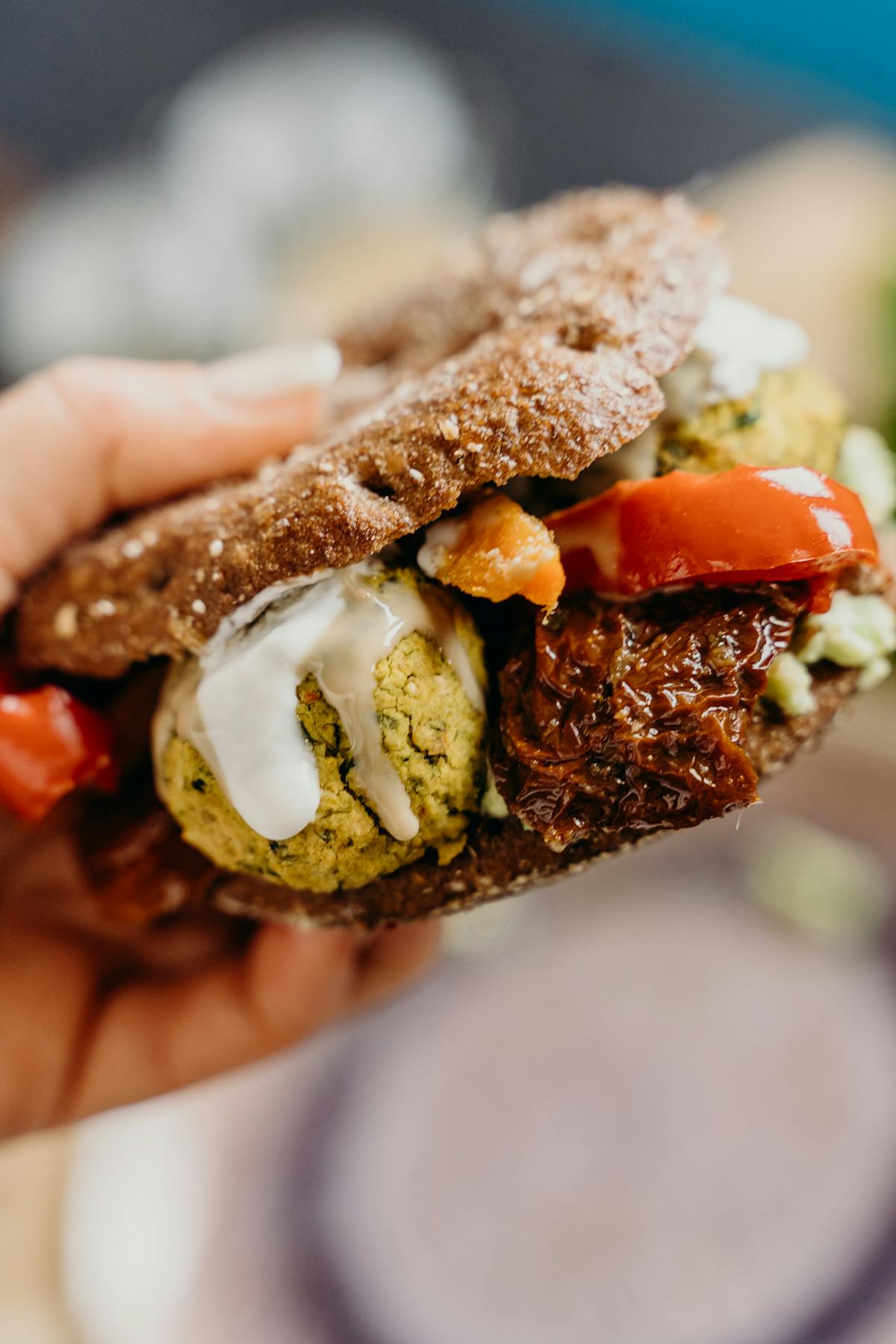


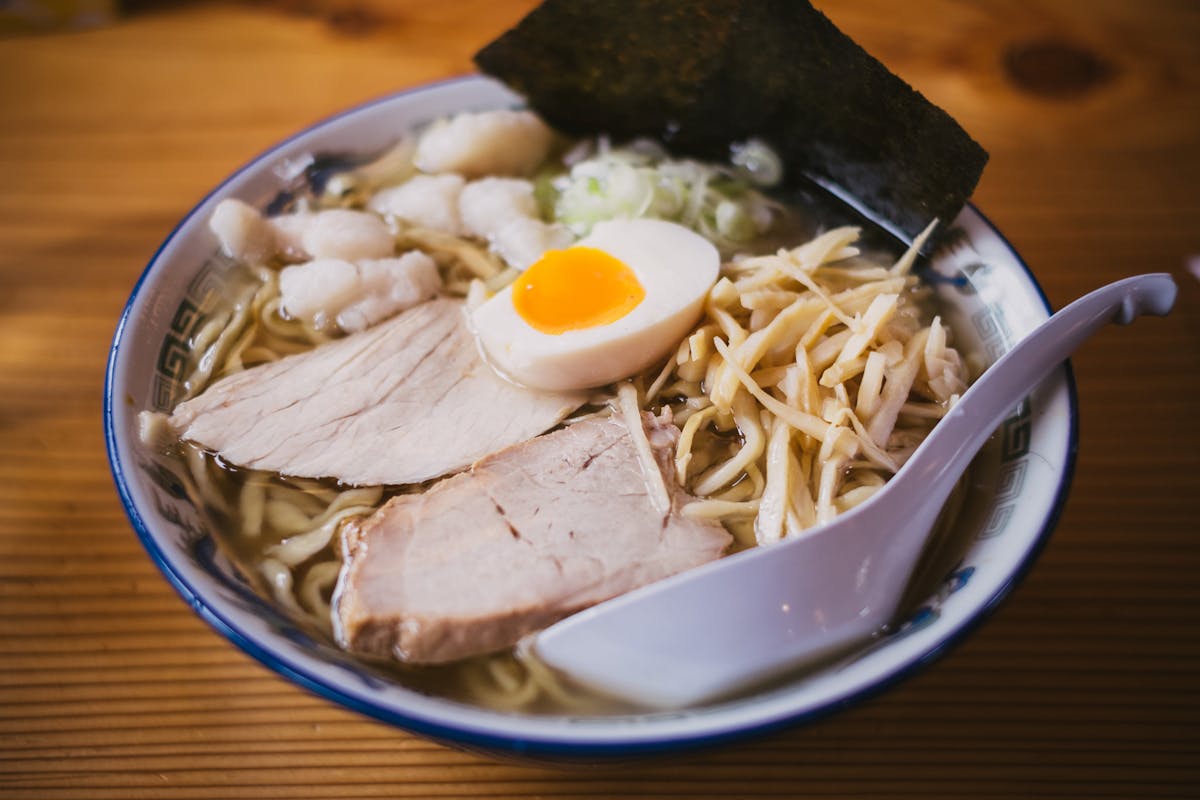
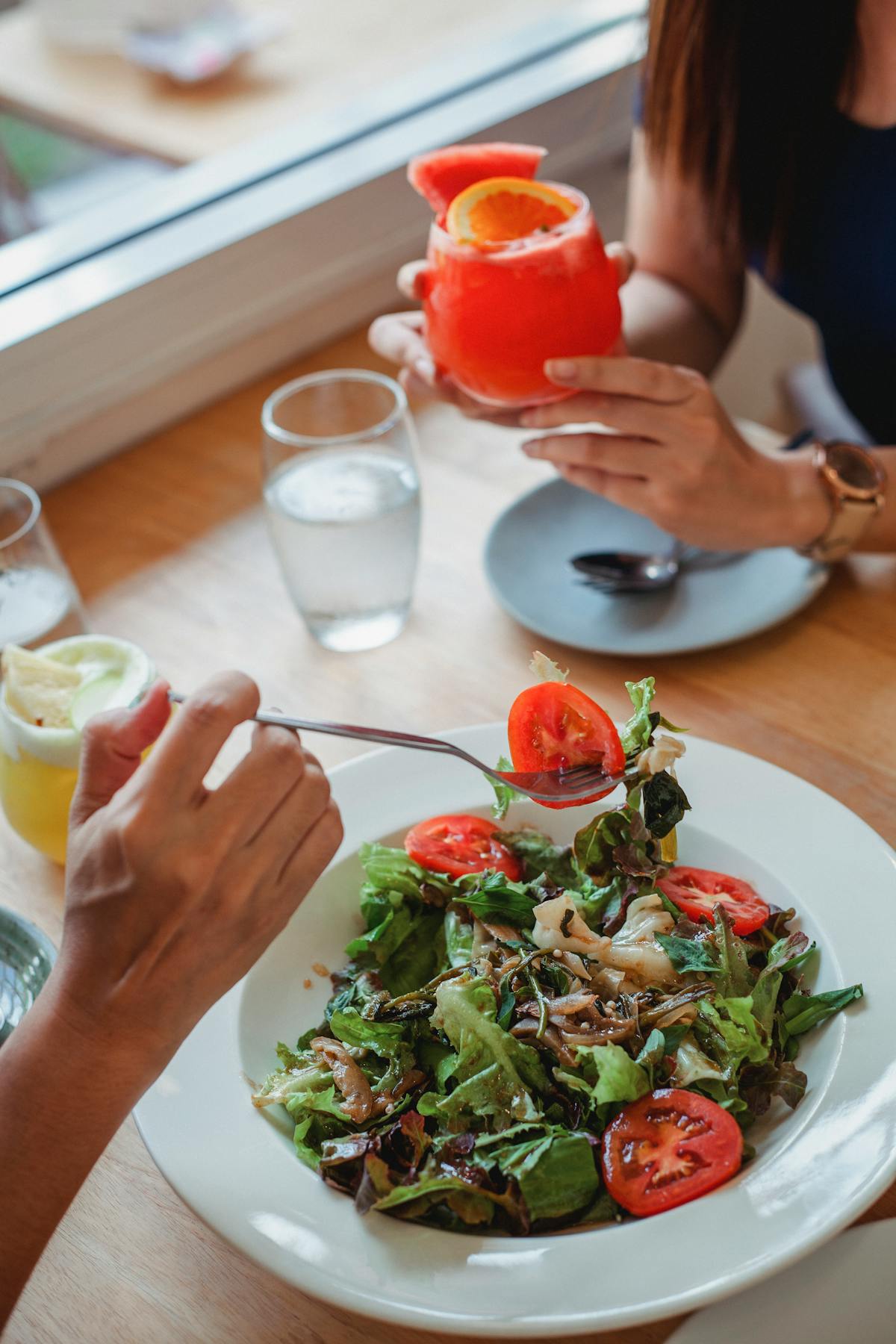
How to Make the Gut-Friendly Kimchi & Kefir Power Bowl
Cook or reheat your whole grains.
If you don’t have cooked grains, prepare them according to package directions (e.g., simmer brown rice in water with a pinch of salt until tender). If using leftover grains, break up any clumps with a fork.Warm the grain & bean base.
Heat a skillet over medium heat and add the olive oil. When it shimmers, add the minced garlic (if using) and sauté for 30 seconds until fragrant, not browned. Stir in the cooked grains and beans, soy sauce or tamari, and turmeric or paprika. Cook for 3–5 minutes, stirring, until heated through and lightly toasted at the edges. Season with salt and pepper to taste. Divide between 2–3 bowls.Mix the kefir sauce.
In a small bowl, whisk together kefir, tahini or yogurt, lemon juice, honey or maple (if using), chopped herbs, and a pinch of salt. Taste and adjust: more lemon for brightness, more tahini for richness, or a splash of kefir if you’d like it thinner. It should be pourable, tangy, and slightly creamy.Prep the fresh toppings.
Shred the cabbage, julienne or grate the carrot, and slice the cucumber and avocado. Roughly chop the kimchi if pieces are large. This is where your bowl gets its crunch, color, and extra fiber.Assemble the fiber-first bowls.
Arrange the cabbage, carrot, cucumber, avocado, and kimchi on top of the warm grain and bean base in little “piles,” so each topping keeps its texture. Sprinkle with toasted seeds and sliced spring onion or chives. Drizzle with the kefir sauce and a few drops of toasted sesame oil, if using.Taste & customize.
Take a bite that includes a bit of everything. If you want more heat, add extra kimchi or a pinch of chili flakes. For more creaminess, spoon on additional kefir sauce. If salt feels low, a tiny splash of tamari on top usually does the trick.
Taste, Texture & Aroma: What to Expect
This bowl is all about layered sensations:
- Taste: Savory, gently tangy, and lightly spicy. The grains and beans are comforting and nutty, while the kimchi adds garlicky heat and acidity. The kefir sauce ties everything together with a yogurt-like tang.
- Texture: Warm and soft grains, tender beans, crisp cabbage and carrot, cool juicy cucumber, silky avocado, and crunchy toasted seeds in every forkful.
- Aroma: Toasted grain and sesame, fresh herbs, and that unmistakable fermented perfume from kimchi and kefir—sharp, appetizing, and a little addictive.
- Appearance: A rainbow in a bowl: greens, oranges, creamy whites, pink-red kimchi, and earthy grains. It’s the kind of meal that looks like wellness without feeling “diet-y.”
Gut-Friendly Variations & Adaptations
For Sensitive Digestion or IBS
- Use smaller portions of fermented foods at first (1–2 tablespoons of kimchi) and slowly increase as tolerated.
- Swap some or all beans for firm tofu, tempeh, or extra grains if legumes tend to bloat you.
- Skip raw garlic and onions; use garlic-infused oil for flavor instead.
High-Protein Gut Health Bowl
- Add a soft-boiled egg, grilled tempeh, or baked salmon on top.
- Whisk a spoonful of Greek yogurt or silken tofu into the kefir sauce for extra creaminess and protein.
Plant-Based & Vegan
- Use water kefir or coconut kefir and rely on tahini for creaminess.
- Ensure your kimchi is fish sauce–free (many brands are naturally vegan).
Seasonal Twists
- Spring/Summer: Add cherry tomatoes, fresh herbs, and lightly grilled zucchini.
- Autumn/Winter: Use roasted sweet potato, Brussels sprouts, or squash as an extra topping for a cozy, caramelized sweetness.
Storage, Meal Prep & Reheating
This recipe is perfect for meal prep if you keep components separate so textures stay vibrant and the probiotics in fermented foods remain happy.
- Grain & bean base: Store in an airtight container in the fridge for up to 4 days. Reheat in a skillet with a splash of water or in the microwave until piping hot.
- Kefir sauce: Keep in a sealed jar in the fridge for 3–4 days. Shake or stir before using; it may separate slightly.
- Fresh veggies: Store prepped cabbage, carrot, and cucumber in separate containers or compartments with a paper towel to absorb moisture; use within 3–4 days.
- Kimchi: Keep jarred in the fridge, tightly sealed; it can last for weeks or longer, getting tangier over time.
To pack for lunch: Place grains and beans at the bottom of your container, add veggies on top, pack kimchi and kefir sauce in separate small containers, and add them just before eating.
Serving Suggestions & Complementary Dishes
This bowl is satisfying on its own, but it can also anchor a wider gut-friendly spread.
- Serve with a side of miso soup or a small cup of kombucha for an extra fermented boost.
- Add a simple citrus and leafy green salad dressed with olive oil and lemon for even more fiber diversity.
- Finish the meal with a piece of fruit (like kiwi, berries, or an apple with skin) to gently extend that fiber-first philosophy.
For a cozy evening, I love pairing this bowl with herbal tea—ginger, peppermint, or roasted barley tea all feel soothing after a fiber-rich, fermented meal.
Gentle Gut-Health Notes & Safety
While fermented foods and fiber-rich dishes like this bowl can support many people’s digestion, immunity, and overall well-being, gut health is highly individual.
- If you’re new to fermented foods, start small (a few forkfuls of kimchi or a couple of spoonfuls of kefir sauce) and build up slowly.
- Those with specific medical conditions (e.g., active IBD flare, SIBO, or post-surgical gut issues) should check with a healthcare professional or registered dietitian for tailored advice.
- Pay attention to your body’s feedback—bloating, discomfort, or changes in bowel habits are signals to adjust portions or ingredients.
This recipe is meant as a culinary tool, not a medical treatment—but it can absolutely be part of a pattern that makes your meals more colorful, plant-rich, and microbiome-friendly.
Final Bowl Inspiration
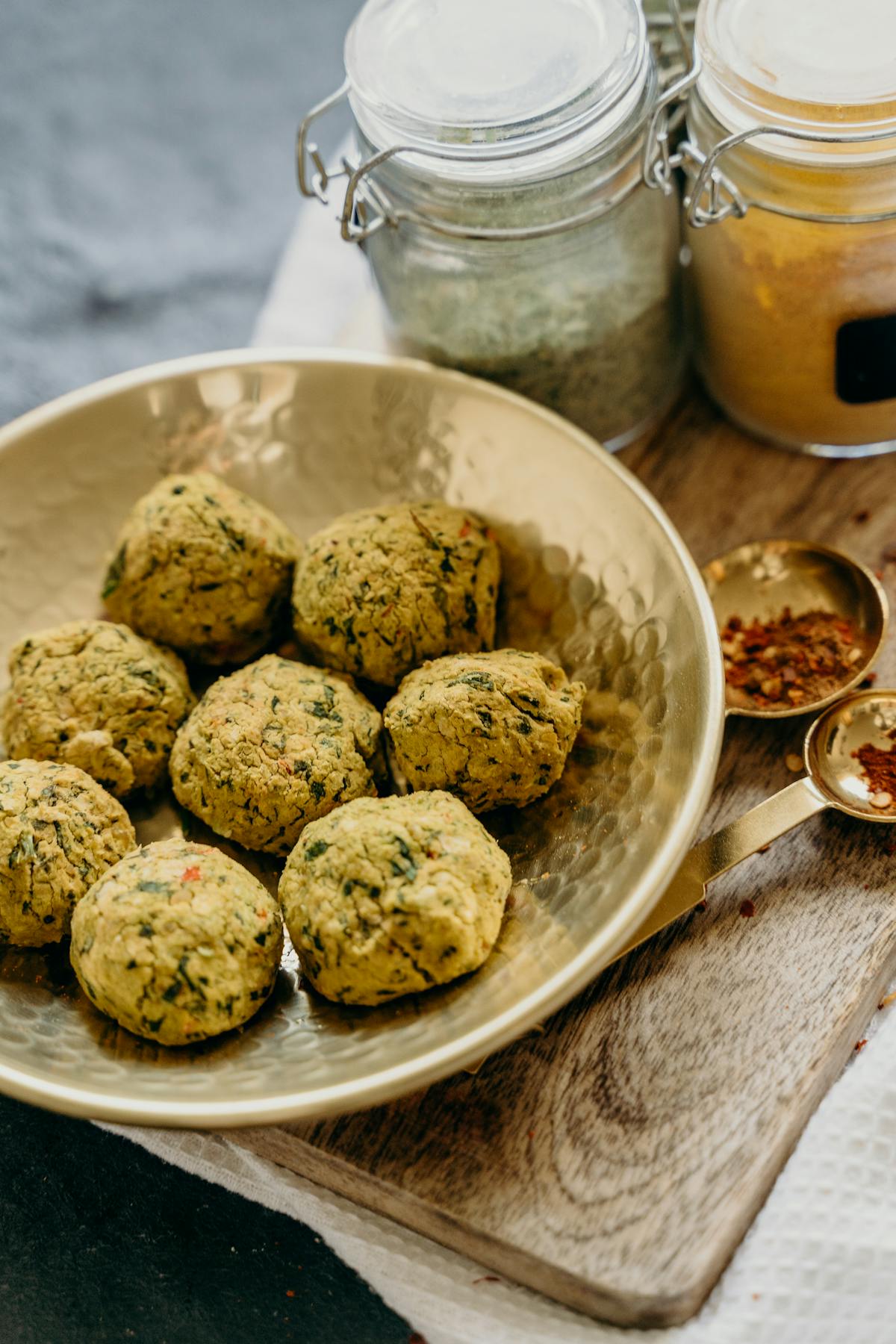
Don’t worry about building the “perfect” gut-health meal. Focus on variety, color, and how you feel after you eat. With a few jars of fermented foods in your fridge and a pot of whole grains on the stove, you’ll have the foundation for countless nourishing, microbiome-loving bowls like this one.
