
Why Flu Cases Are Surging in Washington (Especially in Kids) — And What Families Can Do Right Now
If it feels like “everyone” around you in Washington is getting the flu right now, you’re not imagining it. Flu activity is high across the state, and local hospitals are reporting that kids and older adults are being hit especially hard — just as the CDC adjusts some of its flu vaccine recommendations for this season.
In this guide, we’ll break down what’s happening with flu cases in Washington, what the new vaccine guidance actually means for your family, and the practical, evidence-based steps you can take today to lower your risk — even if you feel like flu season is already in full swing.
Flu Is Snowballing in Washington: What the Latest Data Show
According to the latest reports from Washington State public health officials (as of early January 2026), influenza cases began climbing in mid-December and have accelerated sharply in the first weeks of January. This pattern mirrors national CDC data, which show elevated flu activity across much of the U.S.
Two groups are particularly affected:
- Children: More outpatient visits, urgent care visits, and hospital admissions for flu-like illness, especially in school-aged kids.
- Older adults (65+): Higher hospitalization rates, severe complications like pneumonia, and more ICU admissions.
Flu seasons vary from year to year, but when cases “snowball” quickly like this, health systems can feel the strain — especially when flu overlaps with RSV and COVID-19, which is happening again this winter.
“Seasonal influenza can cause mild to severe illness, and at times can lead to death. Older adults, young children, and people with certain health conditions are at higher risk of serious flu complications.”
— Centers for Disease Control and Prevention (CDC)
What’s Changed in CDC Flu Vaccine Recommendations?
For most people, the CDC continues to recommend annual flu vaccination for everyone 6 months and older, with very few exceptions. However, national guidance evolves over time as new data become available about vaccine performance, safety, and the balance of benefits and risks in specific groups.
Recent adjustments to federal recommendations (reflected in ACIP and CDC guidance leading into the 2025–26 season) include:
- Fine-tuning who should get which type of flu vaccine.
For example, high-dose or adjuvanted flu vaccines are preferred for adults 65+ when available because evidence suggests they can provide stronger protection in this age group. - Clarifying guidance for people with certain medical conditions.
For instance, people with a history of severe allergic reactions to specific vaccine components may be steered away from certain formulations (like egg-based vs. cell-based vaccines). - Ongoing evaluation of the nasal spray flu vaccine (LAIV).
The nasal spray is approved only for healthy, non-pregnant people ages 2–49, and its use can be limited if effectiveness data lag behind that of injected vaccines in a given season.
You might see headlines about the government “dropping” or “scaling back” some recommendations. In practice, what’s happening is more nuanced: experts are trying to match the right flu vaccine to the right person, rather than assuming one-size-fits-all.

Who’s Most at Risk in This Flu Wave — and Why Kids Are So Affected
While anyone can get the flu, certain groups in Washington are facing higher risks this season. Based on CDC and state-level patterns, pay particular attention if flu is spreading in households that include:
- Children younger than 5 (especially under age 2)
- Adults 65 and older
- People who are pregnant or recently postpartum
- People with chronic conditions like asthma, diabetes, heart disease, or weakened immune systems
- Residents of long-term care facilities
Kids are often at the center of community spread for a simple reason: they gather closely in schools and daycares, touch everything, and may not yet have strong hygiene habits. Their immune systems are still building experience against different flu strains, which can mean higher fever and more severe symptoms.
“In pediatric practice, we’re seeing the classic flu story: one child brings it home from school, then siblings, parents, and even grandparents get sick in quick succession.”
— Local pediatrician, Seattle metro area (composite case reflection)
For older adults, the risk is different. Aging immune systems can struggle to mount a strong response, making complications like pneumonia, hospitalization, or heart attacks more likely after a flu infection.
How to Protect Your Family in Washington Right Now
Even with high flu activity, there’s still a lot you can do — and starting now is almost always better than doing nothing. Think of protection in three layers: vaccination, daily habits, and early treatment when needed.
1. Get Vaccinated (If You Haven’t Yet)
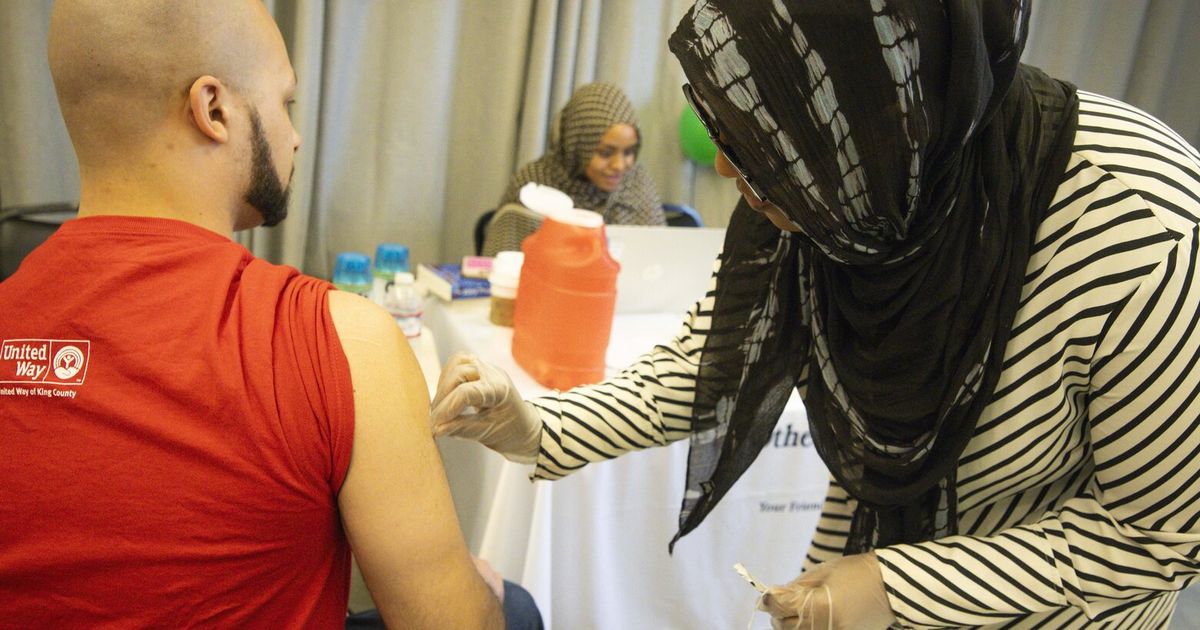
- Timing: CDC guidance notes that flu vaccination can be beneficial as long as flu viruses are circulating — even in January or February.
- For kids: Children 6 months–8 years getting vaccinated for the first time may need two doses, a few weeks apart. Ask your pediatrician if your child needs a second dose.
- For adults 65+: Ask about high-dose or adjuvanted flu vaccines, which may offer better protection for this age group.
- Allergies or concerns: Most people with egg allergy can now safely receive any age-appropriate flu vaccine. Still, discuss severe allergy history with your clinician.
2. Tighten Up Everyday Prevention Habits
The same classic tools we used heavily earlier in the COVID-19 pandemic still work for flu:
- Wash hands with soap and water regularly (20 seconds, especially after coughing, sneezing, or being in public spaces).
- Use alcohol-based hand sanitizer when sinks aren’t available.
- Cover coughs and sneezes with your elbow or a tissue, then wash or sanitize.
- Stay home and keep kids home when sick, especially for the first 3–4 days of symptoms.
- Consider masking in crowded indoor settings, especially if you or a household member is high-risk.
- Improve ventilation at home and work by opening windows or using HEPA or high-quality filters where feasible.
3. Plan Ahead for Illness and Treatment
Have a simple “flu plan” ready so you’re not scrambling if someone spikes a fever overnight:
- Know which clinic, urgent care, or telehealth service you’d use outside of regular hours.
- Keep fever reducers (like acetaminophen or ibuprofen), a thermometer, and oral rehydration options on hand — and know safe doses for each family member.
- Ask your provider in advance whether flu antivirals (like oseltamivir/Tamiflu) would be appropriate for you or your child if symptoms start, since these work best within 48 hours of onset.
- Identify a backup caregiver or friend who can help with groceries, school pick-ups, or checking in if a high-risk family member becomes ill.

A Real-Life Example: How One Washington Family Reduced Their Risk Mid-Season
Consider a composite story drawn from several families in the Seattle area this season:
A family of four — two working parents, a 7-year-old in elementary school, and a 3-year-old in daycare — had delayed flu shots, assuming they’d “get to it later.” By late December, their oldest came home with a class notice about multiple flu cases, and a neighbor’s child was hospitalized.
They called their pediatrician, who confirmed that:
- It was still worthwhile for healthy kids and adults to get vaccinated, even though cases were rising.
- Because the 3-year-old had asthma, starting antiviral treatment quickly would be especially important if symptoms appeared.
- They should monitor for specific red-flag symptoms and could use a local nurse advice line after hours.
The family scheduled same-week vaccines at a nearby pharmacy, reviewed symptom checklists, and set up a “sick station” at home with thermometers, fluids, and masks. In early January, the 7-year-old still caught the flu — but symptoms were moderate, managed at home, and no one else in the household needed hospitalization.
Not every story turns out this way, of course, but this example illustrates an important point: even mid-season, small, proactive steps can meaningfully reduce risk and intensity for many families.
Common Obstacles (and How to Work Around Them)
When flu is surging, plenty of people still aren’t vaccinated or don’t practice consistent prevention — often for understandable reasons. Here are a few common barriers and realistic workarounds:
“I’m worried about side effects.”
Many people feel nervous about vaccines in general or had a rough experience with a shot in the past. Flu vaccines can cause sore arms, a day of fatigue, or mild fever — signs your immune system is responding. Serious side effects are rare, especially compared with the risks of complications from the flu itself, particularly for high-risk groups.
Workaround: Ask your provider to walk through your specific concerns, including prior reactions. You can also request to stay at the clinic for 15–30 minutes after the shot for reassurance.
“We’re too busy to schedule appointments.”
Between school, work, and caregiving, adding another appointment can feel impossible.
Workaround:
- Use pharmacies offering walk-in or evening flu shots.
- Check if your child’s school or your workplace is hosting a vaccine clinic.
- Combine flu shots with other planned visits, like well-child checks.
“I heard the flu shot doesn’t always work.”
It’s true that flu vaccine effectiveness varies by season and age group. But even in years when protection against infection is moderate, vaccination often:
- Reduces the risk of hospitalization and ICU stays
- Lowers the chance of severe complications like pneumonia
- Shortens the duration and intensity of illness for many people
Think of it like wearing a seatbelt: it doesn’t prevent every crash, but it greatly improves your odds if one happens.
Where to Find Reliable, Up-to-Date Flu Information
Flu seasons evolve quickly. For the latest information specific to Washington and the current year’s vaccine guidance, use these trusted sources:
- Washington State Department of Health – Weekly flu surveillance reports, public health advisories, and local guidance.
- CDC Influenza (Flu) Page – National data, vaccine recommendations, and detailed information on high-risk groups.
- ACIP Recommendations – Technical but authoritative details on who should receive which vaccines each season.
- Your local health system’s website or patient portal – Often lists nearby flu shot clinics, telehealth options, and after-hours nurse lines.
Moving Forward: Small Steps Now Can Make a Big Difference
Washington’s flu season is picking up speed, and it’s understandably worrying to see more kids and older adults getting seriously ill. You can’t control every exposure, but you can stack the odds in your favor — even mid-season — with layered protection.
To recap, consider taking these next steps in the next 24–48 hours:
- Schedule flu shots for everyone eligible in your household, or confirm if you’re already protected this season.
- Review and reinforce simple prevention habits at home: handwashing, staying home when sick, and masking in high-risk settings.
- Set up a basic flu plan: who to call, where to go, and what to watch for if someone becomes ill.
You don’t need to do everything perfectly. Start with the easiest step for you — whether that’s booking a pharmacy appointment, stocking up on fluids and fever reducers, or talking with your child’s doctor about their risk. Those small, practical moves really can soften the impact of a tough flu season for you, your family, and your community.

If you’re unsure where to start, reach out to your health care provider or local health department today and ask: “Given what’s happening with flu in Washington right now, what should I do for my family?”
