
Mushroom Mania: How Lion’s Mane, Cordyceps, and Functional Fungi Became the Coziest New Superfoods
Mushroom Mania: Lion’s Mane, Cordyceps, and Functional Fungi as Superfoods
Functional mushrooms like lion’s mane, reishi, chaga, cordyceps, and turkey tail have stepped into the spotlight, swirling into coffees, blending into snack bars, and even starring in “crab” cakes on dinner tables. This is where cozy home cooking meets the new wave of food-as-medicine: we’ll unpack the trend, gently reality-check the health claims, and then head into the kitchen to cook a golden, crisp lion’s mane “crab cake” you can proudly serve to mushroom fans and skeptics alike.
Whether you’re mushroom-curious, dabbling in adaptogens, or simply craving a savory, plant-based recipe, this guide will walk you through the flavors, textures, and techniques that make functional fungi so compelling—without needing a degree in mycology or nutrition science.
Why Functional Mushrooms Are Trending Everywhere
Over the last few years, functional mushrooms have gone from dusty jars in health food stores to glossy cans and kraft-paper pouches filling our feeds. They tap into that sweet spot where earthy aesthetics, gentle wellness promises, and plant-based eating collide.
- Adaptogen & nootropic buzz: Many people are hunting for calmer focus and stress support, reaching for mushrooms alongside herbs like ashwagandha and rhodiola.
- Product innovation: Mushroom coffee, hot chocolate, protein bars, gummies, and capsules show up with stylish branding and influencer collabs.
- Storytelling & aesthetics: Foraging photos, misty forests, and sculptural lion’s mane clusters make irresistible social media content.
At the same time, health professionals online are urging a balanced view: the early research is intriguing, but many bold claims are still ahead of the evidence—especially at the small doses often found in trendy drinks.

Meet the Stars: Lion’s Mane, Cordyceps, Reishi & More
While humble button mushrooms still have a beloved place in pastas and pizzas, this trend leans into more exotic species often called “medicinal” or “functional” mushrooms. Here’s a quick tour, in plain language.
Lion’s Mane (Hericium erinaceus)
With its shaggy white cascades, lion’s mane looks almost like a sea anemone. When you slice and sear it, the texture turns surprisingly meaty and slightly stringy—perfect for plant-based “crab” cakes or scallop-style medallions.
Online, lion’s mane is often linked with focus and brain health. Early lab and animal studies explore its effects on compounds related to nerve growth, but human evidence is still limited and mostly small-scale. Still, as a culinary mushroom, it’s a beautiful way to add variety, texture, and umami to your meals.
Reishi (Ganoderma lucidum)
Reishi is sometimes called the “mushroom of immortality” in traditional East Asian herbalism. It’s bitter and woody, so you’ll rarely see it sautéed in a pan; instead, it’s simmered in broths or used in tinctures and teas.
On social media, reishi is branded as the “chill” mushroom for relaxation and stress support. Once again, though, remember that supplement doses, product quality, and individual responses can vary widely.
Cordyceps (Cordyceps militaris)
Cordyceps has a wild backstory—some species grow on insects in nature—yet cultivated, vegan-friendly varieties are now common in powders and capsules. It’s promoted for energy and exercise performance, so you’ll often see it mixed into pre-workout blends and mushroom coffees.
Chaga & Turkey Tail
Chaga looks like a gnarly chunk of burnt wood on birch trees, but inside it brews into an earthy, tea-like infusion. Turkey tail fans out into multi-colored, layered shelves on logs and stumps, rich in distinctive fibers and polysaccharides.
Both are marketed heavily for immune and antioxidant support. In research, specific extracts at controlled doses are often used—quite different from the sprinkle that might end up in your hot chocolate.
In many traditional cuisines, mushrooms aren’t “magic bullets” but steady, nourishing ingredients—sliced into soups, braised with grains, or dried for winter broths.
Are Functional Mushrooms Really Superfoods?
“Superfood” is more of a marketing term than a scientific one, but mushrooms do bring genuine nutritional strengths to the table—especially when you eat them as part of everyday meals.
- Beta-glucans: These are soluble fibers that may play a role in supporting immune function and gut health.
- Low in calories, rich in nutrients: Mushrooms can provide B vitamins, copper, selenium, and other trace minerals while keeping dishes light.
- Umami depth: Their savory flavor can help you reduce the need for excess salt or heavily processed seasonings.
The key is to see functional fungi as one flavorful piece of a bigger picture: a balanced, mostly plant-forward diet, good sleep, movement, and stress management. A mushroom latte on its own can’t fix burnout—but it can be a comforting ritual nestled within healthier habits.
How Functional Mushrooms Show Up: Coffee, Powders & Snacks
Once you start looking, functional fungi are everywhere. Here are the most common ways they appear in modern kitchens and wellness routines:
Mushroom Coffee & Lattes
These can be instant mixes or ground coffee blended with dried mushroom powders (often lion’s mane, chaga, reishi, or cordyceps). They’re marketed as:
- Lower in caffeine with smoother, sustained energy.
- Potentially easier on the stomach than strong black coffee.
- A simple way to “stack” mushrooms into a daily habit.
Powders, Extracts & Tinctures
These concentrated forms can be stirred into smoothies, oats, lattes, or even batters. Because quality and potency vary, it’s worth choosing brands that:
- Specify whether they use the fruiting body (the actual mushroom) vs. mycelium on grain.
- Provide third-party testing for contaminants and active compounds when possible.
Culinary Creations
This is where the fun really starts for home cooks. Lion’s mane “crab” cakes, smoked mushroom “bacon,” hearty miso broths with reishi, and mushroom-heavy stir-fries all showcase functional fungi as actual food, not just powders.
Recipe: Crispy Lion’s Mane “Crab” Cakes (Plant-Based)
Now for the delicious part. Lion’s mane has a naturally tender, slightly shreddy texture that mimics crab surprisingly well. In this recipe, we gently tear the mushroom into chunks, season it with lemon, herbs, and a whisper of seaweed, then pan-sear patties until the outsides are deeply golden and crisp while the centers stay moist and flaky.
Prep time: 20 minutes
Cook time: 15 minutes
Total time: 35 minutes
Servings: 8 small cakes (2–4 servings)
Difficulty: Easy–Moderate
Diet: Vegetarian, easily made vegan
Equipment You’ll Need
- Cutting board and sharp knife
- Mixing bowl
- Small bowl for sauce (optional)
- Measuring cups and spoons
- Nonstick or well-seasoned skillet
- Spatula
- Paper towels or clean kitchen towel for patting mushrooms dry

Ingredients for Lion’s Mane “Crab” Cakes
For the Cakes
- 250–300 g (about 9–10 oz) fresh lion’s mane mushrooms, cleaned and patted dry
- 2 tbsp (30 ml) olive oil, plus more for frying
- 1 small shallot or 1/4 small red onion, finely minced
- 1 small stalk celery, very finely diced
- 2 tbsp (8 g) chopped fresh parsley (or 2 tsp dried)
- 1 tsp Old Bay seasoning or other seafood-style seasoning blend
- 1/2 tsp fine sea salt, plus more to taste
- 1/4 tsp freshly ground black pepper
- 1 tsp lemon zest (from about 1/2 lemon)
- 1 tbsp (15 ml) lemon juice
- 1 tsp finely crumbled nori or other seaweed flakes (optional, for “sea” flavor)
- 1 large egg or 1 tbsp ground flaxseed mixed with 3 tbsp water (vegan option)
- 1/3–1/2 cup (35–55 g) breadcrumbs (use gluten-free if needed)
Quick Lemon Herb Sauce (Optional but Delicious)
- 1/2 cup (120 g) plain yogurt or vegan mayo
- 1 tbsp (15 ml) lemon juice
- 1 tsp Dijon mustard
- 1 tbsp (4 g) chopped fresh herbs (parsley, dill, or chives)
- Pinch of salt and pepper, to taste
Step-by-Step Instructions

- Prepare the lion’s mane.
Gently brush off any dirt from the mushroom with a soft brush or damp towel. Avoid soaking in water. Tear the lion’s mane into bite-sized chunks or thick shreds that resemble pieces of crab meat. - Pre-cook for better texture.
Heat 1 tbsp olive oil in a skillet over medium heat. Add the torn lion’s mane and a small pinch of salt. Sauté for 5–7 minutes, stirring occasionally, until the pieces release moisture and begin to lightly brown. This step concentrates the flavor and firm ups the texture.
Transfer to a plate and let cool for a few minutes. - Mix the base.
In a mixing bowl, combine the cooled lion’s mane, minced shallot, diced celery, parsley, Old Bay seasoning, salt, pepper, lemon zest, lemon juice, and seaweed flakes (if using). Toss gently so the mushrooms don’t break down too much. - Add binder and breadcrumbs.
Beat the egg in a small bowl (or stir together flax and water and let sit 5 minutes to thicken). Add to the mushroom mixture and stir. Sprinkle in 1/3 cup breadcrumbs, mixing just until the mixture holds together when pressed. If it feels too wet, add another tablespoon or two of breadcrumbs. - Form the cakes.
With damp hands, scoop about 2–3 tbsp of the mixture and gently press into small patties about 2 cm (3/4 inch) thick. You should get around 8 cakes. Place them on a plate and chill in the fridge for 10–15 minutes if you have time—this helps them stay firm while frying. - Pan-sear to golden perfection.
Wipe out the skillet and heat 1–2 tbsp olive oil over medium heat. When the oil shimmers, carefully add the cakes in a single layer without crowding. Cook 3–4 minutes per side, until each cake is crisp and golden brown, adjusting the heat so they don’t burn. - Make the quick sauce.
While the cakes cook, stir together yogurt or mayo, lemon juice, Dijon mustard, herbs, and a pinch of salt and pepper in a small bowl. Taste and adjust seasonings. - Serve.
Transfer the hot cakes to a plate lined with paper towels for a moment, then serve on warm plates with lemon wedges and a spoonful of the lemon herb sauce. The aroma will be gently oceanic from the seaweed and lemon, with rich toasty notes from the browned mushrooms.
Serving Ideas & Pairings
These lion’s mane cakes are wonderfully versatile and make a dinner party feel special with surprisingly little effort. Try:
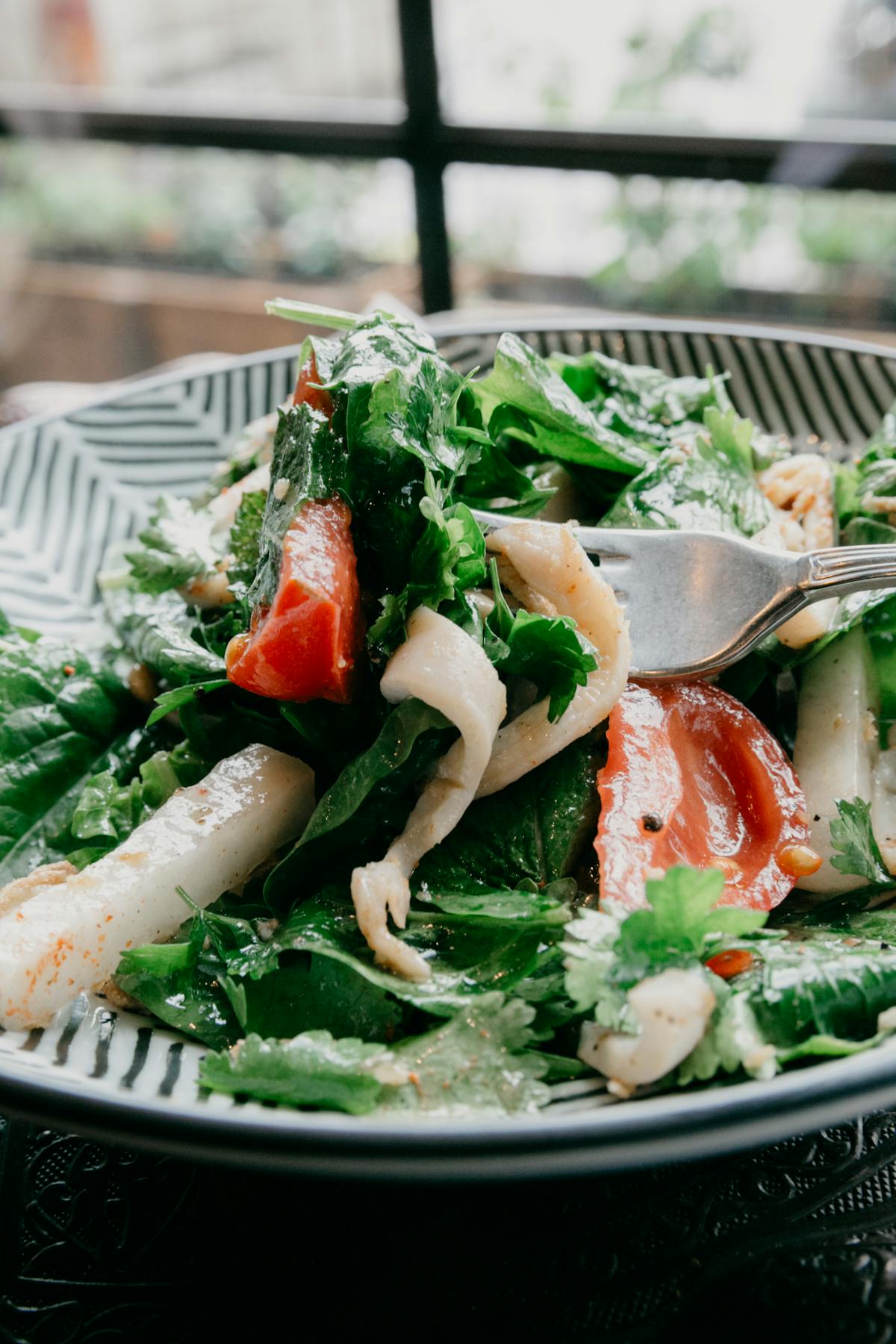
- Serving over a light salad of mixed greens, shaved fennel, and cucumber with a lemony vinaigrette.
- Tucking into toasted buns or lettuce wraps with extra sauce and crunchy slaw.
- Pairing with roasted baby potatoes and garlicky sautéed greens for a cozy, bistro-style plate.
Storage, Reheating & Meal Prep Tips
Lion’s mane “crab” cakes are best the day they’re made, but they also work beautifully for meal prep if you handle them gently.
- Fridge: Store cooked cakes in an airtight container for up to 3 days. Layer with parchment paper to prevent sticking.
- Freezer: Chill uncooked patties until firm, then freeze on a tray before transferring to a freezer bag. Cook from frozen, adding a few extra minutes per side.
- Reheating: Re-crisp in a lightly oiled skillet over medium heat for 2–3 minutes per side, or bake at 180°C / 350°F for about 8–10 minutes, flipping once.
- Sauce: Keep the sauce in a sealed container in the fridge for up to 4 days. Stir before serving.
Functional Fungi in a Balanced Lifestyle
The world of lion’s mane, reishi, cordyceps, and other functional mushrooms sits at a fascinating crossroads of tradition, modern research, and culinary creativity. While supplement labels and social media captions can be breathless, day-to-day health is shaped more by consistent habits than any single “superfood.”
Bringing these mushrooms into your kitchen—sizzling in a pan, simmering in soups, or baked into hearty patties—lets you enjoy their textures and flavors first, and their potential benefits second. That’s a deliciously sustainable way to ride the mushroom mania wave.
If you’re new to functional fungi, start simple: brew a gentle mushroom coffee or try this lion’s mane “crab” cake recipe, and let your senses guide you. Your tastebuds, and possibly your curiosity about the wider fungal kingdom, will thank you.
