
Why Extreme Weather and Climate Tipping Points Could Reshape Life on Earth
Over just a few years, what once passed as “freak” weather has become disturbingly familiar: cities shutting down under lethal heat, rivers overflowing in so‑called “once‑in‑a‑century” floods multiple times per decade, megafires turning skies orange on another continent. At the same time, Earth system scientists are warning that parts of the climate and biosphere may be nearing tipping points—thresholds beyond which change can accelerate, become self‑reinforcing, and in some cases irreversible on human timescales.

This article explains how extreme weather, climate tipping points, and ecological cascades fit together within the wider field of Earth system science. It draws on recent research up to early 2025, offering a structured overview for readers who want more than headlines: background mechanisms, emerging evidence, real‑world impacts, and what can still be done.
Mission Overview: Why Extreme Weather and Tipping Points Matter Now
The “mission” of current climate and ecological research is no longer just to document gradual change. It is to:
- Detect how human‑driven warming is altering the odds and intensity of extreme weather.
- Identify potential climate tipping elements—large subsystems such as ice sheets, monsoons, and major forests—that could shift abruptly.
- Map how these shifts propagate through ecosystems as ecological cascades.
- Quantify the risks these changes pose to societies, economies, and critical infrastructure.
- Support mitigation (emissions cuts) and adaptation (resilience and early‑warning) strategies.
Meteorologists, climate modelers, oceanographers, and ecologists now work together under the umbrella of Earth system science, a truly interdisciplinary approach that treats the planet as an interconnected whole—atmosphere, oceans, cryosphere, land, and biosphere.
“We are not just changing the climate; we are pushing the entire Earth system outside the range of at least the last several hundred thousand years.”
— Paraphrased from IPCC assessments and leading climate scientists’ public statements
Extreme Weather: From Rare Outliers to the New Normal
Extreme weather refers to events at the tails of the statistical distribution—heatwaves, cold snaps, heavy rainfall, intense storms, or long‑lasting droughts that are historically rare for a given region and season. With about 1.1–1.3 °C of global warming above pre‑industrial levels as of early 2025, the entire distribution has shifted.
Key Types of Extreme Events
- Heatwaves: Prolonged periods of unusually high temperatures, often with high nighttime minima that prevent cooling and increase mortality.
- Megadroughts: Multi‑year or decade‑scale droughts affecting broad regions, such as the ongoing western North American drought earlier this century.
- Extreme precipitation and floods: Short, intense rainfall events (often linked to atmospheric rivers) and persistent wet spells that trigger river and flash floods.
- Wildfires and “megafires”: Large, high‑intensity fires driven by heat, drought, and fuel buildup, now frequently amplified by strong winds.
- Compound events: Dangerous combinations like heat + drought + fire, or storm + surge + heavy rain.
How Warming Changes the Odds
Several physical mechanisms explain why extremes are intensifying:
- Warmer air holds more moisture: Roughly 7% more water vapor per degree Celsius (Clausius–Clapeyron relationship), boosting heavy rainfall potential.
- Amplified heat extremes: Land warms faster than oceans, and feedbacks like soil moisture depletion and reduced cloud cover can create persistent hot, dry conditions.
- Changes in circulation patterns: Wave patterns in the jet stream and “blocking highs” can lock weather systems in place, prolonging heat or rain events.
- Ocean–atmosphere coupling: Modes like El Niño–Southern Oscillation (ENSO) redistribute heat and moisture, with warmer background conditions priming the system for more severe outcomes.
“What used to be considered exceptionally rare heat is now increasingly common in a warmer climate—and extreme heat events that were impossible are now occurring.”
— World Weather Attribution scientific consortium
Technology: Event Attribution, Forecasting, and Data Tools
One of the most important advances of the last decade is extreme event attribution, which uses climate models, observational datasets, and statistical methods to estimate how human‑driven emissions changed the likelihood or intensity of a specific event.
How Attribution Studies Work
- Define the event: For example, a 5‑day heatwave over a defined region, or maximum 24‑hour rainfall in a given basin.
- Assemble observations: Weather station data, reanalysis datasets, and satellite products provide a historical baseline.
- Run climate model ensembles: Thousands of simulations are generated for:
- A world with observed greenhouse gas concentrations.
- A “counterfactual” world without human emissions (or with pre‑industrial forcing).
- Compare probabilities: Researchers calculate how often an event as extreme (or more) occurs in the two ensembles.
- Express results: For example, “climate change made this event at least 5 times more likely” or “increased peak rainfall intensity by 20%.”
These studies are typically published by groups such as World Weather Attribution, national meteorological agencies, or academic teams, and increasingly appear within weeks of an event.
Forecasting and Open Data
Advances in high‑performance computing and machine learning have also improved:
- High‑resolution weather models that can simulate convection, atmospheric rivers, and local wind patterns more accurately.
- Sub‑seasonal to seasonal forecasts that predict shifts in rainfall, heat risk, or drought weeks to months ahead.
- Climate dashboards and APIs that expose real‑time data (sea surface temperature anomalies, soil moisture, fire danger indices) to the public.
Influential communicators on platforms like YouTube and X/Twitter—such as professional meteorologists and climate scientists—use these tools to deliver near real‑time explainers that help the public interpret unfolding extremes.
For practitioners who want to work directly with climate and weather data, portable field sensors and data loggers have become more accessible. For example, handheld weather stations such as the Kestrel 3500 weather meter allow researchers, educators, and serious hobbyists to collect on‑site measurements of temperature, humidity, and wind to complement official datasets.
Climate Tipping Points: Thresholds in the Earth System
A climate tipping point is a critical threshold at which a small additional change in forcing (such as global temperature) triggers a large, sometimes abrupt, and often irreversible shift in a component of the Earth system. Once crossed, internal feedbacks can drive the system toward a new equilibrium, even if external forcing stops increasing.

Major Tipping Elements Under Scrutiny
- Arctic sea ice: As ice melts, darker ocean water absorbs more sunlight, amplifying regional warming. While summer sea ice loss may be partly reversible, abrupt seasonal ice‑free conditions would profoundly reshape Arctic ecosystems and weather patterns.
- Greenland and West Antarctic ice sheets: Ice sheet instability can be triggered once warm water erodes buttressing ice shelves or grounding lines retreat into deeper basins, potentially committing the world to meters of sea‑level rise over centuries to millennia.
- Permafrost carbon stores: Thawing permafrost releases CO₂ and methane. This permafrost–carbon feedback can amplify warming and is difficult to reverse once large areas thaw.
- Amazon rainforest dieback: Deforestation, warming, and changing rainfall patterns could push parts of the Amazon toward a savanna‑like state, undermining a major global carbon sink.
- Monsoon and circulation systems: Changes to the Atlantic Meridional Overturning Circulation (AMOC) or monsoon dynamics could abruptly alter regional climates, especially in Europe, West Africa, and South Asia.
- Coral reef systems: Repeated marine heatwaves lead to mass coral bleaching and mortality, risking ecosystem collapse at 2 °C and beyond.
“Several tipping elements in the Earth system may be at risk between 1.5 °C and 2 °C of warming, with higher temperatures greatly increasing the likelihood of crossing multiple thresholds.”
— Based on findings summarized in Armstrong McKay et al., Science, 2022
Importantly, tipping elements are interconnected. For example, Arctic warming can influence mid‑latitude jet stream behavior, while Amazon dieback affects global carbon cycles that feed back onto temperatures elsewhere.
Ecological Cascades: When Ecosystems Tip
An ecological cascade occurs when a disturbance—such as climate stress, species loss, pollution, or land‑use change—propagates through an ecosystem, altering food webs, nutrient cycles, and ecosystem services. When climate tipping points are crossed, they can trigger or accelerate such cascades.
Concrete Examples
- Coral reef collapse: Repeated bleaching from marine heatwaves kills reef‑building corals, leading to:
- Loss of three‑dimensional habitat for fish and invertebrates.
- Declines in coastal fisheries and tourism.
- Reduced natural coastal protection from waves and storms.
- Boreal forest dieback: Hotter, drier summers and more frequent fires can shift boreal forests toward more open woodlands or grasslands. Ecological consequences include:
- Mass tree mortality and changes in species composition.
- Release of large carbon stocks from soil and biomass.
- Altered albedo, feeding back onto regional climate.
- Monsoon shifts and agriculture: Changes in timing and intensity of monsoon rains disrupt planting calendars, reduce yields, and increase crop failure risk, with cascading effects on food security, migration, and political stability.
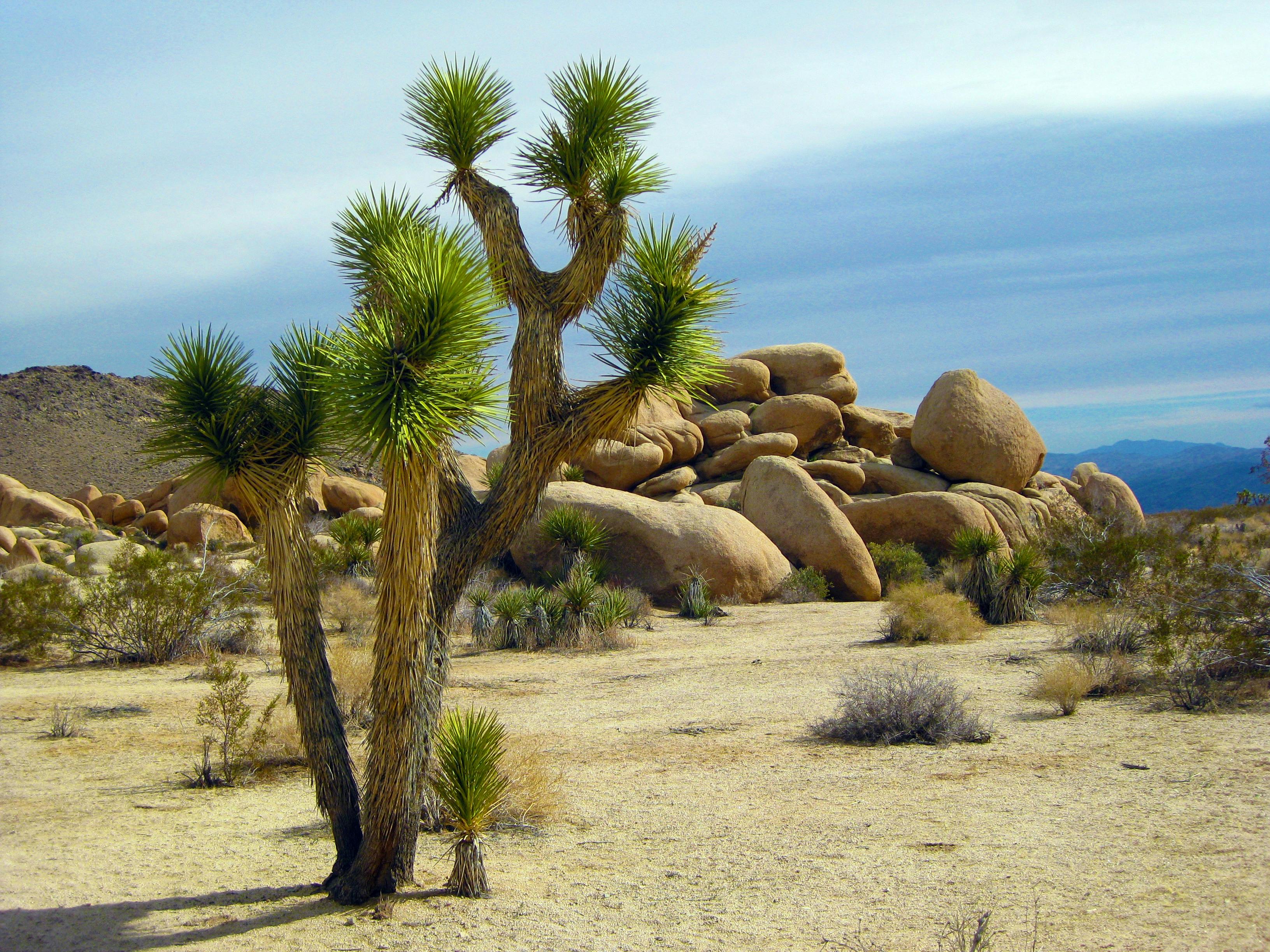
“Biodiversity loss is not a slow, gentle erosion; it often comes in waves. Once certain thresholds are crossed, ecosystems can reorganize rapidly and sometimes irreversibly.”
— Ecologist’s summary based on multiple studies in PNAS and related journals
Scientific Significance: From Theory to Risk Assessment
Understanding extreme weather, tipping points, and ecological cascades is not a purely academic exercise. It underpins modern climate risk assessment, which informs everything from infrastructure design to financial regulation.
Key Areas of Scientific Impact
- Improved projections: Incorporating tipping‑point physics and ecosystem feedbacks can change long‑term climate projections, especially for sea‑level rise and regional water availability.
- Risk of “fat tails”: Probability distributions with heavy tails emphasize the importance of low‑likelihood but catastrophic outcomes—for example, rapid ice sheet loss or AMOC disruption.
- Cross‑sectoral impacts: Integrated assessment models now increasingly incorporate climate‑driven shocks to agriculture, health, and energy systems, not just smooth changes in mean temperature.
On the policy side, central banks, insurers, and large investors rely on this science to assess physical climate risks to assets and supply chains. Reports from the IPCC, the NASA climate program, and agencies such as the U.S. NOAA have become foundational references.
For readers who want a deep, but accessible, dive into the science, comprehensive texts like “The Physics of Climate Change” by Lawrence M. Krauss and colleagues offer a technically grounded overview of how we know what we know about Earth’s climate system.
Milestones: How Our Understanding Has Evolved
Over the last two decades, several scientific and technological milestones have transformed our understanding of extreme events and tipping risks:
- High‑confidence detection of trends: By the 2010s, multiple lines of evidence confirmed that global heat extremes and heavy precipitation events were increasing in frequency and intensity due to human‑caused warming.
- First rapid attribution studies: Collaborative groups pioneered near real‑time analysis of specific events, such as the 2003 European heatwave and later heatwaves in Russia (2010), North America, and Asia.
- Tipping‑point synthesis papers: Landmark reviews (e.g., Lenton et al. 2008; Armstrong McKay et al. 2022) systematically catalogued potential tipping elements and estimated threshold ranges, bringing the concept into mainstream climate discourse.
- Integration into IPCC reports: Recent IPCC assessments devote entire chapters to extremes, compound events, and tipping points, reflecting an evolving consensus.
- Explosion of open data and citizen science: Satellite records, reanalysis products, and platforms such as Google Earth Engine have made it possible for universities, NGOs, and even motivated individuals to analyze climate and land‑use trends.
Challenges: Uncertainty, Communication, and Preparedness
Despite major advances, several challenges make this field scientifically demanding and politically sensitive.
1. Dealing with Deep Uncertainty
Tipping points are, by definition, difficult to observe until they are approached or crossed. Projections often involve:
- Uncertain threshold values (e.g., “likely between 1.5 and 3 °C of warming.”)
- Long timescales (centuries or longer for ice sheets) that exceed typical political horizons.
- Interacting feedbacks that models only partially capture.
Scientists therefore emphasize risk management—focusing on plausible worst‑case outcomes, not just likely medians.
2. Communicating Risk Without Fatalism
Social media amplifies vivid images of disaster, but can also foster paralysis or misinformation. Effective communication needs to:
- Clearly distinguish between observed changes, projected risks, and speculative scenarios.
- Highlight actionable adaptation and mitigation options.
- Center justice: the people most exposed to extreme weather often contribute least to global emissions.
“Overstating inevitability can be as harmful as understating risk. The goal is rigorous, honest communication about both dangers and remaining choices.”
— Synthesized from climate communication research in Nature Climate Change
3. Building Resilient Systems
Translating science into resilience requires long‑term investment in:
- Early‑warning systems for heatwaves, floods, and storms, accessible to all communities.
- Climate‑resilient infrastructure designed for 21st‑century extremes rather than 20th‑century baselines.
- Ecosystem‑based adaptation such as wetland restoration, mangrove belts, and urban green spaces that buffer extremes while enhancing biodiversity.
Urban planners, engineers, and emergency managers now routinely draw on climate projections when updating design codes and disaster response plans.
From Science to Action: Mitigation, Adaptation, and Personal Preparedness
Addressing the risks of extreme weather and tipping points involves a combination of mitigation (reducing greenhouse gas emissions) and adaptation (reducing vulnerability to impacts already in motion).
Mitigation Priorities
- Rapidly decarbonizing electricity, transport, and industry.
- Protecting and restoring carbon‑rich ecosystems (forests, peatlands, mangroves).
- Improving energy efficiency and reducing demand where possible.
- Scaling innovations such as grid‑scale storage and low‑carbon industrial processes.
Adaptation and Risk Reduction
- Updating flood maps and building codes for higher risk baselines.
- Designing urban heat action plans and cooling centers.
- Shifting to more climate‑resilient crops and diversified food systems.
- Strengthening early‑warning systems and evacuation planning.
On an individual and household level, basic preparedness can substantially reduce harm during extremes. For example:
- Maintaining emergency kits with water, non‑perishable food, and medical supplies.
- Using certified air purifiers during wildfire smoke episodes.
- Monitoring trusted alerts from national weather and disaster agencies.
Devices such as the Midland WR400 NOAA emergency weather radio can provide automatic alerts for severe storms, floods, and other hazards, including during power or internet outages.
Conclusion: A Planet at the Edge—But Not Without Choices
Extreme weather, climate tipping points, and ecological cascades are not three separate stories. They are different faces of the same underlying transformation: the rapid re‑engineering of Earth’s energy balance and living systems by human activity.
The evidence as of early 2025 indicates that:
- Many types of extremes—especially heatwaves and heavy rainfall—are already strongly influenced by human‑driven warming.
- Some tipping elements may be close to their thresholds even at current warming levels.
- Ecological cascades are unfolding in real time, from coral reefs to forests and agro‑ecosystems.
However, the future remains highly sensitive to decisions made this decade. Aggressive emissions cuts lower the probability of triggering multiple tipping points and buy time for adaptation. Investments in science, monitoring, and communication can turn raw data into actionable intelligence, helping societies navigate an era of increasing extremes.
Earth system science does not just describe risk; it also maps out pathways to stabilize the climate and protect ecosystems. The more clearly we understand feedbacks and thresholds, the better prepared we are to avoid the most dangerous outcomes.
Additional Resources and Learning Paths
For readers who want to explore further, the following resources offer reliable, in‑depth coverage:
- IPCC AR6 Working Group I report – The physical science basis of climate change, with chapters on extremes and tipping points.
- NASA Climate: Effects and Impacts – Accessible explanations, visualizations, and datasets.
- World Weather Attribution – Rapid analyses of recent extreme events and their links to climate change.
- Our World in Data: CO₂ and Greenhouse Gas Emissions – Interactive charts and country‑level data.
- “Climate Crocks” YouTube channel by Peter Sinclair – Video explainers featuring leading scientists.
To stay current, many scientists and experts share ongoing work on professional and social platforms like LinkedIn and X/Twitter. Following climate scientists, ecologists, and meteorologists can provide timely context when new extremes or research findings emerge.
References / Sources
Selected sources and further reading:
- Intergovernmental Panel on Climate Change (IPCC)
- NASA Global Climate Change
- NOAA Climate.gov
- Nature climate change collection
- Armstrong McKay et al. (2022), “Exceeding 1.5°C global warming could trigger multiple climate tipping points,” Science
- Our World in Data – Climate Change
While this overview synthesizes research up to early 2025, the field evolves rapidly. Readers are encouraged to consult the latest IPCC reports, peer‑reviewed literature, and national climate assessments for updated findings and projections.
