
Why Doctors Are Urging Flu Shots Right Now: Protect Yourself as Cases Surge
As flu cases surge across communities this season, doctors in places like Dunmore, Lackawanna County and beyond are sounding the alarm: don’t brush off that flu shot “for later.” Clinics are seeing rising numbers of patients with high fevers, body aches, and complications that keep them out of work, school, and sometimes land them in the hospital.
If you’ve ever told yourself, “It’s just the flu, I’ll be fine,” you’re not alone. Many people feel torn between vaccine fatigue, confusing news headlines, and genuine concerns about side effects. This article walks you through what’s happening with flu right now, why doctors are urging vaccination, and how you can make an informed, practical plan to protect yourself and your family.

You won’t find miracle promises here—no vaccine is perfect—but the evidence is strong that flu shots significantly lower your risk of severe disease, hospitalization, and death. Let’s break down what you need to know, in plain language, with practical steps you can take this week.
What’s Going On With Flu Right Now?
As the new year begins, many regions in the U.S. are seeing:
- Rising outpatient visits for fever and respiratory symptoms
- More positive flu tests reported by clinics and hospitals
- Pressure on emergency departments already managing other viruses
“When flu takes off, it doesn’t just mean more people with a bad week in bed. It means more pneumonia, more heart attacks triggered by infection, and more vulnerable patients fighting for a hospital bed.”
— Infectious disease specialist, explaining why flu surges matter
Doctors are urging vaccination now because it takes about two weeks after your shot for your body to build strong protection. Getting vaccinated during a surge doesn’t instantly shield you from infection, but it can still reduce your risk of getting very sick for the rest of the season.
How the Flu Vaccine Works—Even When the Virus Mutates
Every year, influenza viruses mutate. Global surveillance teams track which strains are circulating, and vaccine manufacturers update the flu shot formula to match the most likely culprits for the coming season. This is why the flu shot is recommended annually.
The vaccine doesn’t “kill” the virus itself. Instead, it trains your immune system to recognize key parts of the virus so that if you’re exposed later, your body can respond faster and more forcefully.
- Exposure: You receive the vaccine (usually in the upper arm).
- Training period: Your immune system creates antibodies and memory cells.
- Real-world test: When you encounter flu, your body is primed, making serious illness less likely.
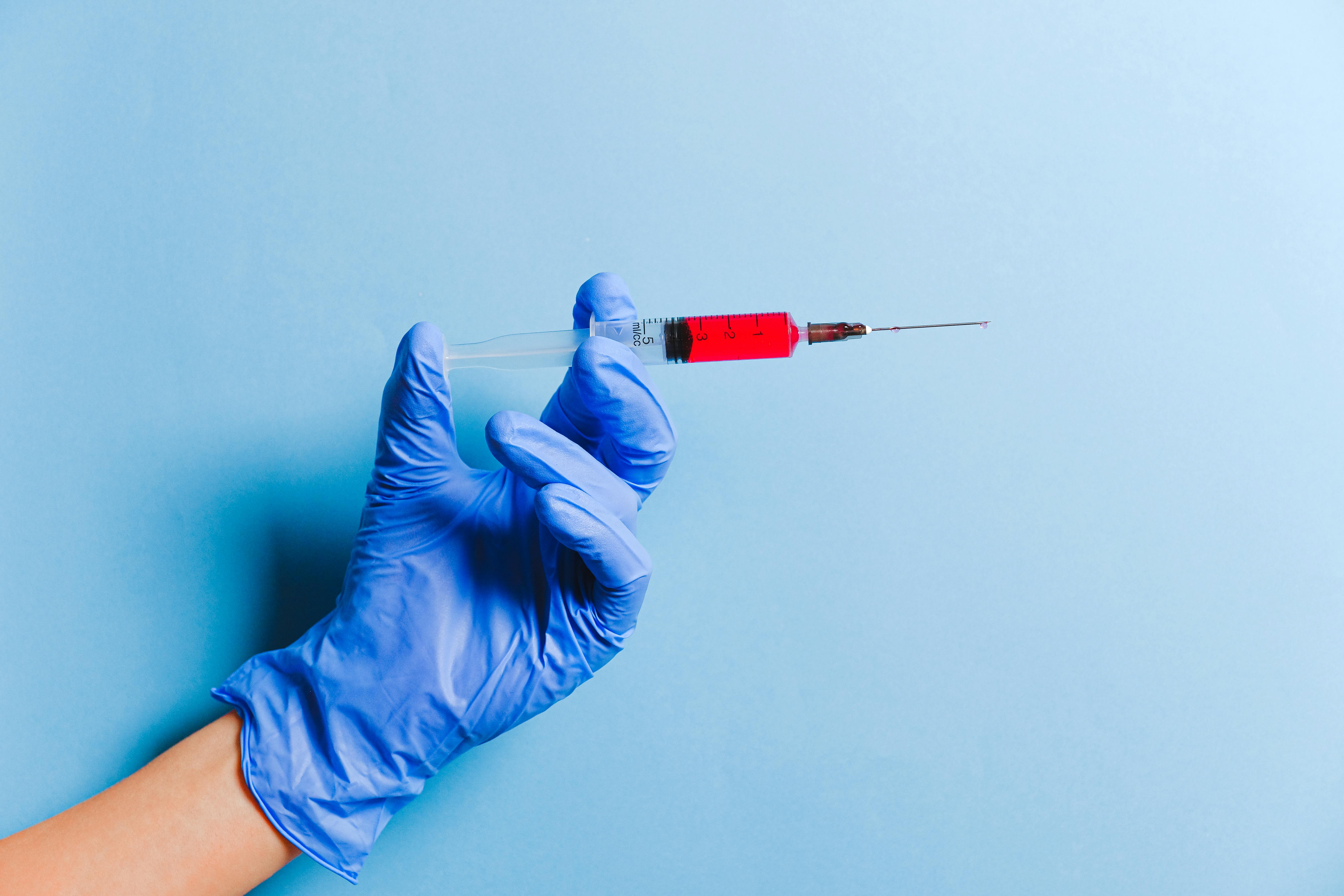
In some seasons, the match between the vaccine and circulating strains is very close; in others, the virus drifts more. Even in “mismatched” years, studies show the vaccine often still reduces:
- Risk of hospitalization
- ICU admission and need for a ventilator
- Risk of death from flu-related complications
Who Most Needs a Flu Shot During This Surge?
Health agencies like the U.S. Centers for Disease Control and Prevention (CDC) recommend that nearly everyone 6 months and older receive an annual flu vaccine, unless they have a specific medical reason not to. But some groups are at especially high risk of complications:
- Adults 65 and older
- Pregnant people (or those planning to become pregnant)
- Young children, especially under age 5
- People with chronic conditions (asthma, COPD, diabetes, heart disease, kidney disease, weakened immune systems)
- Residents of nursing homes or long-term care facilities
- People who live with or care for high-risk individuals
“When a healthy 30-year-old gets a flu shot, they’re not just protecting themselves. They’re putting a shield around the baby, the grandparent, or the cancer patient they see every week.”
— Family physician on community protection
If you fall into a high-risk category, or live with someone who does, doctors are especially urging you to get vaccinated as flu cases climb.
Step-by-Step: How to Get Your Flu Shot This Week
Turning good intentions into action can be the hardest part. Here’s a simple, practical plan you can follow.
- Check your schedule for the next 7 days.
Pick a specific day and time window (e.g., “Tuesday after work between 5–7 pm”). - Find a nearby location.
Options usually include:- Primary care or pediatric clinics
- Retail pharmacies and grocery-store clinics
- Local health department events or community clinics
- Call or book online.
Confirm:- Do they have the flu vaccine in stock?
- Do you need an appointment, or are walk-ins welcome?
- Is it covered by your insurance or available at low/no cost?
- Prepare for your visit.
Bring:- Photo ID and insurance card (if you have one)
- A list of medications and allergies
- A mask, if recommended locally
- Plan for a low-key arm day.
The most common side effect is mild arm soreness. Try to schedule heavy lifting or intense workouts on a different day if possible.

Worried About Side Effects or Safety? Here’s What Evidence Shows
Many people hesitate because they’ve heard a story from a friend or seen a worrying social-media post. It’s understandable to have questions. Let’s separate myths from what large, well-designed studies actually show.
- “Can the flu shot give me the flu?”
No. Flu shots use inactivated (killed) virus or pieces of the virus that cannot cause influenza. Some people feel tired or achy afterward; that’s your immune system working, not an infection. - “I got the shot once and still got sick—so it doesn’t work.”
Vaccination doesn’t guarantee zero illness, but it does make severe outcomes less likely. Many people who say “I got the flu anyway” actually had a milder course than they otherwise would have. - “I’m healthy, so I don’t need it.”
Even healthy adults can land in the hospital with flu, and you can spread it before you realize you’re sick. Vaccination protects you and those around you. - “I’m worried about rare complications.”
Serious side effects from flu vaccines are very rare. The risk of severe complications from flu infection—like pneumonia, heart attack, or worsening of chronic conditions—is substantially higher for most people than vaccine risks.
“For the vast majority of patients, the risk of serious harm from influenza infection is much greater than the risk from the flu vaccine itself. That’s why we keep recommending it, year after year.”
— Public health physician, summarizing current evidence
A Real-World Example: One Family’s Tough Flu Season
Consider a composite example based on what many clinicians are seeing this year:
A 43-year-old parent skips the flu shot, figuring they’re generally healthy. Within days of a coworker coming in sick, they develop a high fever, severe cough, and exhaustion that keeps them off their feet for over a week. Their 6-year-old, who also wasn’t vaccinated, catches it next and ends up in urgent care with breathing trouble. Meanwhile, the grandparent they help care for—who did get a flu shot—catches a milder version but avoids hospitalization.
No single story proves anything on its own, but this pattern is common in clinics: vaccinated people may still get sick, yet they’re more likely to avoid the worst outcomes. That’s the quiet power of vaccination—it’s often measured in the bad things that don’t happen.

Beyond the Shot: Simple Habits to Lower Your Flu Risk
The flu vaccine is a major tool, but it’s not the only one. Think of prevention as layers of protection that work together.
- Wash hands regularly. Soap and water for at least 20 seconds, especially after being in public or touching shared surfaces.
- Use masks in high-risk settings. Consider wearing a well-fitting mask in crowded indoor spaces during local surges, especially if you live with someone high-risk.
- Stay home when you’re sick. Rest speeds recovery and reduces the chance you’ll pass flu to coworkers, classmates, or family.
- Improve indoor air. Open windows when possible, consider HEPA filters, and avoid poorly ventilated, crowded areas during peak outbreaks.
- Support your overall health. Sleep, nutrition, regular movement, and managing chronic conditions all help your immune system function as well as it can.
When Flu Becomes an Emergency: Know the Warning Signs
Most people with flu can recover at home with rest, fluids, and over-the-counter medications recommended by their healthcare provider. But it’s crucial to recognize when to seek urgent or emergency care.
- Difficulty breathing or shortness of breath
- Chest pain or pressure
- New confusion, trouble waking up, or sudden dizziness
- Persistent high fever that doesn’t respond to medication
- Signs of dehydration (very little urine, dizziness, dry mouth)
- Bluish lips or face (especially in children)
- Flu symptoms that improve, then suddenly worsen
What the Research Says & Where to Learn More
Large studies across many flu seasons have consistently found that influenza vaccination reduces:
- Doctor and urgent-care visits for flu
- Hospitalizations, including among older adults and people with chronic conditions
- Influenza-related deaths in children and adults
For detailed, up-to-date information, see:
- CDC: Key Facts About Seasonal Flu Vaccine
- World Health Organization: Seasonal Influenza Factsheet
- CDC: Frequently Asked Questions About the Flu Season
These organizations regularly update their guidance based on new data, including how well each season’s vaccine is performing and which groups are most affected.
Your Next Step: A Small Action With Big Impact
Flu surges can feel overwhelming, especially when clinics are busy and headlines are constant. Yet one practical step remains firmly in your control: deciding to get your flu shot and encouraging your loved ones to consider it too.
You don’t need to be perfect. You don’t need to understand every scientific detail. You simply need to:
- Pick a day in the next week.
- Find a nearby clinic or pharmacy.
- Make the appointment—and put it in your calendar.
Protecting yourself from flu is not just about avoiding a miserable week in bed. It’s about keeping hospital beds available, shielding vulnerable people in your life, and giving your body its best chance to handle whatever this season brings.
Today, before you close this page, choose one concrete step—look up a location, send a message to your clinic, or invite a friend to go with you. Small actions, taken together, help all of us get through a tough flu season more safely.
