
Why Denmark’s Red Streetlights Could Change How Every City Lights the Night
In a quiet suburb just outside Copenhagen, the night no longer glows white. Instead, streets are bathed in a deep, soft red. At first, residents were skeptical. Some worried it would feel eerie or unsafe; others thought it was just a bold design experiment. But what’s unfolding in this Danish community may become a model for how cities all over the world light their nights—more gently, more intelligently, and more in tune with human health and the environment.
Denmark’s move toward red streetlights is part of a larger rethink of urban lighting: how bright we really need our streets to be, what color light best balances safety with sleep and ecology, and how technology can help cities cut energy use without leaving anyone in the dark.

Why Are Denmark’s Streetlights Turning Red?
This shift isn’t about aesthetics or trendy “mood lighting.” It’s driven by emerging science on how different wavelengths of light affect the human body, wildlife, and the night sky—and by a growing recognition that more light is not always better light.
The Problem with Traditional White Streetlights
For decades, cities equated brighter, whiter light with safety and progress. High-pressure sodium lamps gave way to powerful LEDs that could flood streets with crisp, cool-white light. This made roads more visible, cut energy bills, and was often hailed as a win-win.
But over time, researchers and residents started noticing some serious downsides:
- Light pollution and the disappearing night sky: Bright white LEDs, especially those rich in blue light, scatter more in the atmosphere, creating skyglow that washes out stars far beyond city limits.
- Sleep disruption and circadian confusion: Blue-heavy light at night suppresses melatonin, a hormone that helps regulate our sleep–wake cycle. Exposure to this light can make it harder to fall asleep and stay asleep.
- Impact on wildlife: Many species—from insects and birds to bats and sea life—use natural light cues to navigate, feed, and migrate. Unnatural night-time lighting can throw these behaviors off balance.
- Over-lighting and glare: Excessive brightness or poorly aimed fixtures can actually make it harder to see, creating harsh contrasts and reducing visibility for drivers and pedestrians.
The Science Behind Red Light: What Makes It Different?
Not all light colors affect us the same way. The key factor is wavelength. Blue light (shorter wavelengths) is particularly powerful at influencing our internal clocks, while longer wavelengths like red have a much milder effect.
Research into circadian biology and light exposure has shown:
- Blue light & melatonin: Specialized cells in our eyes are especially sensitive to blue light. At night, exposure to blue-rich light suppresses melatonin, which can shift sleep timing and reduce sleep quality.
- Red light & circadian impact: Longer-wavelength red light has a much smaller effect on melatonin. Under low to moderate red light, people can often maintain night vision and circadian rhythm more easily.
- Wildlife sensitivity: Many nocturnal animals are adapted to dim, warm-toned natural light. Red or amber lighting can reduce disruption compared with bright white or blue-rich sources.
“When we talk about healthier night-time lighting, it’s not just about turning lights down—it’s about choosing the right spectrum and the right intensity for the task.”
— Hypothetical summary of current lighting research, based on circadian and environmental light studies
Denmark’s red streetlights aim to leverage these findings: provide enough visibility for safety, while reducing the biological and ecological disruption associated with conventional white LEDs.
Inside Denmark’s Red Streetlight Experiment
In the pilot suburb near Copenhagen, authorities have swapped standard white streetlights for red-toned fixtures in selected areas. Rather than a harsh red glare, the result is a softer, amber-red wash that preserves shadows and depth while keeping the environment relatively dark.
Although details vary by district, common elements of the Danish approach include:
- Spectrum-tuned LEDs: Fixtures that emphasize red and amber wavelengths, limiting the blue content that disrupts sleep and boosts skyglow.
- Smart controls: Sensors and timing systems that dim lights late at night when traffic is low, or gently increase brightness when pedestrians or vehicles approach.
- Targeted illumination: Better shielding and directional design to shine light where it’s needed—on sidewalks and roads—rather than into windows or up into the sky.
- Community feedback: Ongoing surveys and field studies to understand how residents perceive safety, comfort, and quality of life under the new lighting.
How Red Streetlights May Support Human Health and Well-Being
Many people struggle with getting good sleep in brightly lit cities. While no streetlight strategy can fix insomnia on its own, reducing blue-rich light in the environment is one promising step in a more sleep-friendly direction.
Based on current evidence, potential benefits of red-toned or warmer streetlighting include:
- Less melatonin suppression at night: A red-shifted spectrum is less likely to interfere with your body’s natural nighttime hormone patterns, especially if your bedroom is exposed to some outdoor light.
- Reduced glare into homes: Softer, more directed lighting can prevent harsh beams from shining directly through windows, creating a calmer indoor environment.
- Improved night-time comfort outdoors: For those who walk, cycle, or work night shifts, less intense, warmer lighting can feel less jarring and more compatible with night-time activity.
One Danish resident living under the new system reportedly described the change this way:
“At first, I thought it would feel strange, but now the nights seem calmer. I can still see the road, but my bedroom is darker, and I’m waking up less often.”
— Resident feedback from early red-light installations (paraphrased from case reports)
It’s important to note that long-term health outcomes of red streetlighting are still being researched. However, the move aligns with broader recommendations from sleep and circadian experts: dimmer, warmer light at night is generally preferable to bright, blue-rich light.
Environmental Upside: Wildlife, Energy, and the Night Sky
Red or warmer streetlights are not just about people. They’re also about the ecosystems that share our cities—and the skies above us.
Early environmental benefits associated with spectrum-tuned, smarter lighting include:
- Support for nocturnal wildlife: Some studies suggest that many insects and animals are less attracted or disoriented by red or amber light compared with bright white or blue-rich sources. This may help reduce disruption to feeding, mating, and migration behaviors.
- Reduced skyglow: Warmer, less blue-intensive lighting and better shielding can significantly cut the extent of visible skyglow, helping restore views of the night sky even near urban areas.
- Lower energy use and emissions: Smart controls that dim lights during low-traffic hours can further reduce energy consumption beyond what LEDs already save, indirectly cutting associated greenhouse gas emissions.
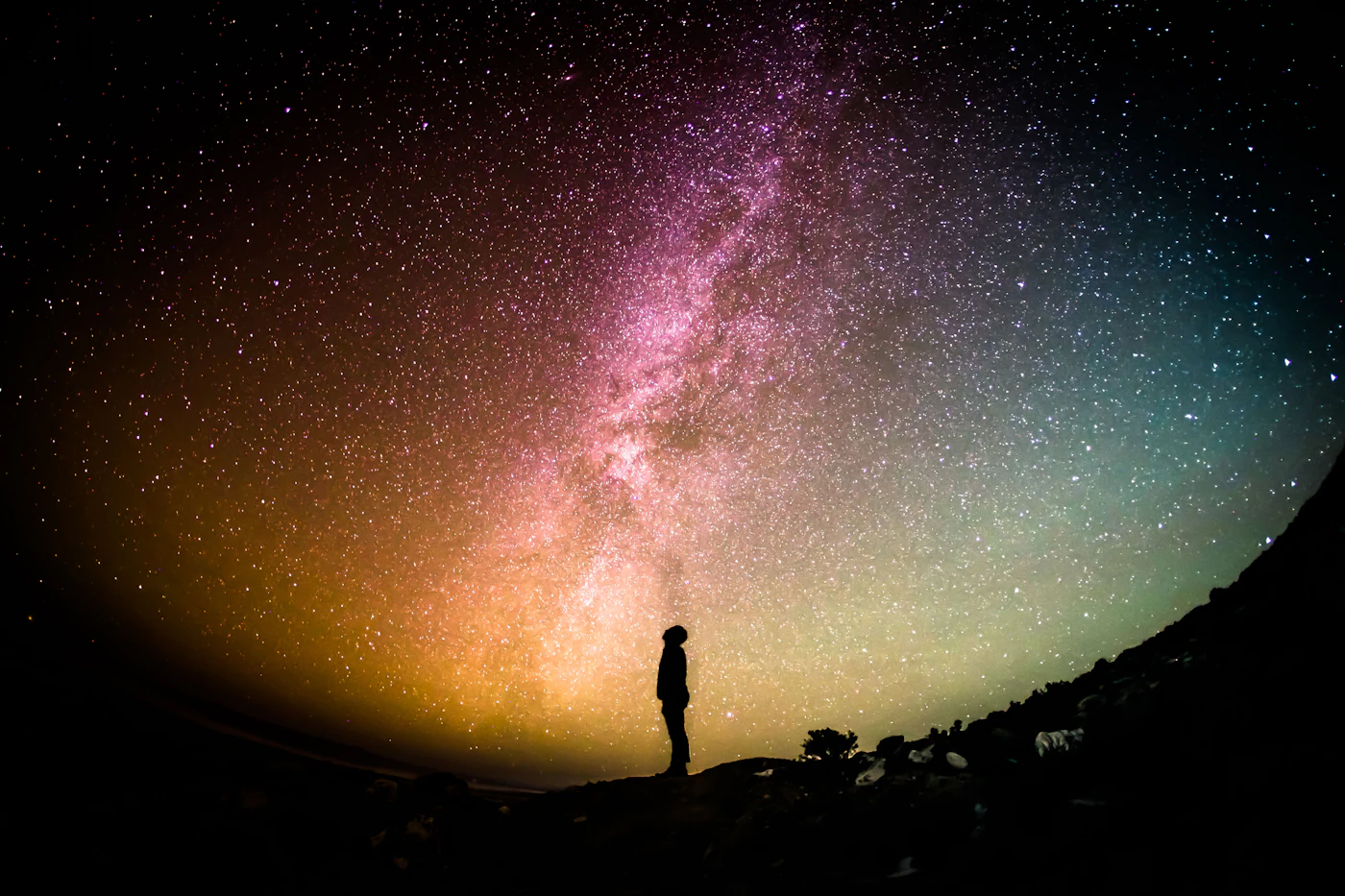
But Is Red Lighting Safe? Balancing Visibility and Security
A common concern is that red streetlights might make it harder to see hazards or recognize faces, potentially compromising safety. Urban planners in Denmark and elsewhere are taking this seriously, testing different combinations of intensity, color, and placement.
Early findings and practice suggest:
- Task-appropriate lighting: High-traffic roads and intersections may still use neutral white or warmer white light, while residential or ecologically sensitive areas lean more heavily into red or amber tones.
- Contrast vs. brightness: Good lighting design is not just about raw brightness; it’s about creating enough contrast to clearly see edges, pedestrians, and obstacles without over-illumination.
- Pilot testing and data: Cities typically monitor accident rates, crime statistics, and public perception before scaling up any new lighting strategy.
Could Red Streetlights Revolutionize Urban Lighting Worldwide?
Denmark is not alone in rethinking night-time light. Cities from the Netherlands to the United States have begun experimenting with:
- Warmer color temperatures for streetlights (often 2700–3000K instead of cool 4000–5000K LEDs).
- Dynamic lighting that dims late at night to match actual use.
- “Dark-sky” compliant fixtures that reduce upward light and glare.
- Specialized red or amber lighting in parks, waterfronts, and wildlife corridors.
Denmark’s red streetlight project stands out because it pushes the spectrum shift further than most, offering a glimpse of what a genuinely blue-light-minimized city might look like after dark.

If the Danish model proves successful—maintaining safety while improving sleep, ecology, and energy efficiency—it could serve as a practical template for urban planners worldwide who want to “turn down the blue” without turning off the lights.
Before and After: How Streetlighting Choices Change the Night
To understand the potential impact of Denmark’s approach, it helps to compare a conventional white-lit street with a red-shifted one.

Denmark’s particular shade of red is more targeted than the generic “warm white” often used elsewhere, but the underlying idea is similar: give people the light they need—no more, no less—and choose a color that respects the night.
How Cities Can Start: Practical Steps Toward Healthier Night Lighting
For urban planners, policymakers, or community advocates interested in following Denmark’s lead, large-scale transformation doesn’t have to happen overnight. A phased, evidence-based approach works best.
- Audit existing lighting: Map where lights are located, how bright they are, what color temperature they use, and when they’re on.
- Identify sensitive zones: Highlight residential neighborhoods, schools, hospitals, parks, and wildlife areas that would benefit most from reduced glare and blue light.
- Run pilot projects: Start with a few streets or districts using spectrum-tuned fixtures (including red or amber where appropriate) and smart controls to gather data on safety, satisfaction, and energy savings.
- Engage the community: Involve residents, businesses, and local experts early, explaining the reasons behind any changes and inviting feedback.
- Measure and adjust: Track accident and crime statistics, conduct surveys, and refine lighting levels and spectra based on real-world results.
What the Research Says (and What We Still Don’t Know)
The science of night-time lighting is evolving quickly. Evidence strongly supports reducing unnecessary blue-rich light at night, but questions remain about exactly how far to shift the spectrum, and which combinations of color, brightness, and timing offer the best trade-offs for different communities.
Current research trends include:
- Long-term health studies on populations living under different types of street lighting.
- Controlled trials of spectrum-tuned lighting in hospitals, workplaces, and transit systems.
- Ecological field studies tracking birds, insects, and mammals in areas with modified night-time light.
- Evaluations of crime and traffic safety under adaptive, dimmable streetlight systems.
While no single study can “prove” that red streetlights are the perfect solution, Denmark’s initiative is aligned with a precautionary, evidence-informed approach: reduce likely harms where feasible, measure outcomes carefully, and iterate.
For more on light, sleep, and health, consider resources from organizations like the International Dark-Sky Association and peer-reviewed journals in chronobiology and environmental health.
Rethinking the Night: Your Role in the Future of Urban Lighting
Denmark’s red streetlights challenge a powerful assumption: that brighter, whiter light is always better. By carefully tuning the color and intensity of night-time lighting, cities can support safety, protect sleep, respect wildlife, and reclaim the starry sky—all without “switching off” the modern world.
Change may feel strange at first, just as it did for residents who woke up one morning to find their streets glowing red. But as more communities experiment with smarter, spectrum-aware lighting, the idea of a softer, healthier night could start to feel not radical—but normal.
If this resonates with you, consider:
- Talking with local officials or neighborhood groups about light pollution and healthier streetlighting.
- Supporting pilot projects that test new lighting technologies, including red or warm-spectrum systems.
- Making your own home and habits more night-friendly—dimmer, warmer, and more respectful of darkness.
The future of urban lighting is not just about technology. It’s about how we choose to live with the night. Denmark is offering one bold example. The next step might be on your own street.
