
How Utah’s RSV Vaccine Push Quietly Transformed Winter for Families
RSV in Utah: How a New Vaccine Strategy is Protecting Our Youngest Kids
If you’ve ever sat in an emergency room cradling a wheezing baby, counting every breath and watching oxygen monitors, you know how frightening RSV season can be. For years in Utah, winter meant packed pediatric units and parents praying their infants wouldn’t be the next ones admitted. Now, doctors at Intermountain Health say something remarkable has happened: after a major push for RSV protection since 2023, far fewer Utah infants are ending up in the hospital.
In this article, we’ll break down what’s changed, what doctors like Dr. Per Gesteland are actually seeing inside Primary Children’s Hospital, and—most importantly—what this means for your family and how you can lower your child’s risk this RSV season using evidence-based tools.
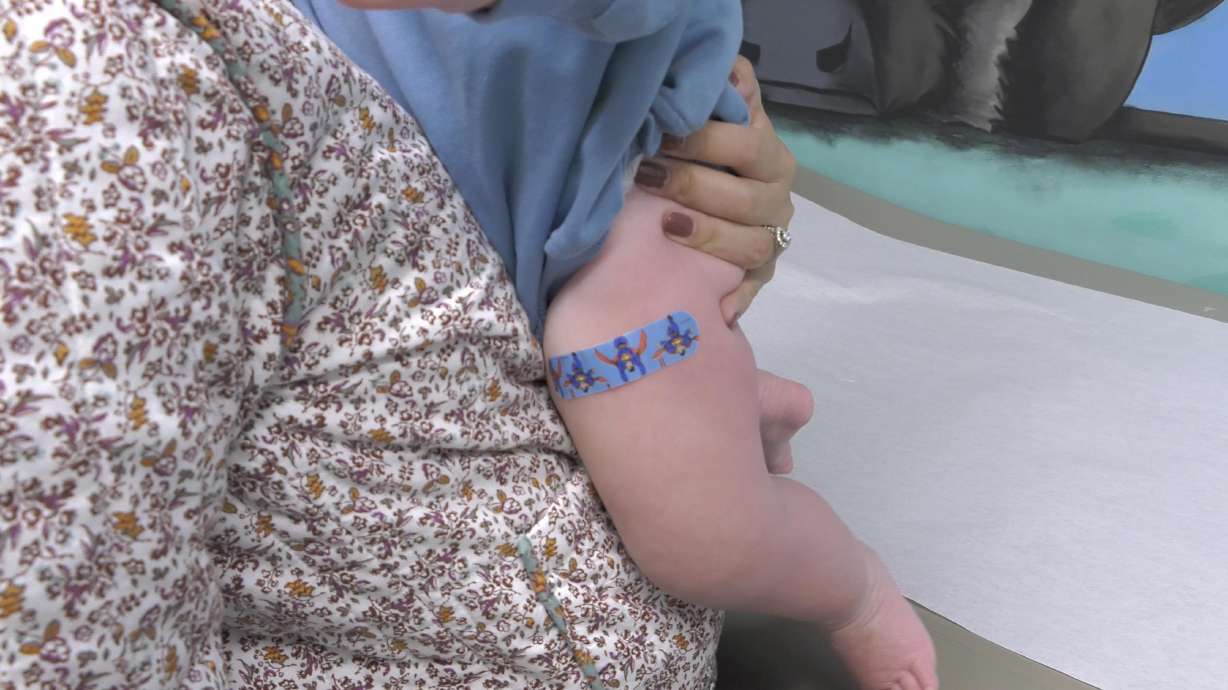
Why RSV Has Been Such a Problem for Utah’s Kids
RSV—respiratory syncytial virus—is a very common virus that usually causes cold-like symptoms. In most older children and adults, it’s unpleasant but manageable. The real danger has always been for:
- Young infants, especially under 6 months
- Babies born prematurely
- Children with heart, lung, or immune conditions
For these little ones, RSV can inflame and clog the small airways, leading to bronchiolitis, pneumonia, and severe breathing problems that sometimes require oxygen support or ICU care.
“Before we had these new tools, RSV season was almost predictably overwhelming—every winter we’d brace for a surge of very sick babies needing hospital-level care.”
— Pediatric hospitalist, Intermountain Health (paraphrased from clinical reports)
Utah’s young population and seasonal viral patterns have historically meant heavy RSV winters. That’s why the changes reported over the past two seasons are getting so much attention.
What Changed in 2023: New RSV Vaccines and Antibody Protection
Starting in 2023, the U.S. saw the rollout of several new tools against RSV. Utah health systems, including Intermountain Health and Primary Children’s Hospital, moved quickly to use them and educate families. The main tools now include:
- Maternal RSV vaccine (for pregnant people): Given in late pregnancy to help the parent produce antibodies that pass through the placenta and protect the newborn during the first critical months of life.
- Long-acting monoclonal antibody for infants (nirsevimab): Not a vaccine, but an injection that gives babies ready-made antibodies against RSV, providing protection throughout a single RSV season.
- RSV vaccines for older adults (60+): Designed to reduce serious RSV disease in seniors, helping lessen system-wide strain during respiratory season.
Doctors at Intermountain Health report that after aggressively offering these options—especially monoclonal antibody protection for infants and maternal vaccination—fewer babies are arriving at the hospital with severe RSV.
What Intermountain Health is Seeing in Utah Hospitals
According to reports shared with KSL.com, pediatrician Dr. Per Gesteland and his colleagues at Primary Children’s Hospital have seen a clear difference over the last two RSV seasons. With expanded RSV vaccination and antibody coverage:
- Fewer infants are being admitted for severe RSV infections.
- Some winter weeks show notably lower RSV-related bed occupancy compared with pre-2023 seasons.
- High-risk babies (such as former preemies) seem better protected when they receive recommended preventive doses on schedule.
“We’re still seeing RSV, but the number of very sick infants needing hospital care is clearly down. The difference over the last two seasons tracks closely with increased uptake of the new RSV protections.”
— Dr. Per Gesteland, Intermountain Health (as reported to KSL.com)
While RSV hasn’t disappeared—and likely never will—the patterns suggest that using these tools at scale can turn what used to be a predictable surge of severe illness into a more manageable respiratory season.
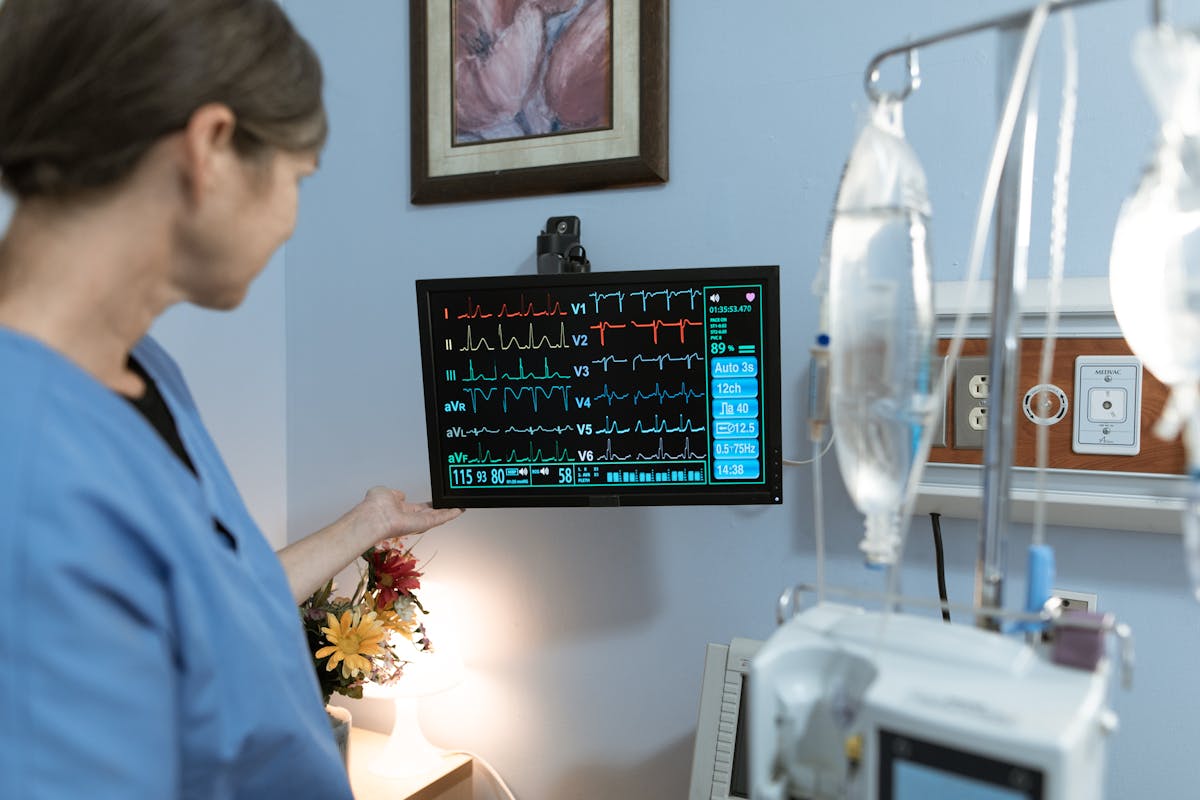
How Utah Parents Can Protect Their Babies This RSV Season
The good news is that you don’t need to be a medical expert to use these tools. Working with your OB-GYN, midwife, or pediatrician, you can create a simple RSV protection plan tailored to your baby and your family.
1. During Pregnancy: Talk About RSV Vaccination
If you’re pregnant during RSV season (typically fall through early spring), ask your prenatal provider about the maternal RSV vaccine:
- It’s usually given late in pregnancy (often between 32–36 weeks, depending on current guidelines).
- The goal is to boost antibodies that cross the placenta and help protect your newborn in the first few months.
- It can be especially helpful if your due date falls right into peak RSV season.
2. After Birth: Ask About Infant Antibody Protection
For babies born just before or during RSV season, pediatricians may recommend a single injection of long-acting monoclonal antibodies (such as nirsevimab):
- Typically offered in the first weeks of life if RSV season is underway.
- May also be given to slightly older infants entering their first RSV season.
- Some high-risk toddlers may be eligible for doses before their second season.
3. Layer Basic Infection-Prevention Habits
Even with vaccines and antibodies, simple habits still make a difference:
- Hand hygiene: Ask anyone holding your baby to wash or sanitize their hands first.
- Sick-day rules: Gently decline visits from friends or relatives with cold symptoms.
- Crowd awareness: Limit time in crowded indoor spaces with very young infants during peak RSV weeks, if you’re able.
- Smoke-free air: Avoid smoke exposure, which can worsen breathing problems.
Common Obstacles—and How Utah Families Are Navigating Them
Even when parents want to protect their kids, real-world barriers can get in the way. Intermountain Health clinicians and Utah families have highlighted a few recurring challenges:
1. “I’m Not Sure If It’s Safe or Necessary”
New vaccines and antibody products naturally raise questions. Many parents feel torn between wanting protection and worrying about side effects.
- Ask your provider to walk you through known benefits and risks in simple language.
- Request reputable written resources (CDC, American Academy of Pediatrics, Intermountain Health patient pages).
- It’s okay to take time to decide—but try not to miss the recommended timing window during RSV season.
2. Insurance and Cost Concerns
Coverage can vary, especially in the early years of a new medication or vaccine. Many Utah families worry about surprise bills.
- Before the appointment, call your insurer and ask specifically about RSV maternal vaccine and monoclonal antibody coverage.
- Ask your clinic if they have financial counselors or programs for underinsured families.
- Some health systems work to prioritize high-risk infants if supplies are limited.
3. Timing and Access
RSV protection is time-sensitive: too early or too late in the season may reduce its usefulness.
- In Utah, many clinics start RSV discussions in late summer or early fall.
- Ask, “When does RSV usually spike in our area?” and plan around that.
- If transportation is a challenge, ask about pairing RSV protection with already-scheduled visits to reduce extra trips.
What the Science—and Utah’s Real-World Data—Tell Us
The RSV vaccination and antibody strategy isn’t based on wishful thinking; it’s built on years of research plus emerging real-world experience.
- Clinical trials of infant monoclonal antibodies showed a substantial reduction in RSV-related lower respiratory infections and hospitalizations compared with no antibody protection.
- Maternal RSV vaccines have demonstrated the ability to reduce severe RSV disease in newborns during the first months of life.
- System-level observations from Intermountain Health and other health systems suggest that when uptake is high, winter RSV surges are calmer, with fewer infants needing oxygen or intensive care.
It’s important to note that no vaccine or antibody is 100% effective, and RSV continues to circulate widely. However, the combination of these tools plus everyday precautions is shifting the odds in favor of families.
A Tale of Two Winters: A Utah Family’s Experience
Consider a composite example based on stories Utah clinicians have shared, with details changed to protect privacy:
In the winter before RSV antibodies were widely available, a Salt Lake City family spent three nights at Primary Children’s Hospital with their 3-month-old, who was struggling to breathe. The baby had RSV bronchiolitis, needed oxygen, and went home exhausted but stable. The following year, their second baby was born at the start of RSV season.
This time, their OB-GYN and pediatrician both raised RSV protection early. The parent received an RSV vaccine in the third trimester, and the new baby was given monoclonal antibody protection at a well-baby visit. That winter, the baby still caught a mild cold—but never developed the severe wheezing or breathing difficulty their older sibling had.
“We can’t prove for certain what would have happened without it, but having lived through one scary hospitalization, we were grateful for anything that tilted the odds in our favor.”
Before and After: How RSV Season Feels Different Now
While every family’s story is unique, Utah clinicians describe a “before and after” shift since 2023.
Before (Pre-2023)
- Predictable winter surges of infant RSV hospitalizations.
- Limited options beyond older high-risk prophylaxis and supportive care.
- Parents told mainly to “wash hands and hope for the best.”
After (2023–2025+)
- Noticeable drop in severe infant cases reported by Intermountain Health.
- Layered tools: maternal vaccines, infant antibodies, and senior vaccines.
- Clearer, more proactive guidance for parents during prenatal and pediatric visits.
Moving Forward: A Calmer RSV Season is Possible
RSV will likely always be part of Utah’s respiratory virus landscape, but the last two years show that we’re no longer helpless against its worst effects. The experience at Intermountain Health and Primary Children’s Hospital suggests that when families and clinicians work together, the sickest cases become less common—and winters feel a little less frightening.
If you’re pregnant, caring for a newborn, or supporting an older adult, you don’t have to navigate this alone. Use your next appointment to start a focused, judgment-free conversation about RSV prevention.
- Ask: “Am I—or is my baby—eligible for RSV protection this season?”
- Clarify timing: “When should we get it for the best protection?”
- Discuss concerns: “What are the most common side effects and real-world results you’re seeing?”
The quiet success story in Utah’s hospitals doesn’t mean RSV is gone—but it does mean we have better tools than ever to protect our youngest neighbors. Your questions, your decisions, and your partnership with your care team are a vital part of that progress.
