
When Your Kids’ Grief Feels Different Than Your Own: Navigating Complicated Relief After a Family Tragedy
A recent, widely discussed parenting advice letter described a mother whose kids were devastated by a family tragedy—yet she secretly felt relieved. Many readers wondered if feeling both heartbreak for your children and personal relief makes you a monster. It doesn’t. It makes you human, especially when the person lost was also a source of pain or danger.
This article will walk through why these conflicting emotions happen, how to support children who are grieving, and how to care for your own complicated feelings without shame. While we’ll reference scenarios similar to what you may have read in outlets like Slate’s “Care and Feeding,” this is general guidance—not a substitute for personalized mental health or legal advice.
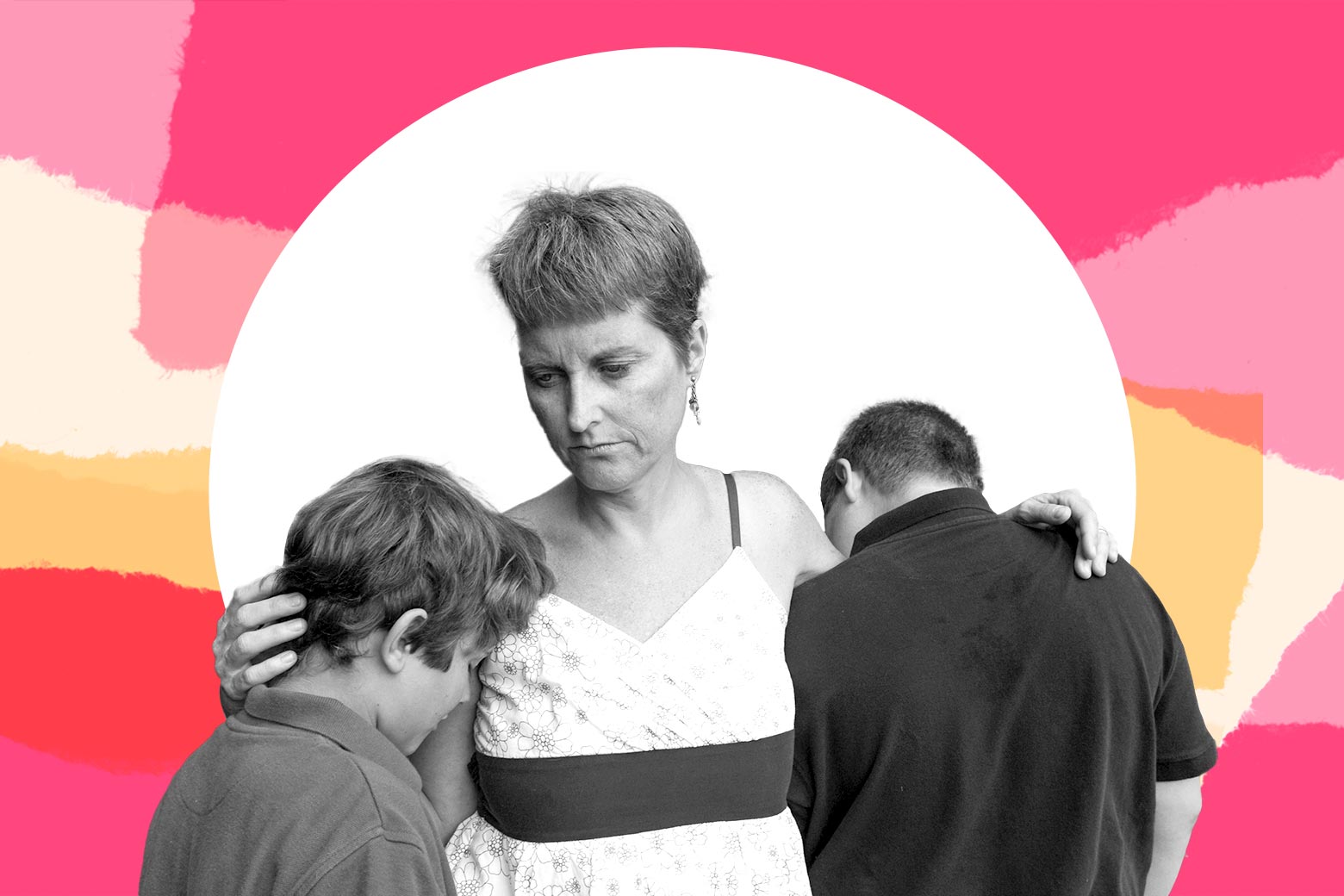
“Two things can be true at once: you can be grateful a source of harm is gone, and still grieve the loss of what could have been—especially for your children.”
Why Your Kids Are Devastated While You Feel… Relieved
When a tragedy involves an ex-partner, estranged relative, or someone who was abusive or chronically unsafe, kids and parents can experience that loss in radically different ways.
- Children often see the “best” version of an adult—especially if that person was charming, fun, or indulgent during limited time together.
- Parents may carry the full history—the control, fear, betrayals, or emotional harm that children never fully witnessed.
- Kids may be grieving potential: the parent they hoped to have, the relationship they dreamed could someday exist.
- You might be grieving differently: lost years, altered dreams, or the fact that accountability or repair will never come.
This mismatch can leave you stunned by your own relief—especially if life suddenly feels safer or simpler—and then overwhelmed by guilt when you look at your children’s pain.
Understanding Mixed Emotions: Relief, Guilt, Anger, Sadness
Psychologists sometimes refer to this as “ambiguous grief” or “disenfranchised grief”—grief that doesn’t fit society’s expectations. When the person who died also caused harm, your nervous system, values, and memories are all pulling in different directions.
- Relief that you and your children may finally be safe from unpredictable or harmful behavior.
- Guilt because good parents “aren’t supposed” to feel anything but sorrow after a death.
- Anger that this person never changed, never fully showed up for your kids, or never took responsibility.
- Sadness for your children’s shattered hopes and for the version of life you all deserved but never got.
Neuroscience research on emotion shows we rarely feel only one emotion at a time; our brains can activate multiple emotional networks simultaneously. That means you can love and resent someone, mourn and feel freed, all at once.
“You don’t have to sort your emotions into ‘acceptable’ and ‘unacceptable’ piles. You only have to be honest enough with yourself to know which ones need care.”
How to Support Your Grieving Kids Even If You Feel Different
You don’t need to share your children’s feelings to show up as a deeply compassionate, steady parent. What they need most is emotional safety, not identical emotions.
1. Name and normalize their feelings
Kids may feel sadness, confusion, anger, abandonment, or even guilt. Validate these without adding your own adult history.
- “It makes sense that you’re this sad. You loved them in your own way.”
- “You’re allowed to be angry that you didn’t get more time.”
- “Whatever you’re feeling right now is okay. There’s no wrong way to grieve.”
2. Keep your story age-appropriate
Your children do not need the full inventory of harm or betrayal, especially in the immediate aftermath. Instead:
- Stick to simple truths: “Our relationship as adults was very complicated.”
- Share details only as necessary for their understanding and safety.
- Avoid venting about past hurts to your children; save that for your therapist or trusted adult friends.
3. Offer concrete outlets for grief
Children process big feelings better through action than lengthy conversation. Consider:
- Creating a memory box with photos, small objects, or letters (even if your feelings about the person are mixed).
- Drawing, journaling, or writing “unsent letters.”
- Planting a tree or flower as a private ritual.
- Setting aside “talk time” once or twice a week so they know space exists for questions.

Caring for Yourself Without Collapsing Into Guilt
Your mental health is not a luxury item. It’s one of the most important protective factors for your children’s long-term wellbeing. Research on resilience repeatedly shows that a stable, emotionally available caregiver is one of the strongest predictors of kids doing well after loss or trauma.
1. Privately acknowledge your relief
Instead of arguing with your relief, get curious about it:
- “What exactly feels easier or safer now?”
- “What did I carry for years that I no longer have to manage?”
Many trauma-informed therapists note that when a source of chronic stress is gone, the body often shifts from survival mode into a period of deep fatigue or emotional release. That shift can look like relief, calm, or even numbness.
2. Give your guilt a job
Guilt can either punish you or guide you. Ask:
- “Is there something I need to repair with my kids right now?”
- “Or is my guilt just a sign that my values and my nervous system are clashing?”
If you’re showing up for your children with honesty and care, the guilt may not be a call to change your behavior—just a reminder that you care deeply about being a good parent.
How Honest Should You Be With Your Kids?
One of the biggest dilemmas in stories like the Slate letter is how much truth to share with kids about a parent’s harmful behavior. There’s no one-size-fits-all rule, but trauma-informed family therapists often suggest:
- Be truthful, not graphic. You can say, “They sometimes made choices that weren’t safe for our family,” without detailing every incident.
- Match detail to age. A teenager may eventually need a fuller picture than a 7-year-old, especially to understand patterns of addiction, abuse, or mental illness.
- Aim to protect, not rewrite. It’s okay if your kids remember a softer version of the person than you do, as long as you are not denying reality that affects their safety or self-worth.
Over time, you can gradually layer in more honesty as children grow and ask more nuanced questions. You don’t have to deliver the entire story in one conversation, or right after the tragedy.

Common Obstacles—and How to Move Through Them
When a tragedy intersects with a painful relationship history, a few predictable roadblocks often show up.
Obstacle 1: “I feel like a fraud comforting my kids.”
You might think, “If they knew what I really feel, they’d hate me.” Remember:
- Your job is to create safety, not to match their emotional state.
- You can silently hold your own complex truth while offering them empathy.
- Authenticity doesn’t mean full disclosure; it means you’re not pretending to feel what you don’t.
Obstacle 2: Pressure from others to “forgive and forget”
Well-meaning relatives or community members may expect you to rewrite history now that the person is gone. You’re allowed to resist that.
- “I’m honoring everyone’s experience, including my own. Mine is complicated.”
- “I’m focusing on supporting the kids right now, not re-litigating the past.”
Obstacle 3: Fear of “speaking ill of the dead”
Culturally, we’re often taught that it’s disrespectful to talk honestly about someone’s harmful behavior once they’ve died. But minimizing harm can leave survivors feeling invisible or crazy. It’s possible to say, “They were deeply loved by many, and they also caused real pain,” and let both truths stand.
What Research and Clinicians Say About Complicated Grief
Recent psychological research and clinical guidelines highlight a few key points relevant to situations like the one described in parenting advice columns:
- Complicated or prolonged grief is more likely when the relationship was either very close, very conflicted, or both.
- Children are highly sensitive to the surviving parent’s emotional state. You don’t have to hide your feelings, but showing that you have support and coping tools is protective.
- Trauma-informed care emphasizes safety, choice, collaboration, and empowerment—values you can carry into your home even without formal therapy.
Many family therapists now explicitly address “mixed-emotion grief,” especially in families affected by domestic conflict, divorce, or addiction. The consensus: you are not abnormal for feeling relieved, angry, sad, and exhausted all at once. You are processing a complex loss.

Moving Forward: What Healing Can Look Like
Healing from a complicated loss isn’t about forcing forgiveness or erasing your own story. It’s about slowly building a life where:
- Your children know they can talk about the person who died—good memories and hard questions alike.
- You no longer feel hijacked by guilt when moments of calm or relief appear.
- Your family’s future isn’t organized around the chaos of someone who is no longer here.
Some parents describe a quiet moment months later when they realize: we are allowed to build something beautiful now. That realization doesn’t dishonor the person who died. It honors the living—especially your children.

A Compassionate Next Step
If you see yourself in stories like the recent Slate letter, you are not alone, and you are not a monster. You are a parent doing the hard work of protecting your kids while carrying your own scars.
Over the next week, consider choosing one gentle step:
- Schedule a session with a therapist or counselor experienced in grief or trauma.
- Tell a trusted friend, “My feelings about this are complicated,” and share one honest sentence.
- Invite your child to share a favorite memory or question, and listen without trying to fix it.
You don’t have to resolve every feeling to be a good parent. You only have to keep showing up—with as much honesty, kindness, and steadiness as you can manage today. The rest can unfold over time.
