
What to Really Eat on Ozempic: GLP‑1 Nutrition, Side Effects, and the Truth Behind the ‘Ozempic Diet’
Massive interest in GLP‑1 weight‑loss drugs like Ozempic, Wegovy, and Mounjaro/Zepbound has sparked one of the biggest nutrition debates in years. As more people experience reduced appetite, nausea, and rapid weight loss, a new question is emerging: not “How fast can I lose weight?” but “How do I stay nourished, strong, and healthy while I’m on this medication?”
Instead of a rigid “Ozempic diet,” what’s really needed is a gentle, practical way of eating that respects your smaller appetite, protects your muscles, and keeps every bite as satisfying and nutrient‑dense as possible. Think of this as a supportive roadmap—whether you’re using GLP‑1 medications yourself or simply trying to understand this cultural shift in how we talk about food, weight, and health.
Why the ‘Ozempic Diet’ Conversation Is Exploding
GLP‑1 medications were originally developed for type 2 diabetes, but their powerful impact on appetite and weight has put them at the center of diet culture. Social feeds, podcasts, and talk shows are filled with weight‑loss stories, celebrity confessions, and hot takes about what people “should” eat on these drugs.
- Explosive adoption and media coverage: GLP‑1 drugs are now household names, and their visibility has made them a new reference point for almost every weight‑loss discussion.
- Real‑world side effects: Nausea, early fullness, constipation, and even changes in taste are common, so people are urgently searching for “Ozempic‑friendly” meals they can actually tolerate.
- Fears about muscle loss and malnutrition: When your appetite crashes, muscle and micronutrient intake often crash with it. Health professionals are racing to get out clear, practical guidance.
Underneath all the noise is a very human concern: “If I’m eating so much less, how do I make every bite count—without feeling miserable or deprived?”
How GLP‑1 Drugs Like Ozempic Change Your Relationship With Food
GLP‑1 medications mimic a hormone that helps your body manage blood sugar and appetite. They slow stomach emptying and make your brain feel “satisfied” on far less food. For many, this feels like a relief from constant food noise. For others, it can feel disorienting or even uncomfortable.
Less hunger doesn’t automatically mean better nutrition. It just means your margin for error is smaller.
Because food moves more slowly through your system, large, heavy, or very fatty meals can cause more intense nausea or bloating. That’s why many people naturally drift toward:
- Smaller, more frequent meals or snacks
- Moderate‑fat, higher‑protein choices
- Gentler flavors and textures on “off” days, bolder flavors when they feel better
Protein and Muscle: The Heart of an Ozempic‑Smart Eating Pattern
One of the biggest concerns with rapid weight loss—whether from dieting or GLP‑1 medications—is loss of muscle mass. Muscle isn’t just about looks; it supports metabolism, balance, strength, and healthy aging.
Many experts now suggest aiming for roughly 1.6–2.2 grams of protein per kilogram of body weight per day if you’re medically cleared and tolerating food well. For a 75 kg (165 lb) person, that’s about 120–165 g of protein daily—ideally divided across small meals.
Examples of high‑protein, GLP‑1‑friendly foods include:
- Greek yogurt or skyr (plain or lightly sweetened)
- Eggs and egg whites (boiled, scrambled, or in gentle omelets)
- Fish and poultry prepared with modest fat
- Tofu, tempeh, and edamame
- Beans, lentils, and chickpeas (added gradually if you’re sensitive to fiber)
- Protein shakes or fortified yogurts when chewing feels like “too much”
Fiber, Constipation, and Gut Comfort on Ozempic
Constipation is one of the most common side effects people report on GLP‑1 medications. Because your stomach and intestines are moving more slowly, your gut often needs extra support—but also extra patience.
Helpful strategies include:
- Gradual fiber increases rather than a sudden jump in beans and bran.
- Fiber‑rich but gentle foods like oats, chia seeds, ground flax, berries, kiwifruit, and cooked vegetables.
- Hydration—aiming to sip water regularly throughout the day, especially between meals.
- Light movement (short walks, stretching) to help your gut motility.
Micronutrient Density: When Every Bite Has to Count
If your total food intake drops, it becomes harder to meet your needs for vitamins, minerals, and healthy fats. This is where nutrient density shines—choosing foods that give you a lot of nutrition for each bite.
Consider weaving in:
- Fatty fish like salmon, trout, or sardines (for omega‑3s and vitamin D).
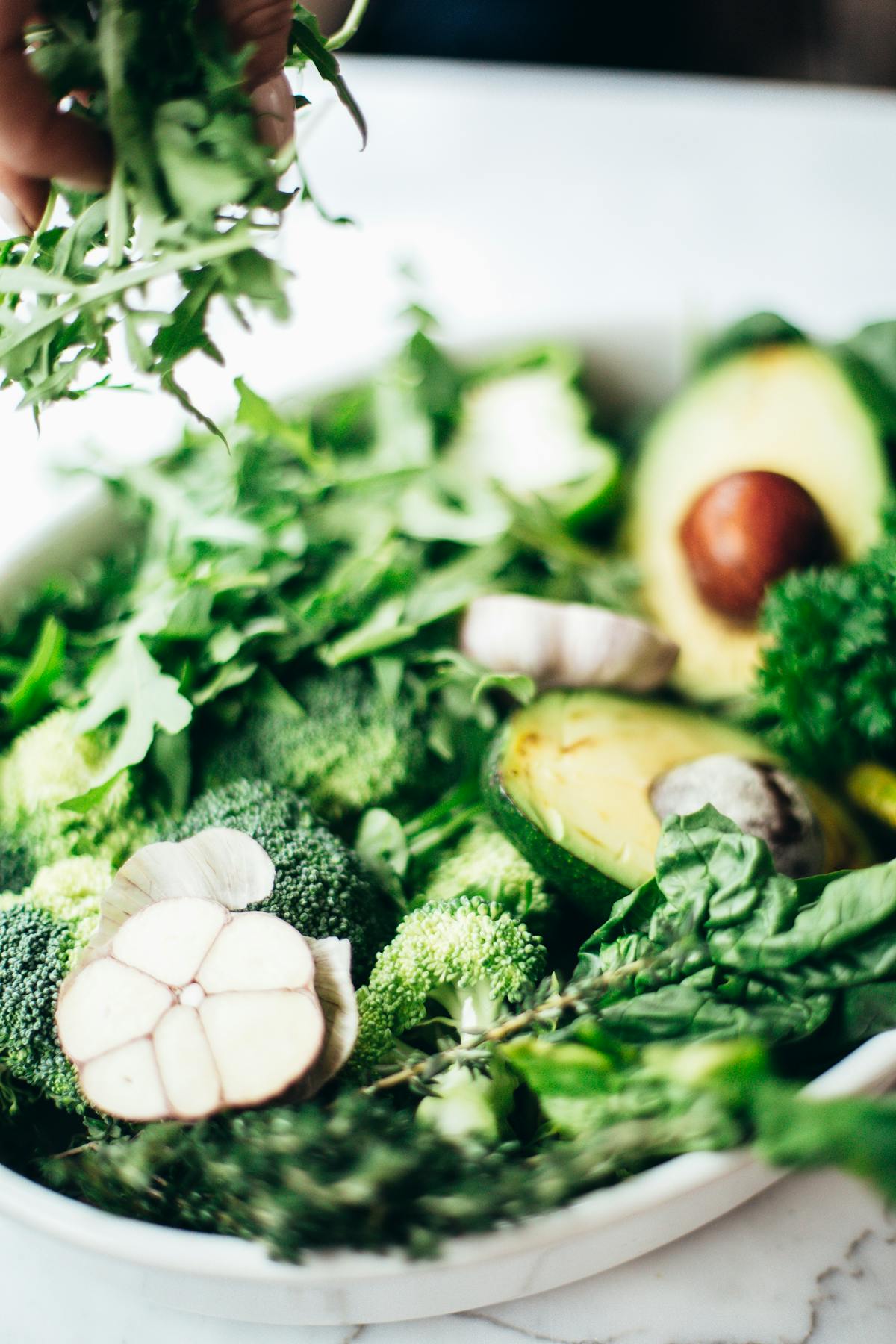
- Leafy greens such as spinach, kale, and arugula (for folate, vitamin K, and more).
- Deeply colored vegetables and berries for antioxidants and fiber.
- Nuts and seeds (chia, flax, walnuts, almonds) in small portions for healthy fats and minerals.
- Fortified foods like some plant milks, yogurts, or cereals if your intake is especially low.
A registered dietitian or your healthcare provider may sometimes recommend a multivitamin or specific supplements, but it’s wise to have that conversation based on your personal labs and medical history, not internet trends.
Small, Gentle Meals: Eating With Slower Stomach Emptying
When large, rich meals suddenly feel overwhelming, it can be unsettling—especially if food used to be a big comfort. Many people on Ozempic or similar medications find more ease with small, frequent, gentle meals.
Principles that often help:
- Favor moderate fat over very greasy or fried foods.
- Limit added sugars that leave you feeling queasy or shaky later.
- Eat slowly, pause midway, and check in: “Am I satisfied enough?”
- Respect nausea days with soothing options like broths, soft scrambled eggs, or simple rice bowls.

Recipe: High‑Protein “Ozempic‑Friendly” Greek Yogurt Power Bowl
This bowl is built for smaller appetites: creamy, high in protein, rich in fiber, and easy to adjust for your own taste and tolerance. It’s a lovely way to start the day or enjoy a nourishing snack when a full meal feels like too much.
Prep time: 10 minutes
Cook time: 0 minutes
Total time: 10 minutes
Servings: 1–2 small bowls
Difficulty: Easy
Equipment
- Small mixing bowl
- Spoon or small whisk
- Serving bowl
- Measuring cups and spoons
Ingredients
- 170 g (about 3/4 cup) plain Greek yogurt (2% or 0%, as preferred)
- 30 g (about 1 scoop) vanilla or unflavored protein powder (whey or plant‑based)
- 60 ml (1/4 cup) unsweetened milk or plant milk (to thin, as needed)
- 40 g (about 1/4 cup) fresh berries (blueberries, raspberries, or strawberries, chopped)
- 15 g (1 tablespoon) chia seeds or ground flaxseed
- 10–15 g (1 tablespoon) crushed nuts (walnuts, almonds, or pistachios)
- 5 ml (1 teaspoon) honey or maple syrup (optional, to taste)
- 1–2 drops vanilla extract (optional)
- Pinch of cinnamon or cardamom (optional)
Instructions
Mix the protein base.
In a small mixing bowl, combine the Greek yogurt and protein powder. Stir or whisk until completely smooth. If the mixture is too thick, slowly add a splash or two of milk until it reaches a creamy, spoonable consistency.Add flavor.
Stir in vanilla extract and a pinch of cinnamon or cardamom if you like a gentle warmth. Taste and add a small drizzle of honey or maple syrup only if needed; the berries will also add natural sweetness.Layer your bowl.
Spoon the yogurt mixture into a serving bowl. Sprinkle the chia or ground flax evenly over the top so it can hydrate and thicken slightly.Top with berries and nuts.
Arrange the fresh berries on one side of the bowl and the crushed nuts on the other. This creates a nice balance of color, crunch, and texture in each bite.Rest briefly (optional but helpful).
If you have time, let the bowl sit for 5–10 minutes. The chia or flax will absorb some moisture, which can make the bowl more satisfying and a bit easier on digestion.Serve slowly.
Enjoy the bowl in small spoonfuls, pausing midway to check in with your fullness cues. You don’t have to finish it all; it can easily be covered and saved for later in the day.
Dietary Notes & Adaptations
- Higher protein: Add an extra half scoop of protein powder or an additional spoonful of Greek yogurt.
- Lower lactose: Choose lactose‑free yogurt or a thick plant‑based yogurt, and pair with plant protein powder.
- Lower fiber at first: If you’re prone to bloating, start with just 1 teaspoon of chia or flax, or omit it, then increase gradually as tolerated.
- Nut‑free: Replace nuts with pumpkin seeds or sunflower seeds for crunch.
- Vegan: Use plant yogurt, plant protein powder, and maple syrup instead of honey.
Storage & Make‑Ahead Tips
This bowl keeps well covered in the refrigerator for up to 24 hours. If you’re sensitive to very thick textures, you may want to stir in a splash of extra milk before eating, as the chia or flax will continue to thicken the mixture.
For minimal effort on low‑appetite days, pre‑mix the yogurt, protein, and spices in small jars, then add toppings right before serving.
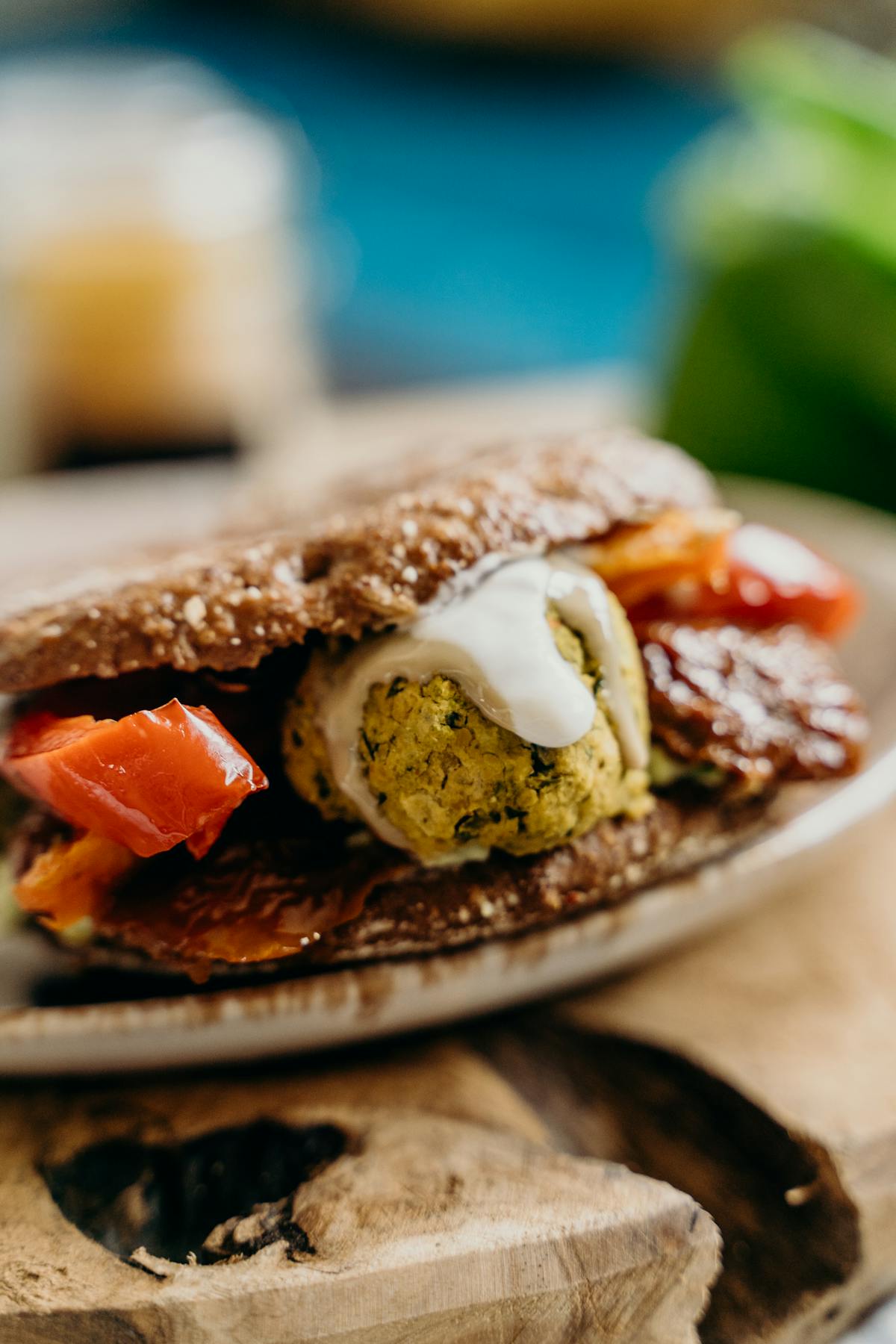
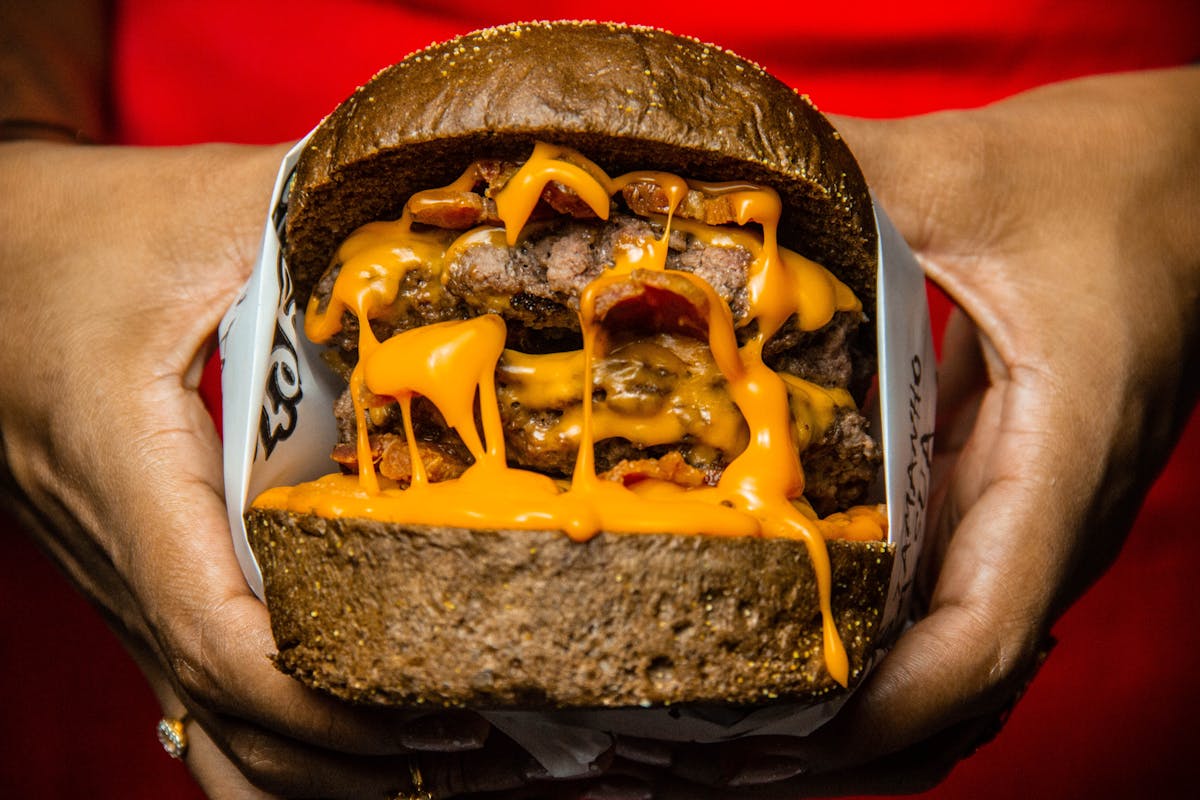
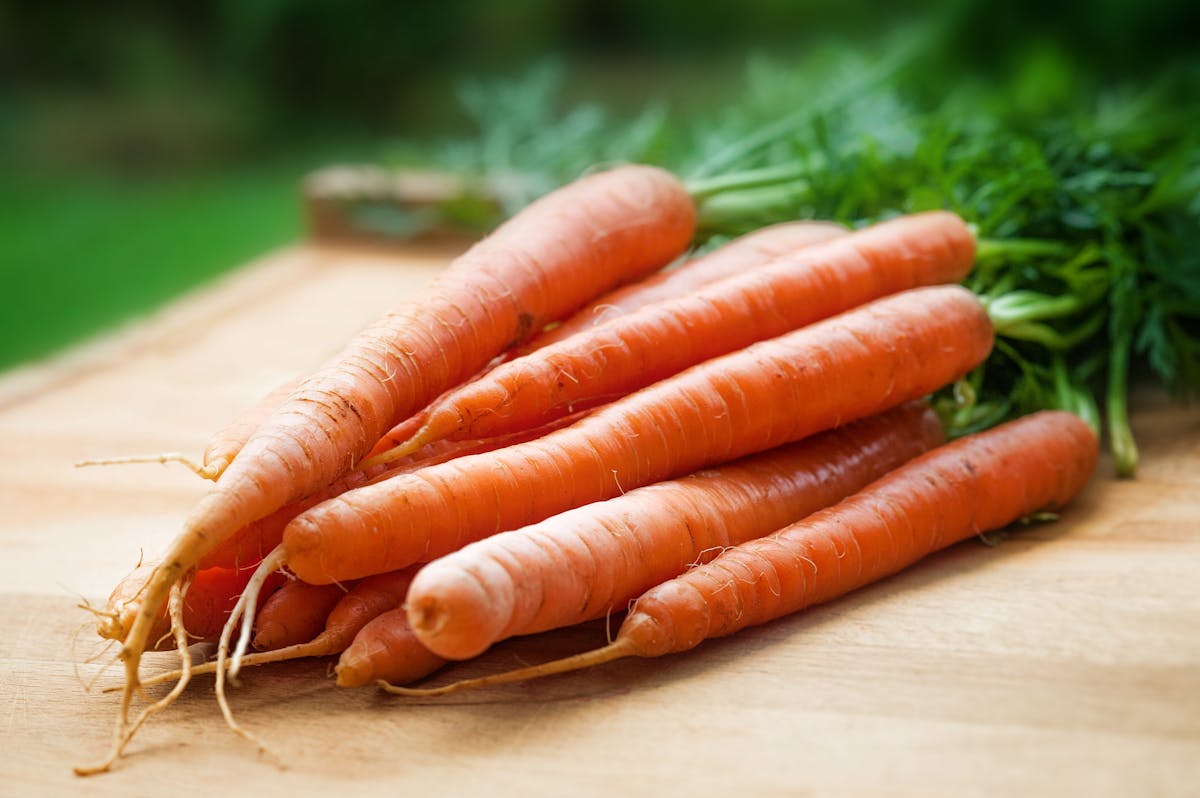
Visual Inspiration: GLP‑1‑Friendly Meals
Seeing balanced, realistic plates can make it easier to imagine what “Ozempic‑friendly” eating might look like in your own kitchen—small, colorful, and built around protein and fiber.
Ethics, Side Effects, and the Future of Weight‑Loss Culture
Alongside recipes and meal plans, there’s a serious ethical debate unfolding around GLP‑1 medications. Many clinicians worry about over‑use for purely cosmetic goals, limited access for people with diabetes, and what may happen when people discontinue the drugs and appetite returns.
From a nutrition perspective, the priority is clear: avoid malnutrition while supporting long‑term health. That means:
- Monitoring protein, iron, B vitamins, and other key nutrients—especially if intake is very low.
- Encouraging resistance training (as medically cleared) to protect muscle and bone.
- Framing weight changes in terms of function, energy, and health—not just the number on the scale.
The healthiest “Ozempic diet” is not a trend, but a pattern of eating that lets you feel nourished, steady, and capable of living the life you care about.
Practical Day‑to‑Day Tips if You’re on a GLP‑1 Medication
- Plan for smaller portions. Use smaller bowls and plates, and store leftovers right away so you don’t feel pressured to finish.
- Anchor every eating moment with protein. Even a few bites—like a spoonful of yogurt or a slice of turkey—can help.
- Keep gentle foods on hand for nausea days: broths, soft eggs, bananas, plain crackers, rice, or mashed sweet potato.
- Stay ahead of constipation with daily fluids, gradual fiber, and movement rather than waiting until it’s severe.
- Check in with professionals. Regular follow‑ups with your prescriber and, ideally, a registered dietitian can help you navigate labs, side effects, and changing needs over time.
Bringing It All Together
GLP‑1 medications like Ozempic, Wegovy, and Mounjaro are reshaping how we think about appetite and weight—but they don’t erase the fundamentals of good nutrition. Smaller, more intentional meals that emphasize protein, fiber, color, and comfort can help you stay strong and well‑nourished, even when your hunger cues feel unfamiliar.
You don’t need a rigid “Ozempic diet” to do this well. Start with one small, supportive change—like adding a high‑protein breakfast bowl, a gentle fiber source, or a glass of water between meals—and build from there. Your body deserves kindness and care in every phase, medication or not.
