
How Your Gut Talks to Your Brain: Inside the Science of Psychobiotics
The New Frontier Between Microbes and the Mind
Over the last decade, the human gut microbiome has shifted from obscure microbiology to center stage in discussions of mood, stress, and brain health. Podcasts, TikTok videos, wellness blogs, and even clinical guidelines now reference the “gut–brain axis,” often with bold promises that a probiotic capsule or fermented food can ease anxiety or sharpen focus. Behind the hype is a fast‑moving field of rigorous research that is discovering genuine, if modest, links between gut microbes and the brain.
Scientists now use the term psychobiotics for live microorganisms, dietary components, or interventions that can beneficially affect mental health via the microbiome. While this concept is intriguing and commercially attractive, leading researchers stress that the science is still young: many studies are small, correlational, or limited to animals, and individual microbiomes differ dramatically. Understanding what we know—and what we do not yet know—is essential for making informed decisions about diet, supplements, and mental health care.
Visualizing the Gut–Brain Connection
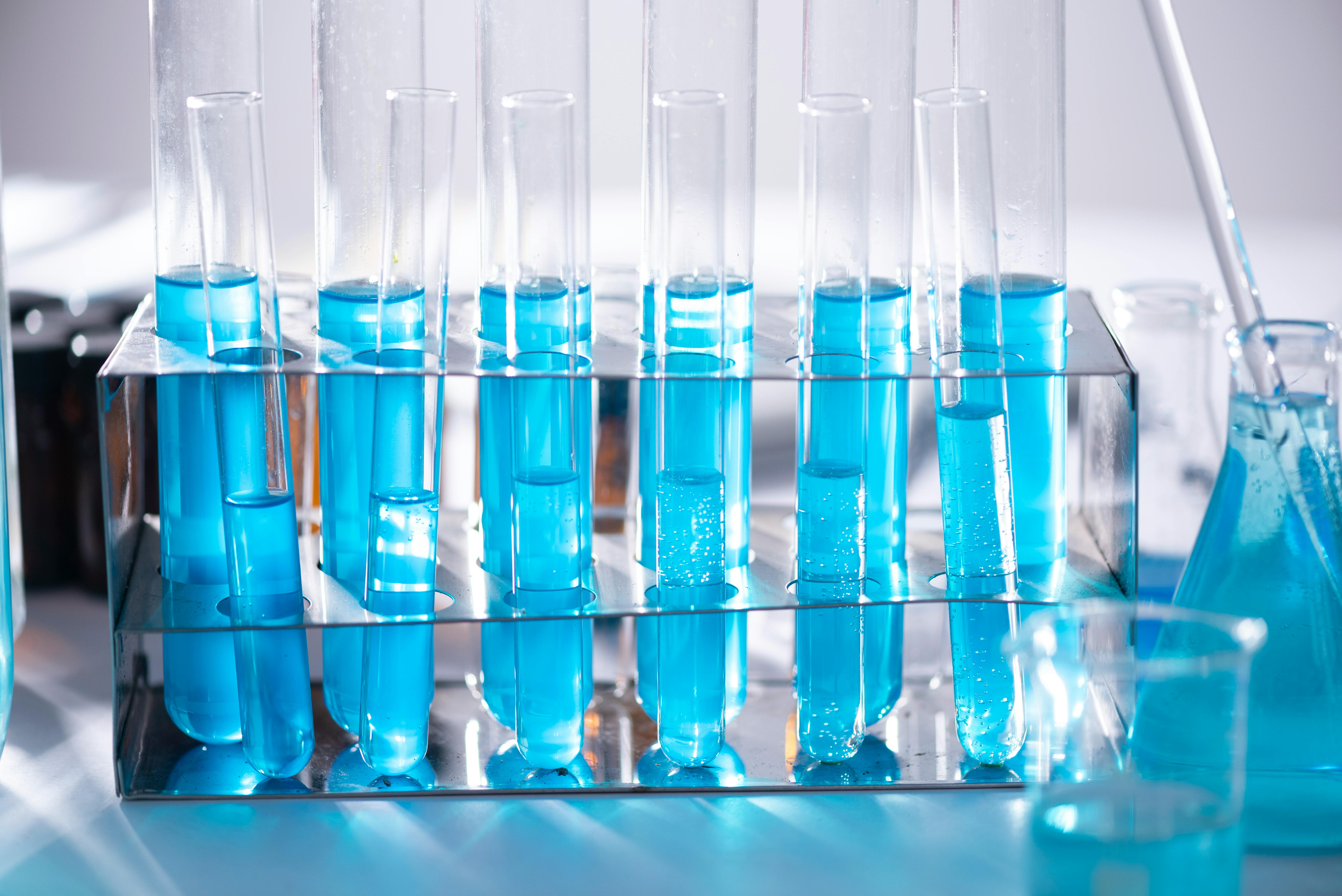
The gut–brain axis is not a single pathway but a dense, bidirectional communication network involving nerves, immune cells, hormones, and microbial metabolites. As tools like high‑throughput DNA sequencing, metabolomics, and neuroimaging improve, researchers are gradually mapping this network from the lumen of the intestine to circuits in the brain.
Mission Overview: What Are Psychobiotics Trying to Achieve?
The informal “mission” of psychobiotic research is to determine whether we can improve mental health by deliberately altering gut microbial communities or their metabolites. This mission spans several nested objectives:
- Define the microbiome–brain axis mechanistically – identify the specific bacterial strains, genes, metabolites, and host receptors that influence stress responses, mood, and cognition.
- Move from correlation to causation – test whether changing the microbiome reliably changes brain‑related outcomes in controlled animal and human studies.
- Develop targeted interventions – design probiotics, prebiotics, diet plans, and possibly microbial‑derived drugs that can complement existing mental health treatments.
- Understand inter‑individual differences – explain why the same probiotic may benefit one person but have no effect on another.
“We are not replacing psychiatry with yogurt, but we are starting to see how the ecology of the gut can tune brain function in meaningful, measurable ways.”
— Ted Dinan, psychiatrist and microbiome researcher, University College Cork
Technology: How We Study the Microbiome–Brain Axis
The rise of psychobiotics is inseparable from advances in genomic and neurobiological technologies. Modern studies integrate microbiology, neuroscience, immunology, and data science in ways that were impossible 20 years ago.
1. Sequencing and Multi‑omics
Early microbiome work relied on 16S rRNA gene sequencing to profile bacterial communities. Today, leading groups increasingly use:
- Shotgun metagenomics to identify microbial genes and predict functional pathways.
- Metabolomics (e.g., mass spectrometry, NMR) to quantify metabolites such as short‑chain fatty acids (SCFAs), bile acids, and tryptophan derivatives.
- Metatranscriptomics and metaproteomics to study which genes and proteins are active under different diets or disease states.
2. Gnotobiotic and Germ‑Free Models
Germ‑free animals, raised in sterile isolators, allow researchers to test causal effects of microbes on behavior and neurobiology:
- Compare germ‑free vs. conventionally colonized mice on stress, social behavior, and cognition.
- Introduce single strains or defined microbial consortia to isolate their effects.
- Transplant microbiota from humans with depression, anxiety, or autism into animals and observe behavioral and molecular changes.
These methods have repeatedly shown that microbiota composition can influence stress reactivity and social behavior, although translation to humans is complex.
3. Neuroimaging and Neurophysiology
In humans, researchers combine microbiome profiling with brain measures such as:
- fMRI to assess connectivity and activity in regions like the amygdala, prefrontal cortex, and hippocampus.
- EEG to evaluate changes in cortical oscillations linked to attention and emotional processing.
- Autonomic and endocrine markers (heart‑rate variability, cortisol) to quantify stress responses.
A series of functional MRI studies, for example from Emeran Mayer’s group at UCLA, have linked gut microbial patterns with distinct brain signatures involved in pain and emotion processing.
Key Mechanisms of the Gut–Brain Axis
Four major biological routes connect gut microbes to brain circuits. Each route is supported by experimental data, but their relative importance likely varies across individuals and conditions.
Neural Signaling via the Vagus Nerve
The vagus nerve acts as a high‑bandwidth communication cable between gut and brainstem. Microbial metabolites can:
- Alter enteroendocrine cell activity, which signals to vagal afferents.
- Modulate gut motility and secretion, indirectly affecting vagal firing.
- Influence local serotonin and GABA signaling that interfaces with enteric neurons.
In landmark experiments, probiotics such as Lactobacillus rhamnosus reduced anxiety‑like behavior in mice only when the vagus nerve was intact, suggesting a causal vagal pathway.
Immune Modulation and Inflammation
Gut microbes continuously interact with the mucosal immune system. They shape:
- Levels of pro‑ and anti‑inflammatory cytokines (e.g., IL‑6, TNF‑α, IL‑10).
- Activation states of innate immune cells and microglia in the brain.
- Systemic low‑grade inflammation implicated in depression and neurodegeneration.
Dysbiosis—an imbalance in microbial composition—can shift immune tone toward chronic inflammation, which is associated with increased risk for depression, cognitive decline, and neurodegenerative disorders such as Parkinson’s disease.
Metabolites and Neurotransmitter Precursors
Microbial metabolism generates thousands of bioactive molecules, some of which influence neuronal function:
- Short‑chain fatty acids (SCFAs) such as butyrate, propionate, and acetate, which can cross the blood–brain barrier and affect neuroinflammation, neurogenesis, and gene expression via histone deacetylase inhibition.
- Tryptophan metabolites that feed into serotonin and kynurenine pathways, shaping mood and cognitive processes.
- GABA and glutamate modulators, which fine‑tune excitatory–inhibitory balance in the brain.
“The microbiome is essentially a distributed endocrine organ, producing compounds that act at a distance on the brain and other organs.”
— Sarkis Mazmanian, microbiologist, Caltech
Barrier Integrity: Gut and Blood–Brain Barriers
Microbiome composition influences the tight junctions that maintain:
- The intestinal barrier (“leaky gut” vs. intact epithelium).
- The blood–brain barrier, which controls peripheral access to the brain.
SCFAs like butyrate help maintain barrier integrity. When these barriers are compromised, peripheral inflammatory signals and microbial components are more likely to reach brain tissue, potentially impairing neural function.
Scientific Significance: From Mice to Mental Health
The microbiome–brain axis has reshaped fundamental questions in neuroscience and psychiatry. Instead of viewing mental disorders purely in terms of genes and synapses, researchers now consider host–microbe ecosystems.
What Animal Studies Reveal
- Germ‑free mice show exaggerated stress responses, altered social interaction, and differences in brain structure; colonization early in life can partially normalize these features.
- Microbiota transplants from anxious, depressed, or autistic humans into rodents can transfer some behavioral and physiological traits, including changes in stress hormones and synaptic proteins.
- Specific strains, such as Bifidobacterium longum and Lactobacillus helveticus, can reduce anxiety‑like behaviors in rodent models of chronic stress.
What Human Studies Suggest
Human data remain more heterogeneous, but several patterns have emerged:
- Cross‑sectional studies associate particular microbial signatures with major depression, anxiety, autism spectrum disorders, and Parkinson’s disease.
- Randomized trials of multi‑strain probiotics sometimes find modest reductions in perceived stress and improvements in mood or cognitive flexibility, especially in otherwise healthy but stressed individuals.
- High‑fiber, plant‑rich diets designed to increase SCFA production have been linked to improved emotional well‑being and lower inflammatory markers in some cohorts.
A 2023 umbrella review in Nature Mental Health argued that while effect sizes of probiotic and prebiotic interventions on depression and anxiety are typically small, they are comparable to many lifestyle interventions—and may be meaningful as adjuncts to standard care.
Why Psychobiotics Are Trending Now
The surge of interest in psychobiotics is not just about scientific novelty; it reflects broader social and technological forces.
- Cross‑disciplinary appeal – The field sits at the intersection of microbiology, neuroscience, immunology, nutrition, and ecology, providing fertile ground for collaborative research and popular science storytelling.
- Lifestyle relevance – Diet, fermented foods, sleep, and stress management are modifiable and empower individuals to participate actively in their mental health care.
- Mental health crisis – Rising rates of anxiety and depression, especially among young adults on social media platforms like TikTok and Instagram, make any plausible, non‑pharmacological support extremely shareable.
- Personalized technology – Affordable microbiome sequencing and AI‑driven analytics allow companies to market personalized nutrition and probiotic plans based on individual stool samples.
Yet this visibility is a double‑edged sword: nuanced findings are often simplified into slogans like “heal your gut, heal your mind,” which overstate what current evidence can justify.
Psychobiotics in Practice: What Do Interventions Look Like?
Psychobiotic interventions fall into several overlapping categories, many of which are being evaluated in controlled trials.
Probiotic Strains Under Study
Not all probiotics are psychobiotics. Mental‑health‑focused research typically involves specific strains such as:
- Lactobacillus rhamnosus (JB‑1 in preclinical work).
- Bifidobacterium longum (e.g., subspecies infantis and 1714 in human studies).
- Multi‑strain formulations combining Lactobacillus and Bifidobacterium species.
In the consumer space, products inspired by this research include clinically studied blends like Culturelle Digestive Health Probiotic , which focuses on gut function but is sometimes discussed in the context of overall well‑being. It is important to emphasize that no over‑the‑counter probiotic is currently an FDA‑approved treatment for any psychiatric disorder.
Prebiotics and Dietary Fiber
Prebiotics are fermentable fibers or substrates that selectively feed beneficial microbes. Common examples include:
- Inulin and fructo‑oligosaccharides (FOS).
- Galacto‑oligosaccharides (GOS).
- Resistant starch from foods like cooled potatoes or green bananas.
Several randomized trials suggest that prebiotic supplementation can modestly improve stress hormone profiles and emotional processing, likely by enhancing SCFA production and altering tryptophan metabolism.
Dietary Patterns and Lifestyle
Beyond single products, dietary patterns such as the Mediterranean diet—rich in plants, whole grains, legumes, nuts, and extra‑virgin olive oil—consistently associate with better mental health and more diverse, SCFA‑producing microbiomes. Trials like the SMILES study have shown that dietary counseling toward Mediterranean‑style eating can significantly reduce depressive symptoms in some patients.
Practical lifestyle strategies supported by current evidence include:
- Eating a variety of plant foods (aim for ~30 different plant types per week).
- Including fermented foods such as yogurt, kefir, kimchi, or sauerkraut, if tolerated.
- Minimizing ultra‑processed foods high in emulsifiers and refined sugars, which may disrupt microbial communities.
- Maintaining regular sleep and exercise, which independently affect both microbiome and brain health.
Milestones in Microbiome–Brain Research
Several key findings have defined the trajectory of this field and pushed psychobiotics from speculative idea to mainstream research topic.
- Early 2000s – Germ‑free behavior studies
Researchers demonstrate that germ‑free mice exhibit exaggerated HPA‑axis stress responses and altered anxiety‑like behavior, suggesting the microbiome shapes neurodevelopment. - 2011–2013 – Probiotics influence stress and emotion
Animal work shows that certain Lactobacillus strains reduce anxiety‑like behavior via the vagus nerve. Human trials report that fermented milk products can alter emotional processing and brain activity on fMRI. - Mid‑2010s – Fecal microbiota transfer (FMT) from humans to animals
Transferring microbiota from patients with depression or autism into rodents reproduces aspects of these phenotypes, heightening interest in causal mechanisms. - Late 2010s–2020s – Large‑scale cohorts and multi‑omics
Population studies link microbial species and pathways to neurodegenerative diseases, sleep, and cognitive performance. Multi‑omics reveals metabolite signatures that bridge gut and brain. - 2020s – Toward precision psychobiotics
Start‑ups and academic consortia begin designing strain‑level interventions and machine‑learning models that predict mental health outcomes from microbiome profiles.
Challenges and Caveats: Separating Hype from Reality
Despite exciting data, the psychobiotics field faces substantial scientific and practical challenges.
1. Correlation vs. Causation in Humans
Many human studies are observational. It is difficult to know whether microbiome changes cause mental health problems, result from them, or simply co‑occur due to shared factors such as diet, medications, or sleep.
2. Sample Size, Reproducibility, and Effect Sizes
- Numerous trials have small sample sizes and limited statistical power.
- Findings are sometimes inconsistent across populations and labs.
- When benefits are observed, they tend to be modest, comparable to other lifestyle interventions rather than dramatic cures.
3. Individual Variability and Strain Specificity
Microbiomes are as individual as fingerprints. The same probiotic strain may:
- Colonize effectively in one host but not another.
- Interact differently with existing microbiota and diet.
- Produce distinct metabolites in different ecological contexts.
This variability complicates the design of “one‑size‑fits‑all” psychobiotic products.
4. Overselling and Commercial Pressure
Social media and marketing often outpace evidence. Claims that a specific probiotic drink will treat depression or ADHD are not supported by current clinical data and can distract from proven therapies such as cognitive‑behavioral therapy, medications, and structured lifestyle interventions.
“Enthusiasm is warranted, but we must be equally enthusiastic about rigorous trials, standardized methodologies, and transparent reporting.”
— John F. Cryan, neuroscientist, APC Microbiome Ireland
Practical Takeaways for Readers
While the field continues to evolve, several evidence‑informed principles can guide personal decisions, always in consultation with health professionals.
- Think “whole system,” not single pill. Diet, sleep, exercise, stress management, and social connection all interact with the microbiome and brain.
- Favor fiber‑rich, minimally processed foods. These consistently support microbial diversity and metabolic health, which are linked to better mental well‑being.
- Consider probiotics as adjuncts, not replacements. If you experiment with a reputable probiotic supplement, track your responses over several weeks and maintain any prescribed mental health treatments.
- Be skeptical of extraordinary claims. Look for products supported by published, peer‑reviewed human trials, and avoid those promising to “cure” complex psychiatric disorders.
- Consult professionals. Discuss any significant changes or supplements with your physician, psychiatrist, or a registered dietitian knowledgeable about microbiome science.
The Future of Psychobiotics: Precision and Ethics
Looking ahead, psychobiotic research is converging with precision medicine, systems biology, and AI.
Toward Personalized Microbiome‑Informed Psychiatry
Emerging efforts aim to:
- Use machine‑learning models to predict treatment response based on baseline microbiome composition.
- Design customized consortia of bacterial strains that deliver specific metabolite profiles for targeted brain outcomes.
- Combine microbiome data with genomics, metabolomics, and digital phenotyping (e.g., smartphone‑based mood tracking) to map individual trajectories of resilience and risk.
Ethical and Ecological Considerations
As psychobiotic therapies advance, ethical questions will grow more pressing:
- Who has access to advanced microbiome diagnostics and personalized interventions?
- How do we regulate commercial services that interpret microbiome data for mental health without overstepping the evidence?
- What are the long‑term ecological impacts of widespread probiotic and antibiotic use on human‑associated microbial ecosystems?
There is also a planetary health dimension: changes in agriculture, food processing, urbanization, and antibiotic use collectively shape our microbiomes and, potentially, the mental health of future generations.

Conclusion: A Promising, Not Magical, Lever for Brain Health
The microbiome–brain axis has opened a profound conceptual shift: our mental lives are intertwined with invisible microbial partners that co‑evolved with us. Psychobiotics, understood as targeted manipulation of these microbial communities, hold significant promise as adjuncts to existing mental health strategies—but they are not magic bullets.
As of early 2026, the weight of evidence suggests that:
- Microbiome–brain connections are real and mechanistically plausible.
- Dietary and probiotic interventions can exert small to moderate effects on mood and stress in some individuals.
- Precision, personalization, and rigorous clinical trials will be essential for turning psychobiotics into reliable, ethical tools in mental health care.
For now, the most robust, accessible “psychobiotic” strategy is to care for your microbial ecosystem with a varied, fiber‑rich diet, adequate sleep, regular movement, and evidence‑based mental health care—an approach that benefits both body and brain.
References / Sources
The following resources provide deeper dives into microbiome–brain research and psychobiotics:
- Cryan, J. F., & Dinan, T. G. (2012). Mind‑altering microorganisms: the impact of the gut microbiota on brain and behaviour. Nature Reviews Neuroscience. https://www.nature.com/articles/nrn3346
- Foster, J. A., & McVey Neufeld, K.‑A. (2013). Gut–brain axis: how the microbiome influences anxiety and depression. Trends in Neurosciences. https://www.sciencedirect.com/science/article/pii/S0166223613000088
- Sarkar, A. et al. (2016). Psychobiotics and the manipulation of bacteria–gut–brain signals. Trends in Neurosciences. https://www.sciencedirect.com/science/article/pii/S0166223616000360
- Mayer, E. A. (2021). The gut–brain axis: current understanding and future perspectives. Nature Reviews Gastroenterology & Hepatology. https://www.nature.com/articles/s41575-020-00381-9
- Harvard T.H. Chan School of Public Health – The Microbiome. https://www.hsph.harvard.edu/nutritionsource/microbiome/
- APC Microbiome Ireland – Research on the gut–brain axis. https://apc.ucc.ie/
- Emeran Mayer – Gut–brain resources and educational videos. https://emeranmayer.com/
- YouTube – “How your gut affects your brain” (TEDx talk by Emeran Mayer). https://www.youtube.com/watch?v=Z5KZhm19EO0
For professionals, recent systematic reviews and meta‑analyses in journals such as Psychological Medicine, Translational Psychiatry, and Nature Mental Health provide up‑to‑date estimates of psychobiotic effect sizes and methodological quality.
Additional Resources and Next Steps
If you are interested in monitoring your own gut–brain journey, consider keeping a simple diary for 4–6 weeks that tracks:
- Daily mood and stress levels.
- Sleep duration and quality.
- Dietary patterns, especially fiber and fermented foods.
- Any supplements or medications you are taking.
Looking back on these notes with your clinician or dietitian can reveal patterns that are far more personalized—and actionable—than generic advice. Combined with ongoing advances in microbiome science, this kind of reflective practice can help you make informed, realistic use of psychobiotic concepts in everyday life.
