
Viral Outbreaks on the Horizon: The 2026 Viruses Experts Are Watching
Viral outbreaks are always on the horizon – here are the viruses an infectious disease expert is watching in 2026
Viral infections are on the rise and spreading across the globe. A new year doesn’t reset the risk: old viruses keep evolving, and a warming, increasingly populated planet keeps placing people in contact with new ones. At the same time, global travel means that what begins as a local outbreak can, in the wrong conditions, move between continents in days. It’s understandable to feel uneasy or even exhausted by the idea of “the next virus,” but being informed and prepared is far more helpful than being fearful.
In this article, we’ll walk through key viral threats infectious disease experts are watching in 2026, why they matter, and what you can realistically do to protect yourself and your community without turning your life upside down.
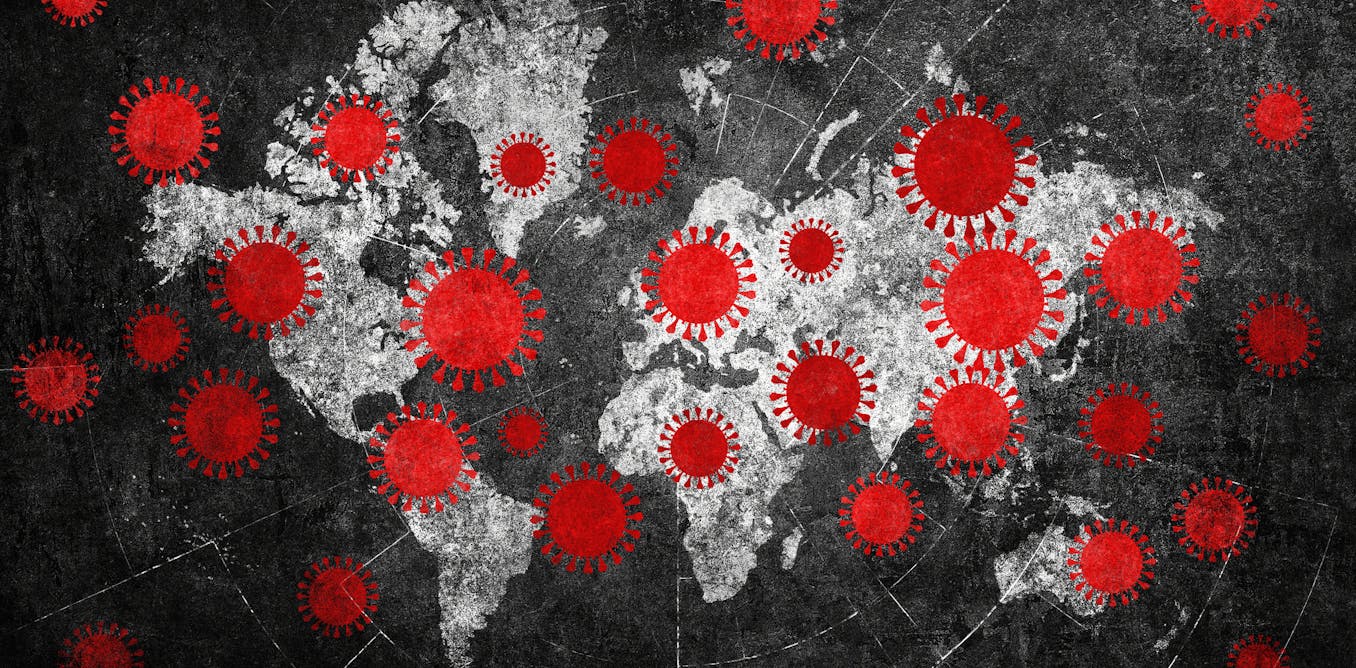
Why viral threats feel constant in 2026
It can seem like we’re hearing about a new virus every few months. That’s not just media noise. Several forces are converging to increase viral risk:
- Climate change: Warmer temperatures expand the range and breeding season of mosquitoes and other vectors that carry viruses like dengue and West Nile.
- Urbanization: Crowded cities and informal settlements can accelerate spread of respiratory and gastrointestinal viruses.
- Deforestation and land use change: As humans move into wildlife habitats, we are exposed to viruses that previously circulated only in animals.
- Global travel and trade: A virus can board a plane in one country and arrive across the world before anyone knows it’s there.
- Viral evolution: Viruses mutate. Most changes are harmless, but some can make a virus more transmissible or better at evading immunity.
“We’re not seeing ‘more viruses’ so much as more opportunities for known and novel viruses to reach people, combined with far better detection systems than we had just a decade ago.”
— Infectious disease epidemiologist, 2025 symposium on emerging pathogens
Understanding these drivers helps reframe outbreaks as predictable events we can prepare for, rather than random disasters we’re powerless to influence.
Viruses infectious disease experts are tracking in 2026
Specific risks differ by region, but several virus groups are consistently on expert watch lists in 2026. These are not predictions of disaster; they are areas of heightened surveillance and preparedness.
1. Respiratory viruses: SARS-CoV-2, influenza, and RSV
COVID-19 has entered an endemic phase in many countries, but SARS‑CoV‑2 continues to evolve. New variants can change patterns of transmission, immunity, and severity, even if they don’t cause the kind of global disruption we saw in 2020.
- SARS‑CoV‑2: Experts monitor variants that may partially escape existing immunity or spread more easily, especially in colder months.
- Seasonal influenza: Flu remains a major cause of hospitalizations and deaths; vaccine strain matching is an ongoing challenge.
- RSV (Respiratory Syncytial Virus): Particularly important for infants, older adults, and people with chronic lung or heart disease; new vaccines and preventive antibodies are expanding protection.
2. Mosquito-borne viruses: dengue, West Nile, chikungunya, Zika
Vector-borne diseases are shifting as climate and land use change. Warmer temperatures and altered rainfall patterns help mosquitoes move into new regions and extend transmission seasons.
- Dengue virus: Increasingly common in parts of Asia, Latin America, and now appearing in local transmission events in regions that previously only saw travel-related cases.
- West Nile virus: Established in many temperate regions, with sporadic outbreaks tied to bird and mosquito populations.
- Chikungunya and Zika: Known for causing large outbreaks when introduced into naïve populations; many countries maintain active surveillance.
An infectious disease colleague in a Mediterranean country shared that, a decade ago, dengue seemed like a distant tropical issue. In 2024–2025, their clinic managed several locally acquired cases, all occurring after unusually warm and wet summers that favored the Aedes mosquito. Local health authorities responded with mosquito control campaigns and public education, which helped limit spread—but it was a wake‑up call that “tropical” viruses no longer respect old maps.
3. Zoonotic and hemorrhagic viruses: Lassa, Nipah, and others
Zoonotic viruses—those that jump from animals to humans—remain a central concern. Many cause severe disease but typically spread in limited geographic areas or through close contact.
- Lassa fever: Endemic in parts of West Africa, spread primarily by contact with rodent excreta and between people via bodily fluids in healthcare or household settings.
- Nipah virus: Identified in South and Southeast Asia; associated with bat reservoirs, contaminated food, and occasionally person‑to‑person spread. Causes high mortality in severe cases.
- Ebola and Marburg: Still rare but capable of explosive local outbreaks, prompting rapid international support when clusters appear.
“For many zoonotic viruses, our best defense is strengthening basic public health systems: early detection, rapid isolation of cases, and proper infection prevention in clinics. These are not high‑tech solutions, but they save the most lives.”
— Clinical virologist, West African teaching hospital
4. Vaccine‑preventable childhood viruses making a comeback
Disruptions to routine vaccination during the COVID‑19 pandemic, combined with misinformation and access barriers, have allowed some well‑known childhood viruses to resurface in several countries.
- Measles: One of the most contagious human viruses. Even small drops in measles vaccination coverage can lead to sizable outbreaks.
- Polio (including vaccine‑derived strains): Still targeted for global eradication. Localized cases in under‑immunized communities remind us that progress is fragile.
Public health research repeatedly shows that high vaccination coverage is one of the most powerful tools we have to prevent severe disease outbreaks, particularly in children. Rebuilding trust and access to routine vaccines is a high priority in 2026.

How infectious disease experts track emerging viral threats
It might feel like viruses “appear out of nowhere,” but in reality a large global network is constantly scanning for early warning signs. This is sometimes called “viral surveillance.”
- Clinical reporting: Hospitals and clinics send data on unusual clusters of illness—especially severe respiratory disease, unexplained fevers, or neurological symptoms—to health authorities.
- Laboratory testing and sequencing: Samples from patients are tested using molecular methods (like PCR). Genetic sequencing allows scientists to see how viruses are changing over time.
- Environmental surveillance: Wastewater monitoring can detect viral signals from entire communities, often before clinical cases spike.
- Animal and vector surveillance: Monitoring wildlife, livestock, birds, and mosquito populations for certain viruses provides early warnings of zoonotic spillover or vector‑borne risk.
- Data sharing and modeling: Organizations like the WHO, national public health agencies, and academic groups share data to model how outbreaks might evolve and what interventions are most effective.

What you can realistically do in 2026 to protect yourself
You can’t control global climate patterns or international travel, but you can reduce your personal and household risk. Think of it as building a “viral resilience toolkit.”
1. Stay current on vaccinations and preventive care
- Review your vaccination record with a healthcare professional, including COVID‑19, flu, measles, and other routine immunizations.
- Ask about new vaccines or preventive antibodies available in your region (for example, RSV protection for infants or high‑risk adults).
- Keep chronic conditions such as diabetes, asthma, or heart disease as well‑managed as possible—they can strongly influence outcomes from many viral infections.
2. Strengthen simple everyday habits
Small, sustainable changes add up. You don’t need to live in fear or isolation to make a meaningful difference.
- Wash hands regularly with soap and water, especially after being in public spaces or before eating.
- Improve indoor air by opening windows when practical and maintaining heating/cooling systems; consider portable air cleaners in frequently used rooms.
- Stay home when you’re sick if you can, and consider a mask during the first few days of respiratory symptoms to protect others.
- Keep a modest “sick day kit” at home: thermometer, basic medications recommended by your clinician, masks, and a plan for who can help with errands if you’re unwell.
3. Reduce mosquito and vector exposure where relevant
If you live in, or travel to, areas with dengue, West Nile, or other mosquito‑borne viruses, targeted steps are worthwhile:
- Eliminate standing water around your home (buckets, plant saucers, old tires) where mosquitoes breed.
- Use EPA‑approved insect repellents and wear long sleeves and pants, particularly at dawn and dusk or when local health advisories recommend it.
- Sleep under insecticide‑treated bed nets in high‑risk areas when advised by local health agencies.
4. Choose your information sources carefully
During the COVID‑19 pandemic, many people told me the hardest part wasn’t masking or testing—it was trying to navigate conflicting information. Setting up a small “information routine” can help:
- Follow updates from your national or regional public health agency and the World Health Organization.
- Be cautious with viral posts on social media. Check whether claims are linked to recognized institutions, peer‑reviewed research, or expert consensus.
- If something you read makes you feel panicked, step back and look for confirmation from at least two reputable sources before changing your behavior.
Overcoming common obstacles to staying prepared
Knowing what to do is one thing; fitting it into real life is another. Many people face similar challenges when trying to stay ready for viral threats.
“I’m tired of thinking about viruses all the time.”
Pandemic fatigue is real. The goal isn’t to stay on high alert forever; it’s to build habits so routine that you don’t have to think about them much. Once practices like annual flu shots, improved ventilation, or checking travel advisories become automatic, they demand less emotional energy.
“Vaccines or healthcare aren’t easy for me to access.”
Structural barriers—cost, transportation, work schedules, clinic availability—are very real. When possible:
- Look for community health fairs, mobile clinics, and pharmacy‑based vaccination services that offer extended hours.
- Ask about subsidized or free vaccination programs; many countries and regions fund them for priority groups.
- If you’re a caregiver or community leader, consider coordinating group visits or advocating for local services.
“I’m not sure which experts to trust anymore.”
Conflicting recommendations over the past few years understandably eroded trust. One practical approach:
- Focus on institutions with transparent methods and a track record of updating guidance when new evidence appears.
- Look for consensus statements from multiple independent groups rather than relying on single voices.
- Ask your own questions—good clinicians and public health professionals should be willing to explain the “why,” not just issue instructions.

What the science says: balancing vigilance and realism
Research over the past decade supports a few consistent themes about viral threats:
- Prepared health systems save lives. Countries with stronger primary care, surveillance, and hospital capacity tend to fare better during outbreaks, even when they can’t prevent them entirely.
- Early action matters. For illnesses like flu, COVID‑19, and some hemorrhagic fevers, rapid identification and isolation of cases can significantly reduce spread.
- Combined measures work best. Vaccines, ventilation, masking during surges, and staying home when ill have additive effects; no single tool is perfect on its own.
- Misinformation is itself a risk factor. Studies link false claims about viruses and vaccines with lower uptake of protective measures and higher outbreak severity in some communities.
None of this means that every new virus will trigger a global emergency. Most will either remain localized or be contained with rapid response. But in a world where viral outbreaks are expected, rather than exceptional, a baseline level of readiness gives you more control and less fear.
Living with viral risk without living in fear
Viral outbreaks are not going away. In 2026, infectious disease experts are keeping close watch on evolving respiratory viruses, expanding mosquito‑borne infections, serious zoonotic diseases, and the resurgence of preventable childhood illnesses where vaccination has slipped. That reality can feel heavy—but it doesn’t have to be paralyzing.
The same core strategies provide protection across many different viruses: staying current on recommended vaccines, improving everyday hygiene and ventilation, reducing mosquito exposure where relevant, and leaning on trustworthy sources of information instead of rumor or alarm. These are not perfect shields, but they are powerful, practical tools.
You don’t need to overhaul your life overnight. Choose one or two steps you can take this month—booking a vaccination review, checking your home for standing water, or creating a simple household sick‑day plan—and build from there. Preparedness is less about fear of what might come, and more about confidence that you’ve done what you reasonably can.
Your next step: pick a small action, schedule it on your calendar today, and share it with one person you care about. Collective resilience begins with individual choices, repeated over time.
