Inside the Golden Age of Vaccine Development: How We Now Design Immunity in Weeks
We’ve entered a new golden age of vaccine development. Vaccines that once took 10–15 years to create can now be designed in weeks, sometimes literally “atom by atom.” Yet many people are understandably torn: how can something so complex be developed so fast and still be safe, well‑tested, and trustworthy?
This article walks through how we got here—from Edward Jenner’s chance smallpox experiment in 1796 to today’s precision‑engineered vaccines—and what this transformation means for public health, pandemic preparedness, and everyday families deciding whether to roll up their sleeves.

From Jenner’s Lucky Accident to Precision Vaccine Design
In 1796, Edward Jenner didn’t know what viruses were. He only noticed that milkmaids who caught cowpox seemed protected from smallpox. By scratching cowpox material into the skin of a young boy, he triggered immunity—an experiment that would launch the entire field of vaccination.
For more than a century afterward, vaccines were largely empirical: scientists grew whole pathogens, weakened or killed them, and tried them in animals and then humans. It was painstaking, risky, and slow.
- Little understanding of viral structure or genetics
- Heavy reliance on trial‑and‑error in the lab
- Vaccine timelines measured in decades, not months
Today, the situation is strikingly different. Once we know a pathogen’s genome—sometimes within hours of its discovery—we can:
- Decode the proteins that sit on its surface.
- Predict which parts (epitopes) the immune system can best target.
- Design vaccine “blueprints” digitally before stepping into a wet lab.
“We used to discover vaccines by accident and refine them by trial and error. Now, we can often start with the structure of a single protein and design immunity around it.”
How Modern Vaccines Are Designed in Weeks, Not Decades
The phrase “designed in weeks” doesn’t mean “approved in weeks.” It means that the initial vaccine candidate can now be created astonishingly fast once scientists have the pathogen’s genetic code.

Key technologies driving the golden age
- Genomic sequencing: Rapid sequencing of viral and bacterial genomes lets researchers identify targets for vaccines in days.
- Structure‑based design: Using cryo‑EM and X‑ray crystallography, scientists map protein structures atom by atom, then design stable shapes that provoke stronger immunity.
- Computational modeling and AI: Algorithms help predict which protein shapes will be most visible to the immune system and least likely to cause unintended effects.
- mRNA and DNA platforms: Instead of growing large quantities of virus, we encode instructions for a pathogen’s key protein and let our own cells make the target.
- Viral vectors and protein nanoparticles: Harmless delivery vehicles or self‑assembling protein cages present viral fragments in highly organized, immune‑stimulating ways.
Step‑By‑Step: From Genetic Code to First Human Trials
While each project is unique, modern vaccine development often follows a pattern that looks more like software iteration than old‑style industrial manufacturing.
- Identify the threat.
Public‑health labs and global surveillance systems flag a new pathogen or variant. - Sequence the genome.
Within hours to days, scientists upload the pathogen’s genetic code to global databases. - Pick the target antigen.
Teams focus on proteins used by the pathogen to enter cells (for viruses, often the “spike” or surface proteins). - Use structural biology and AI.
Models identify stable shapes and vulnerable regions that the immune system can recognize strongly. - Build candidate vaccines.
Depending on the platform—mRNA, protein subunit, viral vector—engineers design the genetic or protein sequence. - Test in cells and animals.
Safety signals, antibody levels, and T‑cell responses are evaluated before any human trial. - Move into phased clinical trials.
Phase I (safety), Phase II (dose and immune response), Phase III (effectiveness and rare side‑effects).
Taken together, these advances don’t eliminate the need for careful testing—but they do compress the earliest, most uncertain stages of vaccine R&D from years to weeks or months.
Safety First: Fast Design Still Meets Slow, Careful Testing
A common worry is that “faster vaccines” means “rushed safety.” The reality is more nuanced. While design and early lab work have sped up dramatically, the core safety principles remain in place.
- Preclinical checks: Cell and animal tests screen for toxicity, harmful immune reactions, and dosing ranges.
- Phased trials: Tens, then hundreds, then tens of thousands of volunteers take part before approval.
- Independent oversight: Ethics committees, regulators, and external monitoring boards review the data.
- Post‑marketing surveillance: Once a vaccine is in use, national and international systems track rare or long‑term side‑effects.
“Speed came from prior platform research, overlapping trial phases, and unprecedented funding—not from skipping safety steps.”
Before and After: How the Golden Age Changes the Game
To appreciate how far we’ve come, it helps to compare “then” and “now” across a few dimensions.
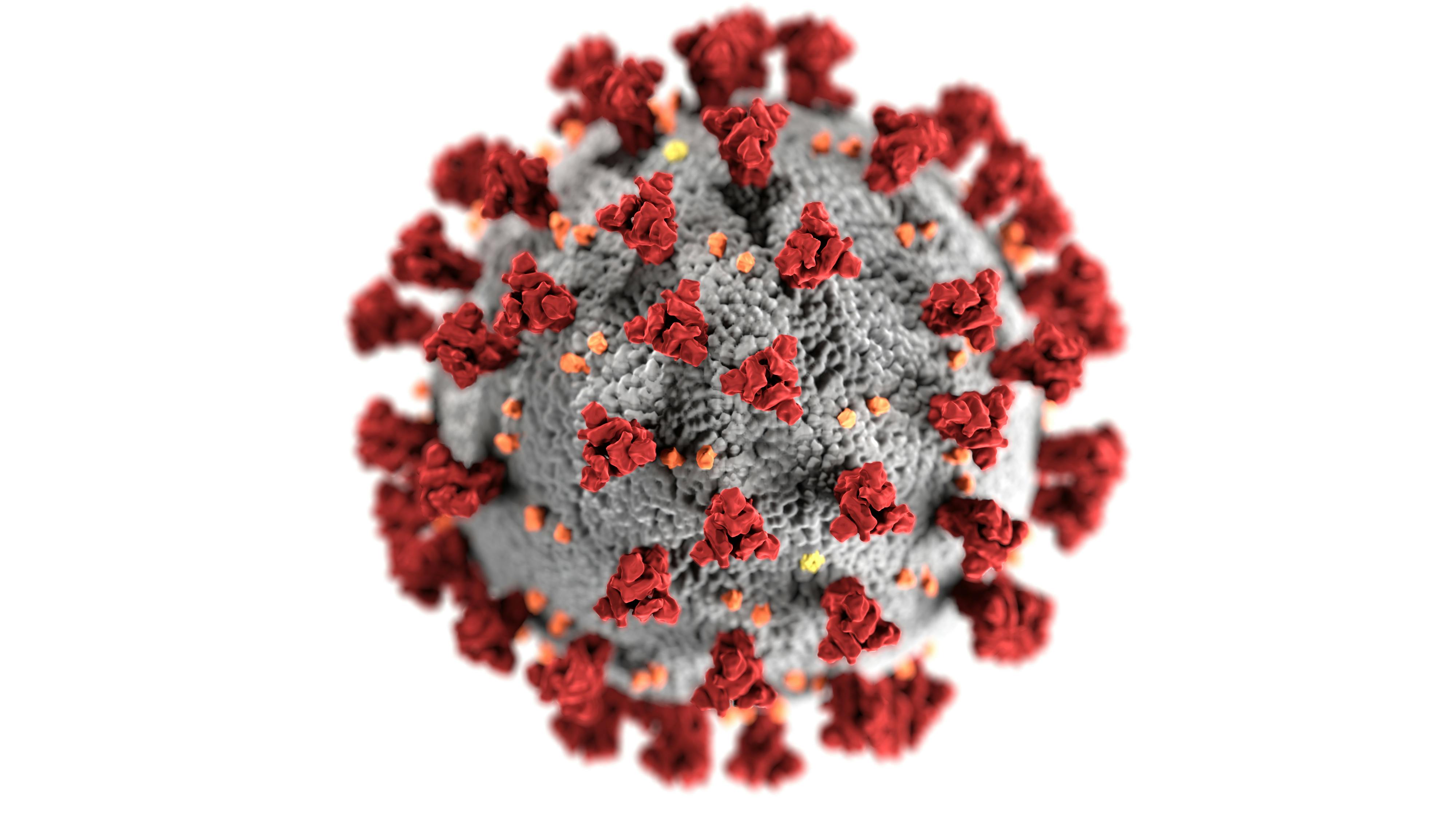
- Timeline:
Then: 10–20 years was common.
Now: Months to a few years, depending on the disease and urgency. - Information:
Then: Limited structural and genetic insights.
Now: Atom‑level models and global genome databases. - Platforms:
Then: Each vaccine required a bespoke manufacturing process.
Now: Reusable mRNA, vector, and protein platforms. - Scope:
Then: Mostly acute infections (smallpox, polio, measles).
Now: Infectious diseases plus candidates for some cancers, allergies, and chronic infections. - Data scale:
Then: Single‑country trials, paper‑based monitoring.
Now: International trials, real‑time safety and effectiveness tracking.
Case Studies: What the New Era Has Already Delivered
Several real‑world stories illustrate what this golden age of vaccine technology looks like in practice.
A pandemic‑ready mRNA platform
When the SARS‑CoV‑2 genome was published in early 2020, mRNA teams built vaccine candidates within days. Years of prior work on mRNA delivery, lipid nanoparticles, and spike protein structure meant the “hard part” had already been done before the pandemic started.
Large‑scale trials involving tens of thousands of participants followed, leading to the first emergency authorizations. The process was far from perfect, but it demonstrated that platform‑based vaccines could be deployed at scale in time to alter the course of a pandemic.
Personalized cancer vaccines
In oncology, experimental mRNA vaccines now encode tumor‑specific markers unique to a patient’s cancer. Early clinical data suggest some patients mount strong T‑cell responses that may help keep tumors in check when combined with other treatments. This remains an active area of research rather than routine care, but the principle—rapidly designing an immune response to highly specific targets—is the same.
Next‑generation RSV and flu vaccines
Respiratory syncytial virus (RSV) long resisted vaccine efforts due to unstable target proteins. Structural biologists eventually determined a more stable shape of the RSV fusion protein, allowing the design of vaccines that present this form and elicit protective antibodies. Similar strategies are being used to refine influenza vaccines and explore “universal” designs that protect against many strains at once.
Common Concerns: Trust, Access, and Unequal Benefits
Technology alone doesn’t guarantee better health. People’s concerns, infrastructure, and politics all shape how vaccines are used—or not used.
1. “It all happened too fast.”
Many people understandably associate speed with corner‑cutting. In reality, much of the speed comes from:
- Decades of prior research on platforms and targets
- Running some trial phases in parallel
- Massive up‑front investment and manufacturing built “at risk”
2. “Will the benefits reach everyone?”
History shows that new medical technologies often reach wealthier countries first. Addressing this requires:
- Regional manufacturing hubs and technology transfer
- Fair global procurement mechanisms
- Transparent pricing and licensing strategies
3. “How do I weigh risks and benefits for my family?”
Every family faces different health contexts and risk factors. Talking with a trusted healthcare professional, reviewing reputable sources, and asking direct questions about known benefits and side‑effects are all reasonable steps.
Visual Snapshot: The New Vaccine Pipeline
The full process is complex, but you can think of the modern vaccine pipeline in three big arcs: rapid design, careful trials, and lifelong monitoring.
- Design: Genomics, structural biology, AI modeling, candidate selection.
- Testing: Lab assays, animal models, small then large clinical trials.
- Deployment: Regulatory review, manufacturing scale‑up, real‑world monitoring.
Each arc is informed by global data sharing and improved statistical methods that help detect both strong benefits and rare harms more reliably than in the past.
A Personal Lens: Navigating the Golden Age as an Individual
Patients and parents sometimes describe feeling as if medicine is moving “too fast to keep up with.” That feeling is valid. Medical innovation can be both reassuring and overwhelming at the same time.
In conversations with clinicians, researchers, and families, a pattern often emerges:
- People want clear, jargon‑free explanations.
- They appreciate when uncertainties are stated openly.
- They’re more comfortable when they know how side‑effects are tracked and managed.
“Once my doctor walked me through how the vaccine had been studied, and what would happen if I did have a reaction, I still felt nervous—but I also felt informed enough to make a decision I could live with.”
The golden age of vaccine development isn’t just about science getting smarter. It’s also an opportunity for healthcare systems to get better at listening, explaining, and partnering with the public.
How to Stay Informed Without Getting Overwhelmed
With headlines announcing new vaccines and variants almost weekly, it’s easy to feel fatigued. A few habits can help you stay grounded.
- Choose a few trusted sources.
National public‑health agencies, major medical centers, and peer‑reviewed journals (or their plain‑language summaries) are more reliable than random social media posts. - Look for consensus, not single studies.
One study can be wrong or incomplete; patterns across many studies are more informative. - Ask professionals to explain in plain language.
A good clinician will welcome your questions about how a vaccine works and what’s known so far. - Notice how uncertainty is handled.
Responsible communication admits what we don’t yet know and updates recommendations as evidence evolves.
Looking Ahead: Turning a Scientific Breakthrough into a Health Breakthrough
For the first time in history, humanity can routinely read the genetic code of new pathogens, model their most vulnerable parts, and design targeted vaccines in record time. That’s an extraordinary shift from Jenner’s cowpox experiment to today’s atom‑level engineering.
But the true measure of this golden age won’t be how fast we can design molecules; it will be how wisely we use them—how fairly they’re shared, how carefully they’re tested, and how respectfully people’s questions are answered.
As you navigate new vaccine options for yourself or your family, you don’t need to become an immunologist. You only need three things:
- Access to clear, honest information
- A trusted professional to talk it through with
- Space to weigh your values and risk tolerance
The science is moving fast, but your decisions don’t have to be rushed. Take the time you need to understand what’s on offer in this new era of vaccine development—and use that understanding to make informed, confident choices about your health.