
How Kennedy’s Vaccine Overhaul Could Reshape Childhood Immunization and the Vaccine Injury System
What Kennedy’s Childhood Vaccine Overhaul Really Means for Families
A controversial overhaul of childhood vaccine recommendations under Kennedy’s Health and Human Services (HHS) team is changing how flu, meningitis, hepatitis A and rotavirus shots are categorized. For many parents, it’s confusing and unsettling: Are these vaccines now considered less important? Will it be harder or easier to get them? And why are legal experts suddenly talking about “opening the floodgates” for multimillion‑dollar vaccine injury lawsuits?
This piece unpacks the big plan behind the changes, explains how the downgrading of certain shots could affect the vaccine injury system, and explores the potential impact on access, safety monitoring, manufacturers, and—most importantly—children’s health. The goal isn’t to push any single viewpoint, but to give you clear, evidence‑informed context so you can better understand what’s happening and what questions to ask your own healthcare team.
According to reporting by Politico, Kennedy’s HHS team has moved to downgrade longstanding recommendations that children receive:
- Seasonal influenza (flu) vaccines
- Meningococcal (meningitis) vaccines
- Hepatitis A vaccines
- Rotavirus vaccines
The shift is about much more than semantics. In the United States, the strength of official recommendations is closely tied to:
- How strongly vaccines are promoted to doctors and schools
- What insurers are expected to cover
- Which vaccines are protected under special federal liability shields
How U.S. Childhood Vaccine Recommendations and Protections Normally Work
To understand why this overhaul matters, it helps to know how the system is set up today.
1. The ACIP and Official Recommendations
Historically, the Advisory Committee on Immunization Practices (ACIP)—an expert group that advises the CDC—reviews safety and effectiveness data and votes on whether a vaccine should be:
- Routine for all children in a given age group
- Recommended for specific risk groups (e.g., children with certain medical conditions)
- Optional or not recommended at all for routine use
2. The National Vaccine Injury Compensation Program (VICP)
Since the 1980s, most routine childhood vaccines have been covered by the National Vaccine Injury Compensation Program. Instead of suing manufacturers directly in civil court first, families:
- File a petition in a special “vaccine court.”
- Have their claim reviewed by medical and legal experts.
- Can receive compensation for rare but serious injuries associated with vaccines.
This system was designed to protect both families and vaccine supply: people with legitimate injuries can be compensated more efficiently, while manufacturers are shielded from some lawsuits so they continue producing vaccines.
“The vaccine injury system is a safety net most people don’t even know exists. It’s not perfect, but it’s one reason we still have stable access to critical childhood vaccines.”
— Pediatric health policy researcher, summarizing mainstream expert consensus
3. Why Recommendation Levels Matter Legally
In many cases, for a vaccine to be clearly covered by VICP protections, it needs to be:
- Recommended for routine use in children, and
- Subject to a specific excise tax that funds the VICP trust.
When a recommendation is downgraded, it can blur this connection—and that’s where Kennedy’s overhaul starts to shift the landscape.
What Kennedy’s Overhaul Changes About Childhood Vaccines
According to Politico’s reporting, Kennedy and HHS officials have moved to downgrade certain long‑standing childhood vaccine recommendations. While exact legal language and implementation may continue evolving, the central themes appear to be:
1. Downgrading Four Key Vaccines
The following childhood vaccines have had their recommendation status softened from “strong routine” guidance toward more limited or conditional language:
- Flu (influenza) — previously strongly recommended annually for most children.
- Meningitis (meningococcal) — important for preventing rare but severe infections.
- Hepatitis A — protects against liver infection spread through contaminated food or close contact.
- Rotavirus — an oral vaccine that dramatically reduced severe diarrhea hospitalizations in infants.
2. A Pathway to More Traditional Lawsuits?
One of the most significant implications highlighted by legal analysts is that downgrading these vaccines may make it easier for families to bypass the VICP system and:
- File direct lawsuits in state or federal courts
- Seek larger, potentially multimillion‑dollar damage awards
- Challenge manufacturers and possibly healthcare providers more aggressively
Whether this pathway opens in practice depends on how final rules are written, how courts interpret them, and whether Congress intervenes. But the policy direction clearly points toward greater legal exposure for manufacturers.
3. A Political and Philosophical Shift
Kennedy has been a prominent critic of aspects of U.S. vaccine policy for years. This overhaul appears consistent with:
- An emphasis on expanding lawsuit pathways for alleged injuries
- Reducing automatic, across‑the‑board recommendations
- Framing some vaccines as more optional decisions for parents
Supporters argue this increases accountability and choice. Critics worry it may undermine broad protection against preventable diseases and destabilize vaccine supply.
How Downgrading Childhood Shots Could Reshape Vaccine Injury Lawsuits
Politico’s analysis focuses heavily on one core outcome: the potential for more, and larger, vaccine injury lawsuits. Here’s how that could unfold.
1. From Special Vaccine Court to Civil Court
If a vaccine is no longer clearly covered by the VICP structure, families may:
- Have a more direct route to suing manufacturers in regular court systems.
- Face a higher burden of proof and longer timelines—but also the potential for higher damage awards.
- See cases decided by juries rather than specialized vaccine judges.
This is a profound philosophical shift away from the “special court” model that has underpinned U.S. vaccine policy for decades.
2. Risk of Driving Manufacturers Out of the Market
One of the original reasons the VICP was created was that vaccine makers were leaving the market under the pressure of lawsuits, raising fears of shortages. If:
- Lawsuits surge, and
- Insurance premiums and legal exposure climb sharply,
some analysts worry manufacturers could:
- Stop producing certain vaccines
- Raise prices significantly
- Limit supply to the U.S. market
“There’s a real trade‑off: the more we open traditional tort pathways, the more we risk shrinking the number of companies willing to make vaccines at all.”
— Health law expert commenting on the potential impact of the overhaul
3. Possible Changes in How Doctors Practice
If legal exposure rises and recommendations weaken, clinicians may:
- Spend more time documenting vaccine discussions and informed consent.
- Be more cautious about recommending downgraded vaccines, even when medically appropriate.
- Face conflicting pressures between public health guidance, legal risk, and patient expectations.
Public Health Risks and Trade‑Offs: What Could Happen Next?
When vaccines are downgraded, the concern isn’t just legal—it’s about whether more children will go unprotected against serious, sometimes deadly infections.

1. Potential Drop in Uptake
Historically, when vaccines are framed as less routine or more optional, uptake tends to fall. For the four vaccines in question, that could mean:
- More kids vulnerable to seasonal flu complications, especially those with asthma or chronic conditions.
- Clusters of adolescents at risk for meningitis outbreaks in schools or colleges.
- Increased hepatitis A transmission in communities and through foodborne outbreaks.
- Higher rates of severe diarrhea and dehydration from rotavirus in infants and toddlers.
2. Widening Health Gaps
If insurers, schools, or state programs interpret downgraded guidance as a reason to cover or promote vaccines less consistently, the burden may fall hardest on:
- Lower‑income communities
- Rural areas with fewer pediatricians
- Families already facing barriers to healthcare
This could worsen existing health inequities, with wealthier families still accessing vaccines while others fall further behind.
3. Balancing Safety Concerns with Disease Prevention
Serious vaccine side effects are rare but real, and families who experience them deserve compassion, transparency, and fair compensation. The challenge is ensuring:
- Robust safety monitoring and honest communication about risks
- A compensation system that is accessible and trusted
- Policies that still protect the broader population from outbreaks
The overhaul attempts to pull one of these levers—lawsuits and liability—without fully resolving how to preserve the gains in disease prevention built over the last several decades.
A Real‑World Perspective: One Family, Two Very Different Fears
To illustrate the complexity, consider a composite case based on real scenarios pediatricians describe (details altered to protect privacy):
Family A has a child who was hospitalized for a rare neurological condition a few weeks after a vaccine. Although a direct link was uncertain, the experience was terrifying. They feel the system was slow and bureaucratic, and they believe stronger legal tools are needed so families like theirs are heard and compensated.
Family B lost a relative to meningitis in college. For them, the idea of weakening vaccine recommendations is deeply unsettling. They fear that if uptake drops, more families will experience what they did—sudden, devastating loss from a preventable infection.
Both families are responding to real trauma. Policy choices need to take both kinds of harm seriously: the harm of rare vaccine injuries and the harm of diseases roaring back when protection erodes.
What the Evidence Says About These Vaccines and Their Risks
While policy debates are loud, the scientific community has built a large body of data on the shots now being downgraded. Major professional groups like the American Academy of Pediatrics and global bodies such as the World Health Organization have consistently supported their use in routine childhood schedules, based on:
- Reductions in hospitalizations and deaths
- Strong overall safety profiles
- Population‑level benefits that extend to vulnerable groups
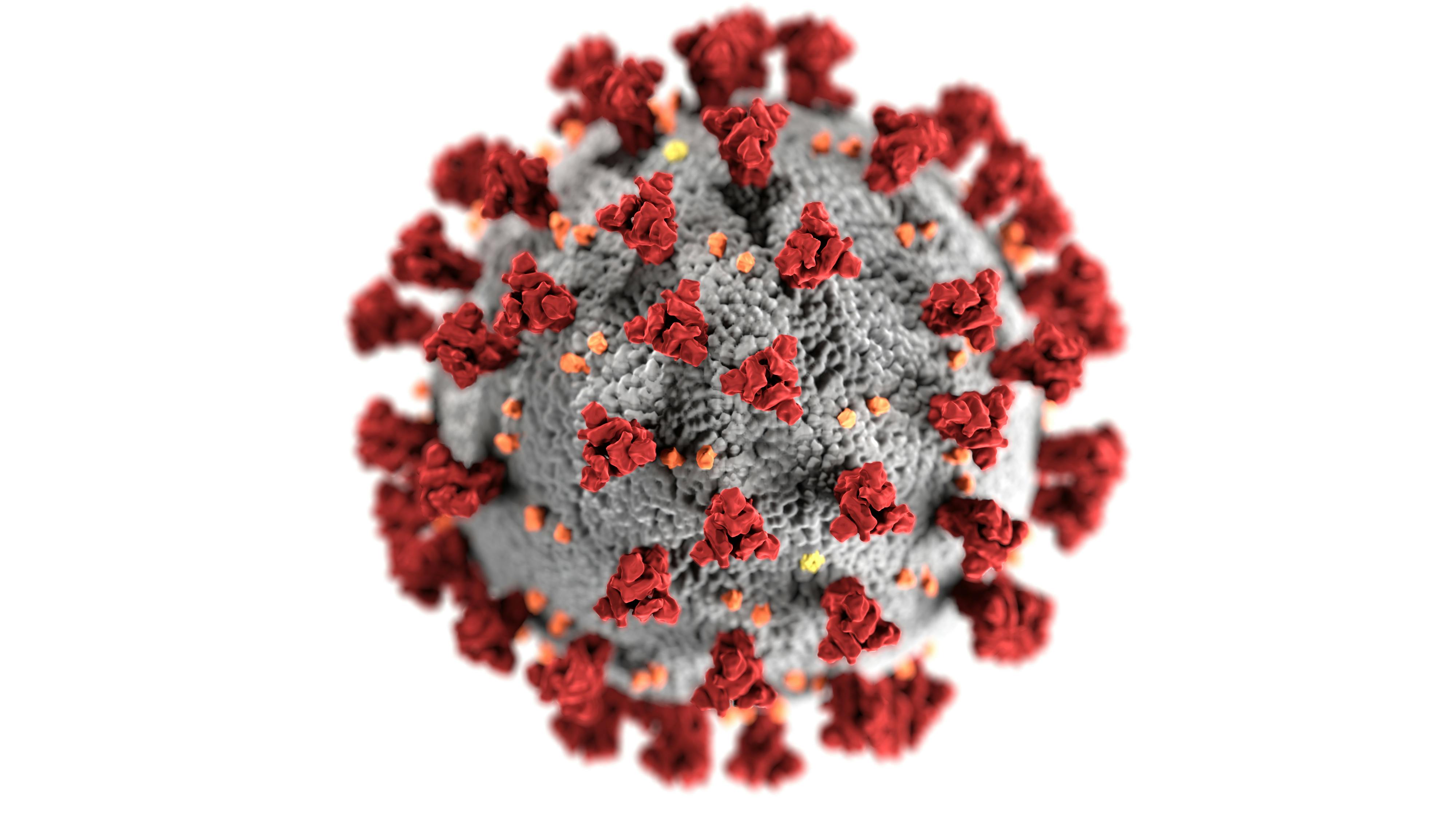
Key points from mainstream research:
- Flu vaccines reduce the risk of hospitalization and severe illness in children, especially those with chronic conditions.
- Meningococcal vaccines have contributed to steep declines in invasive meningitis in countries with high uptake.
- Hepatitis A vaccines have dramatically cut rates of symptomatic infection in children and community outbreaks.
- Rotavirus vaccines are associated with large drops in severe diarrhea hospitalizations in infants and toddlers.
Serious adverse events do occur but are rare relative to the number of doses given. That’s precisely why most experts advocate for:
- Continuous, transparent safety monitoring
- Accessible injury compensation
- Maintaining high coverage to keep diseases at bay
For deeper reading, consider reviewing materials from:
• U.S. Centers for Disease Control and Prevention (CDC) – Vaccine safety and schedules
• American Academy of Pediatrics (AAP) – Policy statements on childhood immunization
• World Health Organization (WHO) – Position papers on specific vaccines
Practical Steps for Parents Navigating the New Vaccine Landscape
Policy shifts can feel overwhelming, especially when you’re trying to protect your child’s health. While the legal and political debates continue, there are concrete steps you can take now.
1. Ask for a Personalized Vaccine Plan
Instead of relying solely on headlines, schedule time with your child’s clinician to:
- Review your child’s current vaccine record.
- Discuss the specific benefits and risks of each vaccine under the new guidance.
- Clarify which shots they still consider strongly recommended for your child.
2. Talk Openly About Fears and Past Experiences
If you’ve had a difficult experience or have strong concerns:
- Share your story with your clinician without minimizing it.
- Ask for help reporting any suspected adverse events through official channels.
- Request second opinions if you need them to feel comfortable moving forward.
3. Understand Your Rights if Injury Is Suspected
Without offering legal advice, some general principles include:
- Keep detailed medical records and timelines.
- Ask your clinician about reporting adverse events to safety monitoring systems.
- Consult an attorney who understands both VICP and traditional tort options if you’re considering legal action.

Before vs. After: How Kennedy’s Overhaul Changes the Childhood Vaccine System
To visualize the shift, here’s a simplified before‑and‑after comparison focused on the four affected vaccines:
Before Overhaul
- Flu, meningitis, hepatitis A, and rotavirus were strongly recommended for most children.
- Clearer linkage to VICP protections for many routine pediatric vaccines.
- Manufacturers had more predictable liability shields.
- Clinicians generally followed a stable, nationally endorsed schedule.
After Overhaul (Emerging)
- Recommendations for the four vaccines are downgraded or framed as less routine.
- Pathways to traditional lawsuits may expand, depending on final rules and court decisions.
- Manufacturers face greater uncertainty and potential legal exposure.
- Parents may encounter more variability in how clinicians and insurers approach these shots.
Moving Forward: Staying Informed, Grounded, and Compassionate
Kennedy’s overhaul of childhood vaccine recommendations is more than a bureaucratic tweak. By downgrading guidance for flu, meningitis, hepatitis A, and rotavirus shots, it could:
- Shift how easily people can sue for alleged vaccine injuries
- Increase legal and financial pressure on manufacturers
- Influence how many children stay protected against serious infections
You don’t need to become a health policy expert to navigate this. But you can:
- Stay up‑to‑date with trusted, evidence‑based sources such as the CDC, AAP, and WHO.
- Build a long‑term relationship with a healthcare provider you trust.
- Ask direct questions about how these changes affect your child’s specific situation.
- Advocate for a system that is both transparent about risks and committed to preventing disease.
Policy will continue to evolve, and reasonable people will disagree about the best balance between individual rights and public health. What you can do, starting today, is to stay curious, seek high‑quality information, and make decisions grounded in both compassion and credible evidence.
Next step: Choose one question from this article that matters most to you—about safety, lawsuits, or disease risk—and bring it to your child’s next appointment. Let that conversation, not the headlines alone, guide your family’s path.
