
Ultra-Processed vs Whole Foods: What the NOVA Debate Really Means for Your Plate
Ultra-processed foods are at the center of a lively global debate about what it really means to “eat healthy” today. Beyond calories, carbs, and protein, more people are asking how food processing, additives, and food structure affect satiety, gut health, and long-term metabolic wellbeing.
From the NOVA classification system to viral TikToks decoding ingredient labels, the conversation about ultra-processed foods (UPFs) versus whole and minimally processed foods is reshaping how we shop, cook, and even snack. Instead of just “low-carb” or “high-protein,” the new question is: “How processed is this—and is there a less processed swap I can make?”

Let’s explore what “ultra-processed” really means, where the NOVA system fits in, and how you can use this knowledge to build more satisfying, nourishing meals—without fear, shame, or perfectionism.
What Is the NOVA Classification—and Why Is Everyone Talking About Ultra-Processed Foods?
The NOVA classification system was developed by Brazilian researchers to group foods based on how they’re processed, not just their nutrients. It has four main categories:
- Group 1: Unprocessed or minimally processed foods – fresh fruits and vegetables, whole grains, plain yogurt, eggs, fresh meat and fish, nuts, legumes.
- Group 2: Processed culinary ingredients – items used in cooking like oils, butter, sugar, salt.
- Group 3: Processed foods – relatively simple products made with Group 1 + Group 2: cheese, canned beans with salt, whole-grain bread, plain canned tomatoes.
- Group 4: Ultra-processed foods (UPFs) – industrial formulations with multiple ingredients, additives, and few if any intact whole foods.
UPFs often contain emulsifiers, sweeteners, flavor enhancers, colors, and stabilizers designed to make them hyper-palatable, shelf-stable, and convenient. Think:
- Packaged snacks and cookies
- Sugary breakfast cereals and many granola bars
- Instant noodles and flavored instant rice dishes
- Many frozen ready meals and heat-and-eat entrées
- Some plant-based meat alternatives, diet shakes, and “protein snacks”

Over the last 18–24 months, studies linking high UPF intake to obesity, cardiovascular disease, and mental health issues have exploded into mainstream media. That’s why you’re now seeing “UPF” and “NOVA classification” in documentaries, podcasts, and social feeds around the world.
From Calories to Processing: How the Conversation Around “Healthy Eating” Is Shifting
For years, most diet debates circled around macros—low-carb, low-fat, high-protein. Now, a new layer has been added: degree of processing. The message that’s really resonating with people is:
Calories and macros don’t tell the whole story. Food structure, additives, and how foods are processed may independently influence appetite, gut health, and long-term metabolic health.
On Google Trends and YouTube, searches for “ultra processed food,” “NOVA classification,” and “UPF list” have surged. Long-form podcasts feature nutrition scientists dissecting label jargon. TikTok creators pull common products from the pantry and walk through:
- What emulsifiers do to texture and shelf life
- How artificial sweeteners and flavors change taste expectations
- Why some “protein bars” look more like candy bars in disguise
Influencers are swapping:
- Sugary cereal → oats with fruit and nuts
- Flavored dessert yogurts → plain yogurt with honey and berries
- Instant noodle cups → homemade noodle bowls with frozen veg and eggs
Not All Processing Is Bad: Finding the Nuance in the NOVA Debate
With all the scary headlines, it’s easy to think “processed = bad, unprocessed = good.” But dietitians and public health experts consistently highlight an important truth: processing exists on a spectrum.
Many processed foods are affordable, nutritious, and time-saving allies in a busy life. For example:
- Frozen vegetables and fruits – picked at peak ripeness and often richer in vitamins than “tired” fresh produce.
- Canned beans – an excellent, budget-friendly source of fiber and protein; just drain and rinse.
- Whole-grain breads – technically processed, but can be rich in fiber, B vitamins, and minerals.

Where many experts draw the line is with habitual, high intake of ultra-processed foods—especially when they crowd out whole foods. But even then, context matters: access, budget, culture, cooking skills, and time constraints all shape what’s realistic.
Hotspots in the Ultra-Processed Food Debate: Plant-Based Meats, Protein Bars, and Diet Products
Some of the strongest arguments swirl around foods that are marketed as “healthy” or “better-for-you” but still fall into the ultra-processed bucket. Common flashpoints include:
- Plant-based meats – Often made from isolated plant proteins, refined oils, and flavorings. On the plus side, they can help reduce animal product intake and greenhouse gas emissions. On the downside, they may be high in sodium and heavily processed.
- Protein bars – Convenient and portion-controlled, but many contain syrups, sugar alcohols, artificial flavors, and long ingredient lists resembling candy more than whole food.
- Diet shakes and “slim” products – Engineered to be low-calorie and high-protein, yet often rely on intense sweeteners, gums, and stabilizers to mimic the texture and taste of real food.

Consumer pressure is already nudging brands to shorten ingredient lists and use more recognizable components. Many shoppers now scan labels not just for grams of sugar or protein, but also:
- How many ingredients are there?
- Do I recognize most of them as foods I’d cook with at home?
- Is there a less processed alternative I’d enjoy just as much?
Policy, Warnings, and the 80/20 Approach: How Governments and Influencers Respond
As research on high UPF intake grows, some governments—especially in parts of Europe and Latin America—are exploring policies such as:
- Front-of-pack warning labels for products high in sugar, salt, or saturated fat.
- Guidelines or recommendations to limit UPFs, especially for children.
- Public campaigns emphasizing home cooking, whole foods, and traditional dietary patterns.
At the same time, creators and coaches on social media increasingly champion an “80/20” idea:
- Aim for about 70–80% of your intake from whole or minimally processed foods.
- Leave 20–30% for convenience, social meals, and fun foods (many of which are ultra-processed).
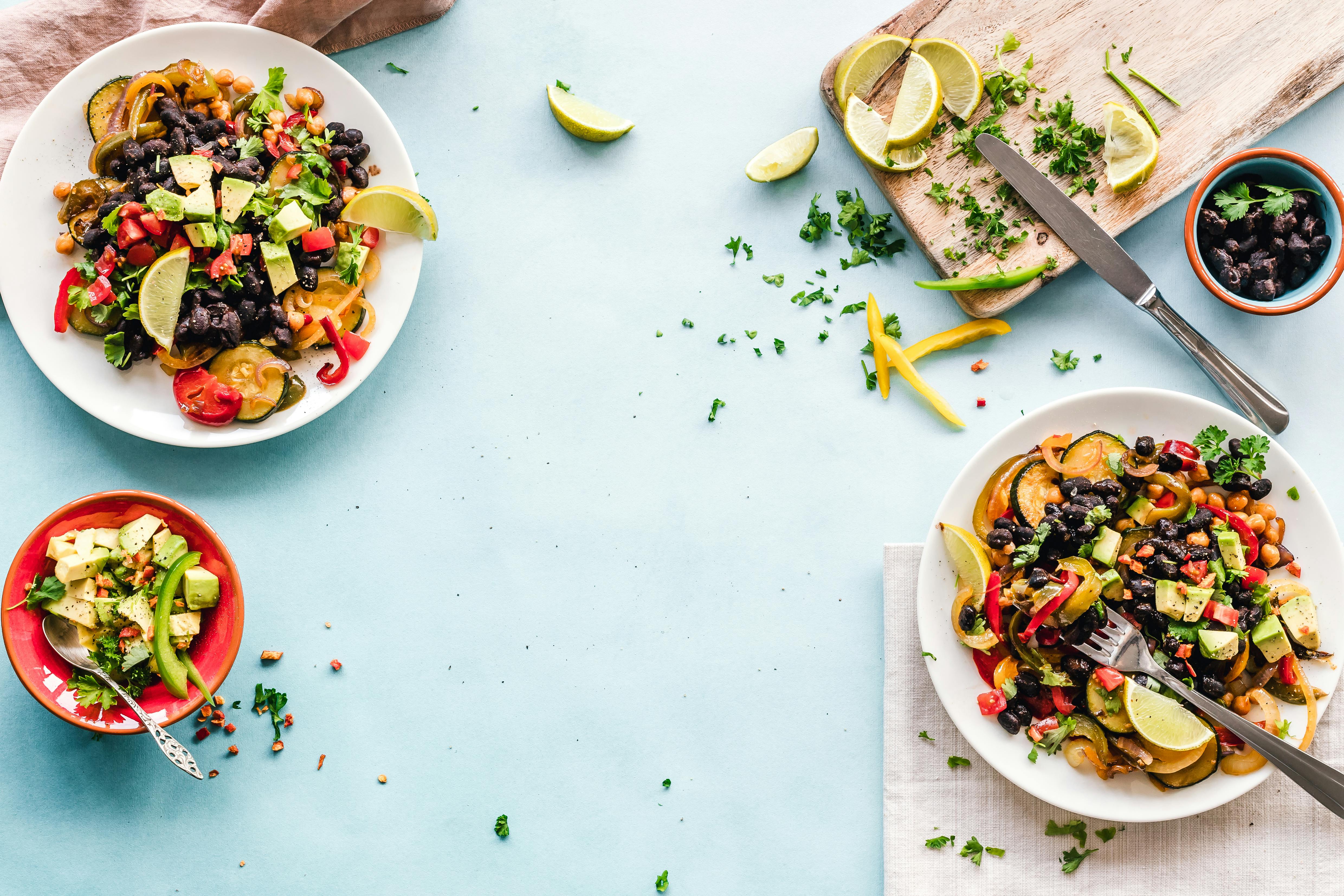
Dietitians frequently caution against fear-based messaging. Restrictive, all-or-nothing rules can backfire, especially for people with limited access to fresh foods or past struggles with disordered eating. The goal is better patterns over time, not a “perfect” NOVA score for every bite.
Practical Ways to Eat “Less Processed” Without Losing Your Mind (or Your Budget)
You don’t need a gourmet kitchen to lean away from ultra-processed foods. Start with small, sustainable shifts:
- Upgrade one meal at a time.
Swap a packaged breakfast pastry for toast with nut butter and a banana, or cereal for overnight oats. - Use “shortcut” whole foods.
Frozen veg, precooked grains, canned beans, and rotisserie chicken can underpin fast, wholesome meals. - Scan for sweeteners and additives in daily staples.
Compare two yogurts or breads; choose the one with fewer added sugars and a simpler ingredient list. - Batch-cook a base.
Cook a pot of brown rice, quinoa, or lentils once, then turn it into several different meals with changing toppings and flavors. - Keep “fun foods” fun.
Instead of mindlessly nibbling chips every night, enjoy them intentionally with friends, or as part of a meal you truly savor.
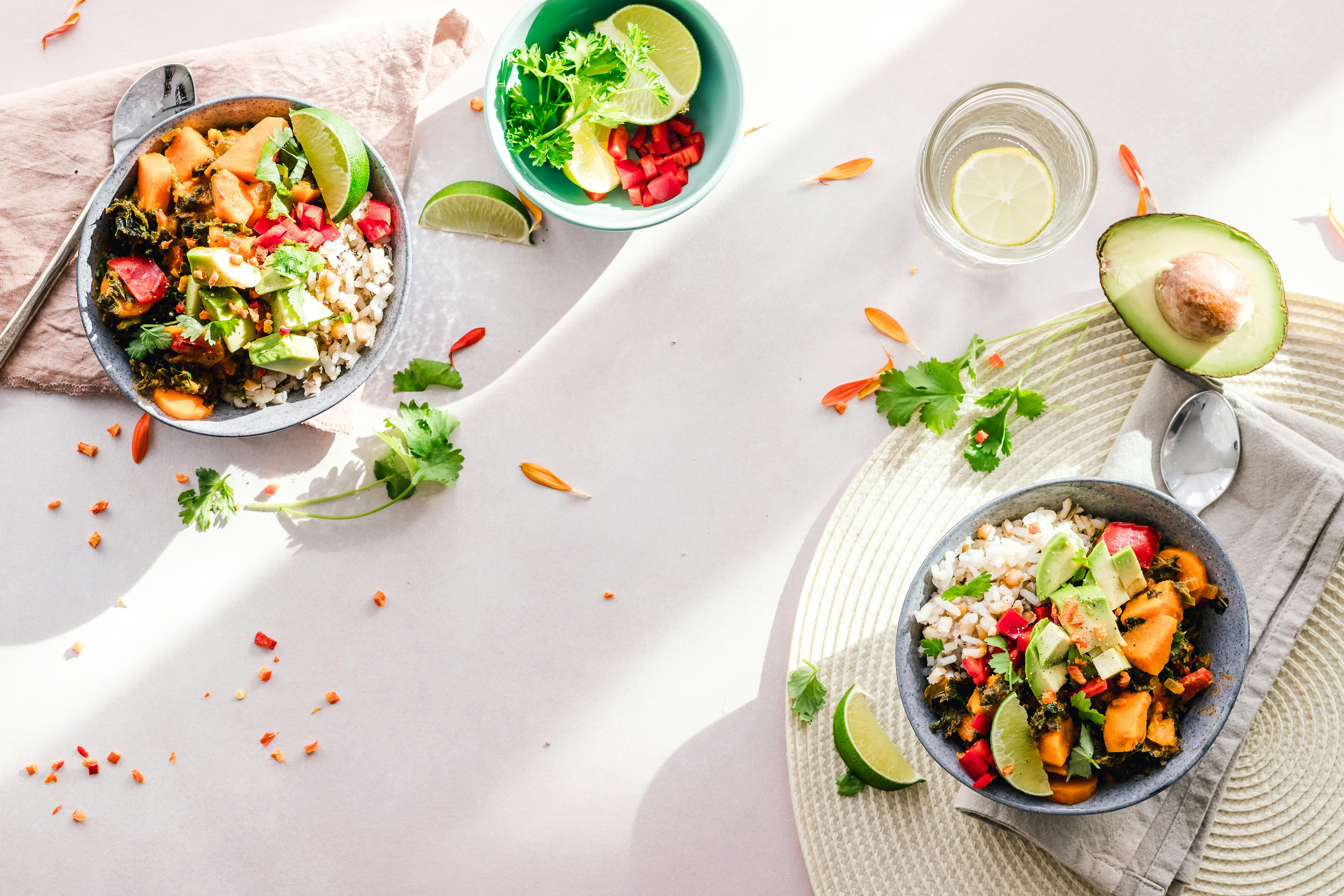
How Home Cooks Can Use the NOVA System (Without Obsessing)
For everyday eaters, the NOVA system works best as a broad compass, not a strict rulebook. You might use it like this:
- Base most meals on Group 1 foods: vegetables, fruits, whole grains, legumes, nuts, eggs, fish, or meat.
- Use Group 2 ingredients (oils, salt, sugar) with awareness and balance.
- Let Group 3 foods (like whole-grain bread, canned tomatoes, simple cheeses) make your life easier.
- Enjoy Group 4 ultra-processed foods in smaller amounts, or less often, without guilt.
You don’t need to categorize every product you buy. Instead, notice patterns:
- Are most of your snacks ultra-processed?
- Do many of your meals come from packages or delivery?
- Could one or two of those slots be swapped for a simple home-cooked option?
In the end, your health is shaped by your diet as a whole—and the joy, culture, and community you experience around food matter too. A warm bowl of homemade soup shared with friends will always mean more than a perfectly optimized nutrition label.
The Takeaway: Food Quality Is About More Than Numbers
The rise of the ultra-processed vs. whole foods conversation is a sign that we’re finally looking beyond simple calorie counts. The NOVA classification—and the UPF debate it sparked—reminds us that:
- How a food is made can influence how full it keeps us, how it interacts with our gut, and how likely we are to overeat it.
- Many processed foods, especially minimally processed staples, are powerful tools for healthy, affordable eating.
- An inclusive, flexible approach—rather than food fear—helps more people improve their diets in realistic, sustainable ways.
If you focus on gradually filling your kitchen with colorful produce, hearty grains, beans, nuts, and simple staples—and keep ultra-processed treats as supporting actors rather than the stars—you’re already embodying the spirit of “less processed” living, one delicious meal at a time.
