
Ozempic, Wegovy & the ‘Skinny Shot’ Era: How GLP‑1 Diet Culture Is Changing the Way We Eat
Ozempic, Wegovy & the New GLP‑1 Food Culture
Ozempic, Wegovy, Mounjaro, and other GLP‑1 “skinny shot” medications have exploded into mainstream culture, changing how people think about weight loss, appetite, and even what dinner looks like. On TikTok and YouTube, you’ll see “What I eat in a day on Ozempic” videos right next to before‑and‑after transformations, while dietitians, doctors, and home cooks race to share high‑protein, gentle‑on‑the-stomach recipes that still feel comforting and satisfying.
As of early 2026, the conversation has shifted from pure hype to something more thoughtful: how do we protect muscle, prevent nutrient gaps, and still enjoy food when your appetite shrinks dramatically? This page explores the rise of GLP‑1 diet culture, what these medications actually do, the risks of malnutrition and disordered eating, and practical, delicious ways to cook for a smaller appetite without sacrificing flavor or long‑term health.
What Are GLP‑1 Medications Like Ozempic, Wegovy, Mounjaro & Zepbound?
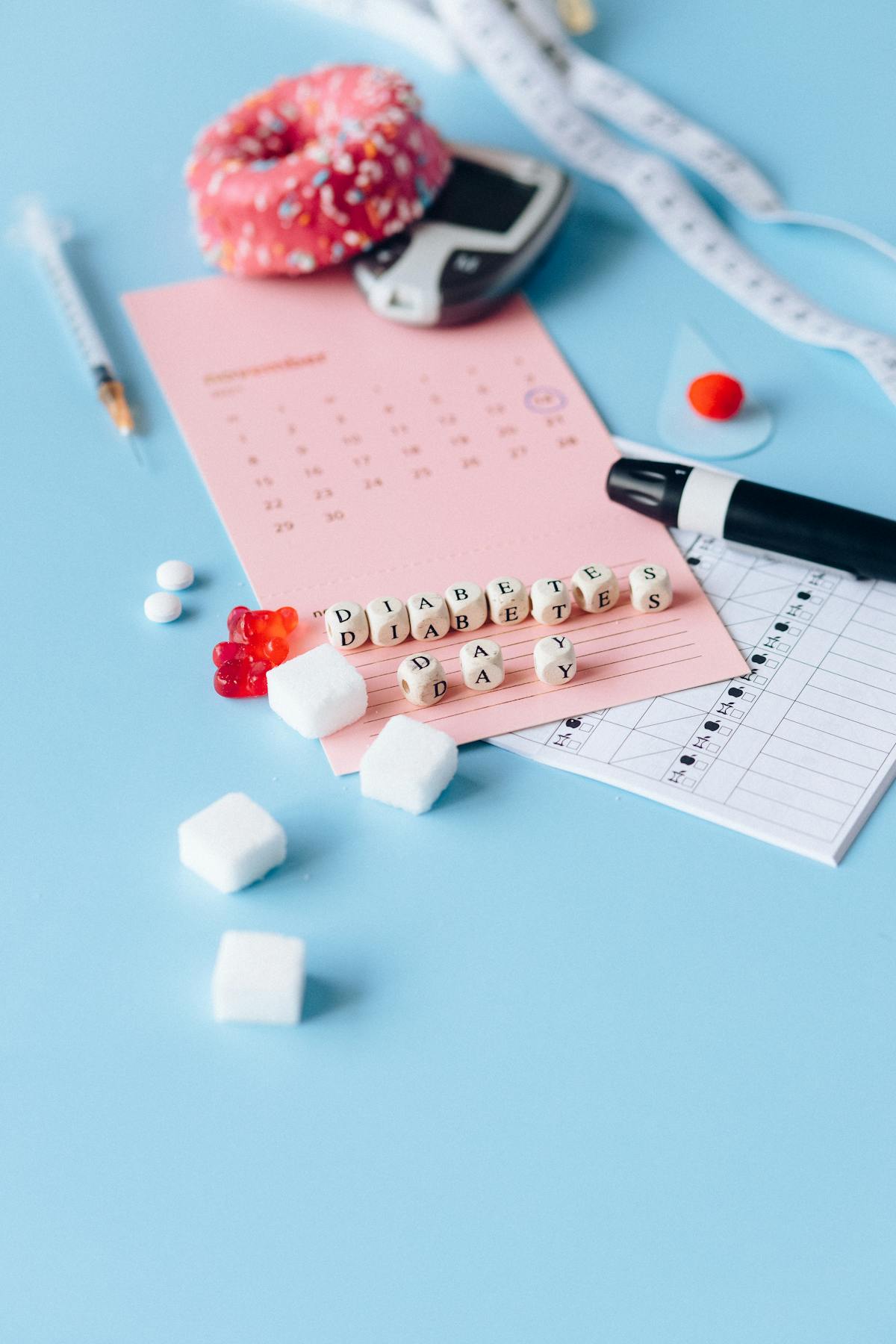
GLP‑1 receptor agonists (and dual agonists like tirzepatide) were first developed for type 2 diabetes and obesity, but they’ve rapidly become one of the most disruptive forces in weight‑loss and nutrition culture.
Common GLP‑1 and related medications include:
- Semaglutide – Ozempic (diabetes), Wegovy (weight management)
- Tirzepatide – Mounjaro (diabetes), Zepbound (weight management)
- Other GLP‑1 agonists such as liraglutide and dulaglutide (various brand names)
These medications typically:
- Slow gastric emptying – food leaves your stomach more slowly, so you feel full longer.
- Reduce appetite – many people feel satisfied with much smaller portions.
- Improve blood sugar control – especially helpful in type 2 diabetes.
For many, this is life‑changing. But such dramatic appetite suppression also changes the way we plan meals, cook, and think about nutrition. That’s where “Ozempic diets” and GLP‑1 recipe culture collide with long‑term health.
The Rise of ‘Ozempic Diets’ on Social Media
Scroll through TikTok or Instagram and you’ll find endless “What I eat in a day on Wegovy” reels, GLP‑1‑friendly grocery hauls, and weekly weigh‑ins. Many creators share:
- Progress vlogs about pounds or clothing sizes lost
- Small‑portion, high‑protein recipes and meal preps
- Tips for managing nausea and digestive side effects
- Before‑and‑after photos that go viral overnight
This content can feel motivating, especially if you’ve struggled with weight or appetite for years. At the same time, dietitians, physicians, and therapists are increasingly using those same platforms to add nuance: highlighting strength training, protein, fiber, mental health, and the reality that GLP‑1s are tools, not magic wands.
The healthiest GLP‑1 journeys treat food not as the enemy, but as fuel – focusing on quality, balance, and enjoyment even when portions are smaller.
Nutrition Risks: Malnutrition, Muscle Loss & Disordered Eating
When your hunger plummets, it might seem like a dream come true – until you realize you’re regularly skipping meals or living on a few bites of whatever sounds tolerable. Over time, this can lead to:
- Inadequate protein, increasing the risk of muscle loss and weakness
- Low fiber intake, contributing to constipation and gut discomfort
- Micronutrient gaps (iron, B‑vitamins, calcium, etc.) if overall intake is too low
- Energy crashes and poor workout recovery
There’s also a cultural risk: when extreme calorie restriction and dramatic weight loss are praised without context, disordered eating patterns can be normalized or even glamorized. For people with a history of dieting, the thin line between “medically supported” weight loss and obsessive behavior can blur quickly.
How to Eat Well on GLP‑1 Medications
Cooking on Ozempic or Wegovy often means cooking for a smaller appetite. The goal isn’t to force huge meals, but to make every bite count: nourishing, gentle, and genuinely enjoyable.
Core nutrition priorities many clinicians focus on include:
- Protein at most meals (to protect muscle and support satiety)
- Fiber‑rich plants (for digestion and long‑term health)
- Healthy fats in modest amounts (for hormones and absorption of fat‑soluble vitamins)
- Hydration and electrolytes, especially if nausea or vomiting have occurred
Think of your plate as a condensed, nutrient‑dense snapshot: tender protein, soft vegetables, and cozy textures that sit comfortably in a slower‑emptying stomach.

Comforting High‑Protein Chicken & Vegetable Soup (GLP‑1 Friendly)
When your appetite is low or your stomach feels delicate, a warm, fragrant bowl of soup can be absolute magic. This high‑protein chicken and vegetable soup is designed with GLP‑1 users in mind: softly cooked veggies, tender shreds of chicken, and a light but flavorful broth that’s easy to sip slowly.
It’s the kind of soup you can portion into small bowls, freeze in single‑serving containers, and reheat on days when nothing else sounds appealing. You’ll get protein, fiber, and hydration in every spoonful—without feeling weighed down.
Quick Recipe Summary
Ingredients & Equipment
Ingredients
- 1 tablespoon olive oil or avocado oil
- 1 small yellow onion, finely diced
- 2 medium carrots, peeled and sliced into thin rounds
- 2 celery stalks, sliced thinly
- 2 cloves garlic, minced (optional if sensitive)
- 1 teaspoon dried thyme or Italian seasoning
- 1 bay leaf (optional)
- 6 cups low‑sodium chicken broth (or bone broth for extra protein)
- 2 small boneless, skinless chicken breasts (about 12 oz / 340 g total)
- 1 small zucchini, diced (optional but gentle on digestion)
- 1/2 cup small pasta shapes, cooked rice, or quinoa (optional, for extra energy)
- Salt and freshly ground black pepper, to taste
- 2 tablespoons chopped fresh parsley or chives, for serving
- Lemon wedges, for squeezing over the top (optional, brightens flavor)
Equipment
- Large soup pot or Dutch oven with lid
- Cutting board and sharp knife
- Wooden spoon or heat‑safe spatula
- Tongs or fork for removing cooked chicken
- Small bowl for holding cooked grains or pasta (if using)
- Ladle for serving
- Microwave‑safe or freezer‑safe containers for storage
Step‑by‑Step Cooking Instructions
These steps are designed to be approachable even if you’re newer to cooking. Take your time, taste as you go, and remember: a pot of soup is very forgiving.
- Soften the aromatics.
In a large soup pot, heat the olive oil over medium heat. Add the diced onion, carrots, and celery with a small pinch of salt. Cook, stirring occasionally, until the vegetables soften and the onions look translucent, about 5–7 minutes. - Add garlic and herbs.
Stir in the minced garlic (if using), dried thyme or Italian seasoning, and bay leaf. Cook for another 30–60 seconds, just until fragrant. You should smell a warm, savory aroma—but don’t let the garlic brown. - Add broth and chicken.
Pour in the chicken broth and gently lower the chicken breasts into the pot. Increase the heat to bring the soup to a gentle boil, then reduce to a simmer. Cover and cook for 12–15 minutes, or until the chicken is cooked through (no pink in the center). - Shred the chicken.
Use tongs or a fork to carefully remove the chicken to a cutting board. Let it cool for a minute or two, then shred it into bite‑sized pieces using two forks. Return the shredded chicken to the pot. - Add tender vegetables.
Stir in the diced zucchini (if using). Let the soup simmer uncovered for another 5–10 minutes, until the zucchini is soft and the flavors meld together. Skim any foam from the surface with a spoon if needed. - Add grains or pasta (optional).
If you’re using cooked pasta, rice, or quinoa, you can either:- Stir it into the pot for a heartier soup, or
- Keep it in a separate container and add a spoonful to each bowl when serving—helpful if your appetite varies day to day.
- Season and brighten.
Taste the broth and add salt and pepper as needed. Right before serving, stir in the chopped parsley or chives. If you like a brighter, fresher flavor, squeeze a little lemon juice into each bowl. - Serve in small, cozy portions.
Ladle the soup into small bowls. If your appetite is low, start with a few gentle sips and bites. You can always go back for more—or reheat another half‑bowl later.

Dietary Adaptations & Substitutions
One of the joys of soup is how adaptable it is. This GLP‑1‑friendly recipe can be tweaked to fit your dietary needs and what your body tolerates best right now.
- High‑Protein Vegetarian: Swap chicken for firm tofu or tempeh cubes and use a rich vegetable broth. Add a can of rinsed white beans or lentils for extra protein and creaminess.
- Gluten‑Free: Choose certified gluten‑free broth and use rice, quinoa, or small diced potatoes instead of pasta.
- Very Sensitive Stomach: Skip garlic and onions, cook vegetables until very soft, and use more broth to keep the soup light. You can also strain out solids and sip primarily the broth on difficult days.
- Extra Protein Boost: Stir in unflavored collagen or a small amount of unflavored protein powder designed for cooking, following package instructions.

Storage, Meal Prep & Reheating Tips
On GLP‑1 medications, appetite can swing from “nothing sounds good” to “I could manage a small bowl”—and it doesn’t always align with your energy for cooking. Having this soup ready to go is a gentle safety net.
- Refrigeration: Cool the soup completely, then transfer to airtight containers. Store in the fridge for up to 3–4 days.
- Freezing: Portion into small, freezer‑safe containers (1 cup / 240 ml is ideal for low appetite days). Freeze for up to 2–3 months. Label with the date.
- Reheating on the stove: Warm over low to medium‑low heat, adding a splash of extra broth or water if it has thickened. Stir occasionally until steaming hot.
- Reheating in the microwave: Cover loosely and heat in 45–60 second bursts, stirring between intervals so it heats evenly.
- Gentle portioning: If you’re unsure how much you can eat, start with a half‑cup portion; you can always reheat more.
Serving Suggestions & Complementary Dishes
Think of this soup as a flexible base you can build around, depending on how you feel physically and how active you’ve been.
- Simple meal: A small bowl of soup with a few whole‑grain crackers or a slice of lightly buttered toast.
- Higher‑protein plate: Pair the soup with Greek yogurt, cottage cheese, or a small side of scrambled eggs.
- Fiber‑focused duo: Add a small salad of very finely chopped greens with a gentle vinaigrette, if your stomach tolerates raw vegetables.
- Comfort night: Serve the soup with mashed potatoes or soft polenta for an ultra‑cozy, easy‑to‑digest dinner.

Beyond the Plate: The Bigger Picture of GLP‑1 Diet Culture
GLP‑1 medications are reshaping far more than individual dinners—they’re nudging the entire food world. Analysts are already predicting increased demand for smaller‑portion, nutrient‑dense products, while chefs experiment with menus that suit diners who fill up quickly. At the same time, ethical questions around access, equity, long‑term safety, and weight regain after stopping treatment are front and center in medical and public health debates.
Through all of this, one thing remains constant: food is still a source of comfort, connection, and joy. Whether you’re taking Ozempic, Wegovy, Mounjaro, Zepbound, or navigating appetite changes for other reasons, you deserve meals that feel good in your body and make you feel cared for—not punished.
Start with one pot of soup. Learn how your appetite behaves. Adjust the textures and flavors until they feel right for you. Nourishing yourself on GLP‑1s isn’t about perfection; it’s about gentle, consistent care, one small, flavorful bowl at a time.
