
This Simple Amino Acid May Be the Hidden Key Between Severe Illness and Recovery
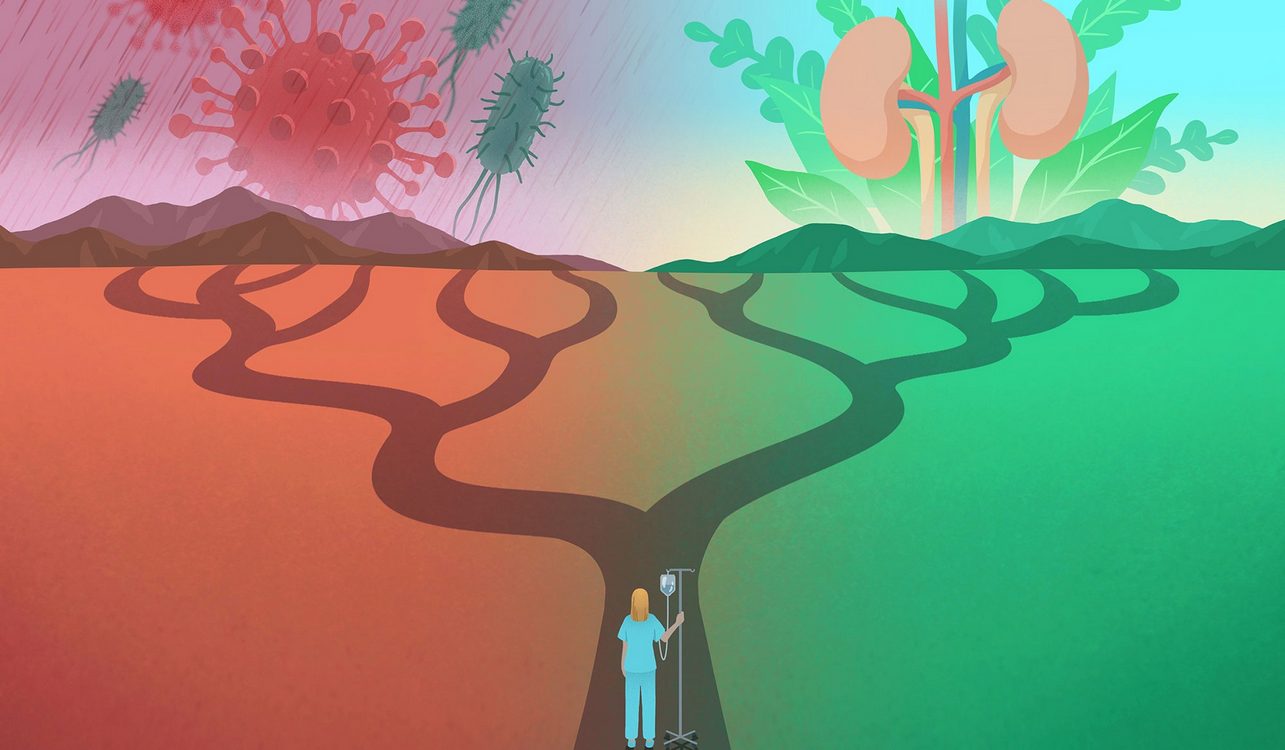
Emerging research from the Salk Institute suggests that a simple amino acid tied to how we use energy may help explain why some people sail through infections while others end up fighting for their lives. It’s not a magic bullet, but it may be one of the quiet metabolic levers that shapes how our bodies cope with serious illness.
If you’ve ever wondered why two people can catch the same virus yet have completely different experiences, you’re not alone. Scientists have been asking the same question, and metabolism—how our bodies use fuel—keeps coming up as a key part of the answer.
Why Some Illnesses Turn Dangerous: The Metabolism Connection
Not all diseases are caused by nutrient deficiencies, but many serious illnesses come with them. Researchers have long known, for example, that low vitamin D levels are common in people with chronic infections or severe respiratory illnesses. The new Salk study adds another piece: a specific amino acid involved in energy metabolism may influence how our bodies respond once we’re sick.
In the mouse experiments, one of the first clues something deeper was happening was simple: the infected mice stopped eating as much. The researchers recognized this as a sign of changing metabolism—a shift in how the body manages its fuel and building blocks during illness.
Changes in appetite during infection aren’t only a nuisance; they’re often a window into how the immune system and metabolism are reshaping the body’s priorities to survive.
While the Salk group’s work is preclinical (in animals, not yet confirmed in large human trials), it reinforces a growing theme: the nutrients we have on board before and during illness can change the trajectory of disease—from faster recovery to, in the worst cases, life-threatening complications.
The “Simple Amino Acid” at the Center of the Research
The study highlighted an amino acid that plays a dual role: it’s both a building block for proteins and a key player in how cells generate energy and manage stress. Although news coverage often focuses on the “good news” angle, the more important message is that this amino acid appears to act as a metabolic switch during severe illness.
When levels of this amino acid dropped, mice were more likely to experience:
- Worse disease progression
- Greater tissue damage
- Lower resilience to infection-related stress
When researchers corrected the deficiency through nutrition, the disease trajectory often shifted in a more favorable direction. That doesn’t mean the amino acid “cured” the illness, but it helped the body cope more effectively.
How Illness Alters Appetite, Metabolism, and Nutrient Needs
If you’ve ever had the flu and lost your appetite, you’ve felt this metabolic shift firsthand. During infection, the body often:
- Raises body temperature to hinder pathogens
- Diverts energy away from digestion toward immune defense
- Breaks down stored tissue (fat and sometimes muscle) for fuel
- Consumes more vitamins, minerals, and amino acids to power immune cells
This can lead to what researchers call illness-induced malnutrition, even in well-fed people. You might technically have enough calories available, but if you’re not eating well or absorbing nutrients properly, you can still become deficient in key components like vitamin D, zinc, or certain amino acids.

Research consistently shows that people enter the hospital with mild deficiencies and often leave with more severe ones—especially in protein, vitamin D, and minerals like zinc and magnesium.
Supporting Your Amino Acid and Nutrient Status with Food First
While scientists refine exactly which amino acids are most protective in different diseases, you don’t have to wait to take simple, safe, food-based steps. A varied, protein-rich diet naturally supplies the amino acids your immune system needs to function well.
Everyday Protein Sources That Support Amino Acid Balance
- Fish and seafood: Salmon, sardines, cod, shrimp
- Poultry and eggs: Chicken, turkey, whole eggs
- Legumes: Lentils, chickpeas, black beans, soy
- Dairy (if tolerated): Yogurt, kefir, cottage cheese
- Nuts and seeds: Pumpkin seeds, hemp seeds, almonds
- Whole grains: Quinoa, oats, buckwheat

Simple Daily Practices
- Include protein at every meal: Aim for a palm-sized portion of protein-rich food 2–3 times per day, adjusted to your needs.
- Add a “nutrient booster” snack: A cup of yogurt, a handful of nuts, or hummus with veggies can add amino acids and minerals.
- Prioritize whole foods over ultra-processed options: They naturally provide a wider spectrum of amino acids and supportive nutrients.
- Stay hydrated: Dehydration can worsen fatigue and interfere with appetite and digestion.
What to Do Nutritionally When You’re Already Sick
When you’re ill, maintaining a perfect diet is unrealistic—and that’s okay. The goal is simply to do a little better than nothing, so your body has some fuel and amino acids to work with.
Gentle, Realistic Strategies
- Small, frequent meals: Instead of three big meals, try eating something every 2–3 hours, even if it’s just a few bites.
- Easy-to-digest protein: Broths, blended soups with lentils, yogurt, or soft scrambled eggs can be more tolerable than heavy meats.
- Liquid nutrition: Smoothies with yogurt or plant protein, or medically recommended nutrition drinks, can help when chewing feels like too much.
- Comfort foods with a boost: Add shredded chicken to noodles, extra lentils to soup, or nut butter to toast.

In clinical nutrition, even modest improvements in calorie and protein intake during illness can translate into fewer complications and a smoother recovery, especially in older adults.
Common Obstacles—and How to Work Around Them
Knowing that amino acids and nutrients matter is one thing; getting them in when you’re exhausted, busy, or caring for someone who’s very sick is another. Here are some realistic workarounds I’ve seen help families in exactly that position.
1. “I’m too tired to cook.”
- Keep a few high-protein canned items on hand (beans, lentil soup, canned salmon or chicken).
- Use frozen vegetables and pre-cooked grains for quick, microwaveable meals.
- Batch-cook a large pot of soup on a good day and freeze it in portions.
2. “The person I’m caring for doesn’t feel like eating.”
- Offer small, attractive portions instead of full plates, which can feel overwhelming.
- Focus on favorite flavors and textures, even if the meal isn’t perfectly “balanced.”
- Try nutrient-dense snacks—like yogurt, custards, or smoothies—between meals.
3. “I’m worried about supplements, but my diet isn’t perfect.”
- Discuss basic blood work (like vitamin D, B12, and iron) with your healthcare provider.
- Ask if a general multivitamin or protein supplement is appropriate for your situation.
- Avoid high-dose, single-amino-acid supplements without professional guidance.
What the Science Says—Without the Hype
The Salk Institute research and similar studies help clarify how tightly connected our metabolism, immune system, and nutrient status really are. In animal models:
- Illness often triggers rapid changes in appetite and energy use.
- Levels of key amino acids and micronutrients can drop quickly.
- Correcting deficiencies sometimes improves survival and reduces complications.
Human data are more mixed and still emerging. Observational studies consistently link poor nutrient status—especially low protein intake and deficiencies in vitamin D, zinc, and others—to worse outcomes in respiratory and critical illnesses. But:
- Supplement trials sometimes show benefit, sometimes no effect, and occasionally harm at very high doses.
- Context matters: age, underlying disease, timing, and overall diet all influence results.
When we zoom out, the most evidence-supported approach isn’t chasing a single “miracle nutrient” but ensuring:
- Steady, adequate protein intake across the lifespan
- Sufficient vitamin D, either from sunlight, food, or supplements when needed
- A diet rich in whole foods that provide a broad spectrum of vitamins, minerals, and phytonutrients
Before and After: A Realistic Example of Nutritional Support in Illness
Consider an older adult, living alone, who comes down with a respiratory infection. At first, they feel “just tired” and stop cooking. For a week, they mostly sip tea and nibble toast.

Within days, their protein intake plummets, muscle breaks down faster, and their immune system has fewer raw materials—like amino acids—to mount a strong response. They become weaker, more short of breath, and eventually need hospitalization.
Now imagine the same scenario, but a neighbor checks in early, brings:
- Ready-to-heat chicken and lentil soups
- Yogurt and soft cheeses
- Frozen vegetables and microwaveable rice
They encourage a few small meals and snacks per day, and the person’s primary care team adjusts medications and, if appropriate, adds a modest supplement plan. The infection may still be rough, but the risk of severe decline, muscle loss, and complications drops.

This “before and after” isn’t dramatic or miraculous—and that’s the point. Most of the real wins in nutrition and illness are quiet, cumulative, and deeply practical.
Key Takeaways: Turning Emerging Science into Everyday Action
- Illness can rapidly change your metabolism and increase your need for certain amino acids and nutrients.
- A deficiency in specific amino acids—or vitamin D and other micronutrients—may worsen how your body handles infection.
- Food-first strategies that provide adequate protein and a variety of whole foods are the safest, most evidence-aligned approach.
- Supplements can be useful tools, but they should complement—not replace—medical care and should be used with professional guidance.
- Early, small nutrition interventions during illness can meaningfully support recovery, especially for older adults or those with chronic conditions.
Moving Forward: Small Steps to Protect Your Future Self
You don’t need to memorize biochemical pathways or chase the latest “miracle amino acid” to benefit from this research. The most powerful steps are surprisingly down‑to‑earth: eating enough protein, building meals around real food, and having a simple plan for those times when you or someone you love gets sick.
Consider choosing one action you can take this week:
- Plan one extra protein‑rich meal you genuinely enjoy.
- Stock a small “illness pantry” with broth, soups, and easy protein options.
- Ask your healthcare provider whether checking vitamin D or other key nutrients is appropriate for you.
These steps won’t guarantee you’ll avoid severe illness—that would be an overpromise no responsible expert can make. But they do stack the odds a little more in your favor, giving your immune system and metabolism the building blocks they need to respond as effectively as possible.
Your future self—facing the next inevitable infection—may be quietly grateful for the groundwork you start laying today.
