
Are ‘Hormone‑Balancing’ and Cycle‑Syncing Diets Worth the Hype? What Science (and Your Plate) Say
Celebrity‑Endorsed ‘Hormone‑Balancing’ and Cycle‑Syncing Diets: Hype, Hope, and What to Actually Put on Your Plate
Celebrity‑endorsed “hormone‑balancing” and cycle‑syncing diets are having a major moment on social media, promising better energy, glowing skin, and calmer PMS simply by timing your meals to your menstrual cycle or filling your plate with specific “hormone‑friendly” foods. Behind the glossy TikToks and color‑coded meal prep containers, there is a real and important conversation about women’s health, blood‑sugar balance, and eating enough nourishing food—yet the science is often mixed, and the claims can run much hotter than the evidence.
Think of this guide as a calm, well‑seasoned take on the trend: we’ll explore what these diets claim to do, how they work, what’s actually evidence‑based, and how you can borrow the helpful parts while still eating in a way that feels joyful, flexible, and sustainable.
What Are “Hormone‑Balancing” and Cycle‑Syncing Diets, Exactly?
Scroll through TikTok or Instagram and you’ll see “hormone‑balancing meal preps,” “cycle‑syncing grocery hauls,” and before‑and‑after stories tied to PMS, PCOS, acne, fertility, or perimenopause. Many of these plans boil down to three core ideas:
- Stabilizing blood sugar by pairing carbs with protein, fat, and fiber.
- Adjusting foods across the menstrual cycle (cycle syncing) to “match” hormone shifts.
- Adding “hormone‑friendly” superfoods like specific seeds, leafy greens, oily fish, and fermented foods.
While there’s no single medical definition of a “hormone‑balancing diet,” many of these patterns echo familiar, broadly healthy advice: eat enough, prioritize whole foods, and don’t fear carbs or fats—just choose them thoughtfully.
Wellness influencers often describe these plans as “hormone detoxes” or “resets,” but your body already has a highly capable built‑in detox system—your liver, kidneys, lungs, skin, and gut. Food can support these systems, but it doesn’t “reset” hormones like hitting a button.
Pillar 1: Blood‑Sugar Stability—The Part with the Strongest Science
Among all the claims, the emphasis on blood‑sugar stability is the most grounded in research. You don’t need a continuous glucose monitor (CGM) to benefit from the basics. When we eat rapidly absorbed carbs—like pastries or sweetened coffee drinks—on an empty stomach, blood sugar can spike and crash, leaving some people feeling shaky, irritable, or ravenous again soon after.
Many “hormone‑balancing” creators encourage:
- Savory, protein‑rich breakfasts (eggs, Greek yogurt, tofu scrambles, beans, avocado) rather than sugary ones.
- Pairing carbs with protein, fat, and fiber—for instance, adding nut butter to fruit or hummus to whole‑grain crackers.
- Choosing whole grains and legumes instead of refined white bread, pastries, or ultra‑processed snacks most of the time.
- Including veggies early in the meal (a salad or some crunchy cucumbers) to slow down glucose absorption.

This style of eating doesn’t just support glucose; it can be kinder to energy, mood, and appetite regulation. Many dietitians now use these strategies for conditions like PCOS and insulin resistance, but they can help anyone who feels on a daily energy roller coaster.
Pillar 2: Cycle Syncing—Adjusting Foods Across the Menstrual Cycle
Cycle syncing suggests tailoring your food (and sometimes exercise and work schedule) to each menstrual phase—follicular, ovulatory, luteal, and menstrual. The idea is appealing: instead of fighting your body’s changes, you lean into them with supportive choices.
While high‑quality clinical trials are limited, some recommendations mirror basic nutrition wisdom and can feel good in practice:
- Menstrual phase (bleeding): Focus on iron‑rich foods such as lentils, beans, dark leafy greens, and, if you eat it, red meat; pair with vitamin C (citrus, bell peppers) for better absorption. Magnesium sources like pumpkin seeds, almonds, and dark chocolate can be soothing for cramps and mood.
- Follicular & ovulatory phases: Appetite may feel lighter and energy higher. Many people gravitate toward fresh produce, lean proteins, and lighter grains—salads with beans or salmon, fruit, yogurt, and plenty of water.
- Luteal phase (pre‑period): Hormonal shifts can drive hunger, cravings, and mood changes. Higher complex carbs (oats, brown rice, potatoes), adequate calories, and consistent meals can help; under‑eating often makes PMS worse.

Where we do see stronger support is for making sure menstruating people are not chronically under‑fueled: low energy availability can disrupt cycles, fertility, bone health, and mood. Eating enough—especially enough carbs and fats—is often more impactful than obsessively matching each vegetable to a specific phase.
Pillar 3: “Hormone‑Friendly” Superfoods and Seed Cycling
Many creators highlight a handful of “magic” foods for hormones, often framed like a prescription:
- Seed cycling: Flax and pumpkin seeds in the first half of the cycle; sesame and sunflower seeds in the second half.
- Fatty fish: Salmon, sardines, mackerel for omega‑3 fats.
- Berries and colorful produce: For antioxidants and phytonutrients.
- Fermented foods: Yogurt, kefir, kimchi, sauerkraut, tempeh to support the gut–hormone axis.
- Nutrient‑dense animal foods: Liver, egg yolks for fat‑soluble vitamins and choline (for those who eat animal products).
Here’s the key nuance: while all of these can be nutritious, robust clinical evidence specifically proving that seed cycling or any single food “balances hormones” in the way influencers claim is limited. Most benefits come from your overall pattern of eating, not one ingredient sprinkled on top.
What Do Experts Say About Hormone‑Balancing Diets?
Endocrinologists, gynecologists, and dietitians are increasingly asked about these trends, and their responses tend to land in the nuanced middle ground.
Generally supported principles include:
- Eating a variety of minimally processed foods—vegetables, fruits, whole grains, legumes, nuts, seeds, and quality protein.
- Avoiding chronic under‑eating, especially for menstruating and active people.
- Including healthy fats (olive oil, avocado, nuts, seeds, fatty fish) which are crucial for hormone production.
- Getting enough key micronutrients like iron, iodine, selenium, and B vitamins from food or supplements as advised.
Common cautions include:
- Terms like “hormone detox” or “reset” are not precise medical concepts.
- Complex conditions—PCOS, endometriosis, thyroid disorders, infertility—require individual medical care, not just a generic influencer plan.
- Over‑focusing on food can slide into orthorexia (an unhealthy obsession with “clean” eating), especially when rules become rigid.
Many clinicians welcome the attention on female‑specific nutrition and the harms of chronic dieting. The useful evolution is not the “detox” language, but the growing recognition that women need adequate energy, fats, and micronutrients for stable cycles and mood.
The Helpful Core: Nourishing, Steady, and Cycle‑Aware Eating
Stripped of dramatic claims, the heart of most hormone‑supportive diets is simple:
- Eat enough food. Consistent energy in supports consistent hormone production. Extreme fasting or tiny portions can disrupt cycles and mood.
- Prioritize protein. Aim to include a satisfying protein source at most meals and snacks (beans, lentils, tofu, tempeh, yogurt, eggs, fish, poultry, meat, or high‑protein grains).
- Love your carbohydrates. Choose whole or minimally processed carbs (oats, quinoa, barley, potatoes, beans, fruit) more often than refined sweets—but enjoy treats without guilt.
- Welcome healthy fats. Olive oil, avocado, nuts, seeds, and fatty fish support hormone production and brain health.
- Embrace color. A rainbow of vegetables and fruits brings antioxidants and phytonutrients that support many body systems, including the gut and liver.
- Listen to your body’s cycles. If you’re hungrier before your period, that’s normal. Build in more hearty, comforting meals instead of fighting cravings with restriction.
A Gentle, Food‑Lover’s Guide to Eating for Hormone Health
You don’t have to follow a named protocol or buy a celebrity cookbook to nourish your hormones. Here’s a flexible, cooking‑friendly framework you can adapt to your taste and culture.
1. Build a Satisfying Breakfast
Aim for a mix of protein, fiber, and fat. Some delicious options:
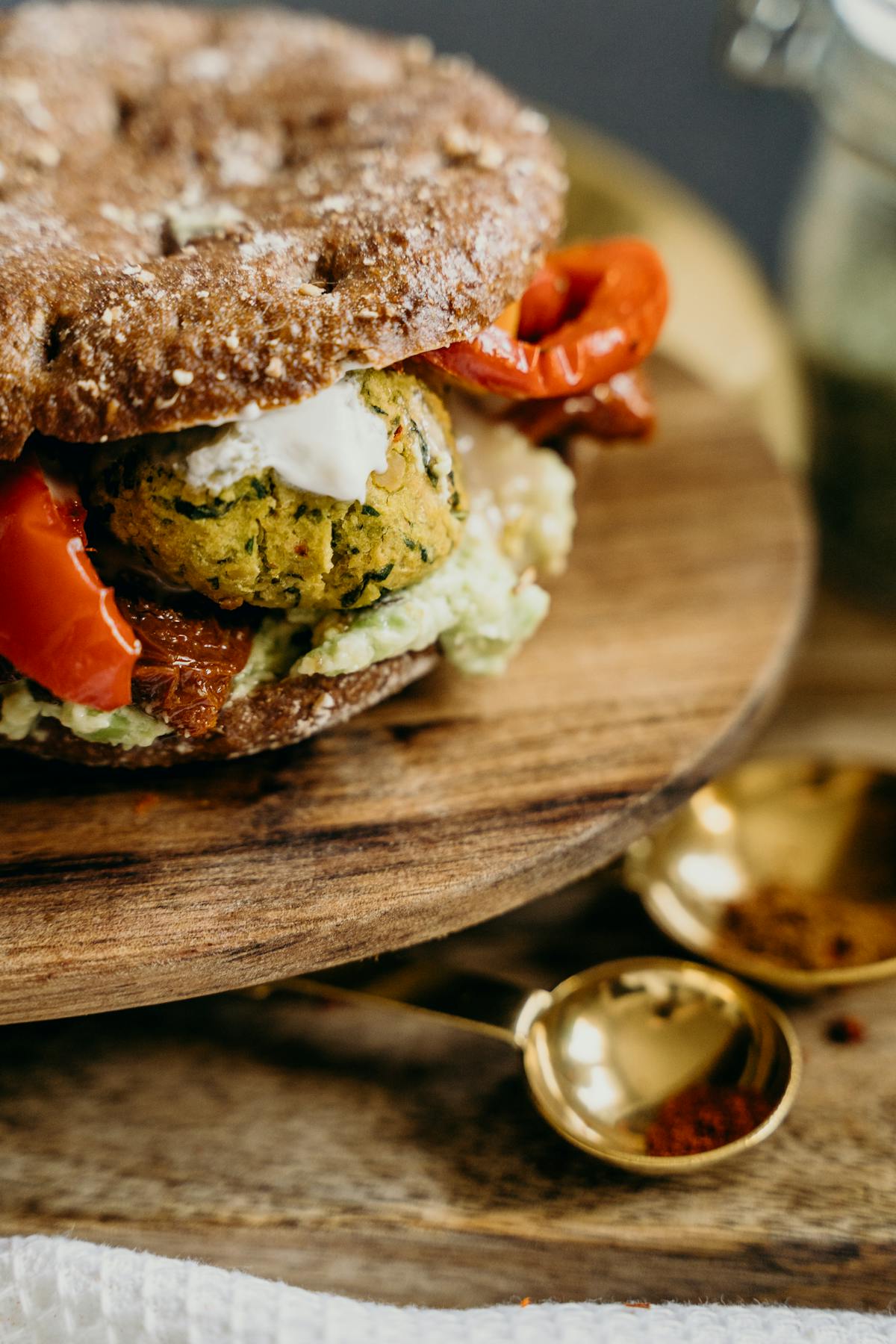
- Oatmeal cooked with milk or soy milk, topped with berries, a spoonful of yogurt, and a sprinkle of mixed seeds.
- Scrambled eggs or tofu with spinach, tomatoes, and whole‑grain toast brushed with olive oil.
- Plain yogurt or kefir with fruit, nuts, and a drizzle of honey for sweetness.
2. Anchor Your Day with Protein‑Rich Meals
For lunch and dinner, think in “building blocks”:
- Protein: Beans, lentils, chickpeas, tofu, tempeh, fish, eggs, chicken, or meat.
- Carbs: Whole grains, potatoes, sweet potatoes, starchy vegetables, or bread.
- Color: At least one vegetable (fresh, frozen, or canned; raw, roasted, or sautéed).
- Flavor & fat: Olive oil, avocado, nuts, seeds, tahini, or cheese, plus herbs, spices, and sauces you enjoy.
3. Add Gentle Cycle Awareness
Instead of a rigid schedule, try simple tweaks:
- Menstruation: Soups, stews, and iron‑rich dishes (lentil curry, bean chili, sautéed greens) can feel especially comforting.
- Luteal (PMS): Build in hearty meals with complex carbs and protein (baked potatoes with beans and cheese, rice bowls with tofu or chicken) rather than “saving up” calories.
- High‑energy phases: Use that spark to batch‑cook or try a new recipe—future you, in the low‑energy phase, will be grateful.
When to Look Beyond Diet: Red‑Flag Symptoms
Food can be a powerful ally, but it’s not a replacement for medical care. Talk with a qualified healthcare professional—ideally someone with experience in women’s health or endocrinology—if you notice:
- Very painful periods, heavy bleeding, or cycles that are consistently irregular or absent.
- Signs of PCOS: excess facial/body hair, significant acne, irregular cycles.
- Symptoms of thyroid issues: persistent fatigue, feeling unusually cold or hot, unexplained weight changes, hair loss.
- Severe mood changes, depression, or anxiety around your cycle.
- History of disordered eating, where new food rules may feel triggering.
In many expert‑supported stories you’ll see online, people use nutrition alongside medication, therapy, or other treatments—not instead of them.
A Balanced View of the Trend
Celebrity‑endorsed “hormone‑balancing” and cycle‑syncing diets are unlikely to be magic fixes—but they have pushed mainstream diet culture in some constructive directions:
- They highlight that women’s bodies are not small men’s bodies; hormonal cycles matter.
- They call attention to the harms of chronic dieting and under‑fueling.
- They encourage more whole foods, fiber, and healthy fats—all positive shifts.
The downsides come when marketing turns nuanced ideas into absolutes: “This seed cured my hormones,” “Never eat X food,” or “If you’re still struggling, you’re not doing it right.” Your body deserves more compassion and complexity than that.

If you love to cook, think of yourself as building a personal repertoire of hormone‑supportive meals that taste amazing, not checking boxes on an influencer’s chart. Over time, that warm bowl of lentils, that garlicky pan of greens, that perfectly jammy egg on toast all quietly nourish the intricate hormonal symphony happening inside you.
Quick FAQ: Common Questions About Hormone‑Balancing Diets
- Do I need to go gluten‑free or dairy‑free for hormone health?
- Not automatically. Unless you have a diagnosed condition (like celiac disease or lactose intolerance) or a clear, consistent reaction to these foods, there’s no universal requirement to cut them out for hormone balance.
- Are CGMs (continuous glucose monitors) necessary?
- For most people without diabetes, no. Simple habits—balanced meals, movement, sufficient sleep—offer many of the same benefits without the gadget.
- Can food alone fix PCOS, endometriosis, or thyroid disease?
- Food can be a powerful supportive tool, but these are complex medical conditions. Work with your healthcare team for diagnosis and treatment; nutrition is a helpful complement, not a cure‑all.
- Is it okay if my appetite changes across my cycle?
- Yes. Many people feel hungrier or crave certain foods before their period. Responding with a bit more food—especially complex carbs and protein—often works better than strict control.
