
The One Emotional Skill Every Boy Needs (But Rarely Gets Taught)
By Guest Parenting & Mental Health Writer •
Published in Parenting & Emotional Health
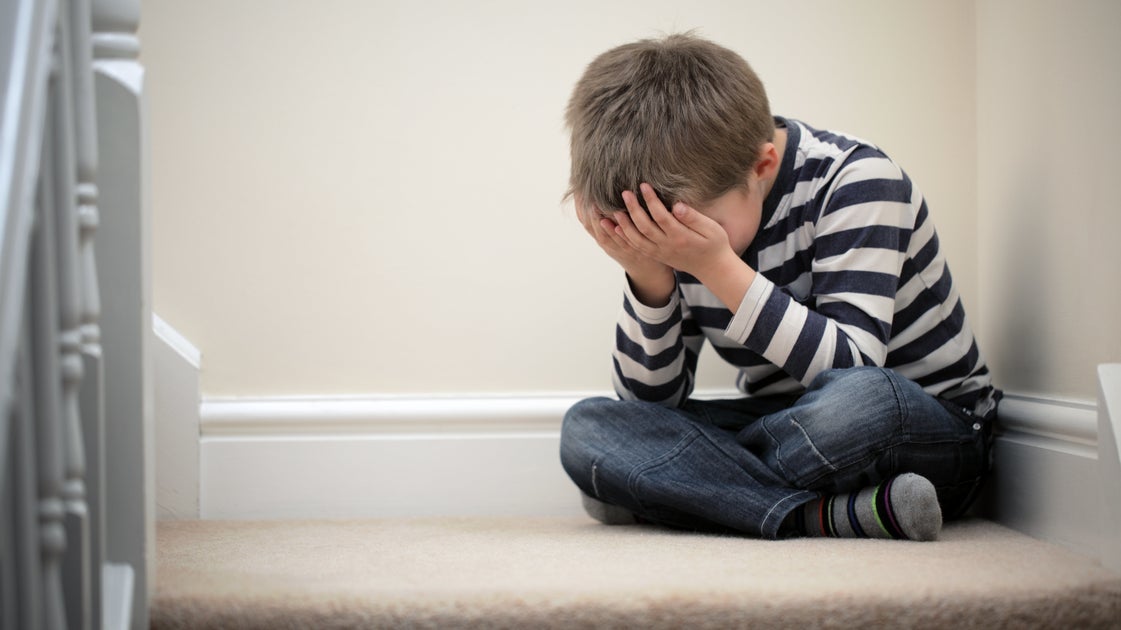
Why Teaching Boys About Anger Feels So Urgent Right Now
When many parents find out they’re having a boy, the excitement is often followed by a quiet, nagging worry: “How do I make sure he grows up kind—and safe—with all that anger I see in the world?” News of school shootings, bullying, and online harassment only turns that whisper into a roar.
Underneath those worries is a simple truth: boys are not born dangerous. They’re born human—wired with the same full range of emotions as anyone else. But from a very young age, boys often get one loud message: anger is allowed; everything else is not.
The underrated skill that can change this trajectory isn’t “anger control” or “toughness.” It’s something quieter, more foundational, and deeply learnable: emotional literacy—the ability to recognize, name, and work with feelings (including anger) in a healthy way.
The Real Problem: Boys Are Taught To Be Angry, Not Emotional
Many boys grow up in a culture that quietly trains them to use anger as a “cover emotion.” When they feel hurt, scared, lonely, or embarrassed, it’s anger that gets expressed—because it feels safer and more acceptable.
- “Don’t cry” tells them sadness is off-limits.
- “Man up” signals that fear is shameful.
- “Shake it off” suggests pain is to be ignored, not cared for.
Research from child development and mental health fields has repeatedly found that boys are just as emotionally sensitive as girls in early childhood , but over time they receive stronger social pressure to hide “vulnerable” emotions.
“We don’t have an anger problem with boys as much as we have an emotional bottleneck. Anger is simply what’s left when every other feeling has been shut down.”
— Child psychologist and boys’ mental health researcher
When that bottleneck builds for years, it can show up later as aggression, numbness, addiction, or in some tragic cases, violence. The goal isn’t to remove anger from boys’ lives—it’s to teach them what it’s trying to say, and what to do with it.
The Underrated Skill: Emotional Literacy (Especially Around Anger)
Emotional literacy is to feelings what reading is to words. It’s the skill of:
- Noticing what you feel in your body and mind.
- Having the language to name those feelings accurately.
- Knowing what those feelings are trying to tell you.
- Choosing a response that’s safe and respectful—to yourself and others.
For boys, this skill is especially powerful around anger, because:
- Anger often sits on top of other emotions like shame, fear, or sadness.
- Anger has energy that can be redirected into problem-solving, boundary-setting, or creativity.
- Anger without words tends to come out as behavior—slamming doors, hitting, yelling, or shutting down.
When boys learn to say, “I’m actually embarrassed,” or “I felt left out,” instead of only, “I’m mad,” their whole story changes. They’re no longer “an angry boy.” They’re a human being with understandable needs.
A Real-Life Example: When “He’s Just Angry” Wasn’t The Whole Story
A few years ago, I spoke with a parent of an 8‑year‑old boy—let’s call him Liam—who had started “exploding” after school. He’d slam his backpack, yell at his younger sister, and refuse to talk. His parents were desperate and exhausted.
Instead of jumping straight to consequences, they experimented with emotional literacy. Every day after school, they’d offer a simple check-in:
“On a scale from 1 to 10, how strong was your anger today? And what do you think was underneath it—were you more tired, embarrassed, left out, or something else?”
It took time, but patterns started to emerge. Liam’s “anger days” were almost always “humiliation days”—being laughed at in PE, getting called on when he didn’t know the answer, or being picked last for a game. What looked like “defiance” at home was actually unprocessed shame.
With that insight, his parents could finally help. They practiced language with him:
- “I felt embarrassed when they laughed.”
- “I was scared I’d mess up again.”
Over several months, the after-school explosions decreased. Not because Liam stopped feeling big emotions, but because he now had words and support to move through them.
How To Teach Your Son Emotional Literacy Around Anger
You don’t need a psychology degree to teach this. You need a bit of intention, patience, and a willingness to learn alongside your son. Here’s a structured, science-informed approach you can adapt to any age.
1. Start With Your Own Calm, Not His
When your son is angry, your nervous system will react too. Before you try to teach anything, take care of your own state:
- Pause and take 3–5 slow breaths.
- Remind yourself: “This is a skill-building moment, not an emergency.”
- Soften your voice and posture intentionally.
2. Validate The Feeling, Even If You Can’t Approve The Behavior
Validation doesn’t mean you’re “letting him get away with it.” It means you’re acknowledging his internal world, which actually makes it easier to set limits.
Try phrases like:
- “It makes sense you’re furious about that.”
- “Anyone would feel upset if that happened to them.”
- “I can see this feels really big inside your body.”
Then gently separate the emotion from the action:
- “It’s okay to feel angry. It’s not okay to hit.”
- “Your feelings are always allowed; some actions aren’t safe.”
3. Help Him Name What’s Underneath The Anger
Once things are a little calmer, you can begin building his “feelings vocabulary.” For younger kids, use simple words; for older boys, go deeper.
Instead of only asking, “Why are you mad?”, try:
- “Were you more hurt, embarrassed, or left out?”
- “Did it feel more like fear or frustration?”
- “On the inside, did it feel more small or more big and out of control?”
You can also use visual tools like emotion charts or “feelings thermometers.” Many are freely available online from mental health organizations and parenting researchers.
4. Teach Body Awareness: “Where Does Anger Live?”
Anger shows up in the body first—tight fists, fast heart, hot face. Helping your son notice these early signs gives him a chance to choose before he explodes.
Ask curious questions:
- “Where do you feel it most—chest, stomach, hands, or head?”
- “Does it feel hot, tight, or jumpy?”
- “If your anger had a color or shape, what would it be?”
Over time, he might learn to say, “My fists are getting tight; I need a break,” instead of throwing those fists.
5. Practice “Anger Plans” When Everyone Is Calm
Trying to invent coping strategies in the middle of a meltdown is like looking for the fire extinguisher after the kitchen is already in flames. Make a simple anger plan ahead of time.
Co-create a list and post it somewhere visible. For example:
- “Ask for a break and go to my calm corner.”
- “Punch my pillow or stress ball, not people or walls.”
- “Do 10 jumping jacks or push-ups.”
- “Splash cool water on my face.”
- “Use my code word (‘pause’) to tell Mom/Dad I’m overwhelmed.”
Practice these when he’s not upset—like drills—so his brain can find them more easily under stress.
A Simple “Anger Map” You Can Use With Your Son
Think of anger as a message-delivery system. Use this simple “Anger Map” as a visual you can sketch on paper or whiteboard:
- Trigger: What happened? (e.g., “They laughed at me.”)
- Hidden feeling: What was under the anger? (e.g., “I felt stupid and alone.”)
- Need: What did you need in that moment? (e.g., “Someone on my side,” “A break,” “Help.”)
- Choice: What did you do? What could you do next time?

For younger kids, you can draw it as a road:
- “Something happened” (a picture of a situation).
- “Big feeling inside” (a storm cloud, volcano, or a color).
- “What I needed” (a heart, a hug, a time-out space).
- “What I can do next time” (a toolbox or superhero symbol).
Common Obstacles (And How To Navigate Them)
“He Just Shuts Down When I Ask About Feelings.”
Many boys have already absorbed the message that talking about feelings is “weak” or “weird.” Pushing harder usually backfires.
Instead, try:
- Side-by-side conversations: Talk in the car, while walking, or during an activity—eye contact can feel intense.
- Starting with yourself: “I noticed I felt really frustrated today when my boss ignored my idea.”
- Using media: Pause during a show or game storyline and ask, “What do you think he felt right there?”
“All He Cares About Is Winning Or Being Right.”
That focus can be a shield against vulnerability. You can work with it rather than against it.
- Turn emotional skills into a kind of “game level”: “You just leveled up in self-control by walking away instead of shoving.”
- Praise effort around emotional skills the way you would in sports or school: “You really worked hard to calm down before you answered.”
- Model making mistakes and repairing: “I snapped earlier. That wasn’t okay. I’m sorry. Next time I’ll take a break first.”
“I Didn’t Learn Any Of This Growing Up.”
Many parents—especially fathers—were raised with strict “toughness” rules. Learning emotional literacy as an adult can feel awkward and exposing.
You might say to your son:
“No one taught me this when I was a kid, and sometimes I still get it wrong. But I want us to learn together, because I care about how you feel—and how you treat yourself and others.”
That honesty doesn’t weaken your authority; it builds trust.
What The Research Says About Boys, Anger, And Emotional Skills
A growing body of research supports what many parents sense intuitively: helping boys build emotional skills early can protect their mental health and relationships long-term.
- Emotion coaching (parents helping kids identify and work through emotions) is linked to better self-regulation, social skills, and academic performance .
- School-based social-emotional learning (SEL) programs show reductions in aggression and improvements in behavior across genders, with particular benefits for at‑risk boys.
- Studies on masculinity norms have found that boys who feel pressured to “be tough” and hide emotions are at higher risk for problems like depression, substance use, and interpersonal violence later in life.

None of this research says boys should be less strong or driven. It says that adding emotional literacy to strength makes them more resilient, not less.
Everyday Micro-Moments That Build This Skill
You don’t need hour-long heart-to-hearts every day. Emotional literacy grows in small, everyday interactions.
- Morning: “How’s your body feeling today—sleepy, nervous, excited?”
- After school: “Tell me your high, your low, and one moment you felt frustrated.”
- During conflicts with siblings: “Pause. Each of you, name one feeling and one need.”
- At bedtime: “What’s one feeling you had today that you didn’t get to talk about yet?”

When To Consider Extra Support
Sometimes anger is more than a skill-gap—it can be a signal of deeper distress, trauma, learning differences, anxiety, or depression. You are not failing if you need backup.
Consider reaching out to a pediatrician, school counselor, or child therapist if:
- Anger outbursts are frequent, intense, and hard to de-escalate.
- He hurts himself, others, or damages property regularly.
- He seems increasingly withdrawn, hopeless, or numb between outbursts.
- School, friendships, or family life are seriously affected.
Look for professionals who mention “emotion coaching,” “trauma-informed,” or “boy-friendly” approaches in their descriptions. Many now offer telehealth, which can make access easier.
You’re Not Just Raising A Boy. You’re Raising A Future Man.
The world may keep telling boys to “toughen up,” but you have the power to offer something far more radical and protective: the message that their full emotional life is welcome—and manageable.
Teaching your son emotional literacy around anger will not make him perfect or conflict-free. But it can:
- Lower the temperature of daily power struggles.
- Give him words instead of only fists, silence, or screens.
- Help him grow into a man who can be strong and kind, assertive and self-aware.
You don’t have to overhaul everything overnight. Maybe today, you start by simply noticing and naming one feeling of your own out loud. Tomorrow, you ask him where anger shows up in his body. Next week, you draw that Anger Map together.
These small choices add up. You’re not just preventing explosions—you’re quietly teaching your son that his inner world matters, that he’s not alone with big feelings, and that anger can be a signal to listen to, not a weapon to fear.
Call to action: Choose one idea from this article—just one—and try it with your son in the next 24 hours. Then notice what shifts, even slightly, in both of you.
