Drink Up, Coffee Lovers: How Your Daily Brew May Add Years to Your Life
If you’ve ever clutched your morning mug and quietly hoped your coffee habit wasn’t hurting your health, you’re not alone. For years, coffee swung between “guilty pleasure” and “health hero.” Now, a large review of the scientific literature—similar to what EatingWell recently reported—suggests that regular coffee drinking may actually be linked to living longer.
That doesn’t mean coffee is a magic life-extending potion, but it does mean your daily brew can likely fit comfortably into a healthy lifestyle—maybe even support it. Let’s walk through what the research really says, who benefits most, and how to enjoy coffee in a way that’s kind to your heart, brain, and sleep.
Your Morning Coffee, Reframed
:max_bytes(150000):strip_icc()/Drink-Up-Coffee-Lovers-Study-Suggests-Coffee-Could-Add-Almost-2-Years-to-Your-Life-6db77d00fc9b4e079fad1439b58a6523.jpg)
Is Coffee Good or Bad for You? Why the Confusion Exists
Coffee has had a reputation roller coaster. Earlier studies often linked it to health problems, but there’s an important twist: those studies rarely separated coffee from other habits like smoking, lack of exercise, and poor diet. As research methods improved, scientists started teasing out coffee’s independent effects—and the story changed.
Newer, higher-quality studies and meta-analyses (large reviews that combine many studies) now suggest that coffee is:
- Generally safe for most healthy adults in moderate amounts
- Associated with a lower risk of early death from several major diseases
- Rich in bioactive compounds that may support heart, brain, and liver health
What the Big Coffee–Longevity Review Actually Found
The review highlighted in EatingWell looked across many observational studies examining coffee intake and health outcomes. While exact numbers vary by analysis, a consistent pattern emerged: moderate coffee drinkers tended to live longer than non-drinkers.
Many of these analyses found that people drinking about 2–4 cups per day (depending on cup size and brewing strength) often had:
- Lower risk of death from cardiovascular disease
- Lower risk of death from certain cancers
- Reduced risk of type 2 diabetes
- Lower risk of neurodegenerative diseases like Parkinson’s
“In our large, prospective cohort, coffee consumption was inversely associated with total and cause-specific mortality…”
— Freedman et al., New England Journal of Medicine, 2012
Some researchers estimate that, at the population level, these reductions in risk could translate to adding months to a couple of years of life expectancy for regular coffee drinkers compared with non-drinkers. But remember, this is an average effect, not a promise for any one person.
How Much Coffee Is “Just Right” for Longevity?
Different studies define a “cup” differently, but a common sweet spot for lower mortality risk appears around 2–3 standard 8-ounce cups per day. Some benefits are seen up to about 4 cups, occasionally more, but gains tend to level off or even reverse at very high intakes.
- Moderate intake (1–3 cups/day): Often linked with the greatest reduction in risk across multiple diseases.
- Higher intake (4–5+ cups/day): Some people tolerate this well; others experience anxiety, poor sleep, or heart palpitations which can undermine overall health.
- Low or no intake: If you don’t like coffee or can’t tolerate it, you don’t need it for longevity—there are many other ways to protect your health.
Why Might Coffee Be Linked to a Longer Life?
Coffee is far more than caffeine in hot water. Researchers have identified hundreds of bioactive compounds in coffee beans that may influence inflammation, blood vessels, metabolism, and even the gut microbiome.
- Antioxidants: Coffee is a major source of polyphenols (like chlorogenic acids), which help neutralize free radicals and may reduce oxidative stress.
- Anti-inflammatory effects: Some compounds in coffee appear to dial down chronic, low-grade inflammation—linked to heart disease, diabetes, and aging.
- Metabolic benefits: Habitual coffee consumption has been associated with better insulin sensitivity and a lower risk of type 2 diabetes.
- Brain protection: Both caffeine and other coffee compounds have been studied for potential protective effects against Parkinson’s and Alzheimer’s diseases.
- Liver support: Multiple studies have linked coffee with a lower risk of liver cirrhosis and certain liver cancers.
None of this means coffee cancels out an unhealthy lifestyle—but as part of a pattern that includes movement, nourishing food, and good sleep, coffee may give your body a small, consistent nudge in a healthier direction.
Coffee Is a Helper, Not a Hero: The Lifestyle Context
When researchers adjust for factors like smoking, body weight, and physical activity, coffee’s benefits often shrink but rarely disappear completely. That suggests coffee contributes to better outcomes but doesn’t override the big influencers of health.
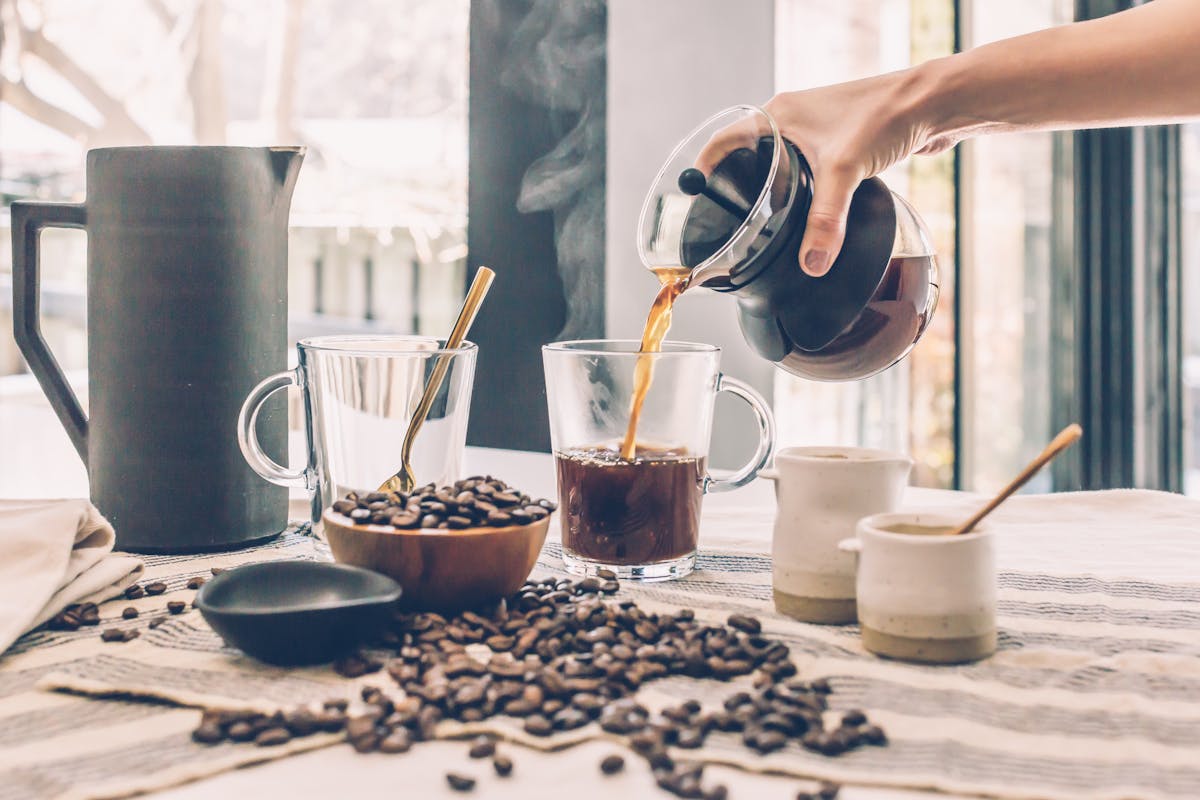
Think of coffee as a supportive player in a much larger cast that includes:
- Not smoking or vaping
- Moving your body most days
- Eating plenty of plants and minimally processed foods
- Managing stress and prioritizing sleep
How to Drink Coffee in a Way That Supports Longevity
The way you prepare and time your coffee matters. Here are practical, research-aligned guidelines to get the perks while minimizing downsides.
1. Watch what you add to your cup
- Keep added sugars modest—daily sugary coffee drinks can counteract any health benefits.
- Use milk or unsweetened plant-based milks if you enjoy them; for most people, these fit into a healthy pattern.
- Be mindful with heavy creamers or flavored syrups; treat them like desserts, not daily staples.
2. Time your caffeine for better sleep
- Aim to finish your last caffeinated cup at least 6 hours before bedtime.
- If you’re sensitive, you may need an even earlier cut-off (8+ hours).
- Consider switching to decaf in the afternoon if you love the ritual.
3. Choose brewing methods mindfully
Unfiltered coffee (like French press, Turkish coffee, or some espresso preparations) contains more cafestol and kahweol, compounds that can raise LDL (“bad”) cholesterol in some people.
- If you have high cholesterol, favor filtered methods (drip coffee with paper filters, some pour-over setups).
- Enjoy unfiltered methods occasionally rather than as your main daily brew if cholesterol is a concern.
4. Start low and listen to your body
- Begin with 1 small cup per day for a week.
- Notice how your body responds—energy, heart rate, anxiety, sleep.
- Increase gradually if you feel good, or scale back if you notice jitters, palpitations, or insomnia.
Who Should Be Careful—or Avoid Coffee Altogether?
Coffee isn’t a good fit for everyone, and choosing less coffee can absolutely be the healthier choice in certain situations.
- Pregnant or breastfeeding people: Most guidelines recommend ≤ 200 mg caffeine/day (about 1–2 small cups), but always follow your clinician’s advice.
- People with certain heart conditions: If you have arrhythmias, uncontrolled high blood pressure, or heart disease, talk with your cardiologist about safe caffeine limits.
- People with anxiety disorders: Caffeine can worsen anxiety, panic, and restlessness for some. Decaf or herbal options may be better choices.
- Those with reflux or GI sensitivity: Coffee (caffeinated or decaf) can aggravate heartburn or IBS for some people.
- People on certain medications: Caffeine can interact with some medications (including certain antibiotics and heart medications). Check with your healthcare provider.
A Real-Life Example: Turning a Coffee Habit into a Health Ally
Consider “Maria,” a 52-year-old teacher who came to her dietitian exhausted, with elevated cholesterol and difficulty sleeping. She loved coffee and was drinking about 5 large mugs a day—often with flavored creamer.
Instead of telling Maria to quit coffee, her dietitian reframed it as a tool:
- They reduced her intake to 2 filtered cups in the morning and 1 cup of decaf in the afternoon.
- She swapped sweetened creamers for a splash of milk and a small teaspoon of sugar.
- They set a caffeine “curfew” of 2 p.m. and added a short evening walk to support sleep.
Within a month, Maria’s sleep improved, her afternoon energy crashes eased up, and she felt less jittery. At her next check-up, her cholesterol numbers had nudged in a better direction—thanks to several changes, not coffee alone—but she was relieved she could keep enjoying her morning ritual.
This is an illustrative case based on common clinical scenarios, not a single real patient, but it reflects changes many people successfully make.
Before & After: Small Tweaks That Make Coffee More Longevity-Friendly

Here’s how a typical coffee routine might evolve with longevity in mind:
- Before: 1 large flavored latte (with several pumps of syrup) on an empty stomach, plus 2–3 more coffees throughout the day, last one at 6 p.m.
- After: 1–2 cups of brewed, filtered coffee with a splash of milk and modest sugar, enjoyed with breakfast; optional decaf later in the day, last caffeinated cup by early afternoon.
The “after” pattern provides similar enjoyment and alertness but is gentler on blood sugar, cholesterol, and sleep—factors that truly move the needle for long-term health.
What the Research Says: Key Studies on Coffee and Longevity
Several major studies and reviews underpin the idea that coffee may be linked to a longer life. A few notable examples include:
- New England Journal of Medicine (2012): In more than 400,000 U.S. adults, coffee drinkers had lower overall mortality, even after adjusting for smoking and other factors.
Read the study - European Journal of Epidemiology (2019): A meta-analysis of observational studies reported that each extra cup of coffee per day was associated with a small reduction in mortality risk up to a point.
Read the analysis - BMJ umbrella review (2017): Summarizing over 200 meta-analyses, researchers concluded that coffee consumption “seems generally safe” and is more often associated with health benefits than harms for most adults.
Read the review
These and other studies are observational, which means they can’t prove cause and effect. Still, the consistency of the findings across different countries and populations strengthens the case that coffee, at least, is not the villain it was once made out to be.
Quick-Glance Guide: Coffee & Longevity at a Glance
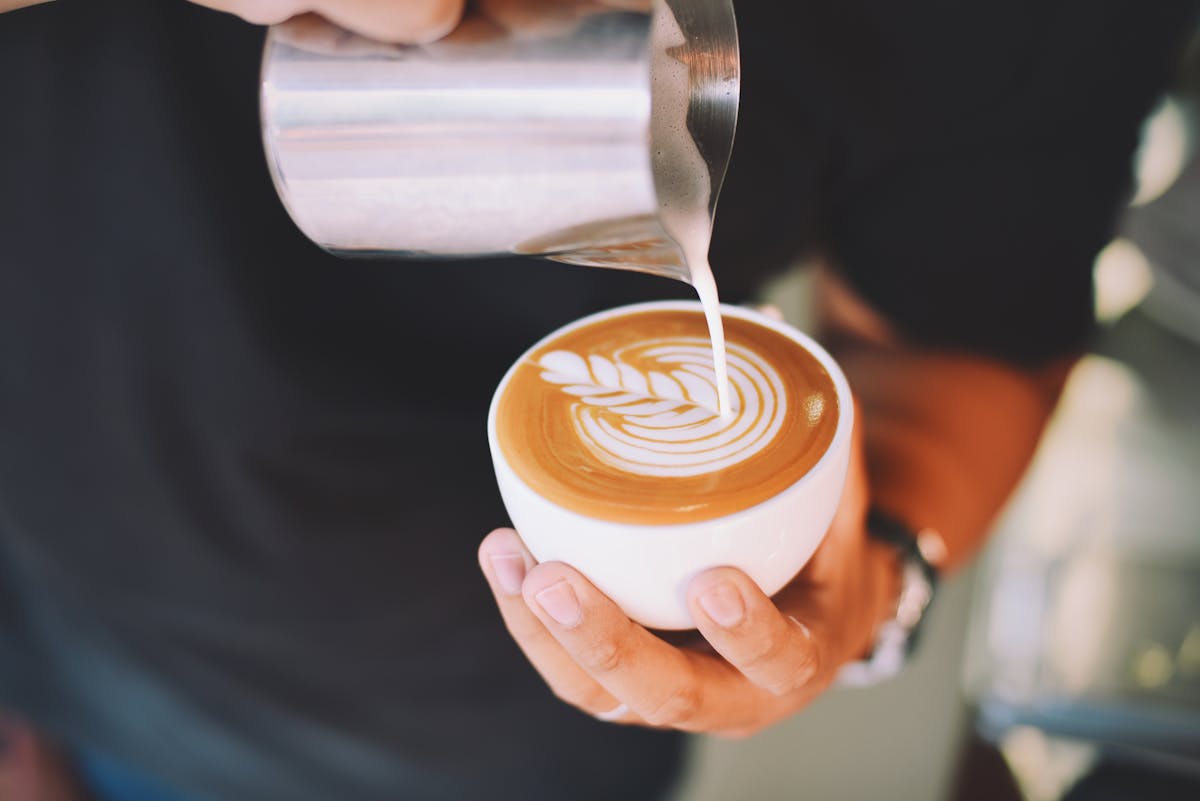
Use this as a simple checklist:
- Amount: Most benefit around 1–3 cups/day for many people.
- Timing: Finish caffeine at least 6 hours before bed.
- Preparation: Favor filtered methods if cholesterol is a concern.
- Add-ins: Go easy on sugar and heavy creamers.
- Body feedback: Adjust based on sleep, anxiety, and heart symptoms.
- Context: Pair coffee with a nutrient-rich diet, movement, and not smoking.
Common Questions About Coffee and Living Longer
Does decaf coffee offer the same benefits?
Many studies find similar, though sometimes slightly smaller, benefits with decaf coffee. That suggests non-caffeine compounds in coffee also play a big role. If caffeine bothers you, decaf is a reasonable way to enjoy potential perks without the jitters.
What about instant coffee?
Instant coffee generally shows comparable associations with health outcomes in studies, though formulations vary. As long as you’re mindful of added sugars and creamers, instant can be a perfectly fine option.
Will starting coffee in midlife still help?
Most research includes adults across a broad age range; benefits don’t seem limited to people who started young. But if you’re new to coffee and older or have health conditions, it’s wise to talk with your clinician before making it a daily habit.
If I don’t like coffee, should I start just for longevity?
Not necessarily. You can absolutely support a long, healthy life without coffee by focusing on diet quality, physical activity, sleep, and avoiding tobacco. Coffee may give a small extra edge, but it’s optional—not essential.
The Bottom Line: Enjoy Your Coffee—Thoughtfully
The emerging consensus from dozens of studies is encouraging: for most healthy adults, moderate coffee intake is safe and may be linked to a longer life. It’s not a guarantee, and it’s not a substitute for the fundamentals of good health, but it also isn’t the villain it was once made out to be.
If you love coffee, you can likely keep enjoying it—maybe even a bit more happily—knowing that your daily ritual may be doing your body some favors when paired with other healthy habits.
As a practical next step, consider:
- Counting how many cups you drink on a typical day.
- Noting your sleep, mood, and any jitters.
- Making one small tweak this week—like moving your last caffeinated cup earlier, or cutting back on sugary add-ins.
Over time, small changes in how you brew, sweeten, and schedule your coffee can help turn your favorite beverage into a steady ally for long-term well-being.