
Breakthrough Cancer Discovery: How a Glasgow Lab May Change Liver and Bowel Cancer Treatment
When you or someone you love hears the word “cancer,” your world narrows to one question: “Is there anything else we can do?” A new discovery from scientists in Glasgow does not provide an immediate cure—but it does offer a carefully measured sense of hope. Researchers at the Cancer Research UK Scotland Institute have identified a promising way to slow or stop the growth of liver and bowel cancers by targeting the genetic faults that let these cancers hijack a crucial signalling system in the body.
This page breaks down what that means in plain language, what stage the research is at, and how it could influence future cancer treatments—without overhyping what we know today.
Why Liver and Bowel Cancer Are So Hard to Treat
Liver and bowel (colorectal) cancers are among the deadliest cancers in Scotland and worldwide. They are often:
- Diagnosed late – symptoms can be vague or easily dismissed.
- Biologically complex – driven by multiple genetic faults, not just one “bad” gene.
- Resistant to standard therapies – even when surgery, chemotherapy, and radiotherapy are used.
Many current treatments focus on killing rapidly dividing cells. While this can be effective, it also affects healthy cells and doesn’t always address the underlying signalling systems that cancer cells exploit to grow and spread.
What Did the Glasgow Scientists Actually Discover?
According to reporting from the BBC and information from Cancer Research UK Scotland Institute, the research team focused on the genetic faults that allow liver and bowel cancer cells to hijack a key signalling system in the body. This signalling pathway helps healthy cells decide when to grow, divide, or repair damage. Cancer cells learn to “rewire” this system so that:
- Growth signals are switched on almost constantly.
- “Stop” or “self-destruct” signals are ignored.
- Cancer cells gain a survival advantage over normal cells.
The Glasgow team identified a new way to block this hijacking process. In lab models, targeting these faults appeared to limit or halt tumour growth in liver and bowel cancers. While detailed mechanisms are still being studied and peer-reviewed, the core idea is to interrupt the cancer’s ability to exploit the signalling system, rather than just attacking fast-growing cells in a broad way.
“We’re not talking about an overnight cure, but a genuinely new angle on how to shut down some of the most aggressive cancers we see,” said one of the researchers, as reported by the BBC. “It gives us a roadmap for more precise treatments in the future.”
Inside the Lab: Visualising the Research
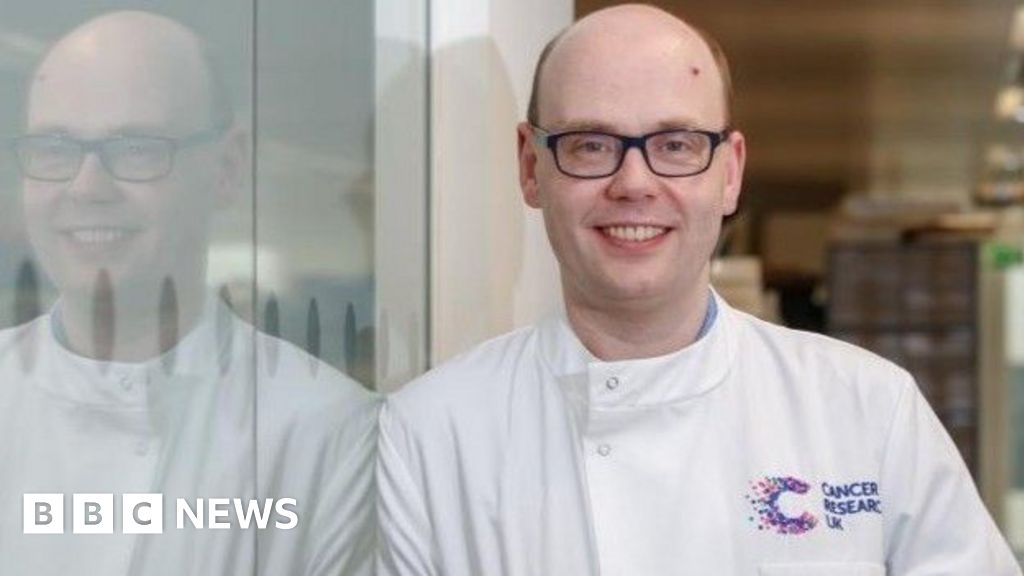
In practical terms, these experiments often involve:
- Studying cancer cells grown in the lab (in vitro models).
- Using animal models to see how tumours respond to new interventions.
- Analysing patient tumour samples to identify recurring genetic faults.
How Targeting Cancer Signalling Could Work
While the exact pathway studied in Glasgow is still being fully characterised publicly, it fits into a broader movement in oncology: precision medicine. Instead of treating all bowel or liver cancers the same, doctors aim to:
- Identify the specific genetic faults in a patient’s tumour.
- Match those faults to drugs or biological agents that can block faulty signals.
- Monitor how the tumour responds and adjust treatment over time.
Targeting hijacked signalling systems can, in theory:
- Slow tumour growth by cutting off pro-growth messages.
- Make cancer cells more vulnerable to chemotherapy, immunotherapy, or radiation.
- Reduce damage to healthy cells compared with broad, non-specific treatments.
However, cancers are adaptable. They may find “workarounds”, activating backup pathways. This is why new approaches will likely be used in combination with existing therapies rather than replacing them entirely.
What Does the Evidence Say So Far?
As of January 2026, the Glasgow discovery is best described as a promising early-stage finding. Early data, as reported by the BBC, suggest:
- The researchers successfully identified specific faults in the signalling system in liver and bowel cancer cells.
- Targeting these faults in experimental models led to a reduction in tumour growth.
- The work builds on a broader body of international research into signalling pathways such as MAPK, Wnt/β-catenin, and PI3K/AKT, which are known to be altered in many cancers.
Other peer-reviewed studies (for example, in journals like Nature Cancer, Gut, and Hepatology) have shown that:
- Targeting aberrant signalling pathways can improve outcomes in certain subsets of colorectal cancer.
- Combining targeted therapies with immunotherapy may enhance long-term control in some patients.
“Precision targeting of signalling networks has transformed the treatment of some blood cancers and lung cancers. We are cautiously optimistic about applying similar strategies to bowel and liver cancer, but rigorous clinical testing is essential,” notes a gastrointestinal oncologist in recent review articles.
How Long Before Patients See This New Treatment?
It’s understandable to want to know “When can I get this?” But responsible cancer science moves in stages:
- Discovery & lab testing – identifying the target, testing it in cells and animals.
- Phase I trials – small studies in people to evaluate safety and dosing.
- Phase II trials – larger groups to see if it works in specific cancers.
- Phase III trials – comparing the new approach against current standard treatments.
- Regulatory review – approval by bodies like the MHRA (UK) or EMA (EU).
The Glasgow research appears to be in the preclinical to early translational stage. Even with strong results, it typically takes several years before a new approach is widely available—sometimes longer. Some patients may access such treatments earlier through:
- Clinical trials at major cancer centres.
- Compassionate use or early access programmes (where available and appropriate).
What This Means for Patients Right Now
While this specific approach is not yet a standard treatment, it signals an important shift in how we think about liver and bowel cancer:
- More personalised care: Treatment plans increasingly consider the tumour’s genetic profile.
- Better discussion of options: Oncologists can talk with patients about whether molecular testing or trials make sense.
- Realistic hope: Even in advanced cancers, new tools are entering the pipeline every few years.
In my experience speaking with clinicians and patients, the most helpful mindset is to balance hope with practicality:
- Make the most of proven therapies available today.
- Stay open to new options—especially clinical trials—when appropriate.
- Look after overall wellbeing: nutrition, activity within your limits, mental health, and social support.
Common Obstacles—and How to Navigate Them
Even as science advances, patients and families often face practical and emotional hurdles. Here are some frequent challenges related to emerging treatments and how to respond:
- Overwhelming information:
Headlines can be confusing or sensational. Ask your care team to “translate” new research into what it means for your specific case.
- Fear of missing out on new treatments:
Not every experimental therapy is suitable—or better. Discuss risks, benefits, and logistics of any clinical trial with your oncologist.
- Emotional fatigue:
Constantly chasing the latest breakthrough can be exhausting. It’s okay to focus on quality of life today while your team keeps an eye on new options.
From Lab Bench to Bedside: A Simple Overview
The journey of this Glasgow discovery can be summarised in three stages:
- Understand the fault: Map out how genetic changes in liver and bowel cancers hijack signalling systems.
- Interrupt the signal: Design molecules or strategies to block those faulty signals in lab models.
- Test in people: Conduct clinical trials to learn if the approach is safe and effective—and for whom.
Think of it as debugging a corrupted communication network in the body: first you identify where the messages went wrong, then you create filters to block or correct those messages, and finally you test whether the system runs better without harming other vital functions.
Practical Steps If You’re Affected by Liver or Bowel Cancer
While this new research is still emerging, there are concrete actions you can take now to make sure you benefit from today’s best evidence-based care:
- Ask about molecular testing
For many bowel cancers—and some liver cancers—testing the tumour for genetic and molecular markers can open doors to targeted therapies or trials.
- Discuss clinical trial options
Ask your oncologist: “Are there any trials exploring targeted signalling treatments that might be relevant to my case?”
- Optimise overall health where possible
Within your limits, focusing on nutrition, physical activity, sleep, and mental health can improve tolerance to treatment and quality of life. This doesn’t cure cancer, but it often makes a noticeable difference day to day.
- Build a support circle
Include family, friends, healthcare professionals, and—if you find it helpful—support groups or online communities for liver or bowel cancer.
Before & After: How Future Care Might Look Different
To better understand the potential impact of discoveries like the one in Glasgow, it helps to compare how care has traditionally worked versus how it might evolve.

- Before: Most liver or bowel cancer patients received a similar combination of surgery, chemotherapy, and radiotherapy, with limited tailoring.
- After (future vision): Treatment decisions increasingly incorporate:
- Detailed genetic profiling.
- Targeted drugs against specific signalling faults.
- Dynamic adjustments based on how tumours respond.
The Human Side of High-Tech Cancer Care

In case discussions I’ve seen, clinicians often walk a careful line: they want to share the excitement of discoveries like the Glasgow study while also protecting patients from false hope. The most helpful conversations tend to:
- Clarify what stage the research is in.
- Lay out current, evidence-based options clearly.
- Invite questions about emerging therapies and trials.
“Our job is to be honest guides,” one oncologist told a patient group. “We share the hope, but we also share the unknowns, and we walk through them together.”
Visualising Progress in Cancer Research

Where to Learn More (Reliable Sources)
For up-to-date, evidence-based information on liver and bowel cancer, consider:
- Cancer Research UK – information on cancer types, treatments, and clinical trials.
- NHS – Bowel Cancer – symptoms, diagnosis, and treatment guidelines.
- NHS – Liver Cancer – overview of causes, types, and treatments.
- ClinicalTrials.gov – searchable database of ongoing cancer clinical trials (international).
A Cautious but Real Hope
The Glasgow team’s discovery—that we may be able to disrupt the hijacked signalling systems that fuel liver and bowel cancer growth—is an important step forward. It does not replace current treatments, and it will take time before we know how it performs in real patients. But it adds to a growing body of work suggesting that smart, targeted therapies can gradually reshape how we treat some of the toughest cancers.
If you are living with liver or bowel cancer, or supporting someone who is, you do not need to carry all this information alone. Bring your questions—to your oncologist, specialist nurse, or support group. Ask how new research might intersect with your own treatment journey, and remember: being informed is powerful, but you are not expected to be your own scientist.
Your next step: write down three questions about your current treatment or future options, and bring them to your very next appointment. Let your care team help you turn complex science into practical choices that fit your life.
