
Why Pneumonia Still Kills in the Age of Modern Medicine (and What You Can Do About It)
Pneumonia remains a leading cause of serious illness and death worldwide, even with modern antibiotics, vaccines, and advanced hospital care. For many people, that feels confusing and unfair—especially when we’re used to thinking of it as a “simple” infection that should be easy to fix.
If you’ve watched a parent, partner, or friend struggle to breathe in the hospital, you are not alone. Pneumonia is still one of the most common reasons people are admitted to intensive care units. Understanding why it can be so dangerous—and what you can realistically do to lower your risk—can make a real difference.

This article walks you through, in plain language, why people still die of pneumonia in 2026, who is most at risk, what treatments can and can’t do, and the most effective prevention strategies backed by current evidence.
What Exactly Is Pneumonia?
Pneumonia is an infection of the lungs—often called a lower respiratory tract infection to distinguish it from upper respiratory infections like the common cold or bronchitis. The infection inflames the air sacs (alveoli), which may fill with fluid, pus, or debris from the immune response.
That inflammation makes it hard for oxygen to move from the lungs into the blood. When the body can’t get enough oxygen, every organ is put under stress. In vulnerable people, that stress can push the body past its limits.
- Bacterial pneumonia (for example, Streptococcus pneumoniae)
- Viral pneumonia (like influenza, RSV, or COVID-19)
- Fungal or opportunistic pneumonia in people with very weak immune systems
Why Do People Still Die of Pneumonia in 2026?
It’s tempting to think, “We have antibiotics and ICUs—how is this still happening?” The reality is that pneumonia intersects with aging, chronic disease, and health system limitations in ways that technology can’t completely solve.
- Vulnerable bodies, not just strong germs
Many pneumonia deaths occur in people whose bodies are already under strain:- Adults over 65, especially over 80
- People with heart failure, COPD, asthma, kidney or liver disease
- People with weakened immune systems (cancer treatment, steroids, HIV, transplant)
- Very young children and some infants
For them, pneumonia is often “the final straw” that the body can’t recover from, even with correct treatment.
- Antibiotics don’t fix everything
Antibiotics only work against bacteria, not viruses. Viral pneumonias—like COVID-19, influenza, and RSV—can still be severe or fatal, particularly in high-risk groups. Even when the cause is bacterial, some strains are resistant to multiple antibiotics. - Delayed care and subtle symptoms
Older adults often don’t show classic signs like high fever. They may just seem “off,” weak, or confused. That can delay seeking care until the infection is advanced. - Pneumonia can trigger body-wide failure
Severe pneumonia can cause sepsis—a dangerous, whole-body reaction to infection. Blood pressure drops, organs begin to fail, and even aggressive ICU care sometimes can’t reverse the damage. - Global and social factors
Worldwide, limited access to vaccines, clean air, good nutrition, and timely medical care keeps pneumonia near the top of the list for infectious killers—especially in young children and older adults.
“The biggest risk factor for dying from pneumonia isn’t the germ—it’s the person it infects. Age, frailty, and chronic disease matter more than most people realize.”
— Pulmonary & Critical Care Physician
Who Is Most at Risk of Severe or Fatal Pneumonia?
Pneumonia can affect anyone, but certain groups face a much higher chance of complications, hospitalization, or death.
- Adults aged 65 and older
- People with chronic lung disease (COPD, emphysema, severe asthma)
- People with heart disease, diabetes, kidney or liver disease
- People taking immune-suppressing medications or with weakened immune systems
- Smokers or people with heavy second-hand smoke exposure
- People with swallowing problems, dementia, or recent stroke (risk of aspiration pneumonia)
- Young children, especially under age 2
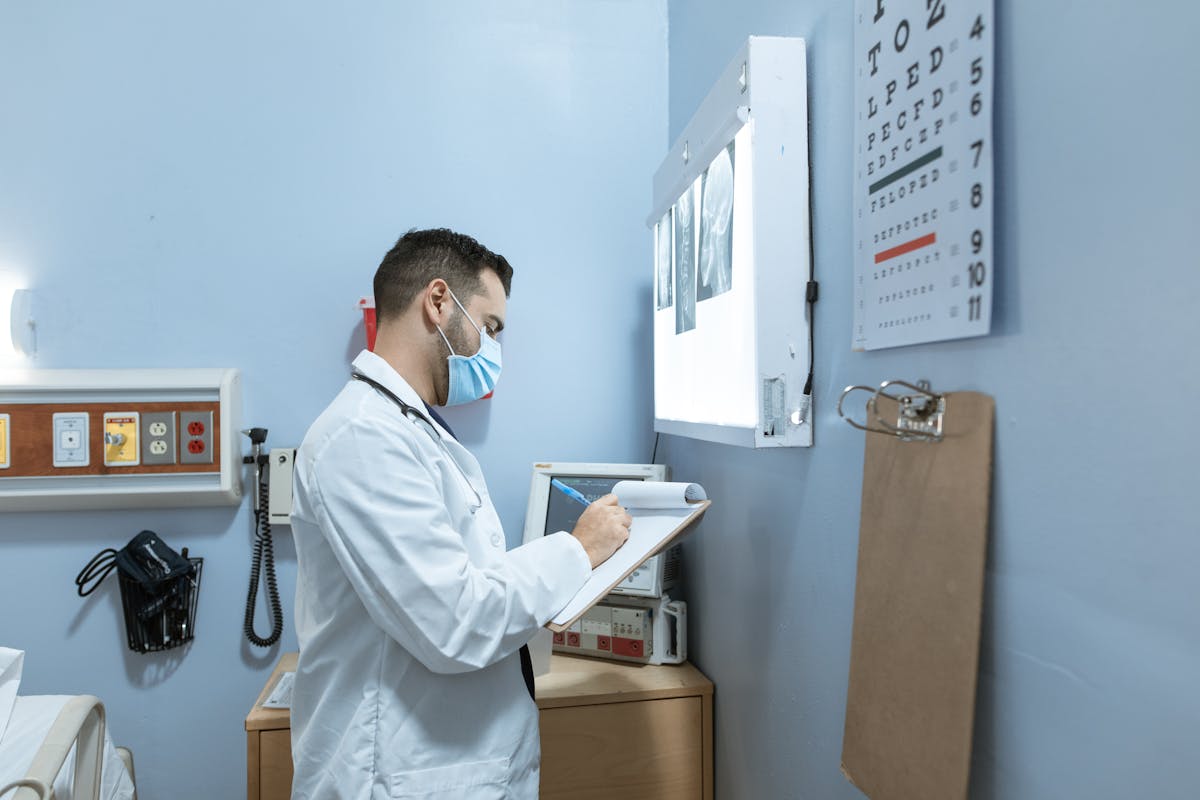
How Is Pneumonia Treated Today—and What Are the Limits?
Modern medicine offers powerful tools, but each comes with limits. Treatment is tailored to the person’s age, other illnesses, and how sick they are when they present.
Core components of treatment
- Antibiotics for suspected or confirmed bacterial pneumonia, often started quickly, sometimes even before a specific germ is identified.
- Antivirals for influenza or COVID-19 when appropriate, ideally early in the illness.
- Oxygen therapy by nasal cannula, mask, or high-flow systems to maintain safe oxygen levels.
- Supportive care such as fluids, fever control, breathing treatments, and careful monitoring.
- ICU care and ventilation for severe cases, including mechanical ventilation or, rarely, ECMO (a heart–lung bypass machine).
Why treatment sometimes isn’t enough
Even in top-level hospitals, some patients don’t survive pneumonia because:
- The infection has already caused overwhelming damage before they arrive.
- The immune system is too weak or the body is too frail to recover.
- They develop sepsis or multi-organ failure.
- The infection is caused by highly resistant bacteria or an aggressive virus.

A Real-World Story: When “Just a Cough” Isn’t Just a Cough
A retired teacher in her late 70s—let’s call her Maria—developed what seemed like a stubborn winter cold. She had a mild cough, felt more tired than usual, and didn’t want to eat much. She never had a high fever, so she decided to “wait it out.”
Over several days, Maria became more short of breath walking to the bathroom. Her family noticed she seemed unusually confused and sleepy. By the time she arrived in the emergency department, her oxygen level was dangerously low, and chest imaging showed a large pneumonia.
Doctors started antibiotics, oxygen, and fluids right away. She was admitted to the ICU. Thankfully, Maria survived—but she spent weeks regaining her strength in rehabilitation and never quite returned to her previous level of independence.
Stories like Maria’s are common. They highlight several obstacles:
- Symptoms in older adults are often subtle or atypical.
- Many people delay seeking care, hoping symptoms will pass.
- Even with correct treatment, recovery in older or frail adults can be slow and incomplete.
What You Can Do: Evidence-Based Ways to Lower Your Risk
While no strategy can guarantee you’ll never get pneumonia, several steps—supported by strong research—can dramatically reduce your risk of severe illness and death.
1. Stay up to date on vaccines
Vaccines don’t prevent every case of pneumonia, but they substantially lower the risk of severe disease, hospitalization, and death.
- Pneumococcal vaccines (to prevent infections from Streptococcus pneumoniae) for adults 65+ and younger adults with certain health conditions.
- Annual flu shot to prevent influenza, a major cause of viral pneumonia and a trigger for secondary bacterial pneumonia.
- COVID-19 vaccination and recommended boosters, especially for older adults and high-risk groups.
- In some regions, RSV vaccines are recommended for older adults and certain high‑risk individuals.
2. Protect your lungs and immune system
- Don’t smoke, and seek support if you’re trying to quit—smoking damages lung defenses and increases pneumonia risk.
- Manage chronic conditions (like diabetes, COPD, and heart disease) with regular follow‑up.
- Stay physically active within your limits to keep your lungs and muscles stronger.
- Prioritize sleep, good nutrition, and stress management—these all support your immune system.
3. Act early when symptoms appear
Early evaluation can mean the difference between a mild illness and a life‑threatening one.
- Have a low threshold to contact a healthcare professional if you or a loved one has a new cough with shortness of breath, chest pain, or high fever.
- For older adults, pay attention to subtle signs like confusion, loss of appetite, or sudden weakness.
- Use home pulse oximeters with guidance from a clinician if recommended for monitoring high‑risk patients.

Pneumonia Recovery: Before and After
Even when people survive pneumonia, the impact can be long‑lasting—especially for older adults.
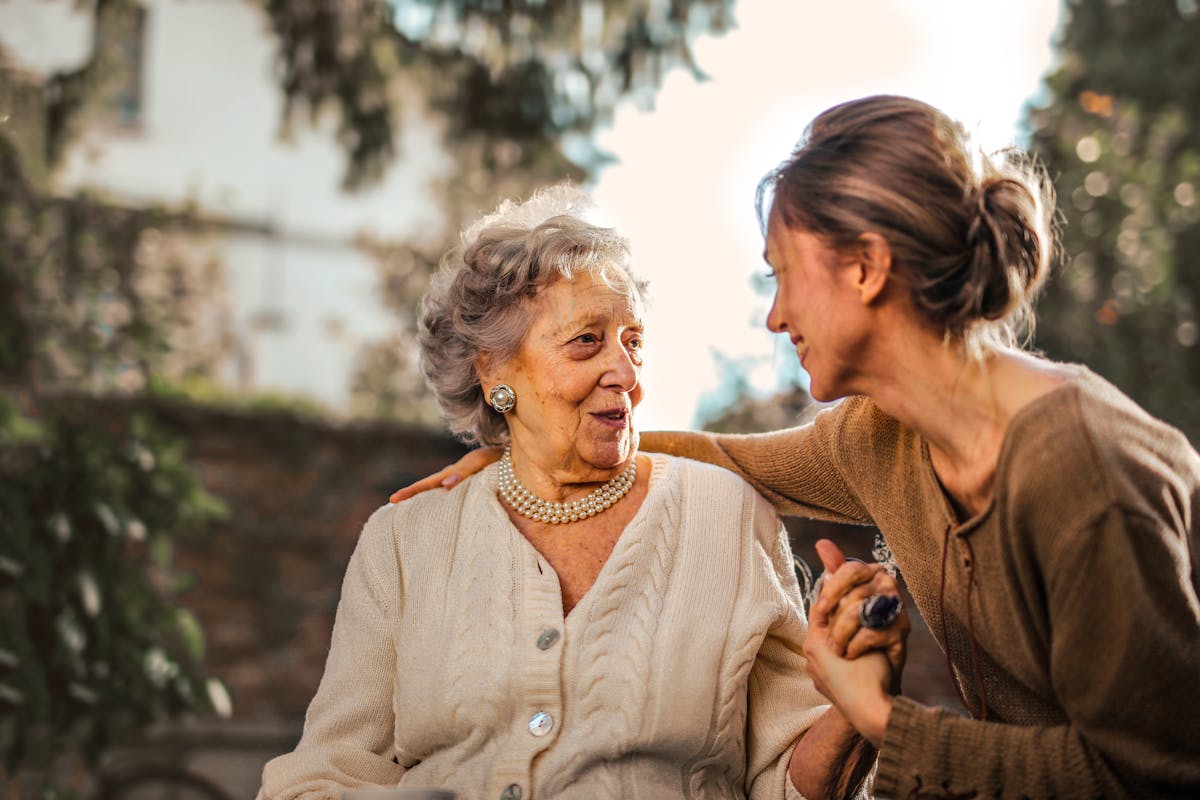

It’s common to experience fatigue, shortness of breath with activity, and reduced exercise capacity after discharge. Pulmonary rehabilitation, gentle activity, and follow‑up with your healthcare team can help recovery—but prevention remains far easier than regaining lost function.
What the Science Says (in Plain Language)
Large studies consistently show:
- Older age, chronic illness, and frailty are the strongest predictors of death from pneumonia.
- Pneumococcal and influenza vaccines significantly reduce the risk of severe disease and hospitalization in older adults.
- Early recognition and appropriate antibiotics lower mortality in bacterial pneumonia, but do not eliminate it.
- Global pneumonia deaths are declining in some regions due to vaccines and better child health, yet remain high among the very young and very old.
For readable, up‑to‑date information, you can explore:
Bringing It Together: Realistic Hope, Not False Promises
People still die of pneumonia—not because medicine has failed completely, but because infection meets vulnerability in ways that even advanced technology can’t always overcome. At the same time, we’re far from powerless.
By understanding your personal risk, staying current on vaccines, managing chronic conditions, and seeking care early when symptoms arise, you can meaningfully tilt the odds in your favor or in favor of those you care for.
If pneumonia has touched your life, know that your questions and worries are valid. Use that concern as fuel to:
- Schedule a conversation with your healthcare provider about pneumonia risk and vaccines.
- Make a simple plan with family members about when to seek urgent help for breathing issues.
- Take one small step this week—like a vaccine appointment or smoking‑cessation support—that protects your lungs for the long term.
You may not be able to control every outcome, but you can take informed, practical steps that genuinely reduce the chances that pneumonia will become a life‑threatening crisis.
