
The Hidden “Brain‑Eating” Threat in Our Water: What Naegleria Fowleri Really Means for Your Everyday Life
Invisible Threats in Our Water: The Truth About “Brain‑Eating” Amoebae
Hearing the phrase “brain‑eating amoeba” is enough to make anyone think twice about jumping into a lake or turning on the tap. Recent scientific reports, including coverage in SciTechDaily, have renewed concerns about free‑living amoebae like Naegleria fowleri that can survive in warm water systems worldwide and, in extremely rare cases, cause deadly brain infections. The good news: you can dramatically reduce your already tiny risk with a few practical habits—without giving up the water activities and travel you love.
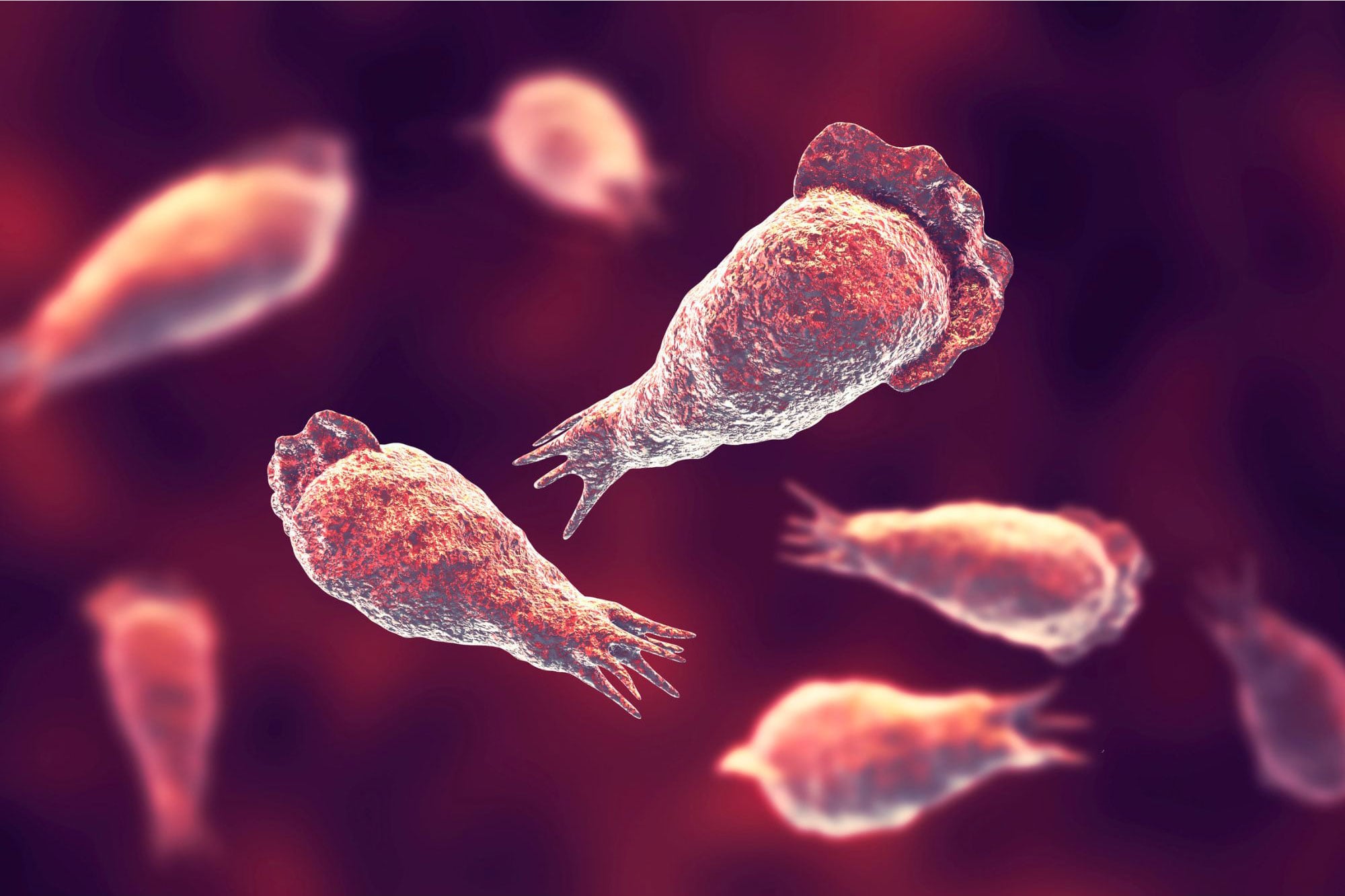
I’ve worked with families who were terrified to let their kids swim after reading sensational headlines. Once we walked through what the data actually show, most felt comfortable getting back in the water—with a few smart precautions. That’s the balance this guide aims to offer you as well: clear science, realistic risk, and actionable protection.
What Are Free‑Living Amoebae and Why Are Scientists Worried?
Free‑living amoebae are microscopic organisms that live independently in the environment—especially in warm freshwater and some man‑made water systems. Unlike parasites that need a host, these amoebae can thrive in:
- Warm lakes and rivers, especially during hot weather
- Hot springs and geothermal pools
- Poorly maintained swimming pools or splash pads
- Drinking water systems with inadequate disinfection
- Household plumbing, water heaters, and pipes with low chlorine
Among them, Naegleria fowleri has earned the nickname “brain‑eating amoeba” because it can, in rare cases, travel up the nose, reach the brain, and cause a severe infection called primary amebic meningoencephalitis (PAM). SciTechDaily’s latest coverage highlights growing concern that as water systems warm and infrastructure ages, opportunities for these microbes to persist may increase.
“These amoebae are environmental survivors. They tolerate changing temperatures and disinfectant levels and can even shelter other pathogens, creating a kind of microbial ‘safe house’ inside water systems.”
— Water Microbiology Researcher, paraphrased from recent literature
The concern isn’t only the direct infection risk. Some free‑living amoebae can harbor other dangerous microbes—like certain bacteria—helping them persist in pipes and biofilms where standard disinfection struggles to reach.
How Common Are “Brain‑Eating” Amoeba Infections Really?
Headlines can make it sound like “brain‑eating amoebae” are everywhere and that infection is almost inevitable. The reality, according to public health agencies like the U.S. Centers for Disease Control and Prevention (CDC), is very different:
- Infections are extremely rare compared with how often people swim in lakes and rivers.
- In the U.S., only a handful of Naegleria fowleri cases are reported each year, despite millions of recreational water exposures.
- Most cases are linked to warm freshwater in southern states, though cases have occurred farther north as temperatures rise.
Unfortunately, when infections do occur, they are often severe and frequently fatal, even with aggressive treatment. This is why scientists and clinicians take the threat seriously, even though the odds for any one person are extremely low.
Scientifically, the renewed interest highlighted by outlets like SciTechDaily reflects changing environmental conditions (warming water) and aging infrastructure, not an immediate global emergency. Researchers are trying to stay ahead of potential future problems while the absolute risk today remains very low.
How Naegleria Fowleri Infects: What Actually Has to Happen
Understanding how infection happens is empowering, because it shows where your choices make a real difference. For Naegleria fowleri, several conditions must line up:
- Warm freshwater is present – typically above 30 °C (86 °F), often in lakes, rivers, or hot springs.
- The amoeba is in that water – not all warm freshwater contains Naegleria.
- Water forcefully enters the nose – from jumping, diving, water sports, or using contaminated water for nasal rinses.
- The amoeba travels along the olfactory nerve – moving from the nasal passages into the brain.
Importantly, you cannot get this infection by:
- Drinking contaminated water
- Casual contact with an infected person
- Swimming in properly chlorinated and well‑maintained municipal pools
Other free‑living amoebae (like Acanthamoeba and Balamuthia) can cause eye or skin infections or different types of brain infection, often in people with medical vulnerabilities. These have different exposure routes, but the guiding principle is the same: intact skin and mucous membranes are excellent defenders when we avoid forcing contaminated water where it shouldn’t go.
Early Symptoms: When to Seek Urgent Medical Help
Naegleria fowleri infection usually begins 1–12 days after exposure, most often within about a week. Early symptoms can resemble common viral meningitis, which is one reason diagnosis is so challenging:
- Sudden, severe headache
- Fever
- Nausea and vomiting
- Stiff neck
As the disease progresses, people may develop:
- Confusion or behavior changes
- Loss of balance
- Seizures
- Hallucinations
If someone develops these symptoms after swimming or diving in warm freshwater, rapid evaluation in an emergency department is essential. While PAM is rare, early suspicion can prompt infectious disease consultation and aggressive treatment, which may improve outcomes in some cases.
Practical Ways to Reduce Your Risk Without Giving Up Swimming
You cannot completely eliminate environmental microbes, but you can significantly reduce the circumstances that let Naegleria fowleri reach your brain. Public health guidance focuses on a few simple behaviors:
1. Protect Your Nose in Warm Freshwater
- Avoid getting water up your nose when swimming in warm freshwater lakes, ponds, or rivers.
- Use nose clips or keep your head above water, especially when water is warm and levels are low.
- Avoid diving, jumping, or submerging your head in untreated warm freshwater.
2. Be Selective About Where You Swim
- Prefer well‑maintained, properly chlorinated pools over untreated warm freshwater, especially for young children.
- Check local health advisories about water quality and closures.
- Be extra cautious in very warm weather or in shallow, stagnant areas where water heats up quickly.
3. Use Safe Water for Nasal Rinsing
Neti pots and nasal irrigation can be very helpful for sinus health—but only when used safely.
- Use only:
- Sterile or distilled water, or
- Boiled and cooled tap water (boil for at least 1 minute; 3 minutes at higher altitudes).
- Never use unboiled tap water, lake water, or other untreated sources for nasal rinsing.
4. Maintain Home Water Systems Carefully
- Follow manufacturer guidelines for home water filters and replace cartridges on schedule.
- Keep hot water heaters at temperatures recommended by local safety guidelines (balancing scald risk with microbial control).
- If you use private wells, test water regularly and maintain disinfection systems as advised by local health departments.
Fear vs. Freedom: Common Concerns and How to Navigate Them
When families learn about “brain‑eating amoebae,” the emotional reaction can be intense. I often hear:
- “Should we stop lake swimming altogether?”
- “Is tap water safe for my kids’ baths?”
- “Do I need to boil all our drinking water?”
It helps to separate realistic precautions from unnecessary restrictions:
Bathing and Showers
Routine bathing and showering with treated municipal water are considered safe. The key is avoiding forceful water up the nose:
- Discourage children from snorting or playing games that push bath water up their noses.
- Avoid directing high‑pressure shower heads straight into the nostrils.
Everyday Tap Water
In most high‑ and middle‑income countries, treated tap water is safe to drink with respect to Naegleria fowleri. The main concern is using tap water improperly for nasal rinses or other procedures where water bypasses normal defenses.
Travel and Hot Springs
Natural hot springs and warm freshwater in some regions may carry higher risk. When traveling:
- Check local health advisories about recreational water safety.
- If in doubt, avoid submerging your head in untreated hot springs or warm lakes.
- Follow posted signs—closures and warnings are there for a reason.
The Bigger Picture: Water Systems, Climate, and Public Health
SciTechDaily’s recent article emphasizes that concerns about free‑living amoebae are not only about individual behavior—there’s a broader systems story unfolding:
- Warming climates mean more bodies of water reach temperatures where Naegleria thrives.
- Aging pipes and infrastructure can create “dead zones” in water systems where disinfectant levels drop.
- Biofilms (slimy layers inside pipes) can shelter amoebae and the pathogens they host.
Researchers are developing better surveillance tools to detect these organisms in water systems and studying how to optimize disinfection without creating harmful by‑products. Some are exploring how amoebae act as “training grounds” that may make bacteria more resistant to certain stresses.

For most readers, the actionable takeaway is to support investments in safe water infrastructure, stay informed about local water quality reports, and participate in community discussions about upgrades and monitoring.
A Real-World Example: From Panic to Practical Precaution
A few summers ago, a family I worked with saw a viral headline about a child who died from a “brain‑eating amoeba” after swimming. They lived near a warm lake and immediately cancelled all planned outings. Their kids were devastated.
Together, we walked through:
- The actual case numbers and how rare infections are.
- The specific conditions that allow infection (warm freshwater, water up the nose).
- Simple prevention steps: nose clips, avoiding diving, choosing deeper or cooler areas, and favoring chlorinated pools during heat waves.
The family decided to keep lake visits—but with clear rules:
- No diving or flipping off docks in shallow, warm areas.
- Nose clips for all kids who put their heads under water.
- Switching to the community pool during the hottest weeks of summer.
They regained the joy of summer while still honoring the reality of the risk. That kind of informed choice, grounded in evidence, is exactly what scientists hope public awareness will lead to.
Before and After: What Changes When You Apply These Strategies

The goal is not to create a bubble around yourself or your children. It’s to shift from generalized fear to specific, effective habits:
- You keep swimming and traveling.
- You adjust how and where you enter warm freshwater.
- You use safe water for nasal rinses and follow local water guidance.
What the Science Says: Evidence and Expert Views
The concerns raised in outlets like SciTechDaily are grounded in a growing body of research on Naegleria fowleri and other free‑living amoebae. Key themes from recent scientific work include:
- Ecology and distribution: Mapping where these amoebae are found as climates warm.
- Water system resilience: Studying which treatment strategies most effectively reduce risk.
- Host–pathogen interactions: Understanding why only some exposures lead to disease.
- Improved diagnostics and treatments: Exploring combination drug therapies and supportive care strategies.
For in‑depth, up‑to‑date information, see:
- CDC – Naegleria fowleri (Brain-Eating Amoeba)
- World Health Organization – Drinking-water
- SciTechDaily – Coverage of emerging waterborne threats and free-living amoebae
“The absolute risk to individuals remains low, but these organisms are a valuable early‑warning signal about how our water systems are coping with environmental change.”
— Environmental Health Scientist, summarizing current consensus
Your Personal Action Plan: Simple Steps to Start Today
You don’t need to overhaul your life to take Naegleria fowleri seriously. You can start with a few focused actions:
- Set family water rules
- No forcing water up the nose during baths, showers, or lake play.
- Use nose clips for head‑submersion in warm freshwater.
- Audit your nasal care routine
- Switch to sterile, distilled, or boiled‑then‑cooled water for all nasal rinses.
- Check your local water information
- Look up your municipality’s water quality reports and recreational water advisories.
- Share balanced information
- When friends share alarming stories, offer context: infections are rare, and targeted precautions help.
Moving Forward: Stay Curious, Stay Cautious, Stay Active
Free‑living amoebae like Naegleria fowleri are a reminder that our relationship with water is both life‑giving and complex. Scientists are right to take them seriously, especially as climate and infrastructure change. But “serious” does not mean “hopeless” or “helpless.”
With a handful of practical habits—especially protecting your nose in warm freshwater and using safe water for nasal rinses—you can dramatically reduce your already small risk while still enjoying swimming, travel, and outdoor life.
As you finish reading, consider one concrete step you’ll take this week: buying nose clips for lake days, checking your local water report, or updating how you use your neti pot. Those small decisions, repeated over time, are how informed individuals and communities turn emerging science into everyday safety.
Your next step: choose one water activity you love, review how to make it safer using what you've learned here, and share that knowledge with someone close to you.
