
Golden Retriever Puppy Hits Reverse: What This Adorable Video Teaches Us About Puppy Development
Early puppyhood is full of clumsy, curious, and hilarious moments, like a now-viral video of a Golden Retriever puppy that “hits reverse” after failing to turn around in a narrow space. Instead of pivoting, the puppy simply backs up—slowly, carefully, and adorably—until it’s free again.
It’s the kind of clip that makes millions of people smile, but for pet parents, it’s also a gentle reminder: these tiny, awkward moments are how puppies learn about their bodies, their environment, and us. In this article, we’ll unpack what this kind of behavior really means, how to support your own puppy’s development, and how to safely enjoy and even film those funny, heartwarming milestones without stressing your pup.

The Yahoo-shared clip of the Golden Retriever puppy backing up instead of turning around is relatable for anyone who’s raised a young dog. Puppies often improvise their way through new situations: a tight corner, a slippery floor, or a confusing path can all trigger that cautious “reverse” instead of a smooth U-turn.
“What looks silly to us is often a perfectly sensible solution from the puppy’s point of view. They’re problem-solving with the limited experience and coordination they have.”
— Dr. Lena Morales, DVM, fear-free certified veterinarian
Why Did the Golden Retriever Puppy Hit Reverse?
The “reverse gear” moment is more than a gag—it’s a snapshot of normal puppy development. Puppies are still figuring out:
- Spatial awareness: How big their body is and how much room they need to turn.
- Balance and coordination: Their muscles and joints are still developing fine control.
- Problem-solving: They’re testing solutions—forward, backward, or sideways—to get unstuck.
- Confidence: New or tight spaces can feel strange; backing out can feel safer than turning.
In many cases, a puppy will choose the “least scary” option. If turning feels wobbly or the floor is slick, backing up is a cautious, logical choice—even if it looks comical to us.
The Science Behind Those Clumsy Puppy Moves
Early puppyhood (roughly 8–16 weeks) is a critical developmental window. What looks like random silliness is actually the brain and body learning to work together.
- Rapid brain development: Neural pathways are forming quickly. Repeated experiences—like navigating a hallway—help “wire” those pathways more efficiently.
- Developing proprioception: Proprioception is the sense of where the body is in space. Puppies are still fine-tuning this, which is why they misjudge gaps, corners, and their own size.
- Learning from trial and error: Research in animal behavior shows that animals remember successful solutions. If backing up works without causing a fall, the puppy may reuse that strategy.
- Emotional learning: The emotional tone of experiences matters. Calm, low-stress exploration builds confidence; scary, overwhelming moments can create long-lasting fears.
Studies in canine cognition consistently suggest that dogs are excellent at adapting their behavior when they feel safe and supported. That’s where you come in as the guardian and guide.
A Real-Life Parallel: Milo the “Reverse Only” Rescue Pup
When I fostered Milo, a 10-week-old mixed-breed puppy, he had a similar “reverse only” strategy. Any time he walked into a narrow hallway or under a chair, he would freeze, stare ahead, and slowly back out like a tiny truck with invisible beepers.
Over a few weeks of gentle guidance:
- We added non-slip rugs to help his footing.
- We used treats to encourage small, confident turns.
- We stayed calm and never forced him deeper into tight spaces.
By the time he was adopted, Milo was confidently weaving through chair legs and doorways. The “reverse” phase turned into an important chapter in building his trust and body awareness.
Personal stories like Milo’s mirror what we see in videos of Golden Retriever puppies online: awkward beginnings that, with patience and support, grow into confident adulthood.
How to Support Your Puppy Through These Awkward Stages
Viral videos are fun, but your own puppy needs more than laughs—they need structure, safety, and encouragement. Here are evidence-based, practical steps you can take.
1. Create a Safe, Non-Slip Environment
- Use rugs or yoga mats on slick floors to prevent slips and falls.
- Block off very narrow spaces where your puppy could get stuck.
- Keep pathways clear of bags, cords, and clutter.
2. Encourage Gentle Exploration
- Let your puppy explore rooms at their own pace—no dragging on the leash or pushing from behind.
- Use tiny treats or toys to lure them through doorways and around corners.
- Reward curiosity with praise and calm affection.
3. Use Positive Reinforcement Training
Positive reinforcement (rewarding desired behavior) is backed by strong evidence as an effective, welfare-friendly training method.
- Mark the behavior you like (a brave step forward, a small turn) with a cheerful “yes!” or click.
- Immediately follow with a small treat or a quick play session.
- Keep sessions short (2–3 minutes) and end on a success.
Is Your Puppy Just Being Goofy—or Stressed?
Not every funny moment is harmless. The same backward shuffle that made the Golden Retriever puppy viral could, in other contexts, signal uncertainty or anxiety.
Signs Your Puppy Is Just Playing or Exploring
- Loose, wiggly body.
- Soft eyes and ears in a neutral or slightly perked position.
- Tail gently wagging at mid-height.
- Quick recovery—your puppy returns to exploring or playing after backing up.
Signs Your Puppy Might Be Anxious or Overwhelmed
- Tucked tail or cowering body posture.
- Whining, yelping, or repeated attempts to escape.
- Refusing to move forward even with treats.
- Panting, lip licking, or yawning in a non-tired context.
If you regularly see stress signals, scale back the challenge. Make spaces wider, quieter, or less crowded, and build up gradually.
Filming Viral-Worthy Moments Without Stressing Your Puppy
It’s natural to want to capture your puppy’s “reverse gear” moment for friends or social media. You can do that responsibly by putting welfare first.
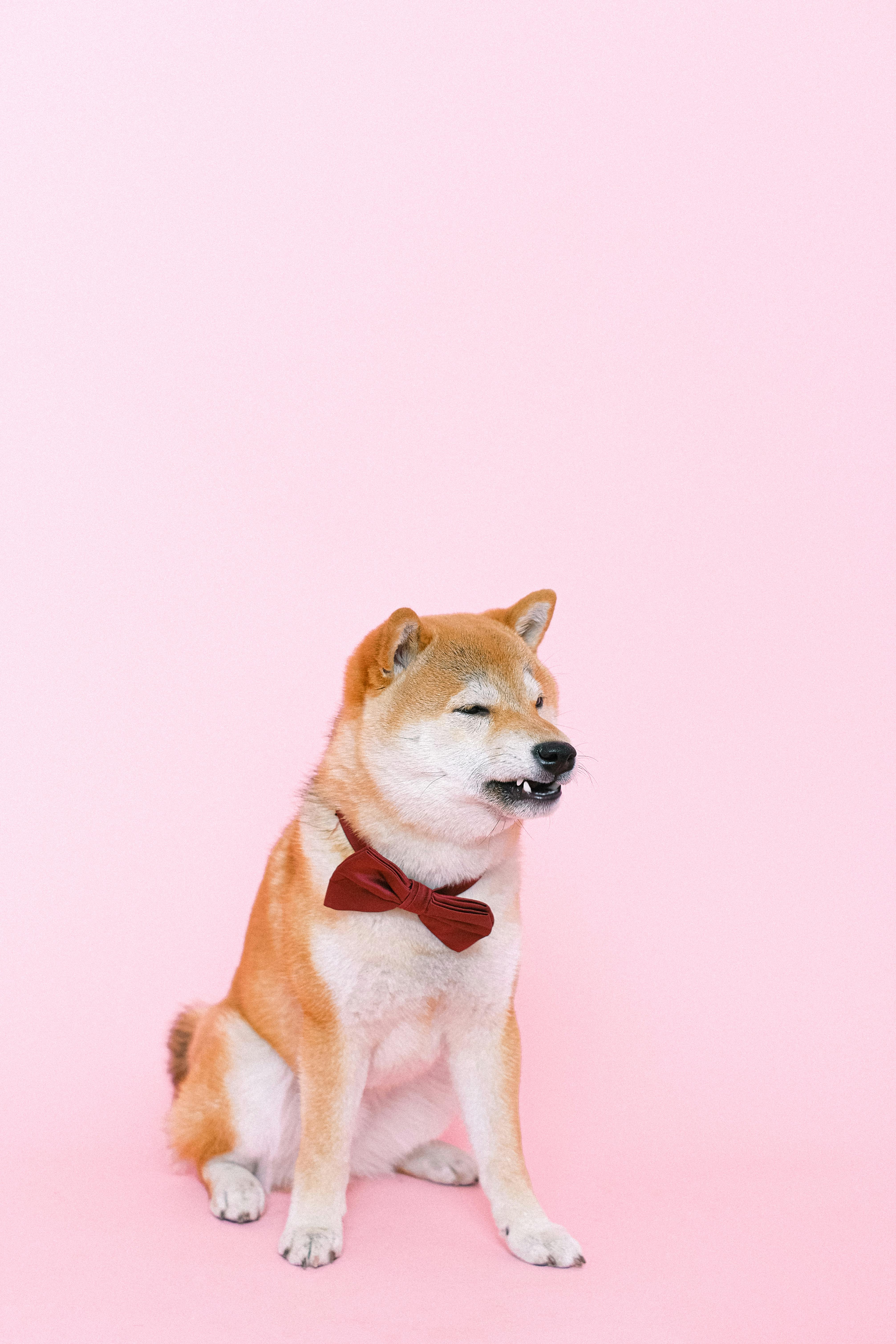
- Never set up dangerous “stunts.” Don’t trap your puppy in tight spaces or on slippery surfaces just for a laugh.
- Watch for stress. If your puppy looks worried, stop filming and help them out.
- Keep sessions short. A quick clip is fine; repeated takes can be tiring or confusing.
- Respect consent-like cues. If your puppy repeatedly tries to move away, give them space.
“Cute content should never come at the cost of an animal’s comfort or safety. A relaxed, happy puppy makes for the best videos anyway.”
— Sarah Ng, CPDT-KA, certified professional dog trainer
From Wobbly to Confident: A Before-and-After Look
With time and supportive handling, most puppies outgrow their clumsy navigation and backward escapes. Here’s a simple “before and after” comparison to show what progress can look like.
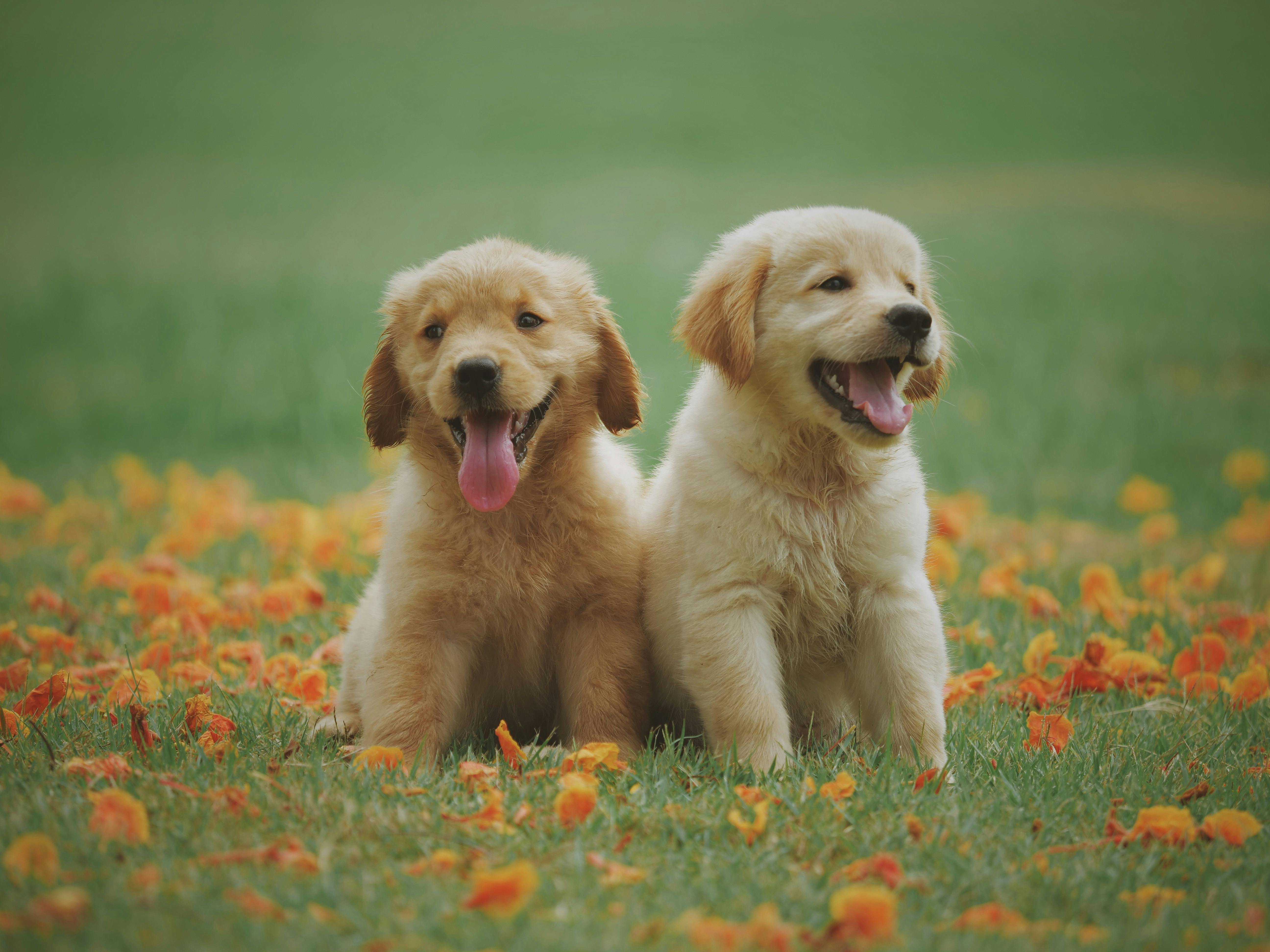
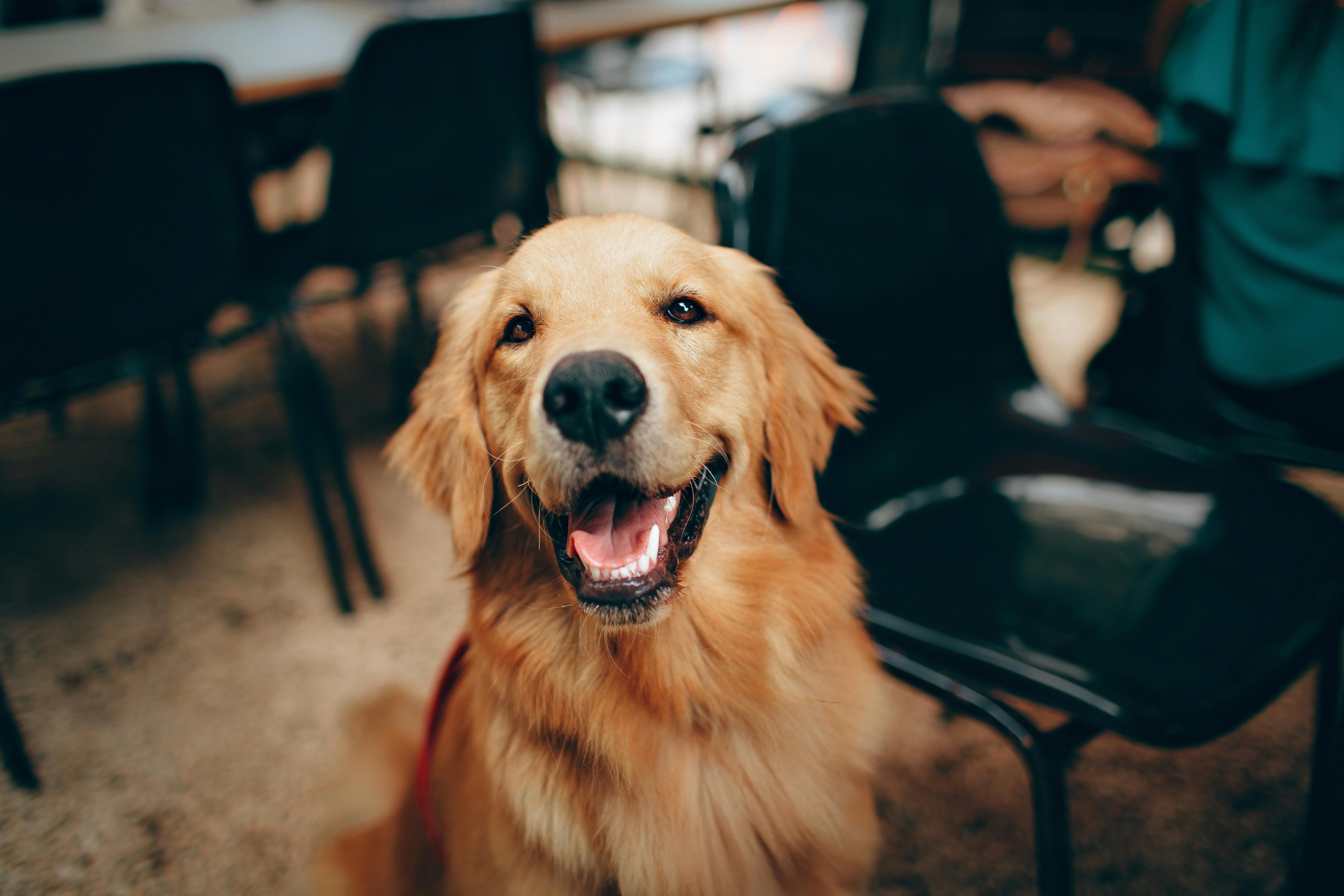
There’s no exact timeline for this transition. Genetics, environment, and individual temperament all play a role. What you can reliably influence is how safe, supported, and gently challenged your puppy feels along the way.
Bonus Tips: Making the Most of the Puppy Phase
Those weeks when your puppy backs up instead of turning around will fly by. Here are a few ways to make the most of them.
When to Relax—and When to Call the Vet or Trainer
Most of the time, behaviors like backing up, tripping, or hesitating in new spaces are just part of normal growth. Still, it’s important to know when to seek help.
Generally Normal (Monitor and Support)
- Occasional clumsiness or misjudged turns.
- Backing out of tight or unfamiliar spaces now and then.
- Improving coordination over weeks and months.
Worth a Professional Check-In
- Frequent stumbling, falling, or walking in circles.
- Sudden changes in movement or coordination.
- Ongoing fear of everyday spaces despite gentle training.
- Signs of pain: yelping, limping, or reluctance to move.
If you’re unsure, it’s always reasonable to ask your veterinarian for guidance. Early intervention—when needed—can protect your puppy’s long-term health and comfort.
Enjoy the Reverse Gear: Cherishing and Supporting Puppyhood
The Golden Retriever puppy who adorably “hits reverse” after failing to turn around is more than a meme; it’s a reminder of how new, confusing, and exciting the world feels to our dogs at the start of their lives. Those awkward steps—forward or backward—are how they learn to move, cope, and trust.
You don’t have to be a professional trainer to help your puppy thrive. With a safe home, patient guidance, positive reinforcement, and timely veterinary care, you can turn these clumsy moments into a strong foundation for a confident, happy adult dog.
Your next step:
- Look around your home and make one small change today—like adding a non-slip mat or clearing a pathway—to support your puppy’s movement.
- Capture a short video of your puppy exploring, just for you, and notice how they problem-solve in real time.
- If you have concerns about their coordination or confidence, jot them down and schedule a chat with your vet or a certified trainer.
One day, you’ll look back on these “reverse gear” days with a mix of laughter and gratitude—for the journey you and your dog took together, one wobbly step at a time.
