
The Casual Comment That Cut Deep: What Twin Pregnancy Taught Me About Body Shaming
A stranger’s offhand joke about me “having twins” landed like a punch to the gut, not because he meant harm, but because he had no idea what my body — and my heart — were actually carrying. This article explores how casual comments about pregnancy bodies can reopen invisible wounds, what twin parents and pregnant people wish others knew, and how we can all speak with more kindness and care.
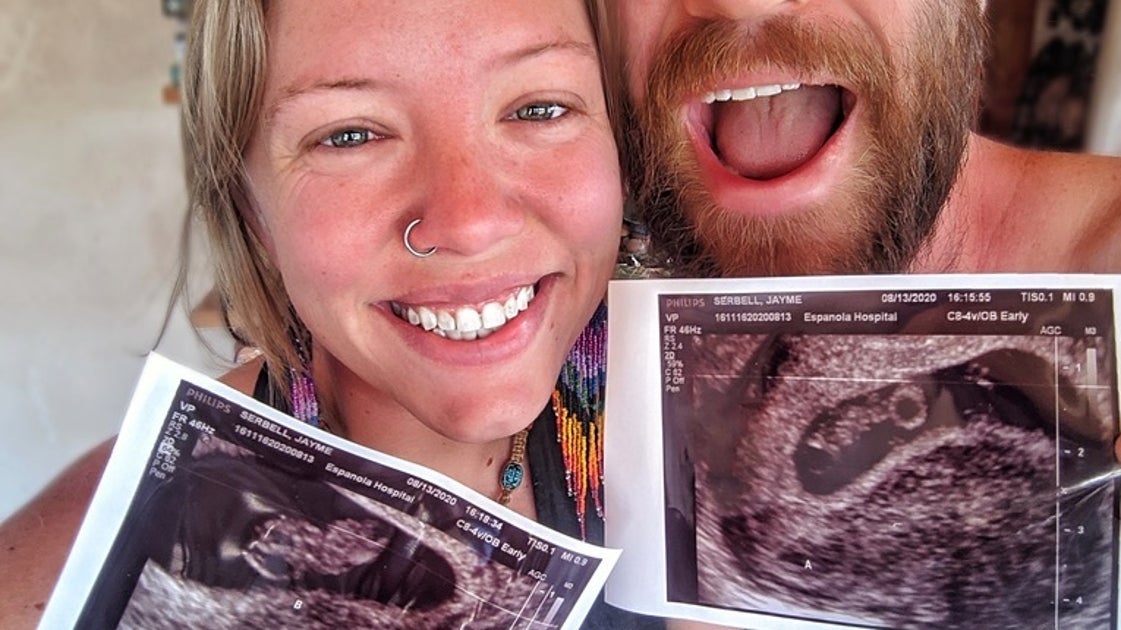
When A “Joke” About My Body Wasn’t Funny At All
“Hey, you got twins in there, or what?”
The bus driver called this out with a friendly wave, the kind of casual, harmless joke many pregnant people hear. On the outside, I managed a polite smile. On the inside, it felt like the air had been knocked out of me. He didn’t know that I really was carrying twins. He didn’t know how complicated that truth was for me — or how closely his joke brushed against old grief and fresh fear.
Experiences like this are common and rarely talked about. We’re told pregnancy is all glow and gratitude, but for many people — especially those pregnant with twins or after fertility struggles or loss — comments about body size can land in painfully unexpected ways.
“I’ve learned firsthand that the way a body looks rarely tells the whole story.”
Below, we’ll explore why these comments cut so deeply, what science says about pregnancy, body image, and mental health, and how to support expecting parents — including those pregnant with multiples — with genuine care instead of casual commentary.
The Hidden Weight Behind Casual Comments
Jokes like “Are you sure it’s not twins?” are often said with a smile. But research shows that appearance-focused comments — even when framed as compliments or humor — can increase body dissatisfaction and stress during pregnancy.
Twin pregnancies add another layer. They often come with:
- More rapid and visible body changes
- Higher medical risk, which can intensify anxiety
- More frequent appointments, scans, and monitoring
- Increased physical discomfort and fatigue
When you’re already worrying about preterm birth, fetal growth, or your own health, a stranger’s comment about how “huge” you look can feel less like a joke and more like a judgment — of your body, your pregnancy, or your worth.
“Every time someone commented on my size, it was like they were staring straight at my fears — that my body was too much, not enough, or somehow failing my babies.” — Case study from a twin parent support group
A Personal Story: Carrying Twins And Carrying Old Wounds
In the HuffPost personal essay that inspired this reflection, the author describes finding out she was pregnant with twins after previous pregnancy loss. Her belly grew quickly, drawing attention — and commentary — from people who saw only the visible story.
For her, each comment was layered:
- The visible layer: a joke about her size or speculation about twins.
- The private layer: the fear of something going wrong again.
- The grief layer: memories of a pregnancy that hadn’t made it this far.
That day at the bus stop, the stranger’s question accidentally named her reality — a reality still tender, still vulnerable, and still deeply personal. His tone was light; her reaction, understandably, was not.
Why Comments About Pregnancy Size Can Hurt So Much
From a psychological and physiological standpoint, there are clear reasons why appearance-focused remarks can be painful during pregnancy — especially a twin pregnancy.
1. Pregnancy Already Changes Your Sense Of Control
Hormones, fluid shifts, and uterine growth change your body rapidly. In a twin pregnancy, those changes are often faster and more pronounced. You may feel:
- Less physically mobile
- More visible in public spaces
- Less like your “old self”
When someone comments on your size, it can amplify that loss of control. Your body stops feeling like yours alone and becomes public property for opinions and jokes.
2. Comments Can Trigger Old Body Image Struggles
Many people enter pregnancy with a history of dieting, weight stigma, or disordered eating. Research indicates that pregnancy can be a vulnerable time for relapse of body image concerns. Add continuous feedback — “You’re huge!” “You’re tiny!” “Are you sure there’s only one?” — and it can be destabilizing.
3. They Often Ignore The Medical Reality Of Twin Pregnancies
Twin pregnancies are medically different. There may be:
- Higher risk of complications like preeclampsia or gestational diabetes
- Strict weight-gain recommendations from healthcare providers
- Regular monitoring of fetal growth and amniotic fluid
When someone jokes about your size, they’re commenting on something your medical team is already watching carefully — often without understanding the stakes.
4. They Can Overstep Emotional Boundaries
Not everyone sharing a pregnancy belly is in the same emotional place. Some are joyful. Others are anxious, grieving, or ambivalent. An uninvited comment assumes you’re ready to laugh, explain, or share, when you might simply be trying to get through your day.
What The Science Says About Pregnancy, Body Image, And Mental Health
While every pregnancy is unique, several consistent findings have emerged in recent research:
- Body image often worsens during pregnancy for people who already had high appearance concerns before conceiving. This can persist into the postpartum period.
- Social feedback about appearance – including family, friends, and strangers – plays a major role in how pregnant people feel about their bodies.
- Mental health risks such as anxiety, depression, and perinatal mood and anxiety disorders (PMADs) can be intensified by ongoing criticism or “teasing” about weight or size.
- Supportive communication – focusing on health, capability, and emotional support rather than appearance – is associated with better mental health outcomes.
Practical Strategies If Comments About Your Pregnancy Body Are Hurting You
You can’t control what strangers say, but you can protect your emotional space. Here are evidence-informed, practical steps that many pregnant people — including those with twins — have found helpful.
1. Prepare Simple, Boundaried Responses
Having a few ready-made phrases can make these moments less overwhelming. Depending on your energy level and relationship, you might try:
- “My doctor and I are happy with how things are going, thanks.”
- “We’re focusing on keeping the babies and me healthy.”
- “I’m not really up for talking about my body today.”
You don’t owe anyone your medical history, your loss history, or an explanation of why their comment hurt.
2. Recenter On Function, Not Appearance
Cognitive-behavioral and self-compassion approaches often encourage shifting attention from “How do I look?” to “What is my body doing for me and my babies?”
You might gently remind yourself:
- “My body is growing two humans at once. That is extraordinary.”
- “Size is not a moral value. Health is more than a number or a shape.”
- “I can be grateful for what my body is doing even on days I don’t love how it looks.”
3. Curate Your Circle
Shared experience can be profoundly validating. You may find comfort in:
- Online or in-person twin pregnancy or multiples groups
- Therapists specializing in perinatal mental health
- Friends or family who respect boundaries and avoid weight talk
4. Set Gentle Social Media Boundaries
Social media can worsen comparison and body anxiety. Consider:
- Muting or unfollowing accounts that focus on “bouncing back” or idealized bump photos
- Following accounts that show diverse, realistic pregnancy and postpartum bodies
- Limiting time spent reading comment sections on pregnancy content
How To Talk To Someone Who’s Pregnant (Including With Twins) Without Hurting Them
If you’re on the other side of these interactions — a friend, family member, coworker, or well-meaning stranger — you may worry about saying the wrong thing. That’s a good sign; it means you care.

Say This More Often
- “How are you feeling about everything?”
- “What kind of support would feel good for you right now?”
- “You don’t have to talk about the pregnancy if you don’t want to.”
- “I’m really impressed by how you’re handling so much.”
Avoid These Common Pitfalls
- Comments about size: “You’re enormous!” “You barely look pregnant!”
- Speculation: “Are you sure it’s not twins?” “Are you having triplets?!”
- Unsolicited comparisons: “My bump was way bigger/smaller at your stage.”
- Fear stories: “My cousin had twins and it was a nightmare…”
“If you’re tempted to say something about a pregnant person’s body, pause and ask yourself: Will this comment help them feel safer, more supported, or more respected?” — Perinatal mental health clinician
Quick Reference: Before You Comment On A Pregnancy Belly
Think of this as a mini “infographic in words” you can mentally run through in a few seconds.
- Check your intention. Is the comment for their benefit or just to satisfy your curiosity?
- Scan for sensitivity. You don’t know their history with fertility, loss, or body image.
- Aim for feelings, not looks. Ask how they are, not how far along they are based on size.
- Respect boundaries. If they give short answers or change the subject, follow their lead.
- When in doubt, leave it out. Silence is kinder than a joke that might sting.
Your Body Is Not A Punchline — It’s A Story Only You Can Tell
The man at the bus stop didn’t know he’d hit a nerve. He didn’t know there really were twins, or that his throwaway line collided with a whole landscape of memories and worries the author carried quietly beneath her clothes.
That’s the point: we almost never know the full story of someone else’s body. We don’t know about their fertility journey, their losses, their medical appointments, or the nights they lie awake counting kicks and possibilities.
If you’re pregnant — with one baby or many — and feel stung by comments about your body, your reaction is valid. Your body is doing something profound and demanding. You deserve respect, not public scrutiny.
And if you’re someone who loves, works with, or simply passes by pregnant people in public spaces, you have more power than you think. A few words of empathy, or choosing not to comment at all, can make the difference between a tiny paper cut on someone’s day and a moment of feeling genuinely seen.
Call to action:
- If you’ve been hurt by comments, consider sharing your experience with someone you trust — you don’t have to carry it alone.
- If you catch yourself about to comment on someone’s pregnancy body, pause and choose a question about how they’re doing instead.
- Share resources on respectful communication and perinatal mental health within your circles, especially if you work in healthcare, education, or public-facing roles.
The way we speak about pregnancy bodies can either deepen invisible scars or gently help them heal. Each of us gets to decide which role we want to play.
