
‘The Blind Side’ Star Quinton Aaron Hospitalized After Collapse: Health Scare Stuns Hollywood Fans
Quinton Aaron, the actor who broke out playing Michael Oher in the Oscar-winning football drama The Blind Side, has been hospitalized in Atlanta after collapsing at home. News of the 41-year-old’s health scare has rippled through Hollywood and sports circles alike, as a GoFundMe page set up on his behalf sheds light on both his medical condition and the financial strain that often shadows character actors after their big break.

Why Quinton Aaron’s Hospitalization Hits a Cultural Nerve
This isn’t just a celebrity health update; it’s a sobering reminder of how quickly fame can fade and how vulnerable many working actors are once the spotlight moves on. Aaron’s story is deeply intertwined with the mythology of American sports narratives—underdogs, second chances, and the thin line between glory and struggle.
From Breakout Role to Real-Life Challenges
When The Blind Side (2009) on IMDb premiered, Quinton Aaron was thrust into the cultural conversation almost overnight. He played Michael Oher, the once-homeless teenager who becomes an All-American offensive tackle with the help of the Tuohy family, portrayed by Sandra Bullock and Tim McGraw.
The film, based on Michael Lewis’s book, leaned hard into the inspirational sports movie formula, and Aaron’s performance brought an understated, vulnerable gravity to a role that could have easily tipped into cliché. While the movie went on to win Bullock an Oscar and generate serious box office numbers, Aaron’s own career path followed a more familiar Hollywood trajectory: steady but lower-profile roles, guest spots, and indie projects rather than marquee stardom.
“When you get a role like that early, people assume the phone never stops ringing. The truth is, you still have to grind for the next job.”
— Quinton Aaron, reflecting in past interviews on life after The Blind Side
What We Know About Quinton Aaron’s Health Scare
According to reporting from Deadline and details shared on a GoFundMe campaign, Aaron collapsed at home in Atlanta and was subsequently hospitalized. At the time of writing, he is reportedly under medical care, with the fundraiser describing his condition and highlighting mounting medical expenses.
While specific diagnoses have not been made public, the fundraiser emphasizes the seriousness of the collapse and the need for ongoing treatment and recovery time. It’s a situation that, sadly, echoes the kind of real-life fragility absent from the feel-good final act of many sports films.
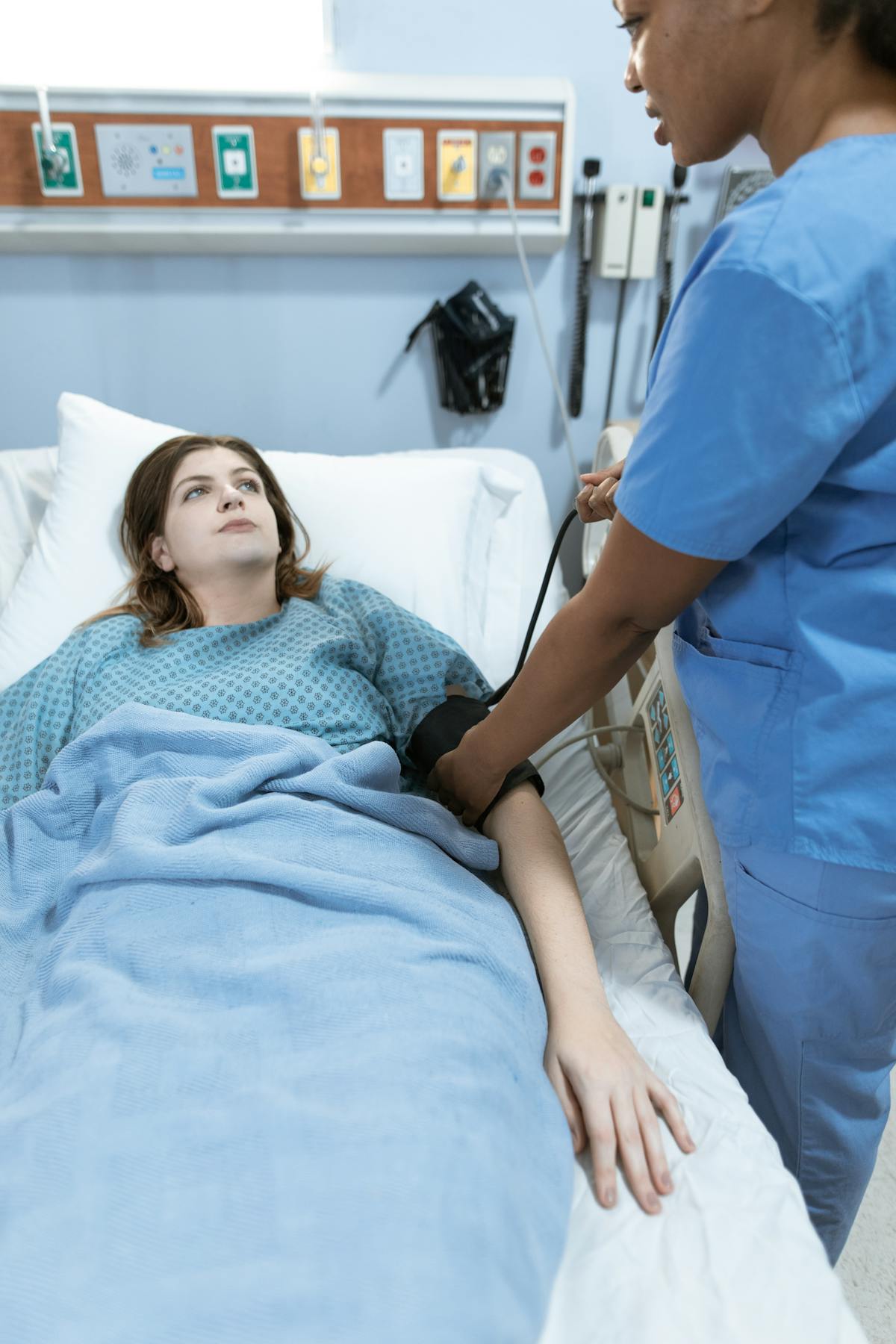
The GoFundMe, organized to help offset medical bills and living costs during his recovery, also pulls back the curtain on the financial instability many actors face—even those once attached to Oscar-winning projects. Streaming residuals, sporadic casting, and rising healthcare costs make even modest health emergencies financially daunting.
The Economic Reality for Working Actors After the Spotlight
Aaron’s situation is unfortunately emblematic of a broader industry pattern. Hollywood’s ecosystem tends to celebrate overnight success but is less eager to talk about what happens ten or fifteen years after the breakout role, especially for character actors or performers in niche lanes like faith-based films or genre indies.
- Inconsistent income: Acting often means feast-or-famine work cycles; a single hit doesn’t guarantee long-term financial security.
- Healthcare precarity: Union coverage (such as via SAG-AFTRA) is tied to minimum earnings thresholds, which many don’t consistently hit.
- Typecasting: A defining role can be both a calling card and a cage, limiting the range of parts that casting directors will consider.
“The dream of making it in Hollywood rarely includes a line item for medical debt.”
— A recurring sentiment in industry commentary on working-class actors
Revisiting The Blind Side in 2026: Legacy, Backlash, and Real-Life Tension
Aaron’s hospitalization arrives at a time when The Blind Side itself is under renewed scrutiny. In recent years, Michael Oher has publicly challenged key elements of the narrative, including his legal relationship with the Tuohy family, raising uncomfortable questions about who benefits when a true story gets the Hollywood treatment.
Culturally, the film now sits in a more contested space than it did in 2009. At the time, it played as a classic feel-good sports drama; in hindsight, critics have raised concerns about racial dynamics, “white savior” framing, and the simplification of Oher’s life story. Aaron’s performance, however, is still often cited as one of the film’s most grounded elements—quiet, emotionally direct, and genuinely affecting.
- Strengths: Aaron’s nuanced portrayal, Bullock’s star turn, and a polished studio sports-movie sheen.
- Weaknesses: Oversimplified storytelling, heavy-handed sentimentality, and a narrative that often sidelines Oher’s own agency.
All of this context makes Aaron’s current health struggles feel even more poignant. He became the face of a rags-to-riches sports story—but his own life underscores how unstable that richness can be.
Fan Response, GoFundMe, and the Ethics of Crowdfunded Care
The GoFundMe for Quinton Aaron taps into a now-familiar pattern: fans stepping in where the healthcare system and industry infrastructure fall short. Supporters are sharing the campaign across social media, often pairing links with clips from The Blind Side and personal memories of discovering the movie in high school locker rooms, family movie nights, or Sunday cable marathons.

There’s something undeniably moving about fans rallying around an actor who once embodied an underdog hero. But it’s also a quiet indictment of the patchwork systems that force so many healthcare crises into the realm of online crowdfunding.
“We shouldn’t have to GoFundMe our way out of a medical emergency, but here we are.”
— Common critique in responses to celebrity and non-celebrity medical fundraisers alike
Quinton Aaron Beyond The Blind Side: Roles, Advocacy, and Public Persona
While The Blind Side remains his calling card, Aaron has quietly built a body of work in television and film, with appearances in projects ranging from procedural dramas to faith-based features. He’s also spoken publicly about bullying and body image, using his platform to advocate for young people who don’t fit the stereotypical leading-man mold.
For many fans, that advocacy work adds another emotional layer to the current situation. The man who helped bring a story of protection, care, and second chances to the screen now finds himself in need of some of that same collective support.
- Appearances in TV guest roles and indie features post-2009.
- Public speaking engagements about bullying and self-worth.
- Ongoing fan affection tied to The Blind Side’s status as a staple of sports and family movie programming.
Looking Ahead: Health, Legacy, and the Stories We Tell
As Quinton Aaron continues treatment in Atlanta, the hope across social media and entertainment circles is simple: a full, steady recovery and the chance to write more chapters in a career that, in many ways, is still defined by its opening act.
His hospitalization also nudges us to re-examine the gap between the uplifting sports dramas we love and the unglamorous infrastructures—healthcare, fair pay, long-term support—that those stories rarely touch. If there’s any silver lining, it might be that the same audience who cheered for Michael Oher in The Blind Side is now being asked to consider what real protection and community care look like, long after the credits roll.
For now, the story is unfinished. As more updates emerge from Aaron’s camp and verified sources, the industry and fans alike will be watching—and, hopefully, learning how to better support the real people behind our favorite sports movie myths.
Context & Sources
The Blind Side (2009 film) — feature film starring Quinton Aaron as Michael Oher.
Written by Staff Entertainment Analyst
Original hospitalization report and ongoing coverage via Deadline and other reputable entertainment outlets.
For film credits and further background, see the official IMDb page for The Blind Side.
