
Nigella Lawson Joins The Great British Bake Off: What Her Arrival Means For The Tent
Nigella Lawson to Replace Prue Leith on The Great British Bake Off: What Changes in the Tent?
Nigella Lawson is replacing Prue Leith as judge on The Great British Bake Off, a major shake-up for the beloved Channel 4 baking show that pairs Nigella with Paul Hollywood and sparks big questions about the series’ future tone, format, and global appeal.
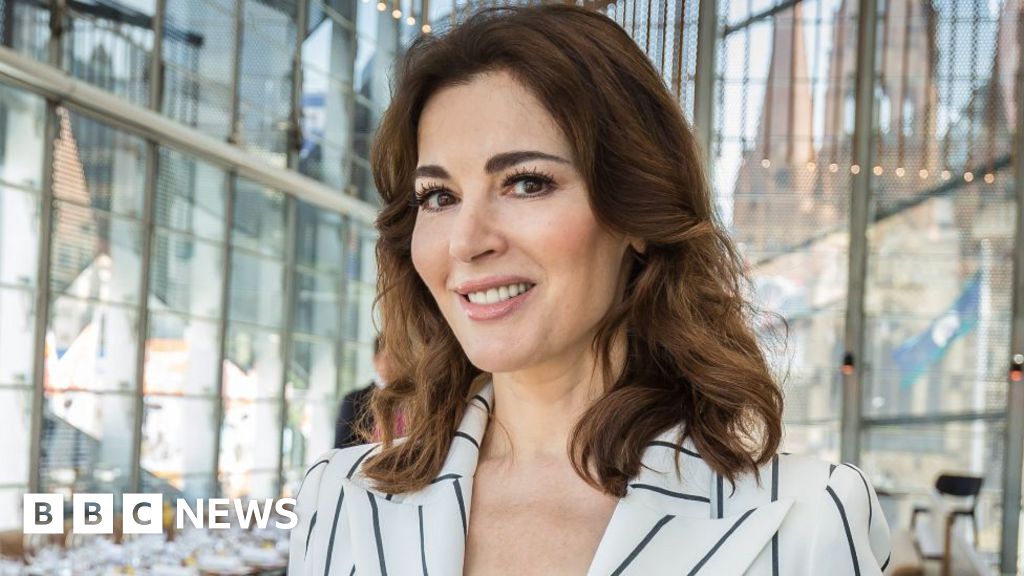
Channel 4 has confirmed that the TV chef and food writer will step into the role Dame Prue Leith has held since 2017, joining Paul Hollywood in the judging line-up. For a franchise that treats comfort and continuity almost as sacred ingredients, this casting change is both bold and strangely inevitable.
From Prue Leith to Nigella Lawson: A Big Swing for a Cozy Format
Since moving from the BBC to Channel 4 in 2017, The Great British Bake Off has carefully walked a tightrope: refreshing the format just enough to keep it current, without upsetting viewers who treat the show like a televised cup of tea. The most contentious previous change was the departure of the original BBC-era trio Mary Berry, Mel Giedroyc, and Sue Perkins.
Dame Prue Leith helped stabilise that transition. Her mix of old-school culinary authority and surprising flashes of naughtiness (“worth the calories”) gave the show a matriarchal presence, distinct from Mary Berry but still comforting. With her exit, Channel 4 isn’t just swapping judges; it’s rewriting the show’s emotional center.
“I’ve loved being part of the Bake Off family and watching a new generation of bakers grow in confidence. It’s the right time to hand on the baton.” — Dame Prue Leith (via Channel 4 statement)
Nigella’s appointment suggests Channel 4 recognises that if you are going to tamper with a format this cherished, you need a figure who is both culturally bulletproof and genuinely loved. And in British food television, there are very few names with that kind of emotional equity.
Why Nigella Lawson Makes Cultural Sense for Bake Off
Nigella Lawson is more than a TV chef; she’s a fully-fledged cultural character. Since Nigella Bites at the turn of the millennium, she’s embodied a very specific British fantasy: the clever, bookish sensualist who treats late-night fridge raids with the same seriousness as haute cuisine.
That persona dovetails neatly with what Bake Off has always sold us: indulgence without guilt, craft without cruelty, competition without humiliation. Where many modern cooking shows lean into aggression and “brutal honesty,” Bake Off has survived — and thrived — by being kind. Nigella, whose cookbooks have always prioritised pleasure over perfection, fits that ethos almost too well.
“Lawson is one of the few food presenters who makes you feel that the kitchen is a refuge, not a stage.” — critic on Nigella’s TV persona
It also doesn’t hurt that Nigella’s reach is genuinely international. Her books have sold in the millions, with fans from London to Los Angeles. For a show that streams globally on Netflix and drives GBBO hashtags worldwide, that brand recognition is a strategic bonus.
Nigella & Paul Hollywood: A New On-Screen Dynamic
Paul Hollywood has long played the role of Bake Off’s resident hard man — or at least, the man whose handshake can make or break a baker’s season. Dame Prue balanced that out with a more maternal, if still fairly traditional, culinary authority. Swapping Prue for Nigella shifts the chemistry.
Where Hollywood is framed as the technician — the one who will notice an underproved crumb from ten paces — Nigella’s public persona is more about feeling than engineering. Her commentary tends to focus on narrative and emotional resonance: how food makes you feel, what memory it triggers, why this cake matters.
Expect a judging dynamic where:
- Hollywood zeroes in on structure, bake, and technique.
- Nigella champions flavour, story, and sensory experience.
- The combined feedback could be more conversational and less binary — less “right vs wrong,” more “does this work, and why?”
“I’m bubbling with excitement to step into the tent. I’ve loved watching Bake Off as a viewer — now I get to taste it.” — Nigella Lawson, in Channel 4’s announcement
That language — “taste it” — is on-brand Nigella and hints that her focus will be rooted in pleasure rather than policing textbook technique. It could subtly rewrite what it means to “do well” on Bake Off.
What Might Actually Change on The Great British Bake Off?
The core Bake Off formula is too successful — and too syndication-friendly — to overhaul dramatically. Signature, Technical, Showstopper: those are baked in. But the presence of a new judge, especially one with as strong an authorial voice as Nigella, usually ripples through the details.
Based on previous judge transitions and Nigella’s own body of work, plausible shifts include:
- More flavour- and story-driven bakes: Expect challenges referencing childhood desserts, late-night treats, or comfort-food classics — the sort of thing Nigella has built entire chapters around.
- Slightly looser approach to strict “perfection”: Bakes that are a bit rustic but deeply satisfying may get more love than pristine-but-bland showpieces.
- Richer language in judging: Nigella’s commentary is famously literary; her critiques could make the judging segments more quotable and less procedural.
- Potential for more international flavours: Given her curiosity about global cuisines, there may be themed weeks or technicals that dig deeper into non-European traditions.
That said, there are constraints. Bake Off lives and dies by being a Sunday-evening-safe, multigenerational watch. Any changes will need to preserve that family-friendly warmth.
Fan Reactions: Nostalgia vs. Excitement
Any Bake Off casting news is essentially a referendum on nostalgia. The Mary Berry era remains the gold standard for many fans; Prue Leith, over time, earned respect by not trying to replicate Mary’s exact presence. Nigella will face a similar balancing act.
Early social media responses (as of the announcement window) have followed a familiar pattern:
- Long-time Nigella devotees are ecstatic — many have joked that they’d “volunteer as tribute” to be in this year’s tent.
- Bake Off traditionalists are cautiously optimistic, seeing Nigella as a “safe pair of hands” with genuine love for baking.
- Some Prue loyalists are simply sad to see her go, noting her mentorship vibe and dry humour.
“If you have to replace Prue, Nigella is one of the few choices that doesn’t feel like a downgrade — just a different flavour.” — TV critic commentary on X (formerly Twitter)
The real test will be the first couple of episodes: how Nigella handles disasters, how she delivers bad news, and whether she finds a distinct but complementary rhythm with Paul Hollywood and the hosts.
Where This Fits in the Bigger Picture of Food TV

The move also has to be read against the broader landscape of food television. In an era of hyper-competitive formats — from MasterChef to Hell’s Kitchen to Netflix’s endless churn of food-adjacent reality — Bake Off has been the gentle outlier. It’s the show where you cry because someone’s custard didn’t set, not because a host screamed at them.
Nigella’s career has also largely resisted the shift toward aggression and spectacle. Her shows are shot like relaxed conversations, not pressure cookers. Bringing that energy into one of the last bastions of cozy TV feels less like stunt casting and more like a philosophical alignment.
Strategically, this is also a reminder that UK broadcasters still see food personalities as serious cultural capital. In a streaming era where IP and superheroes dominate, it’s oddly comforting that a prime-time ratings battle can still revolve around who gets to judge a tray of eclairs.
Potential Strengths and Weak Spots of the New Line-Up
Turning to the decision itself, there are clear upsides — and a few areas where it could misfire if handled clumsily.
What’s likely to work
- Instant credibility: Nigella’s status in British food culture is almost unimpeachable.
- Continuity of warmth: She preserves the show’s emphasis on kindness and emotional connection.
- Global appeal: Her books and shows already have a strong international fanbase, which pairs well with Bake Off’s streaming life.
- Creative challenges: The producers now have an excuse to build episodes around Nigella-esque themes and recipes.
What could be tricky
- Balance with Paul Hollywood: If the edit over-heroises one judge’s perspective, the dynamic could feel lopsided.
- Avoiding self-parody: Leaning too hard into “Nigella-isms” could make the show feel like an extended meme rather than sincere television.
- Prue nostalgia: Long-time viewers may need time to emotionally “let go,” especially if the show doesn’t give Prue a properly celebratory farewell.
Official Links, Trailers, and Where to Watch
For the latest official details, schedules, and casting updates, it’s worth checking the primary sources:
- Official Great British Bake Off page — Channel 4
- BBC News — TV & Entertainment coverage of Nigella’s appointment
- The Great British Bake Off — IMDb
- Nigella Lawson — IMDb

Once Channel 4 drops the first trailer featuring Nigella in the tent, expect it to double as a tone-reset: a statement of what this next era of Bake Off wants to feel like.
The Tent’s Next Chapter
Nigella Lawson stepping in for Prue Leith is the kind of TV news that feels both surprising and retrospectively obvious. Surprising, because Bake Off rarely makes big, flashy changes; obvious, because if you had to pick one person to embody the show’s mix of warmth, wit, and sugar-dusted indulgence, Nigella would be near the top of almost any list.
The question now isn’t whether she can do the job — she can — but how her presence will subtly redirect the series’ emotional temperature. Will we see bolder flavours, more intimate storytelling, and a slightly more hedonistic tent? Or will the format’s ironclad coziness simply absorb Nigella into business as usual?
Either way, the next series of The Great British Bake Off has something it hasn’t had in a while: genuine suspense before the ovens are even preheated.
