
Sun-Kissed Mediterranean Grain Bowl: A Plant-Forward, Climatetarian Power Lunch
Mediterranean Plant-Forward Grain Bowl (Climatetarian-Friendly)
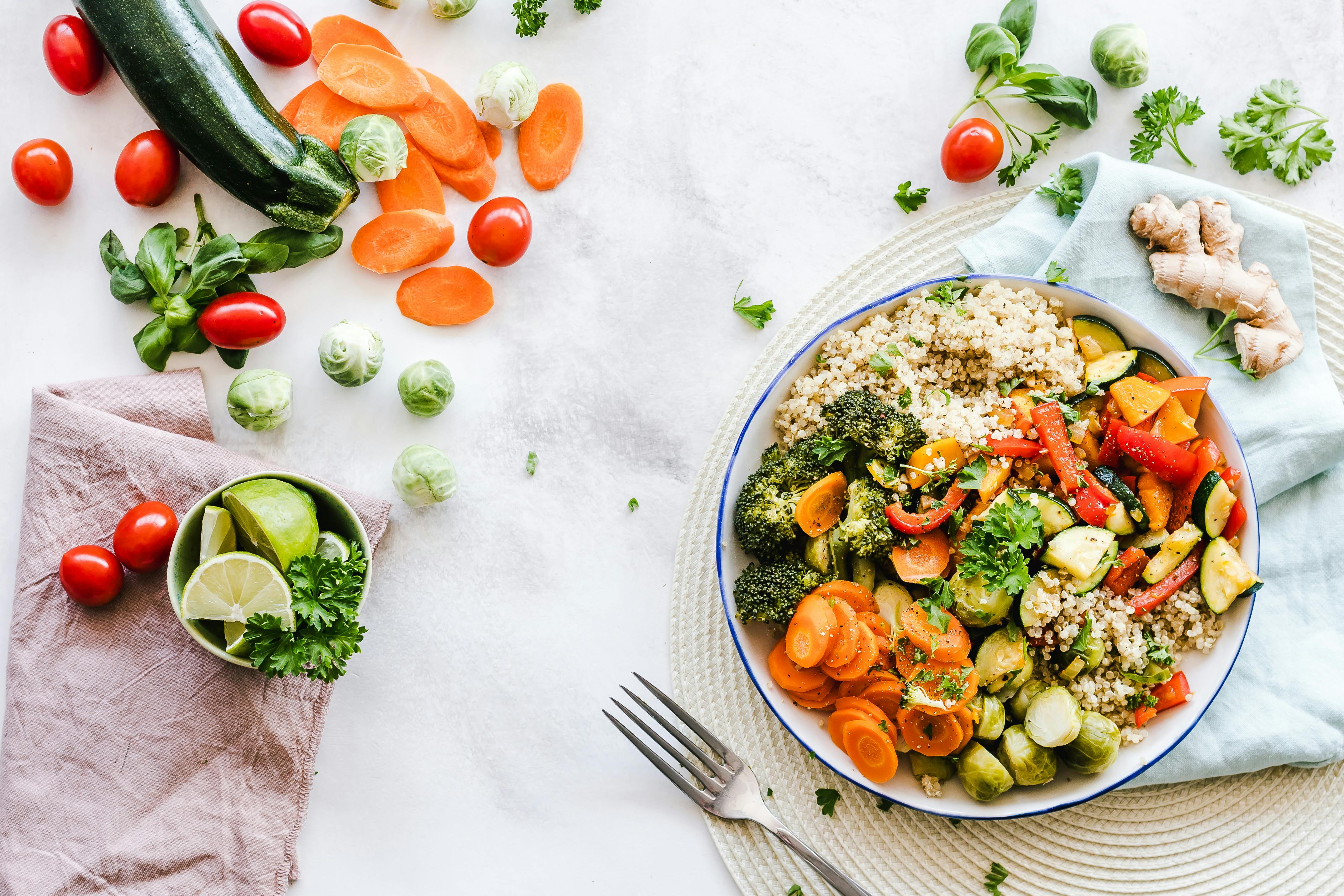
Plant‑forward and climatetarian eating are all about celebrating vegetables, beans, and whole grains while still feeling completely satisfied and inspired at the table. This Mediterranean Grain Bowl brings that philosophy to life: roasted vegetables caramelized at the edges, tender whole grains, juicy tomatoes, creamy hummus, and a bright lemon‑olive oil dressing. It’s the kind of colorful, nutrient‑rich bowl that feels just as at home in a cozy weeknight dinner as it does in a sunny café by the sea.
Built on Mediterranean diet principles—lots of plants, extra‑virgin olive oil, legumes, nuts, and herbs—this bowl also fits beautifully into a climatetarian pattern by leaning on beans instead of red meat and using seasonal vegetables. It’s flexible, budget‑friendly, and endlessly customizable, whether you’re fully vegetarian, flexitarian, or just curious about plant‑forward cooking.
Recipe Summary
Prep time:
Cook time:
Total time:
Servings: 4 bowls
Difficulty: Easy–Moderate
Dietary: Vegetarian, plant‑forward, climatetarian‑friendly
Ingredients
Think of this bowl as a template: grain + roasted veg + legume + fresh crunch + zesty dressing. Below is a balanced version to get you started.
For the grain base
- 1 cup (185 g) uncooked quinoa or brown rice, rinsed
- 2 cups (480 ml) water or low‑sodium vegetable broth
- 1/4 teaspoon fine sea salt
For the roasted vegetables
- 1 medium eggplant, cut into 2 cm (3/4‑inch) cubes
- 1 large zucchini, sliced into half‑moons
- 1 red bell pepper, seeded and sliced into strips
- 1 small red onion, cut into wedges
- 3 tablespoons extra‑virgin olive oil
- 1 teaspoon ground cumin
- 1 teaspoon smoked paprika (or sweet paprika)
- 1/2 teaspoon dried oregano
- 1/2 teaspoon salt, plus more to taste
- Freshly ground black pepper, to taste
For the protein & toppings
- 1 can (400 g) chickpeas, drained and rinsed
- 1 cup (about 150 g) cherry tomatoes, halved
- 1 small cucumber, diced
- 1/4 cup (30 g) pitted Kalamata olives, sliced
- 1/4 cup (30 g) crumbled feta cheese (optional)
- 2 cups (loosely packed, about 60 g) mixed greens or baby spinach
- 1/4 cup (35 g) toasted walnuts or almonds, roughly chopped
- 1/2 cup (120 g) store‑bought or homemade hummus, for serving
For the lemon‑olive oil dressing
- 1/4 cup (60 ml) extra‑virgin olive oil
- 3 tablespoons fresh lemon juice (about 1 large lemon)
- 1 small garlic clove, finely minced or grated
- 1 teaspoon Dijon mustard
- 1 teaspoon maple syrup or honey (optional, for balance)
- 1/4 teaspoon salt, or to taste
- Freshly ground black pepper, to taste
Equipment Needed
- 1 medium saucepan with lid for cooking grains
- 1–2 large baking sheets (lined with parchment, optional)
- Mixing bowls (one large, one small for dressing)
- Chef’s knife and cutting board
- Measuring cups and spoons
- Whisk or fork for emulsifying dressing

Step‑by‑Step Instructions
Cook the grains.
Rinse the quinoa or brown rice under cold water. In a medium saucepan, combine the grain, water or broth, and salt. Bring to a boil over medium‑high heat, then reduce to a gentle simmer, cover, and cook:- Quinoa: about 15 minutes, until fluffy and liquid is absorbed.
- Brown rice: about 30–35 minutes, until tender.
Remove from heat and let stand, covered, for 5 minutes, then fluff with a fork.
Preheat the oven and prep vegetables.
While the grains cook, preheat your oven to 220°C / 425°F. Line one or two baking sheets with parchment for easier cleanup.In a large bowl, toss the eggplant, zucchini, bell pepper, and red onion with olive oil, cumin, smoked paprika, oregano, salt, and pepper until everything is lightly coated and glistening.
Roast the vegetables.
Spread the veggies in a single layer on the baking sheet(s), giving them a little breathing room so they roast rather than steam. Roast for 20–25 minutes, tossing once halfway, until tender and caramelized at the edges with a deep, roasted aroma.Prepare the dressing.
In a small bowl, whisk together the olive oil, lemon juice, garlic, Dijon mustard, maple syrup or honey (if using), salt, and pepper. Whisk until slightly thickened and glossy. Taste and adjust seasoning—you're aiming for bright, tangy, and well‑balanced.Season the chickpeas and fresh toppings.
Place the chickpeas in a bowl and drizzle with 1–2 tablespoons of the dressing. Toss to coat and let them marinate briefly.In another bowl, combine the cherry tomatoes, cucumber, and olives. Add 1 tablespoon of dressing and toss gently. This light marinade wakes up their flavors without making them soggy.
Assemble the bowls.
Divide the cooked grains among 4 shallow bowls. Add a generous handful of greens to each bowl.Top with a portion of roasted vegetables, a scoop of marinated chickpeas, and a spoonful of the tomato‑cucumber mixture. Add a dollop of hummus, sprinkle with feta (if using) and toasted nuts, and drizzle with more dressing to taste.
Taste and finish.
Finish with a final crack of black pepper and, if you like, an extra squeeze of lemon. The bowl should taste vibrant and layered: warm and smoky from the roasted veg, creamy from the hummus, bright and juicy from the fresh toppings, with a satisfying chew from the grains.

How This Bowl Fits Plant‑Forward & Climatetarian Eating
This Mediterranean Grain Bowl is a delicious snapshot of modern plant‑forward and climatetarian cooking—big on flavor, generous with plants, and gentle on the planet.
“Plant‑forward doesn’t mean giving things up; it means starring vegetables, beans, and grains in meals that you actually crave.”
- Nutrition: Legumes, whole grains, and vegetables deliver fiber, magnesium, potassium, folate, and a rainbow of phytonutrients that support heart and gut health.
- Sustainability: Swapping a beef‑based bowl for chickpeas and grains can substantially reduce greenhouse gas emissions and land use associated with your meal.
- Flexibility: Add a small portion of fish, a jammy egg, or fermented dairy if that fits your Mediterranean‑style pattern, or keep it fully vegetarian or vegan.
Little shifts like choosing beans instead of meat in this recipe, or using extra‑virgin olive oil instead of butter, are exactly the kind of practical steps dietitians recommend for long‑term, sustainable change.

Cooking Tips, Variations & Dietary Adaptations
Flavor Variations
- Spiced Moroccan twist: Swap oregano and smoked paprika for ras el hanout, and add raisins and chopped mint.
- Green herb bowl: Stir chopped parsley, cilantro, and dill into the grains with a squeeze of lemon.
- Protein‑packed: Add grilled halloumi, baked tofu, or a soft‑boiled egg for extra protein while staying plant‑forward.
Dietary Adaptations
- Vegan: Omit feta; ensure your hummus is dairy‑free; use maple syrup in the dressing.
- Gluten‑free: Choose gluten‑free grains and verify that your Dijon mustard and hummus are GF‑certified if needed.
- Lower‑sodium: Use low‑sodium chickpeas, reduce added salt slightly, and rely on acid and herbs for flavor.
Storage, Meal Prep & Reheating
This recipe was practically made for meal prep. The components keep well, and the flavors actually deepen as they rest.
- Refrigeration: Store grains, roasted vegetables, and chickpeas in separate airtight containers in the fridge for up to 4 days. Keep the dressing and fresh toppings (tomatoes, cucumber, greens) separate for best texture.
- Freezing: Cooked grains and roasted vegetables can be frozen for up to 2 months. Thaw overnight in the fridge.
- Reheating: Warm grains and roasted veg in a skillet over medium heat with a splash of water or broth, or microwave in short bursts until heated through. Assemble with fresh toppings and hummus after reheating.
- Pack‑and‑go lunches: Layer dressing at the bottom of a jar, then grains, roasted veg, chickpeas, and finish with greens on top. Shake before eating.
Serving Ideas & Complementary Dishes
Serve this Mediterranean Grain Bowl warm or at room temperature—it’s forgiving and delicious either way. For a complete plant‑forward feast, pair it with:
- A simple Greek‑style salad with extra tomatoes, cucumber, and herbs
- Grilled or roasted seasonal vegetables like asparagus or broccoli
- A side of whole‑grain pita or warm flatbread for scooping hummus
- A small bowl of yogurt with herbs (or plant yogurt) as a cooling, probiotic‑rich side
However you serve it, let the bowl be a reminder that climatetarian eating can be joyful, colorful, and deeply satisfying—no deprivation, just good food doing good things for your body and the planet.

Approximate Nutrition per Serving
(Values will vary with exact ingredients and toppings; this estimate assumes quinoa, feta, and walnuts.)
- Calories: ~520 kcal
- Protein: ~17 g
- Total fat: ~24 g (mostly from olive oil, nuts, and olives)
- Saturated fat: ~5 g
- Carbohydrates: ~60 g
- Fiber: ~13 g
- Sodium: depends on added salt and feta; reduce as desired
This balance of fiber‑rich carbs, heart‑healthy fats, and moderate protein aligns nicely with Mediterranean and planetary health diet patterns highlighted in recent nutrition research.
