
Slow Your Biological Clock: The Surprising Nutrient That Helps You Age Healthier
Meta title: Biological Aging May Be Slowed by Eating This Nutrient, According to Experts
Meta description: Discover how biological aging differs from chronological aging and why a specific nutrient—dietary fiber—may help slow your biological clock. Learn what to eat, how much you need, and practical, science-backed tips to build an age-supportive plate.
What If Your Cells Could Age More Slowly?
Many people feel much “older” or “younger” than the age on their driver’s license. That gap is what scientists call biological age—how old your cells and tissues seem based on health markers, not just birthdays. While we can’t rewrite our DNA, growing evidence suggests we can influence biological aging through lifestyle, especially diet.
One standout hero keeps rising to the top of the research: dietary fiber. It’s not trendy or flashy, but this humble nutrient appears to play a powerful role in how fast—or slowly—our bodies age on the inside.
:max_bytes(150000):strip_icc()/Biological-Aging-May-Be-Slowed-by-Eating-This-Nutrient-cd1a99293fc643b183187af38a8aa918.jpg)
In this guide, we’ll unpack what biological aging is, why fiber matters, how much you need, and realistic ways to fit more of it into your life—without turning every meal into a project.
Biological vs. Chronological Age: Why It Matters
Your chronological age is simply how many years you’ve been alive. Your biological age reflects how well your body is functioning. Researchers estimate biological age using markers like:
- Blood pressure, blood sugar and cholesterol levels
- Inflammation markers (like C-reactive protein)
- Body composition and muscle mass
- DNA methylation patterns (epigenetic “clocks”)
When these markers look “older” than expected, we say biological age is higher than chronological age. That’s linked with increased risk of chronic diseases such as heart disease, type 2 diabetes and cognitive decline.
“Biological age is dynamic. It can move in both directions. Lifestyle choices—especially diet—can accelerate or slow the rate at which we biologically age.”
— Adapted from current geroscience research discussions (Harvard & NIH geroscience initiatives, 2023–2025)
The Nutrient That Stands Out: Dietary Fiber
When scientists look at dietary patterns linked with slower biological aging, a consistent pattern emerges: people who eat more fiber—especially from whole, plant-based foods—tend to have “younger” biological profiles.
Fiber is found in:
- Vegetables and fruits
- Whole grains (like oats, barley, quinoa, brown rice)
- Legumes (beans, lentils, chickpeas, peas)
- Nuts and seeds
Several recent studies (through 2025) have linked higher fiber intakes and plant-forward eating patterns with:
- Lower levels of chronic inflammation
- Better blood sugar regulation and insulin sensitivity
- Healthier cholesterol levels
- More favorable epigenetic aging markers
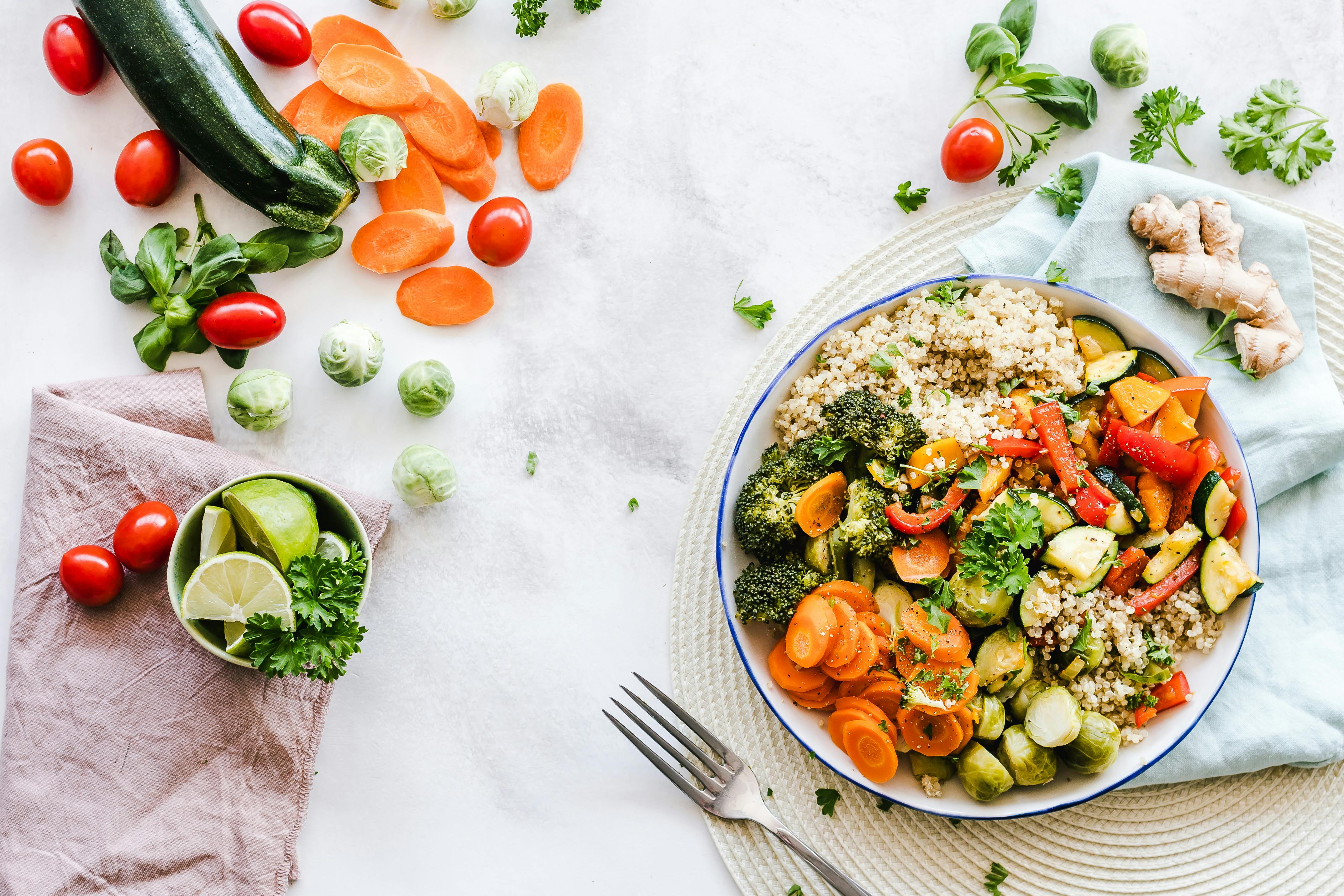
How Fiber May Slow Biological Aging
Fiber itself isn’t “anti-aging magic,” but it influences several systems that collectively affect how quickly we age biologically.
- Gut microbiome support
Certain fibers act as prebiotics, feeding beneficial gut bacteria. These microbes produce short-chain fatty acids (like butyrate) linked with:- Reduced inflammation
- Improved gut barrier integrity
- Better blood sugar balance
- Lower chronic inflammation
Chronic, low-grade inflammation (“inflammaging”) is a hallmark of biological aging. High-fiber diets are consistently associated with lower inflammatory markers in population studies. - Improved metabolic health
Fiber helps slow digestion and blunt blood sugar spikes, supporting:- Healthy insulin sensitivity
- Lower risk of type 2 diabetes
- Better weight management over time
- Cardiovascular protection
Soluble fiber (found in oats, beans, barley, some fruits) can help lower LDL (“bad”) cholesterol, which supports healthier arteries and heart function—key pieces of biological age. - Indirect effects on epigenetic aging
Emerging epigenetic research suggests that diets rich in plants and fiber correlate with younger DNA methylation patterns, a laboratory measure of biological age. These findings are promising but still developing.
“We’re seeing that nutrient patterns—especially higher fiber and polyphenol intake—align with slower epigenetic aging in multiple cohorts. It’s not definitive proof, but the signal is strong.”
— Summary of insights from recent epigenetic aging studies (e.g., Framingham Offspring cohort, 2022–2025)
How Much Fiber Do You Need for Healthy Aging?
In the U.S. and many other countries, official guidelines recommend roughly:
- Women: about 21–25 grams of fiber per day (varies by age)
- Men: about 30–38 grams of fiber per day (varies by age)
Yet most adults fall short, often getting only 15 grams or less daily. Aging studies suggesting benefits frequently involve intakes in the range of:
- At least 25–30 grams per day from whole foods
- Frequently within an overall Mediterranean- or plant-forward pattern
A Real-Life Example: From “Older Inside” to “Back in Sync”
A 52-year-old client (we’ll call her Maria) had an at-home biological age test suggesting she was biologically 58. She was frustrated: she walked regularly and didn’t smoke, but her diet was low in plants and high in refined snacks.
Over six months, we focused on simple fiber-focused shifts:
- Replacing sugary breakfast cereal with oatmeal, berries and walnuts
- Adding a cup of lentil or bean soup most days
- Swapping white rice for half brown rice, half cauliflower rice
- Keeping an apple and a small bag of almonds in her bag instead of pastries
At follow-up, Maria’s repeat biological age estimate dropped to 53. More importantly, her blood pressure, fasting glucose and LDL cholesterol all improved, and she reported steadier energy and less afternoon “crash.”
Practical Ways to Eat More Fiber for Healthy Aging
Instead of trying to overhaul everything at once, focus on one or two small, sustainable changes each week. Here are ideas by meal:
1. Breakfast Upgrades
- Swap refined cereal for oatmeal topped with berries, chia seeds and a sprinkle of nuts.
- Choose whole-grain toast with avocado and sliced tomato instead of white toast with butter.
- Blend a smoothie with frozen fruit, spinach, ground flaxseed and yogurt.
2. Lunch & Dinner Tweaks
- Make at least half your plate vegetables (fresh, frozen, roasted—whatever works).
- Base meals on beans or lentils a few times a week: chili, lentil soup, bean tacos.
- Choose whole grains such as quinoa, farro, barley or brown rice most of the time.
3. Smart Snacking
- Keep fruit + nuts on hand (e.g., pear with almonds, banana with peanut butter).
- Snack on raw veggies with hummus instead of chips alone.
- Use air-popped popcorn as a high-fiber snack, flavored with herbs instead of heavy butter.

Common Obstacles—and How to Overcome Them
“High-fiber foods upset my stomach.”
This can happen, especially if your gut isn’t used to a lot of fiber.
- Increase fiber slowly over several weeks.
- Drink more water to help fiber move through your system.
- Try cooked vegetables first, which are often easier to tolerate than large amounts of raw veggies.
- If symptoms persist, consult a healthcare professional to rule out underlying issues.
“I don’t have time to cook.”
- Use frozen vegetables and prewashed greens—they’re quick, nutritious and often more affordable.
- Keep canned beans and lentils in the pantry; rinse and toss into salads, soups or pasta.
- Choose high-fiber convenience items like microwavable brown rice or quinoa packets.
“My family isn’t on board.”
- Start with familiar meals and make gentle upgrades (whole-grain pasta, extra veggies in sauce).
- Let family members choose from a “build-your-own” bowl or taco bar with beans, veggies and toppings.
- Keep some old favorites while slowly adding new high-fiber sides.
It’s Not Just Fiber: The Bigger Lifestyle Picture
Fiber is a key player, but it works best as part of an overall healthy aging lifestyle. Other factors consistently associated with slower biological aging include:
- Regular physical activity (especially a mix of cardio, strength and balance work)
- Not smoking and limiting excess alcohol
- Prioritizing sleep and stress management
- A dietary pattern rich in colorful plants, healthy fats and lean proteins

No single nutrient can “hack” aging, but fiber-rich foods are one of the most reliable, low-risk tools we have to support overall health.
Visual Guide: A Day of High-Fiber, Age-Supportive Eating
Here’s a simple example of how one day might look if you’re aiming for around 25–30 grams of fiber. Exact amounts will vary, but this gives a ballpark sense:
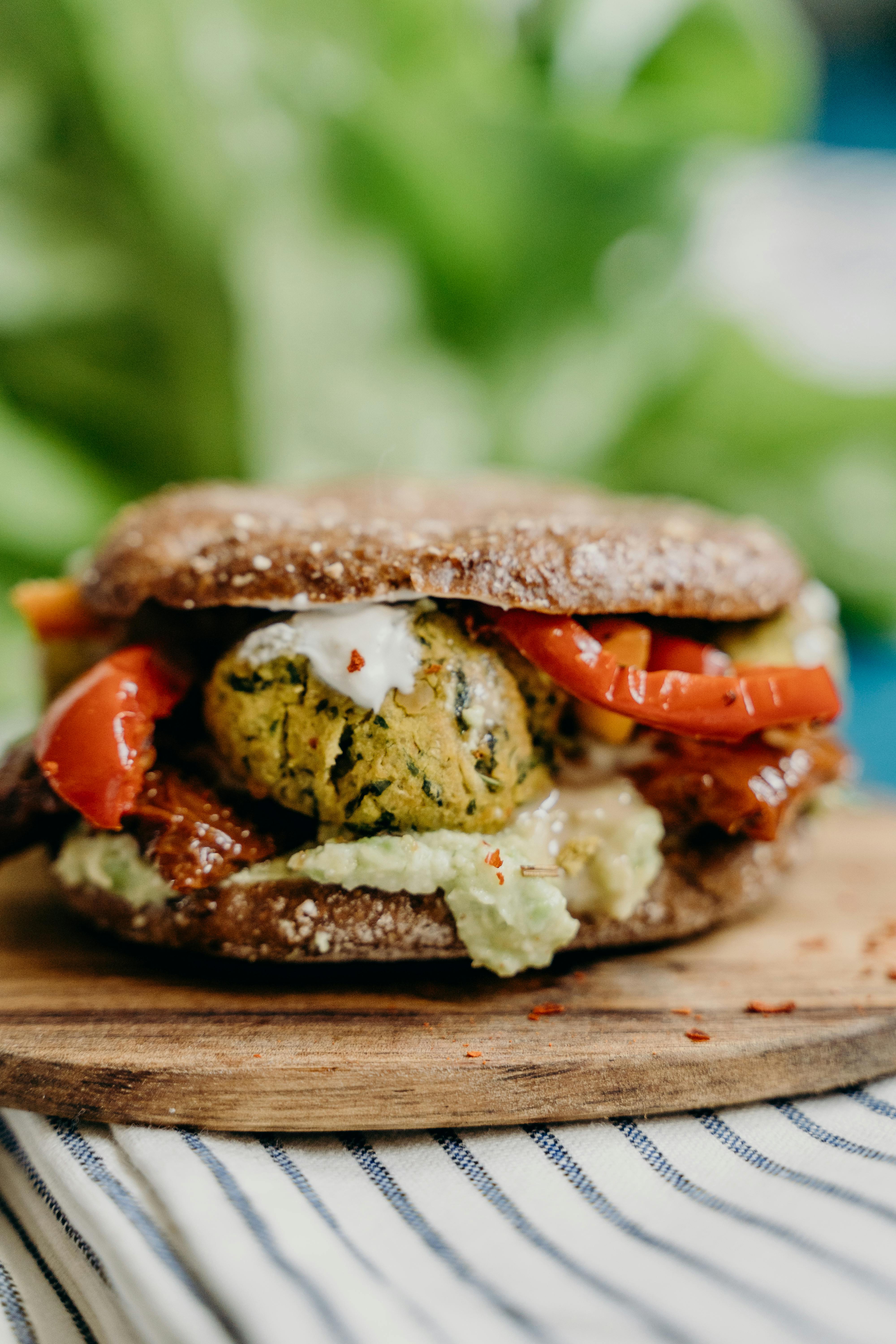
- Breakfast: Oatmeal with ½ cup berries and 1 tablespoon chia seeds
Approx. fiber: 10–12 grams - Lunch: Large salad with mixed greens, ½ cup chickpeas, veggies and whole-grain bread
Approx. fiber: 8–10 grams - Snack: Apple with a small handful of almonds
Approx. fiber: 5–6 grams - Dinner: Brown rice and black bean bowl with vegetables
Approx. fiber: 8–10 grams
Before & After: A Sample Plate Transformation
Think of this as a conceptual “before and after” for your plate, focused on fiber and nutrient density rather than perfection.

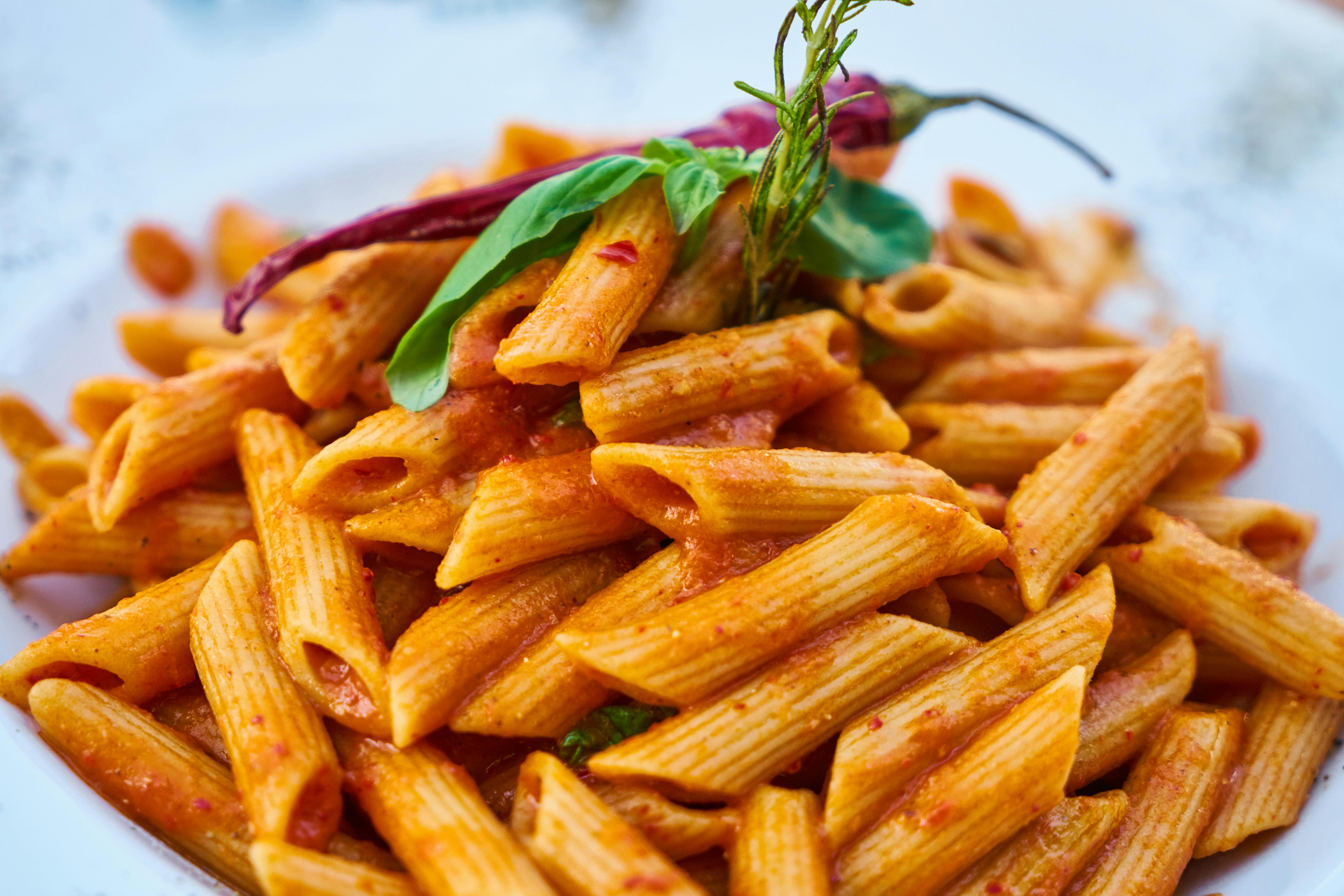
- Swap white pasta for whole-grain or legume-based pasta.
- Add beans or lentils to your sauce for extra fiber and protein.
- Double the vegetables—mix them into the sauce and serve more on the side.
What the Science Says (and What It Doesn’t)
Current evidence, through early 2026, points toward a few key conclusions:
- Higher fiber intake is consistently linked with lower risk of major chronic diseases.
- Plant-forward, fiber-rich patterns are associated with younger epigenetic and metabolic profiles in many studies.
- We cannot currently promise that a specific food or nutrient will reduce your biological age by a certain number of years.
- Benefits likely come from the overall pattern of what you eat, not a single “superfood.”
For deeper reading, look for reviews and position papers from:
Bringing It All Together: A Kinder Way to Age
You can’t control your genetics or stop time, but you have meaningful influence over how your body experiences those years. Choosing more fiber-rich, plant-based foods is one of the most reliable, well-studied steps you can take to support healthier aging from the inside out.
You don’t need perfection. You don’t need a strict diet. You just need a direction: more plants, more fiber, more often.
If you’re ready to begin, choose one of these small actions today:
- Add one extra serving of vegetables to your next meal.
- Swap white bread or rice for a whole-grain option.
- Include beans or lentils once this week.
Over weeks and months, those small choices can add up to a plate—and a life—that supports a more graceful, resilient way of aging.
