
Sipable Super-Food: Greens Powders, Protein Coffee & Adaptogen Lattes Explained
Functional ‘Super‑Food’ Drinks: Greens Powders, Protein Coffee & Adaptogen Lattes
Over the last few years, “functional” drinks have exploded across social feeds: luminous green juices in glass tumblers, frothy protein coffee poured over ice, and cozy adaptogen lattes crowned with cinnamon swirls. These super‑food drinks promise more than just flavor—energy, focus, stress support, and an easy way to sneak in extra nutrients—all in a single, sippable ritual.
Think of them as nutrition‑boosted versions of beverages you already love. When used thoughtfully, greens powders, protein‑fortified coffee, and adaptogen‑infused lattes can be satisfying additions to a balanced, whole‑food diet. The key is understanding what they can (and can’t) do for you, and how to build them in a way that feels delicious, nourishing, and sustainable in everyday life.

Why Functional Drinks Are Everywhere Right Now
Functional drinks sit at the crossroads of wellness, convenience, and aesthetics. They’re easy to film, fun to customize, and quick to consume on busy mornings. On TikTok and Instagram, you’ll see:
- Bright greens powder stirred into tall glasses of chilled water.
- Icy protein coffee poured dramatically over clinking cubes.
- Steam‑kissed adaptogen lattes dusted with cocoa or cinnamon.
Part of the appeal is psychological: sipping a “super‑food” drink can feel like a small, daily promise to take care of yourself. And for many people, drinking nutrients can seem more doable than preparing another full meal or salad.

“Use drinks to support your nutrition, not to replace the satisfying textures, fibers, and variety of real meals.”
What Are Greens Powders, Really?
Greens powders are concentrated blends of dried and powdered plant ingredients—think a vegetable garden and fruit bowl, run through a dehydrator and then a grinder. They’re usually mixed into water, juice, or smoothies to create an easy, portable “greens drink.”
Common Ingredients in Greens Powders
- Leafy greens: spinach, kale, collard greens.
- Grasses: wheatgrass, barley grass, alfalfa grass.
- Algae: spirulina, chlorella for deep emerald color and earthy flavor.
- Fruits: powdered berries, apple, citrus for sweetness and antioxidants.
- Extras: added vitamins, minerals, probiotics, digestive enzymes, fiber blends.

Taste & Texture
Expect a grassy, herbal, sometimes slightly sweet flavor. Some blends are smooth and almost juice‑like; others can be a touch grainy or chalky, especially if they include added fiber or protein.
Nutrition & Limitations
A scoop of greens powder can add vitamins, minerals, and phytonutrients, especially for people who struggle to eat a variety of plants. However, it typically lacks:
- Fiber volume that fills you up and supports digestion.
- Chewing, which helps satiety and slows eating.
- The full spectrum of nutrients you get from whole, colorful produce.
Claims about “detoxing” or dramatic energy boosts tend to overshoot the current evidence. Your liver and kidneys already do excellent detox work; greens powders simply provide extra plant nutrients that support overall health when combined with good habits.
Protein Coffee (#Proffee): Caffeine Meets Satiety
Protein coffee—often tagged as #proffee—is exactly what it sounds like: brewed coffee combined with protein powder or a ready‑to‑drink protein shake. It’s popular with people aiming to boost morning protein without cooking a full breakfast.
Why People Love It
- Convenience: One drink, both caffeine and protein.
- Satiety: Protein helps keep you full longer than coffee alone.
- Customization: Works hot or iced, with dairy or plant milks.
Nutrition & Things to Watch
A typical serving might provide 15–30 g of protein, which can be a very helpful contribution toward daily needs, especially if you’re active or trying to maintain muscle. The main caveats:
- Many flavored powders or shakes use non‑nutritive sweeteners and emulsifiers.
- Relying on proffee as a total breakfast may mean you’re missing fiber, healthy fats, and micronutrients.
- Very sweet versions can train your palate to expect dessert‑level sweetness in everyday drinks.
Adaptogen Lattes & Mushroom Coffee: Calm in a Cup?
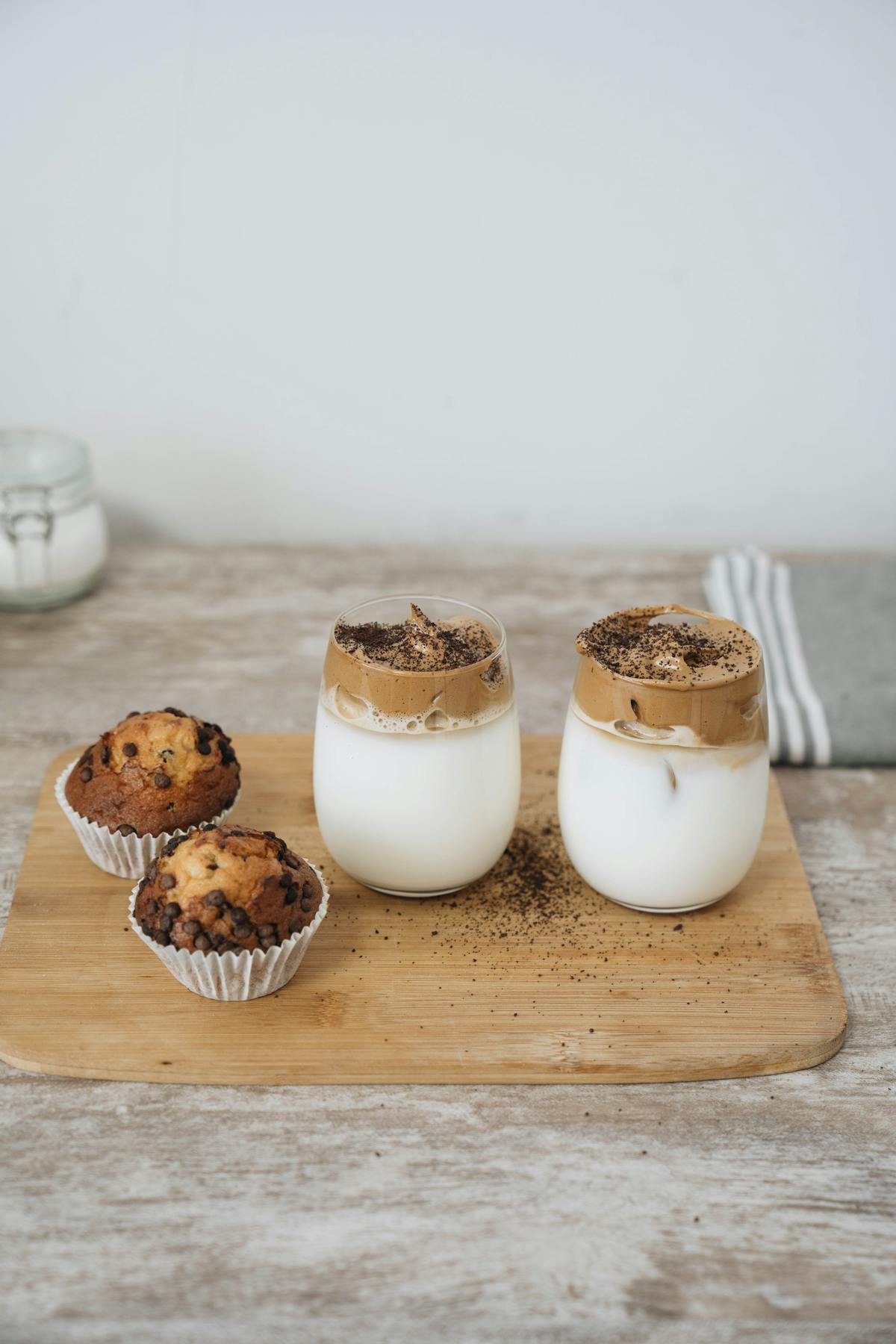
Adaptogen lattes and mushroom coffees bring together herbs, medicinal mushrooms, and cozy latte flavors. You’ll often see ingredients like ashwagandha, reishi, lion’s mane, cordyceps, and rhodiola blended with plant milks, cocoa, vanilla, and warming spices.
Common Claims
- Stress reduction and improved resilience.
- Sharper focus and “clean” energy.
- Hormone “balancing” and better sleep.
Some adaptogens do have early evidence for modest effects on stress, mood, or cognition, but social media marketing tends to oversell the science. Benefits, if present, are usually gradual and subtle—not instant, magical fixes.
The Ritual Matters
Even aside from the herbs themselves, there’s real value in the ritual: slowing down to whisk, froth, and sip a warm, fragrant latte can be a daily anchor for mindfulness and self‑care. The creamy mouthfeel, gentle sweetness, and steam carry signals of comfort that your nervous system recognizes, with or without strong pharmacological effects.
Functional Drinks & Nutrition: Helpful or Hype?
From a dietitian’s lens, functional drinks live in a nuanced space: they can absolutely support your nutrition goals, but they can also distract from the foundations if you rely on them too heavily.
Potential Positives
- Boosts total protein intake, especially at breakfast.
- Adds micronutrients and phytonutrients for those with limited produce access or appetite.
- Encourages people to think about nutrient density and daily routines.
- Offers a comforting ritual that can support mental well‑being.
Potential Downsides
- Shifts focus away from whole foods rich in fiber, textures, and variety.
- Can become expensive, with premium powders and specialty blends.
- Reinforces the idea that health can be “hacked” with powders alone.
- Increases exposure to additives like sweeteners, gums, and emulsifiers.
Let functional drinks be your supporting cast—your stars are still balanced meals, movement, sleep, and stress management.
3 Balanced Functional Drink Recipes You Can Make at Home
Here are three simple, customizable recipes that showcase greens powders, protein coffee, and adaptogen lattes in a supportive, food‑first way. Each one is designed to be easy for home cooks and sippers of all skill levels—no barista training required.
Creamy Citrus Greens Powder Refresher
This greens powder refresher layers tangy citrus with gentle creaminess, turning a basic scoop of powder into a drink you’ll genuinely look forward to. It’s light, bright, and perfect as a mid‑morning pick‑me‑up alongside a snack.
Cook time:
Total time:
Servings: 1 drink
Difficulty: Easy
Ingredients
- 1 scoop (about 7–10 g) of your favorite greens powder
- 240 ml (1 cup) cold water or unsweetened coconut water
- 60 ml (1/4 cup) fresh orange juice or tangerine juice
- 1–2 teaspoons fresh lemon or lime juice, to taste
- 15 ml (1 tablespoon) unsweetened yogurt or coconut yogurt (optional, for creaminess)
- Ice cubes, as desired
- Optional: a few mint leaves or a citrus slice, for garnish
Equipment
- Shaker bottle with whisk ball or small blender
- Measuring spoons and cup
- Serving glass
Instructions
- Add liquids: Pour the cold water (or coconut water) and orange juice into your shaker bottle or blender.
- Add greens powder: Sprinkle the greens powder over the top to help prevent clumping.
- Brighten it: Add the lemon or lime juice, starting with 1 teaspoon and adjusting later to taste.
- Add creaminess (optional): Spoon in the yogurt for a smoother, softer texture and a hint of tang.
- Shake or blend: Seal the shaker and shake vigorously for 20–30 seconds, or blend on low until completely smooth.
- Serve: Fill a glass with ice, pour over the mixture, taste, and adjust with more citrus if desired. Garnish with mint or a citrus slice and enjoy immediately.
Iced Vanilla Protein Coffee (Balanced #Proffee)

This iced protein coffee brings together robust espresso, silky vanilla protein, and a touch of milk for a café‑style drink that actually pulls its weight nutritionally. It’s delicious alongside a bowl of fruit or overnight oats for a simple, high‑protein breakfast.
Cook time:
Total time:
Servings: 1 tall glass
Difficulty: Easy
Ingredients
- 120–180 ml (1/2–3/4 cup) strong brewed coffee or 1–2 shots espresso, cooled
- 180 ml (3/4 cup) milk of choice (dairy, soy, or pea milk for more protein)
- 1 scoop (about 25–30 g) vanilla protein powder (whey or plant‑based)
- 1/4 teaspoon pure vanilla extract (optional)
- Ice cubes
- Optional: 1–2 teaspoons maple syrup or honey, if extra sweetness is desired
Equipment
- Shaker bottle or blender
- Coffee maker or espresso machine
- Tall glass
Instructions
- Brew and cool: Brew your coffee or espresso and let it cool until just warm or room temperature so it doesn’t curdle the protein or milk.
- Mix protein base: In a shaker or blender, combine the milk and protein powder. Add vanilla extract and sweetener if using.
- Blend or shake: Shake vigorously for 20–30 seconds or blend on low until smooth and frothy with no lumps.
- Combine with coffee: Fill a tall glass with ice. Pour in the cooled coffee, then slowly top with the protein mixture, stirring gently to swirl.
- Taste and adjust: Sip and add a little more milk or water if it’s too strong, or a touch more sweetener if desired. Enjoy within 30 minutes for best flavor and texture.
Cozy Adaptogen Cacao Latte (Caffeine‑Optional)

This adaptogen latte focuses on sensory comfort: deep chocolate aroma, creamy texture, and a cloud of cinnamon on top. It can be made with or without coffee and gently incorporates adaptogens like ashwagandha or reishi for those who tolerate them.
Cook time:
Total time:
Servings: 1 mug
Difficulty: Easy
Ingredients
- 240 ml (1 cup) milk of choice (oat, almond, soy, or dairy)
- 1 tablespoon unsweetened cacao powder or cocoa powder
- 1–2 teaspoons adaptogen or mushroom blend powder (according to product directions)
- 1–2 teaspoons maple syrup, honey, or preferred sweetener, to taste
- 1/4 teaspoon ground cinnamon
- Pinch of sea salt, to enhance flavor
- Optional: 30–60 ml (2–4 tablespoons) strong coffee or espresso, for a mocha vibe
Equipment
- Small saucepan
- Whisk or milk frother
- Mug
Instructions
- Warm the milk: Add milk to a small saucepan and warm over low–medium heat until steaming but not boiling.
- Whisk in powders: Add cacao powder, adaptogen blend, cinnamon, and salt. Whisk continuously until there are no lumps and the mixture is smooth and slightly thickened.
- Sweeten: Remove from heat and stir in maple syrup or honey. Taste and adjust sweetness.
- Add coffee (optional): Pour in brewed coffee or espresso if using, and whisk to combine.
- Froth & serve: Use a handheld frother or whisk vigorously to create foam. Pour into a mug, dust with a pinch of cinnamon or cacao, and sip slowly.
Storage, Meal Prep & Reheating Tips
While these drinks are best fresh for both flavor and texture, a little planning can make your functional beverage routine smoother on busy days.
Greens Drinks
- Mix just before drinking when possible to minimize separation.
- If prepping ahead, store in a sealed jar in the fridge for up to 24 hours and shake well before sipping.
Protein Coffee
- Brew extra coffee and chill it in the fridge for 2–3 days for quick proffee assembly.
- A pre‑mixed protein coffee drink is best consumed the same day; some protein powders thicken or separate over time.
Adaptogen Lattes
- You can premix the dry ingredients (cacao, spices, adaptogen blend) in a jar for a week’s worth of lattes.
- For leftovers, store in the fridge up to 24 hours and reheat gently on the stove or in the microwave, whisking to recombine.
Serving Ideas & Complementary Foods
To keep these drinks in their sweet spot—supportive, not substitutive—pair them with simple, whole‑food sides that round out the nutrition.
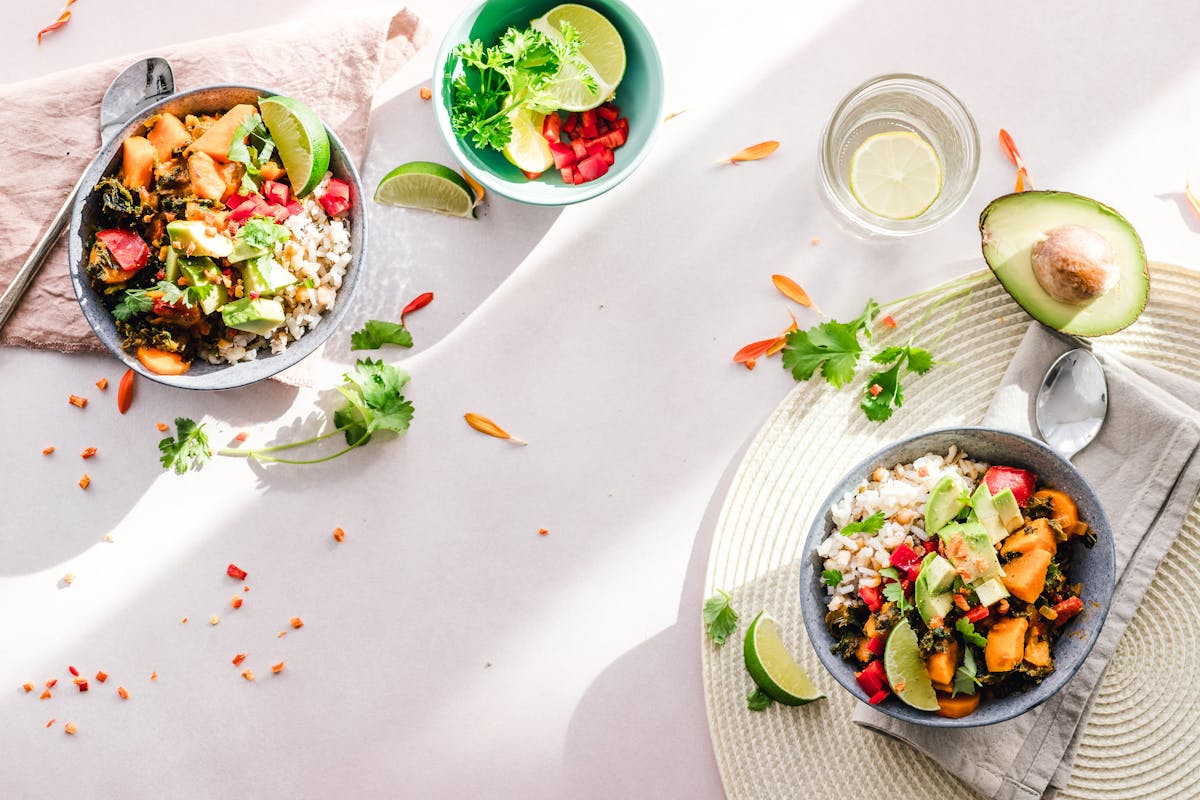
- With greens drinks: Enjoy alongside a vegetable‑packed omelet, avocado toast, or a grain bowl at lunch.
- With protein coffee: Pair with fruit, yogurt parfaits, overnight oats, or a breakfast burrito instead of skipping food entirely.
- With adaptogen lattes: Sip as an evening wind‑down drink with a small snack like nut butter on whole‑grain toast or a piece of fruit.
A Balanced Take on Functional ‘Super‑Food’ Drinks
Greens powders, protein coffee, and adaptogen lattes aren’t magic bullets—but they can be joyful, practical tools in your wellness toolkit. They shine brightest when they complement a lifestyle rich in colorful plants, quality proteins, whole grains, healthy fats, good sleep, and movement you genuinely enjoy.
Let your drinks be a moment of daily care: the whisk of a frother, the clink of ice cubes, the first deep inhale of coffee or cacao. Then, let the rest of your plate—and your life—do the heavy lifting. One delicious, thoughtful sip at a time, you’re building habits that truly nourish.
