
Glow From the Gut: A Comforting Bowl Recipe for Fermented Food & Probiotic Lovers
Cozy Gut-Friendly Grain Bowl with Kimchi, Yogurt & Roasted Veg
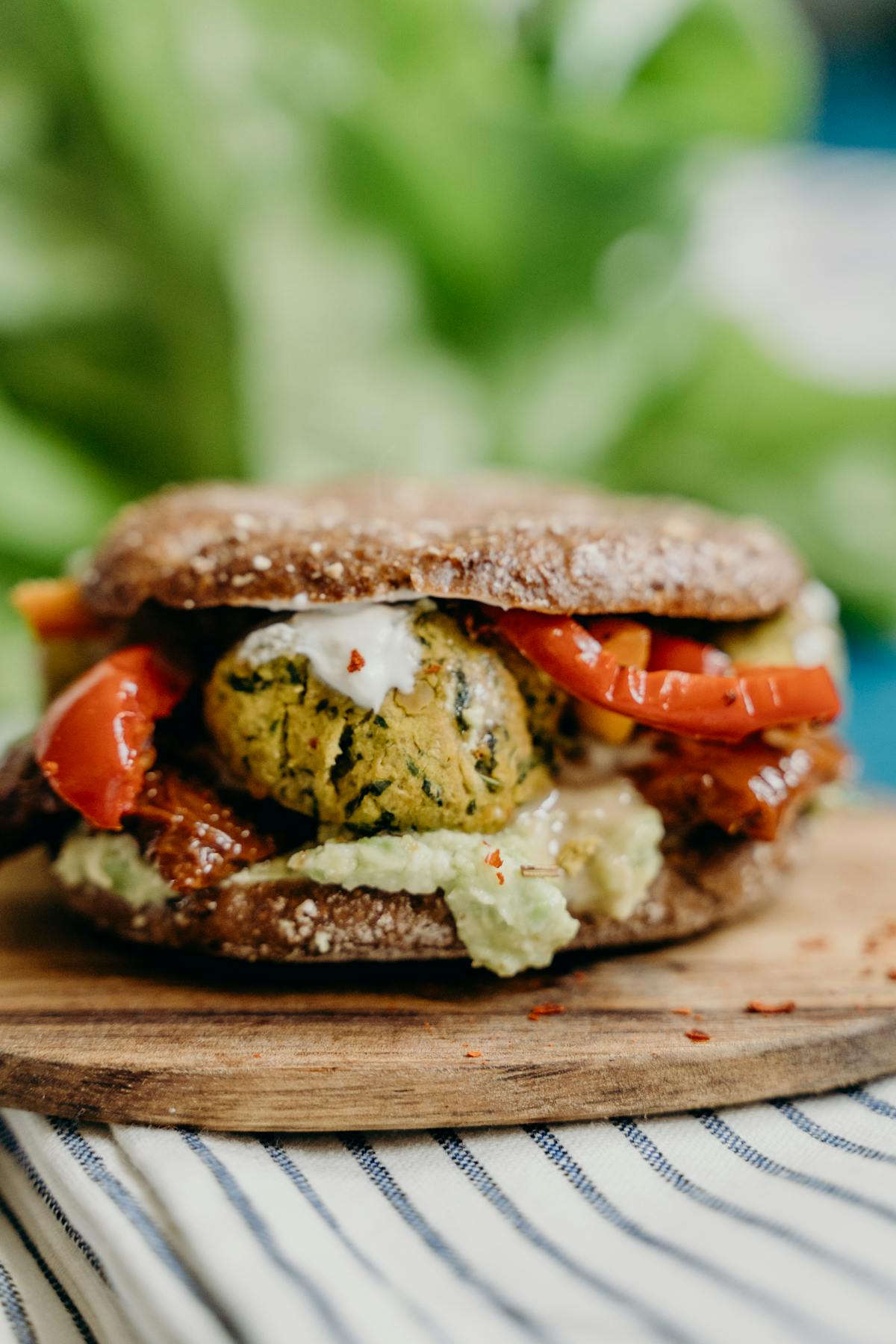
This cozy gut-friendly grain bowl brings together fermented foods, prebiotic vegetables, and colorful plants in one deeply satisfying meal. It’s inspired by the global love for kimchi, yogurt, and fiber-rich grains—a delicious way to enjoy the current gut health and “probiotic diet” trend without chasing extreme detoxes or miracle cures. Think warm, nutty grains; sweet, caramelized vegetables; tangy, crunchy kimchi; and a cool, creamy yogurt drizzle that brings everything together in a single, nourishing bowl.
Recipe Snapshot
Prep time: 20 minutes
Cook time: 30 minutes
Total time: 50 minutes
Servings: 2 hearty bowls
Difficulty: Easy–Moderate
Diet: High-fiber, gut-friendly, vegetarian (with vegan option)
Gut Health, Fermented Foods & Microbiome-Friendly Eating
Gut health has become one of the most searched and shared nutrition topics online, and for good reason. Our gut microbiome—a bustling community of bacteria, fungi, and other microbes—seems to influence everything from digestion and immune function to metabolic health, inflammation, and possibly even mood. While the science is still evolving, the idea that “a healthy gut supports a healthy body” has captured people’s imagination around the world.
Instead of quick-fix “gut detoxes,” many nutrition experts now emphasize steady, sustainable habits: more plant diversity, more fermented foods, and fewer ultra-processed products and sugary drinks. This recipe turns those principles into something you can literally scoop up with a spoon—comforting, colorful, and full of texture.

“Think of your gut microbes as a tiny garden. They thrive on fiber-rich plants, gentle variety, and regular ‘sips’ of fermented foods—not on extreme cleanses.”
Ingredients for Gut-Friendly Grain Bowl
This recipe serves 2 as a generous main. It’s flexible—use what you have, and don’t stress about perfection.
For the Grain Base
- 1 cup (180 g) cooked whole grains (oats, barley, brown rice, or quinoa)
- 1 cup (240 ml) water or low-sodium vegetable broth (for cooking grains, if uncooked)
- 1/4 teaspoon fine sea salt
For the Roasted Vegetables
- 1 small sweet potato (about 150 g), cut into 1.5 cm cubes
- 1 small carrot, sliced into coins
- 1/2 small red onion, cut into wedges (great source of prebiotic fibers)
- 1 tablespoon extra-virgin olive oil
- 1/2 teaspoon ground cumin (optional, for warmth)
- 1/4 teaspoon smoked paprika (optional, for depth)
- Fine sea salt and freshly ground black pepper, to taste
For the Fermented & Fresh Toppings
- 1/2 cup (about 80 g) kimchi or naturally fermented sauerkraut, roughly chopped if needed
- 1/2 cup (120 g) plain live-culture yogurt (dairy or unsweetened plant-based with probiotics)
- 1 small cucumber, thinly sliced
- 1 small avocado, sliced (optional but luxurious)
- 2 tablespoons toasted seeds (pumpkin, sunflower, or mixed)
- 2 tablespoons chopped fresh herbs (parsley, cilantro, or chives)
- 1 teaspoon extra-virgin olive oil for drizzling
- Lemon wedges, for serving
Optional Flavor Boost Yogurt Drizzle
- 1/4 cup (60 g) additional plain yogurt
- 1 teaspoon lemon juice
- 1 small garlic clove, very finely grated or minced (adds prebiotic fiber but can be strong; adjust to tolerance)
- Pinch of salt and black pepper
Equipment You’ll Need
- Sharp chef’s knife and cutting board
- Medium saucepan with lid (for grains)
- Large baking tray or sheet pan
- Mixing bowl for yogurt drizzle (optional)
- Measuring cups and spoons
- Two wide, shallow bowls for serving

Step-by-Step Cooking Instructions
Follow these steps in order to keep things flowing smoothly. While the vegetables roast, you can prepare the toppings so everything comes together at the same time.
1. Cook the Whole Grains
- If your grains are uncooked, rinse 1/2 cup (about 90 g) of dry grains under cold water until it runs mostly clear.
- Add grains to a saucepan with 1 cup (240 ml) water or broth and 1/4 teaspoon salt. Bring to a gentle boil, then reduce heat, cover, and simmer until tender (about 15–20 minutes for oats or quinoa, 25–30 minutes for barley or brown rice).
- Once cooked, let stand covered for 5 minutes, then fluff with a fork. Keep warm on the lowest heat or covered off the stove.
2. Roast the Vegetables
- Preheat your oven to 200 °C (400 °F). Line a baking tray with parchment paper for easier cleanup.
- In a bowl, toss the sweet potato cubes, carrot slices, and red onion wedges with 1 tablespoon olive oil, cumin, smoked paprika, salt, and pepper until everything is well coated.
- Spread the vegetables in a single layer on the baking tray. Roast for 20–25 minutes, stirring once halfway, until they are tender with crisp, caramelized edges.
3. Prepare Fermented & Fresh Toppings
- While the vegetables roast, slice the cucumber and avocado, and roughly chop the kimchi if the pieces are large. Set aside.
- Toast the seeds in a dry pan over medium heat for 2–3 minutes, stirring frequently, until fragrant and just starting to pop. Transfer to a small bowl to cool.
- Finely chop your fresh herbs.

4. Mix the Yogurt Drizzle (Optional)
- In a small bowl, whisk together 1/4 cup yogurt, lemon juice, garlic, salt, and pepper. Taste and adjust—add more lemon for brightness or a few drops of water for a thinner drizzle.
5. Assemble Your Gut-Friendly Bowl
- Divide the warm grains between two wide bowls, spreading them out as a base.
- Arrange the roasted vegetables, kimchi, cucumber slices, and avocado on top in separate “piles” so you can see each colorful component.
- Add a generous dollop (about 1/4 cup) of plain yogurt to each bowl, or drizzle over the prepared yogurt sauce.
- Sprinkle with toasted seeds and chopped herbs. Finish with a light drizzle of olive oil and a squeeze of lemon.
Ingredient Substitutions & Dietary Adaptations
This bowl is more of a template than a strict formula. Here are some easy swaps to fit different needs and what you have on hand.
- Gluten-free: Use gluten-free grains such as quinoa, brown rice, or certified gluten-free oats. Check labels on kimchi and miso if you use them.
- Vegan / dairy-free: Replace yogurt with an unsweetened coconut, soy, or almond yogurt that contains live cultures, or use a drizzle of tahini-lemon sauce instead.
- Low-spice version: Choose mild sauerkraut or plain live-culture yogurt instead of spicy kimchi if your gut is sensitive to heat.
- Different fermented options: Top with a spoonful of miso-thinned-with-water, tempeh cubes, a splash of kefir, or a little kombucha vinaigrette.
- Extra prebiotic fiber: Add sliced leeks, garlic, or asparagus tips to the roasting tray, or include a side of lightly cooked chickpeas or other legumes.
Storage & Reheating Tips
This recipe is a great candidate for meal prep if you store each component smartly. Keeping fermented foods cool and separate helps preserve their flavor and friendly microbes.
- Grains: Cool completely, then store in an airtight container in the fridge for up to 4 days. Reheat with a splash of water on the stove or in the microwave until steaming hot.
- Roasted vegetables: Refrigerate in a separate container for up to 3–4 days. Reheat in a 180 °C (350 °F) oven or air fryer for 5–8 minutes, or in a pan with a bit of oil.
- Fermented toppings (kimchi, sauerkraut): Keep refrigerated in their own sealed jar. Use a clean utensil each time to avoid contamination.
- Yogurt and yogurt sauce: Store covered in the fridge for up to 3 days. Stir before using.
- Assembling later: Reheat grains and vegetables first, then add cold yogurt, kimchi, and fresh toppings just before serving.
Serving Suggestions & Pairings
This gut-friendly grain bowl is satisfying enough to stand on its own, but you can build it into a larger meal or a full-day “microbiome-friendly” menu.
- For a bigger spread: Serve alongside a simple green salad dressed with extra-virgin olive oil and lemon, plus a pot of green tea or herbal tea.
- For extra protein: Add a soft-boiled egg, grilled tempeh, or a scoop of seasoned lentils on top.
- As part of a gut-supportive day: Enjoy a fiber-rich breakfast with yogurt, oats, and berries; this bowl for lunch or dinner; and a square of dark chocolate or a handful of berries for dessert.
- Seasonal twist: In summer, use tomatoes, zucchini, and fresh corn instead of root vegetables. In winter, lean into squash, Brussels sprouts, and cabbage.
A Gentle Note on Gut-Health Claims
There is a lot of hype around probiotic supplements, microbiome “reset” programs, and at-home sensitivity tests. Many of these claims go beyond what current science can confidently promise—especially when they suggest curing complex conditions quickly or through a single food or pill.
This recipe leans on the best-supported, down-to-earth guidance:
- Enjoy 25–38 g of fiber per day from a variety of plants when tolerated.
- Include fermented foods regularly for live microbes.
- Emphasize minimally processed, plant-forward meals.
- Avoid unnecessary restriction unless you have a medically diagnosed condition.
If something doesn’t sit well with you—kimchi is too spicy, onions are too intense—listen to your body. You can still eat in a microbiome-friendly way by focusing on gentle fibers and fermented options that feel good personally.
Final Thoughts for Home Cooks
You don’t need a perfect “microbiome diet” to support your gut—just small, consistent choices, like the bowl you’ve just made. Every time you roast an extra tray of vegetables, stir live-culture yogurt into a sauce, or top your grains with kimchi instead of a heavy cream sauce, you’re feeding the tiny ecosystem inside you.
Whether you’re brand-new to fermented foods or already brewing your own kombucha, this recipe is designed to meet you where you are. Taste as you go, adjust the spice level, and celebrate each colorful, nourishing bowl you put on the table.
