
She Ate Chocolate Cake Every Day for 6 Years — Here’s the Surprisingly Healthy Recipe
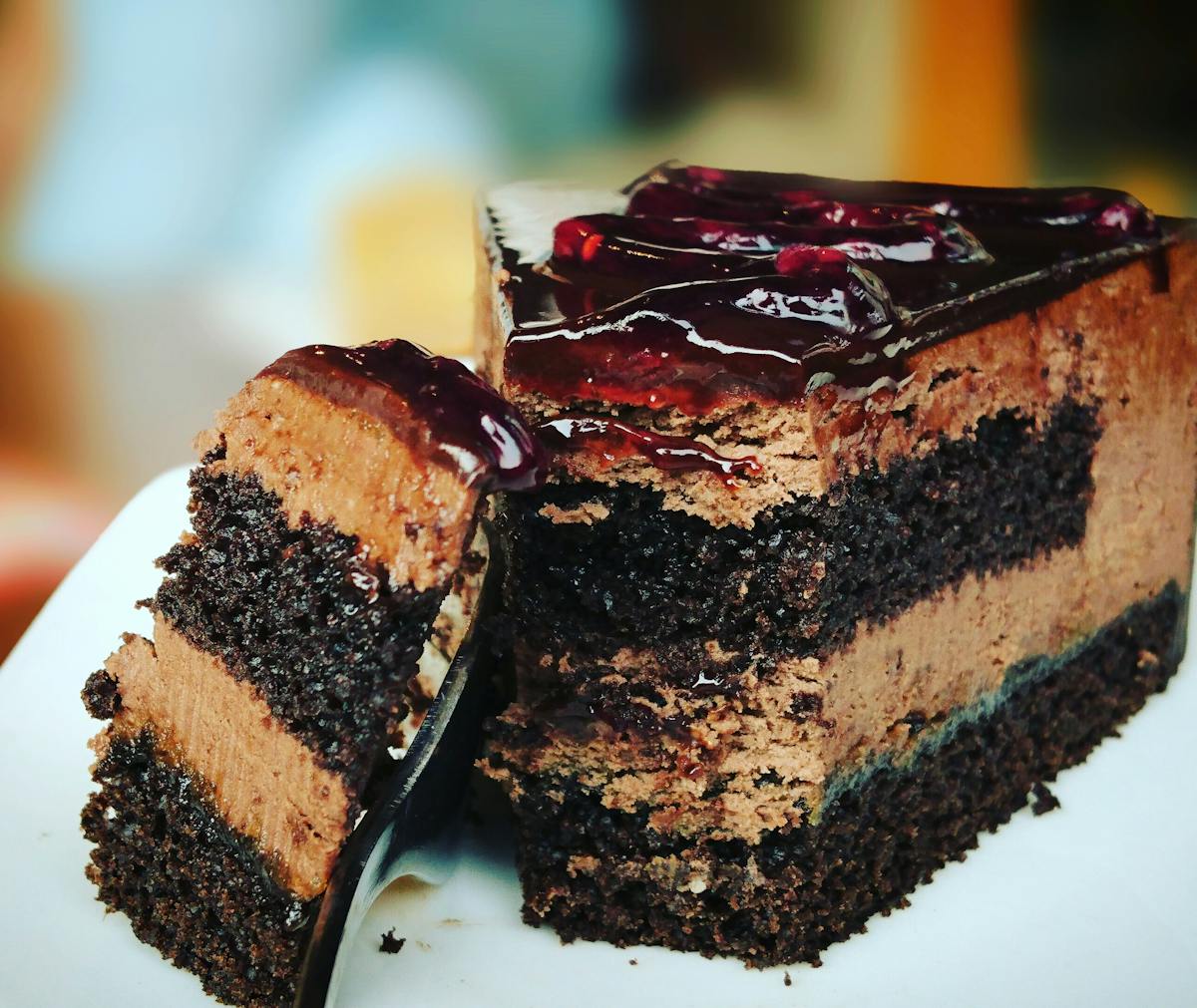
For most of us, “chocolate cake every day” sounds like a fantasy you’d pay for later — with low energy, blood sugar crashes, or nagging guilt. Cookbook author Rachel Riggs quietly challenged that story: she ate a slice of her nutrient-packed chocolate cake almost daily for six years, while staying focused on feeling good, not deprived.
Her approach isn’t about magical metabolism or a miracle superfood. It’s about smart ingredient choices, balanced nutrition, and a recipe so simple you can whisk it together on a busy Tuesday night. In this article, we’ll walk through what makes Rachel’s “unfussy” cake different, how it can fit into a healthy lifestyle, and how to make a version of it in your own kitchen.

Before we dive in: eating chocolate cake every day isn’t a universal prescription. Bodies, health conditions, and goals differ. But understanding the strategy behind Rachel’s cake can help you enjoy dessert more often — with far less stress and far more intention.
Why Daily Chocolate Cake Sounds “Wrong” — and What Rachel Did Differently
Many people see dessert as something to “earn” or “burn off.” That mindset can create a cycle of restriction, cravings, and overeating. Rachel Riggs took a different path: if she loved chocolate cake, why not design one that:
- Was gentle on blood sugar
- Included a meaningful amount of protein and fiber
- Could be adapted for common food allergies and intolerances
- Used mostly pantry ingredients and one bowl
“I didn’t set out to eat cake every day. I set out to build a dessert I could enjoy often without feeling like I was working against my body. Once I did that, having a slice most days just… fit.” — Adapted from Rachel Riggs’ interviews about her cookbook
Nutritionally, her cake leans on higher-protein flours, quality fats, less refined sugar, and ingredients like cocoa that bring flavor and beneficial compounds. It’s still dessert, but it’s thoughtfully engineered dessert.
Can Chocolate Cake Fit a Healthy Diet? What Research Actually Says
The idea of “healthy chocolate cake” can sound like marketing, but there are a few evidence-based principles behind making dessert more everyday-friendly:
- Protein and fiber help with fullness. Protein and fiber slow digestion and can help stabilize blood sugar after meals. Cakes built with higher-fiber flours (like oat or nut flour) and added protein sources can be more satisfying than those made only with refined white flour.
- Quality fats support satiety. Swapping some saturated fats for unsaturated options (like certain plant oils or nut butters) can be more heart-friendly while also helping you feel satisfied with a reasonable portion.
- Portion matters as much as ingredients. A nutrient-dense cake can still be overeaten. Many dietitians emphasize enjoying sweets mindfully rather than aiming for “guilt-free” labels.
- Cocoa has beneficial compounds. Unsweetened cocoa powder contains polyphenols and flavanols, which have been studied for cardiovascular and cognitive benefits when consumed in moderation as part of an overall healthy pattern.
Large nutrition reviews consistently suggest that overall eating patterns — plenty of plants, enough protein, minimally processed foods most of the time — have a greater impact on health than any single dessert. Within that context, a thoughtfully designed slice of chocolate cake can fit.
Inside Rachel Riggs’ One-Bowl, Protein-Packed Chocolate Cake
CNN’s coverage of Rachel Riggs’ cookbook highlights her “signature unfussy cake” that uses:
- One bowl
- A single whisk
- Protein-focused ingredients
- Allergen-aware swaps (like dairy-free or gluten-free options)
For copyright reasons, this article does not reproduce her exact proprietary recipe. Instead, you’ll find a closely inspired, nutritionally similar version that follows the same spirit: simple, forgiving, and designed to be a dessert you can enjoy often, not just on birthdays.

Everyday-Friendly Chocolate Cake (Inspired by Rachel Riggs)
This inspired recipe is designed to echo the features highlighted in coverage of Riggs’ cake: protein-forward, one-bowl, and adaptable for various needs. Adjust toppings and sweetener to your taste and health goals.
Key Features
- One bowl, one whisk, minimal clean-up
- Protein from yogurt, eggs, and optional protein powder
- Higher fiber from oat and almond flour
- Gluten-free and dairy-free variations available
Suggested Ingredients (Inspired Version)
Makes: One 8-inch (20 cm) round or square cake — about 8–10 slices
Dry ingredients
- 1 cup (100 g) oat flour (certified gluten-free if needed)
- 1 cup (100 g) fine almond flour
- 1/4 cup (25 g) unsweetened cocoa powder
- 1/4 cup (25–30 g) chocolate-friendly protein powder (optional, unsweetened or lightly sweetened)
- 1/2 cup (100 g) coconut sugar or packed light brown sugar
- 1 1/2 tsp baking powder
- 1/2 tsp baking soda
- 1/4 tsp fine sea salt
Wet ingredients
- 2 large eggs (room temperature), or flax/chia “eggs” for vegan
- 1 cup (240 g) plain Greek-style yogurt or thick dairy-free yogurt
- 1/4 cup (60 ml) neutral oil or melted coconut oil
- 1/4–1/3 cup (60–80 ml) maple syrup or honey (adjust to taste)
- 1/3–1/2 cup (80–120 ml) unsweetened plant milk or dairy milk, as needed for batter consistency
- 1 1/2 tsp vanilla extract
- 1–2 tsp brewed coffee or espresso (optional, to deepen chocolate flavor)
Optional add-ins and toppings
- 2–3 tbsp mini dark chocolate chips
- Fresh berries or sliced fruit on top
- Thin smear of nut butter or yogurt “frosting” instead of heavy icing
Step-by-Step Instructions
- Prep the pan. Lightly grease an 8-inch pan and line the bottom with parchment for easy release. Preheat oven to 350°F (175°C).
- Whisk dry ingredients. In a large bowl, whisk oat flour, almond flour, cocoa, protein powder, sugar, baking powder, baking soda, and salt until well combined and lump-free.
- Add wet ingredients. To the same bowl, add eggs, yogurt, oil, maple syrup, vanilla, and coffee (if using). Whisk until mostly smooth. Add milk a little at a time until you have a thick but pourable batter.
- Fold in extras. Gently fold in chocolate chips or chopped nuts if using. Avoid overmixing.
- Bake. Pour batter into the prepared pan and smooth the top. Bake 22–28 minutes, or until the center springs back lightly and a toothpick comes out with a few moist crumbs.
- Cool and serve. Let cake cool at least 15–20 minutes. Serve plain, with berries, or with a thin layer of yogurt or whipped topping.
How to Enjoy This Cake Regularly Without Derailing Your Health Goals
Rachel Riggs’ story resonates because she found a way to weave joy into daily life without ignoring health. If you’d like to enjoy chocolate cake more regularly, consider these practical guidelines:
- Think “small, satisfying slice.” Daily cake works best when the portion is modest and truly enjoyed, not mindlessly eaten.
- Pair with protein and fiber. Have your slice after a meal that already includes protein, healthy fats, and vegetables. This can blunt blood sugar spikes.
- Plan, don’t graze. Decide ahead of time when you’ll enjoy your cake — for example, with afternoon tea or as an after-dinner dessert — rather than snacking on it all day.
- Notice how you feel. Energy, digestion, sleep, and mood are all data. If daily cake leaves you sluggish or disrupts blood sugar, scale back the frequency or portion.
- Keep the rest of your pattern nutrient-dense. The more your other meals are built around whole foods, the more room you have for intentional treats.

Common Obstacles (and Realistic Ways Around Them)
Turning an everyday-style cake into a habit can come with real-world challenges. Here’s how readers often get stuck — and some gentle, practical responses.
1. “If I bake a cake, I’ll eat the whole thing.”
- Slice and freeze half the cake the same day you bake it.
- Store daily portions individually wrapped so you’re less likely to nibble directly from the pan.
- Share a portion with neighbors, coworkers, or friends.
2. “I don’t have time for complicated recipes.”
- Choose truly one-bowl recipes like this inspired version or Rachel’s original.
- Pre-mix the dry ingredients on the weekend so you only add wets and bake during the week.
- Use muffin tins to speed up bake time and portioning.
3. “I’m dealing with allergies or intolerances.”
This is exactly why allergen-aware bakers like Rachel Riggs are so valuable. Look for recipes (or cookbook sections) specifically labeled for:
- Gluten-free (using oat, almond, or other alternative flours)
- Dairy-free (with coconut, oat, or soy-based yogurt and milk)
- Nut-free (swapping almond flour for seed-based or oat-only blends)
Before vs. After: Rethinking “Everyday Dessert”
You don’t need to copy Rachel Riggs’ exact routine to benefit from her approach. Use it as inspiration to shift from “all-or-nothing treats” toward “intentionally designed joy.”
| Before | After (Inspired by Everyday Cake) |
|---|---|
| Restrict sweets all week, then binge on weekends | Plan 1 small dessert most days, made with better-for-you ingredients |
| Desserts mostly from ultra-processed packaged snacks | Desserts mostly home-baked, using whole-food ingredients when possible |
| Guilt and “I have no willpower” self-talk | Curiosity and “How does this feel in my body?” self-reflection |
| Dessert as something to earn or burn off | Dessert as one thoughtful part of an overall pattern |
What Nutrition Experts Might Say About “Cake Every Day”
While individual professionals may differ, many modern dietitians lean away from strict food rules and toward flexible patterns that emphasize overall balance.
“No single food determines your health. It’s the pattern of your eating, movement, sleep, and stress over time that matters most. A thoughtfully prepared dessert, enjoyed regularly and mindfully, can absolutely fit into a nourishing lifestyle for many people.”
— Paraphrased consensus from contemporary nutrition practice
That said, experts consistently caution against assuming that “healthy” dessert is limitless. Even with better ingredients, portions and personal health conditions still matter. If you’re unsure where your line is, consider a one-time consult with a registered dietitian to tailor an approach to your unique situation.
Bringing It Home: Your Next Slice, Intentionally
Rachel Riggs’ six-year chocolate cake habit isn’t a command to eat dessert daily. It’s an invitation to design treats that genuinely support you: your preferences, your body, your schedule. Her one-bowl, nutrient-conscious cake shows that dessert doesn’t have to be an all-or-nothing choice between indulgence and well-being.
If you’re curious, here’s a simple way to start:
- Pick one evening this week to bake the inspired cake (or grab Rachel’s cookbook for her exact version).
- Slice it into modest portions and freeze what you don’t plan to eat within 2–3 days.
- Enjoy a slice on a few different days and jot down how you feel afterward — energy, mood, cravings.
- Adjust frequency, portion size, or ingredients based on your body’s feedback.
You deserve desserts that love you back. With a whisk, a single bowl, and a little curiosity, you can build a chocolate cake tradition that feels both comforting and considered — whether you enjoy it once a week or, like Rachel, nearly every day.
