
Scientists Reveal Everyday Foods That May Raise Your Cancer Risk (And What To Eat Instead)
New research is again raising questions about how what we eat may influence our cancer risk—especially when it comes to ultra-processed foods and certain preservatives. If you’ve ever stared at an ingredient label and wondered whether it’s quietly hurting your health, you’re not alone.
Scientists recently reported links between specific additives in processed foods and higher rates of some cancers. At the same time, oncology dietitians and doctors are emphasizing a reassuring truth: no single food or ingredient “causes” cancer by itself, and your overall dietary pattern matters far more than any one snack.
In this guide, we’ll walk through what the latest evidence actually says, which foods and preservatives are under the microscope, and how you can adjust your everyday eating habits in a realistic, sustainable way—without fear or food guilt.

The Big Question: Do Certain Foods Really Raise Cancer Risk?
The short answer: some foods and ingredients are consistently linked with a higher risk of certain cancers, especially when they’re a big part of your diet over many years. But the relationship is complex and influenced by genetics, lifestyle, environment, and more.
Recent large-scale studies, including cohort research in Europe and North America, suggest that:
- People who eat more ultra-processed foods tend to have higher rates of some cancers, especially colorectal and breast cancers.
- Specific additives and preservatives—such as some nitrites/nitrates in processed meats—are associated with higher cancer risk in a dose-dependent way.
- Diet quality overall (fiber, fruits, vegetables, whole grains, legumes) can partly offset risk, even in people who still eat some processed foods.
“Cancer risk is rarely about a single food. It’s the pattern—high in ultra-processed foods, low in plants and fiber, combined with smoking, inactivity, and excess body weight—that moves the needle.”
— Medical oncologist & nutrition researcher, summarizing current evidence
So rather than asking, “Is this one ingredient toxic?” a more helpful question is, “How can I shift my eating pattern so that potentially risky foods are only occasional players, not the stars of the show?”
What the Latest Research Is Pointing To
The article you’re referring to highlights emerging data linking:
- Ultra-processed foods (UPFs) such as packaged snacks, sugary cereals, instant noodles, processed meats, and many frozen ready-meals
- Certain preservatives and additives, especially:
- Nitrites and nitrates in processed meats (e.g., bacon, hot dogs, deli meats)
- Some categories of emulsifiers, sweeteners, and colorings still under investigation
Large epidemiological studies (like those from the French NutriNet-Santé cohort and UK Biobank) have found that higher intake of ultra-processed foods is associated with:
- Increased risk of colorectal cancer
- Higher overall cancer incidence in some populations
- Greater risk of weight gain, type 2 diabetes, and cardiovascular disease—which themselves influence cancer risk
These foods are often:
- High in added sugars, unhealthy fats, and sodium
- Low in fiber and protective phytonutrients
- Engineered for “hyper-palatability,” making it easy to overeat
When you layer in preservatives like nitrites, which can form potentially carcinogenic compounds in the body, it creates a combination that may nudge risk upward over time.
Surprising Foods and Ingredients That May Raise Cancer Risk
Some of the foods linked with higher cancer risk don’t always look “unhealthy” at first glance. It often comes down to how they’re made and what’s added to them.
1. Processed Meats with Nitrites
Examples include:
- Bacon, sausages, hot dogs
- Deli meats (ham, salami, bologna, turkey slices)
- Some packaged pepperoni and jerky products
The World Health Organization classifies processed meat as a Group 1 carcinogen for colorectal cancer, meaning there’s strong evidence that frequent, long-term intake increases risk. The concern isn’t one BLT—it’s a pattern of eating these products regularly over many years.
2. Ultra-Processed Snack Foods
These often combine refined starches, added sugars, unhealthy fats, and multiple additives:
- Packaged cookies, pastries, and cakes
- Flavored chips and crackers
- Sugary breakfast cereals and cereal bars
They’re easy to overeat, displace more protective foods like fruit and nuts, and can contribute to weight gain—a known, modifiable cancer risk factor.
3. Sugary Drinks and Sweetened Coffees
High intake of sugar-sweetened beverages is tied to obesity, fatty liver, and type 2 diabetes, all of which are linked with several cancers (including liver, endometrial, and postmenopausal breast cancer). Many “coffeehouse” drinks are essentially liquid dessert.
4. Ready Meals with Long Ingredient Lists
Not all frozen or shelf-stable meals are problematic, but those heavy in processed meats, creamy sauces, and long lists of stabilizers and flavor enhancers tend to be higher in sodium and saturated fat and lower in fiber—an unfavorable mix for long-term health.
Understanding Food Preservatives and Additives
Many preservatives and additives improve food safety and shelf life, which has benefits. The concern arises when some of these substances, under certain conditions, can form compounds that may be carcinogenic in large amounts or over long periods.
Nitrites and Nitrates
Used to preserve color and prevent bacterial growth in cured meats, nitrites can form N-nitroso compounds in the body—some of which are carcinogenic in animal models and strongly suspected in humans.
- Look for ingredients like sodium nitrite or sodium nitrate.
- “Uncured” or “no nitrites added” meats may still use natural sources like celery powder, which can also generate nitrites.
Other Additives Under Study
Researchers are actively investigating whether frequent, long-term consumption of certain emulsifiers, artificial sweeteners, and colorings might influence inflammation, gut microbiome health, or metabolic risk, which in turn could affect cancer risk. Evidence is still emerging and not definitive.
“Rather than fearing every E-number, I advise patients to focus on minimizing highly processed foods overall. That way, you automatically reduce exposure to many additives without obsessing over each label.”
— Oncology dietitian, cancer center clinic
Practical Food Swaps: From Higher-Risk to Cancer-Smart Choices
You don’t need a perfect diet to support cancer prevention. Small, consistent swaps can meaningfully improve your overall pattern over time.
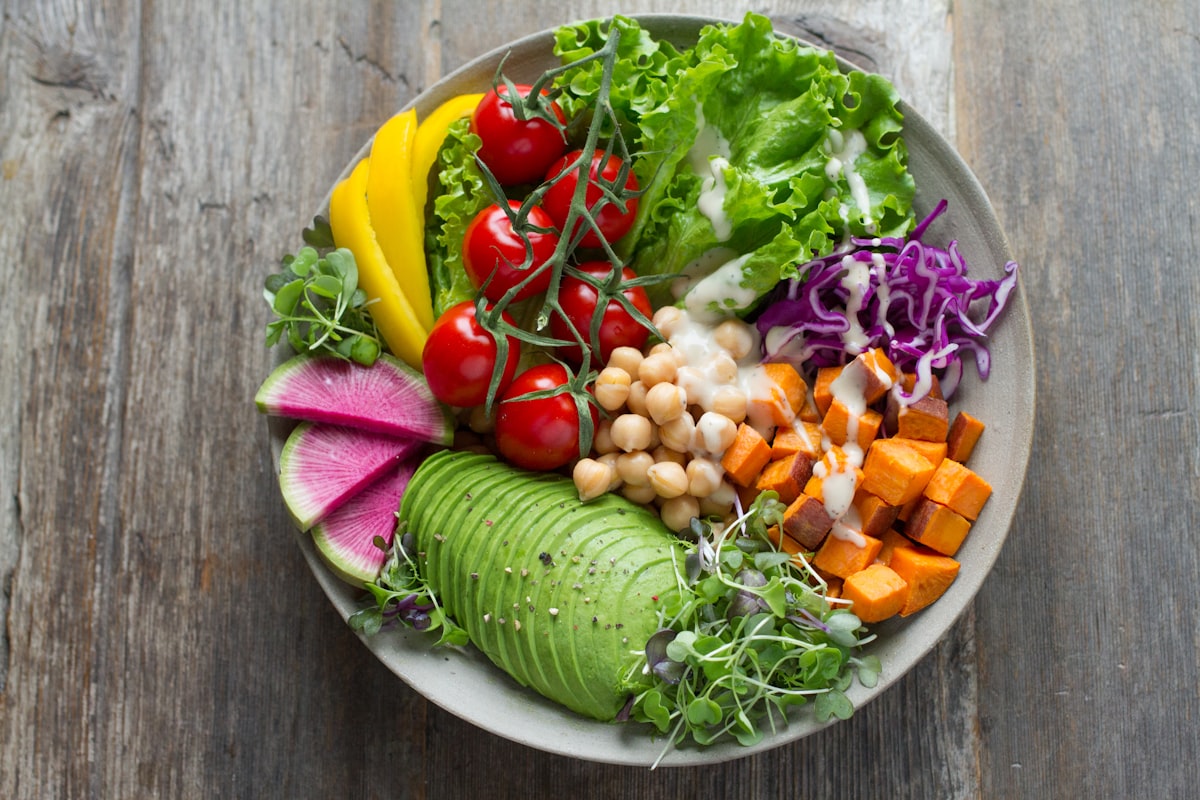
Simple Swaps You Can Start This Week
- Instead of: Bacon or sausage most mornings
Try: Eggs with vegetables, Greek yogurt with berries, or oatmeal with nuts and seeds. - Instead of: Daily deli meat sandwiches
Try: Leftover roasted chicken, tuna mixed with Greek yogurt, hummus with veggies, or a bean-based spread. - Instead of: Chips and cookies as default snacks
Try: Nuts, fruit, plain popcorn, or whole-grain crackers with cheese or hummus. - Instead of: Sugary sodas and sweetened coffee drinks
Try: Sparkling water with citrus, unsweetened tea, or coffee with minimal sugar and cream. - Instead of: Frequent creamy frozen meals
Try: Batch-cooked grains (like brown rice or quinoa) with frozen vegetables and a simple protein (beans, tofu, or chicken).
Case Study: A Realistic 3-Month Shift
An oncology dietitian described a patient in her 50s who relied on deli meats, frozen dinners, and sweetened coffee drinks most days. Rather than overhaul everything overnight, they agreed on three steps:
- Limit processed meats to once per week.
- Add at least one vegetable or fruit to every meal.
- Swap one sugary drink per day for water or unsweetened tea.
Over three months, the patient reported fewer energy crashes, modest weight loss, and—importantly—a sense of control over her health. While this doesn’t “prove” cancer prevention, it aligned her diet much more closely with evidence-based cancer prevention guidelines.
Common Obstacles (and How to Overcome Them)
Changing long-standing food habits is hard, especially if you’re busy, stressed, or on a tight budget. It’s completely normal to feel overwhelmed when you first hear about potential cancer links.
“I Don’t Have Time to Cook”
- Use semi-convenience items like pre-washed salad greens, frozen vegetables, canned beans, and rotisserie chicken.
- Batch-cook one or two simple dishes (like a bean chili or veggie-rich pasta sauce) on weekends to reheat during the week.
“Healthier Options Are Too Expensive”
- Prioritize budget-friendly staples: oats, brown rice, lentils, canned beans, frozen vegetables, eggs, and seasonal fruits.
- Swap processed meats for beans or lentils a few times per week—often cheaper and higher in fiber.
“Food Is My Comfort. I’m Afraid to Give Things Up.”
- Keep favorite foods in your life as occasional treats, not daily habits.
- Focus on adding protective foods (fruits, veggies, whole grains) before aggressively cutting things out.
What a Cancer-Preventive Eating Pattern Looks Like
Major cancer organizations largely agree on the big-picture approach. While specifics may vary, the overall pattern is consistent and realistic for most people.

Key Features of a Cancer-Smart Diet
- Plenty of plants: Aim for at least five servings of vegetables and fruits per day.
- High-fiber carbohydrates: Choose whole grains (oats, brown rice, barley, quinoa) over refined grains.
- Regular legumes: Beans, lentils, and peas several times per week.
- Limited processed meats: Keep bacon, sausage, and deli meats for rare occasions.
- Moderated red meat: Prefer fish, poultry, beans, and tofu more often.
- Healthy fats: Emphasize olive oil, nuts, seeds, and avocado.
- Minimal sugar-sweetened beverages: Water and unsweetened drinks as everyday defaults.
A Before-and-After Day of Eating
Before (Higher-Risk Pattern)
- Breakfast: Sugary cereal with flavored milk, orange juice
- Lunch: White-bread deli meat sandwich, chips, soda
- Snack: Packaged cookies, sweetened coffee drink
- Dinner: Frozen creamy pasta meal, garlic bread
After (More Protective Pattern)
- Breakfast: Oatmeal with berries and walnuts, unsweetened tea
- Lunch: Leftover roasted chicken on whole-grain bread with lettuce and tomato, side salad, sparkling water
- Snack: Apple and a handful of almonds, black coffee or lightly sweetened
- Dinner: Brown rice bowl with beans, roasted vegetables, and avocado
Putting It All Together: Your Next Best Steps
It’s understandable to feel uneasy when you read headlines about food and cancer. But this new research doesn’t mean you need to panic or adopt a perfect diet. It’s an invitation to make incremental, meaningful shifts that fit your reality.
A 5-Step Action Plan
- Audit your week: For a few days, jot down how often you eat processed meats, ultra-processed snacks, and sugary drinks.
- Pick one high-impact change: For many people, reducing processed meats or sugary drinks has the biggest payoff.
- Add, don’t just subtract: Every time you reduce a processed item, add a fruit, vegetable, or whole-grain alternative.
- Plan for convenience: Stock quick, healthier options so you’re not forced into the most processed choice when you’re tired.
- Check in with your healthcare team: If you have a history of cancer or high risk, ask for a referral to an oncology dietitian for tailored guidance.

You don’t have to change everything at once. Start where you are, choose one or two shifts that feel doable this week, and build from there. Over time, those small decisions add up to a dietary pattern that supports lower cancer risk—and better overall health.
Your call-to-action today: choose one processed food you eat regularly and decide how you’ll cut it in half or swap it for a less processed option this week. That’s a powerful, realistic step toward a more cancer-smart lifestyle.
