
Gaming More Than 10 Hours a Week? What Science Says About Your Health
If you regularly sink more than 10 hours a week into gaming, you’re in very good company—and you might also be wondering what that’s doing to your health. New research highlighted by Gizmodo looked at the health of different types of video gamers in Australia, and the results are a lot more nuanced (and reassuring) than the usual “games are bad” headlines.
In this article, we’ll unpack what scientists actually found, what heavy gaming might mean for your sleep, mood, and social life, and how to set up simple, science-backed habits so you can keep enjoying your favorite games without quietly sacrificing your wellbeing.

I’ll walk through the latest findings in plain language, then translate them into practical steps—so you can game more intentionally, not less joyfully.
The Real Question: Is Heavy Gaming Actually Bad for You?
Whenever a new gaming study trends, it’s easy to walk away thinking “More than X hours = unhealthy”. But that’s not quite how the science works. Recent research from Australia—covering people who game casually, heavily, and in more problematic ways—suggests:
- Simply playing more than 10 hours a week doesn’t automatically mean poor health.
- Some heavy gamers report good mental health, strong social ties, and decent sleep.
- Problems tend to show up when gaming starts to crowd out basics like sleep, movement, and offline relationships.
“It’s not the number of hours alone that matters—it’s whether gaming interferes with daily functioning, health, or responsibilities.”
— Summary of findings from recent Australian gamer health research (2025)
So if you’re clocking double-digit hours each week, the key questions aren’t “How long?” but “What’s it replacing?” and “How does it leave you feeling?”
What Scientists Found: Three Types of Gamers and Their Health
The Australian study highlighted in Gizmodo looked at gamers and roughly grouped them into three patterns of play. While exact labels vary by paper, they typically resemble:
- Recreational gamers – play regularly, but gaming fits comfortably around work, school, and sleep.
- Heavy but balanced gamers – log many hours (often 10+ per week) yet still keep up with responsibilities.
- Problematic or disordered gamers – have trouble stopping, and gaming begins to damage sleep, mood, or daily life.
The surprising part: many people in the “heavy but balanced” group were doing reasonably well. They:
- Reported relatively good mental health.
- Often used gaming as a way to socialize with friends.
- Didn’t show the same level of distress or life disruption seen in the problematic group.
Where things got concerning was in the problematic gaming pattern—where people played not just for fun, but to escape problems, numb difficult feelings, or because they felt unable to stop even when they wanted to.
How Gaming More Than 10 Hours a Week Can Affect Your Body and Mind
Here’s how higher gaming time can influence different aspects of health, based on current evidence and clinical observations.

1. Sleep quality and timing
Late-night sessions are the big culprit here. Exposure to blue light and high arousal (intense focus, competitive stress) close to bedtime can:
- Delay your ability to fall asleep.
- Reduce total sleep time if you have fixed wake-up times.
- Increase “social jetlag” – a mismatch between your natural rhythm and your schedule.
2. Physical health and posture
Sitting for long blocks with minimal movement can contribute to:
- Neck, back, and wrist pain from poor ergonomics.
- Stiffness and reduced mobility.
- Over time, increased cardiometabolic risk if long sessions replace regular physical activity.
3. Mental health and mood
Gaming can both support and challenge mental health:
- Potential positives: stress relief, achievement, social connection, cognitive stimulation.
- Potential negatives: irritability, guilt, or low mood when gaming crowds out other needs or becomes the main way of coping.
4. Social connection
Online play can genuinely support friendships and belonging—especially for people who struggle offline. Problems arise when:
- Online interactions replace all offline contact.
- Conflicts, harassment, or toxic chat increase stress and anxiety.
Quick Self‑Check: Is Your Gaming Habit Healthy or Slipping Out of Balance?
Instead of fixating on total hours, use these questions to gauge the impact of your gaming. Consider the past 3–4 weeks:
- Have you regularly stayed up later than planned to game and struggled the next day?
- Do you often skip meals, showers, or movement “because you’re in a match”?
- Have work, school, or relationships suffered (missed deadlines, arguments, broken plans)?
- Do you feel anxious, irritable, or low when you can’t play?
- Have you tried to cut back and found it very hard to follow through?
If you answered “yes” to several of these, it doesn’t mean you’re “addicted,” but it does suggest your gaming might be drifting into a zone where it’s worth making some gentle adjustments or getting extra support.
“A helpful rule of thumb is this: if your gaming is causing problems you care about, it’s worth caring for your gaming habit.”
— Clinical psychologist working with young adult gamers
A Real‑World Example: Turning 30+ Hours of Gaming Into a Healthier Routine
A university student I worked with (let’s call him Dan) was gaming 30–40 hours a week—often until 2 or 3 a.m. He wasn’t ready to game “less,” but he was tired of constantly feeling exhausted and behind on assignments.
Instead of aiming for an unrealistic overhaul, we focused on small, specific tweaks:
- He set a nightly cutoff time on weekdays: no new matches after midnight.
- Between games, he took 2–3 minute stand‑up breaks to stretch and refill water.
- He scheduled two “offline evenings” a week for the gym and dinners with friends.
Within a month, his total gaming time only dropped slightly, but:
- He was sleeping 45–60 minutes more on weeknights.
- His neck pain improved with short stretch breaks.
- He reported feeling “way less guilty” about playing.
The point isn’t that you should copy Dan’s exact plan, but that thoughtful boundaries—not massive restrictions—can dramatically improve how gaming fits into your life.
7 Practical Ways to Game More Than 10 Hours a Week and Still Protect Your Health
Here are science‑informed, realistic strategies you can start using today. You don’t need all of them—pick one or two to begin.
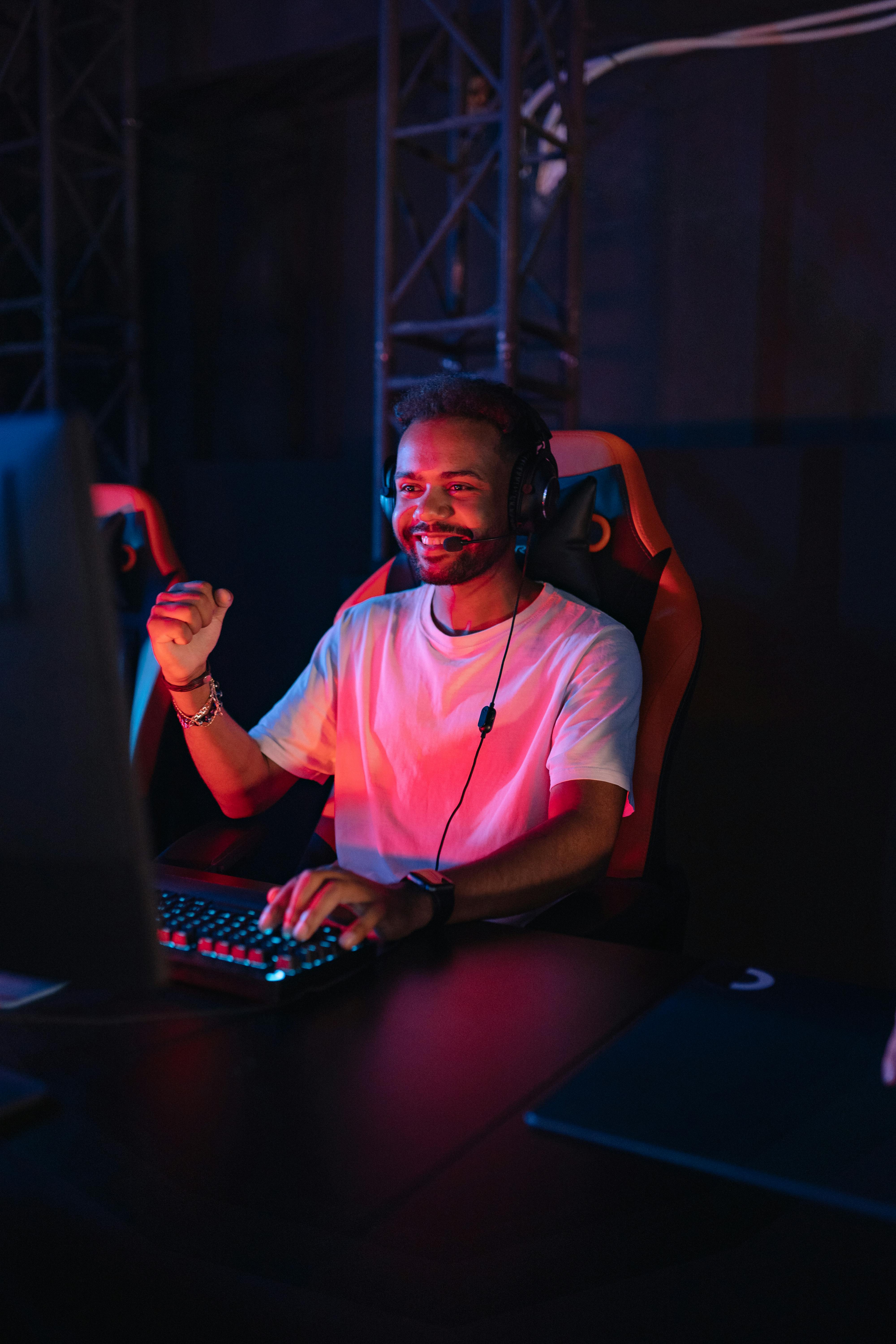
1. Set a gentle but firm “last game” time
Decide in advance what time you’ll start your final match for the night, especially on work or school days.
- Use alarms or phone reminders 15–20 minutes beforehand.
- Tell your regular teammates so they can help you stick to it.
2. Use natural “pause points” to move your body
Between matches, loading screens, or queue times are perfect micro‑break opportunities:
- Stand up, walk around the room, or do a few squats.
- Gently stretch your neck, shoulders, wrists, and lower back.
3. Upgrade your ergonomics
You don’t need an expensive setup. Focus on basics:
- Screen roughly at eye level to reduce neck strain.
- Feet flat on the floor; knees and hips at about 90 degrees.
- Wrists neutral (not sharply bent) on mouse and keyboard.
4. Protect your “core habits”: sleep, meals, movement
Before adding gaming sessions, ask: “Where will this time come from?” Try not to “borrow” from:
- Consistent sleep hours.
- Regular meals (especially breakfast and lunch).
- Any movement you already do (walking, sports, gym).
5. Make social gaming truly social
If you play online with friends, lean into that:
- Use voice chat to have real conversations, not just callouts.
- Occasionally swap a long ranked session for a shorter, more relaxed “hangout” session.
6. Notice when gaming is your only coping tool
If you realize you mostly play to escape stress, loneliness, or low mood, gently experiment with one or two additional coping options:
- Texting or calling a friend.
- Taking a short walk outside.
- Journaling for 5 minutes before you log on.
7. Use in‑game tools and settings to your advantage
Many platforms now include features like:
- Playtime reminders or weekly reports.
- Do Not Disturb or “appear offline” modes to avoid pressure to keep playing.
- Content filters and block/mute tools to reduce exposure to toxicity.
Before and After: What Changes When You Game More Intentionally?
Small habit shifts can noticeably change how your gaming life feels. Here’s a side‑by‑side comparison many players recognize.
Before
- Unplanned, late‑night sessions.
- Frequent “one more game” regret the next morning.
- Neck/back stiffness after long sessions.
- Guilt about time spent vs. responsibilities.
After
- Planned start and stop times most days.
- More consistent sleep and morning energy.
- Short movement breaks built into play.
- Less guilt; gaming feels like a chosen hobby again.
When to Reach Out for Extra Support
Most people can adjust their gaming habits with small, self‑directed changes. Still, there are times when professional support is a wise, caring choice.
Consider talking with a mental health professional—ideally one familiar with gaming—if:
- Gaming is regularly causing serious conflict at home or at work/school.
- You feel unable to cut back even when you strongly want to.
- You’re using games almost constantly to escape intense sadness, anxiety, or trauma.
- You’ve lost interest in nearly everything except gaming.
Want to Go Deeper? Evidence and Resources on Gaming and Health
If you’d like to explore the research and guidance behind these ideas, these reputable sources are a good starting point:
- World Health Organization – Gaming disorder Q&A
- American Psychological Association – The health effects of video games
- National Library of Medicine – Systematic reviews on internet and gaming disorders
These resources echo a similar message: context, motivation, and balance matter more than the raw number of hours on your game log.
Bringing It All Together: Keep Gaming, Just Make It Work For You
Gaming more than 10 hours a week doesn’t doom your health—and the latest research from Australia reinforces that. For many people, games are a meaningful way to relax, connect, and challenge themselves. The tipping point comes when gaming starts quietly replacing sleep, movement, and real‑world responsibilities.
You don’t need to abandon your favorite worlds or communities to feel better. Small, intentional shifts—like earlier cut‑off times, stretch breaks, and protecting your core routines—can deliver surprisingly big returns in energy, mood, and focus.
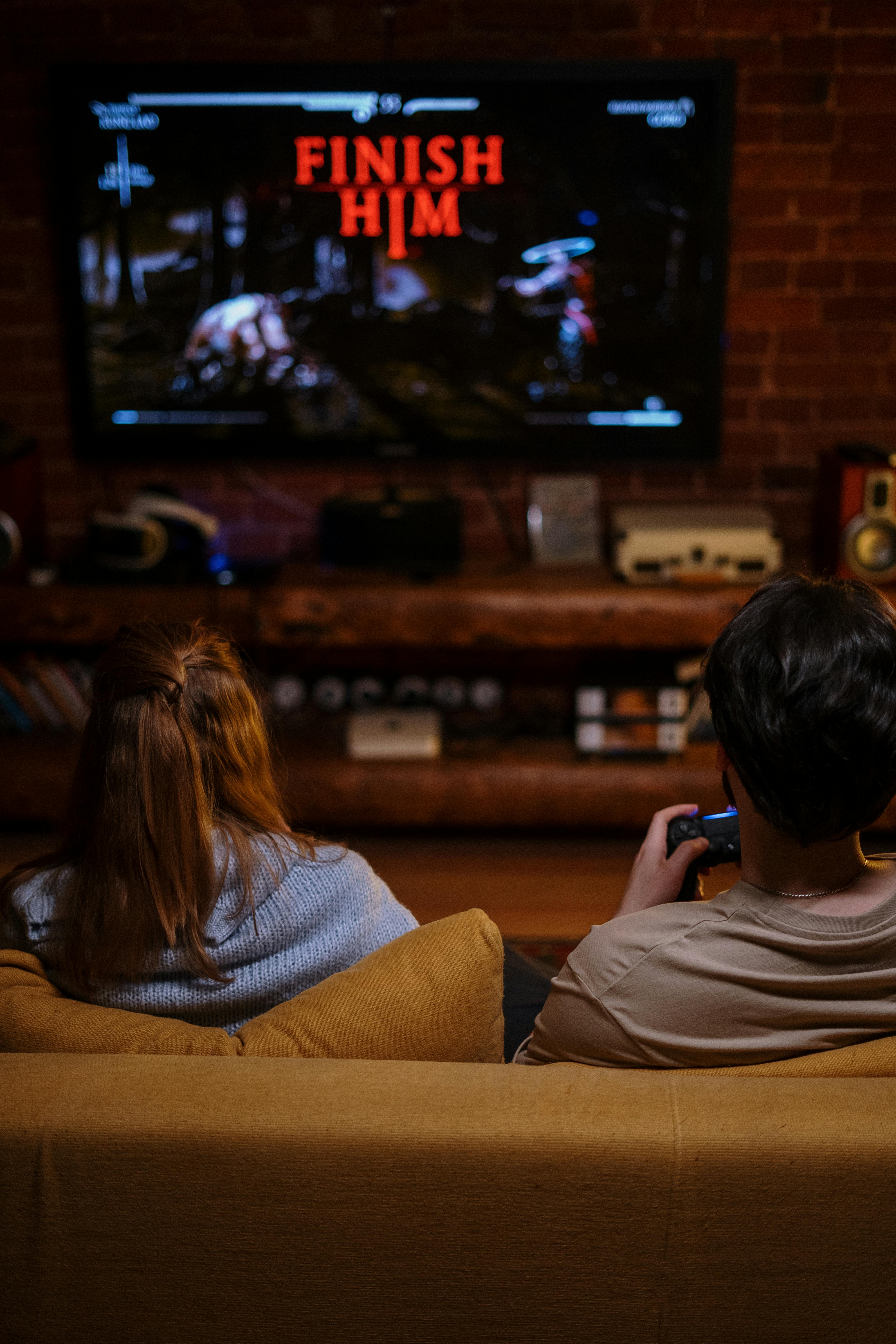
If you’re curious about your own balance, choose one of the strategies above and try it for a week. Notice how you feel—physically and mentally. Then adjust. Over time, you’ll find a rhythm where your gaming habit supports your life instead of competing with it.
Your next step: pick a “last game” time for tonight and set a reminder for 15 minutes before it. See how that one boundary changes tomorrow morning.
