
Remembering Kianna Underwood: Former “All That” Star Mourned After Brooklyn Hit-and-Run
Former child star Kianna Underwood, best known to millennial and Gen Z viewers from All That and the animated series Little Bill, has died at the age of 33 after a hit-and-run in Brooklyn, New York. The news has sparked a wave of grief online and reopened a familiar conversation about how we remember young performers who helped define an era of kids’ TV.
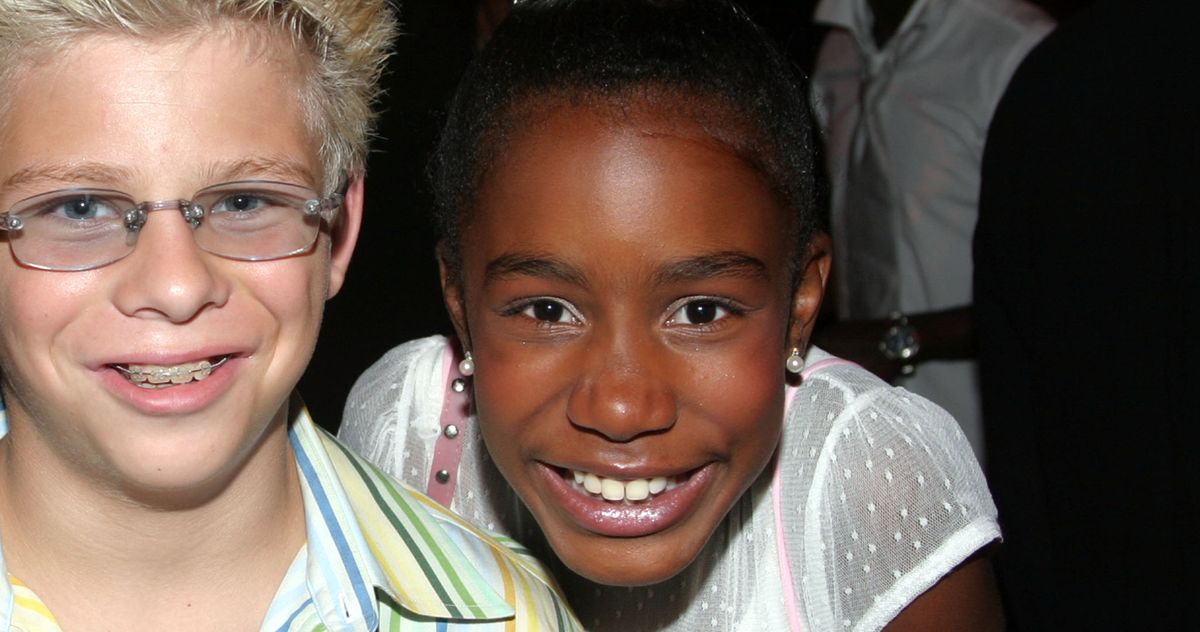
The Hit-and-Run That Took Kianna Underwood’s Life
According to reporting summarized by Vulture and People, Kianna Underwood was struck and killed in a hit-and-run incident in Brooklyn on January 16. Authorities say the collision occurred at around 6:50 a.m. local time. As of the latest updates, no arrests have been made and the investigation remains ongoing.
Details about the vehicle and the circumstances are still emerging, but the case now sits at the intersection of New York City’s long-running struggles with pedestrian safety and the public’s emotional connection to a performer many grew up watching.
From All That to Little Bill: A Quietly Influential Childhood Career
For many viewers, Kianna Underwood is part of the late-’90s and early-2000s Nickelodeon ecosystem that raised an entire generation. She appeared on All That, the sketch-comedy series often described as a kids’ version of Saturday Night Live, and lent her voice to Little Bill, the animated show based on Bill Cosby’s books.
These shows formed part of Nickelodeon’s push toward more diverse casts and kid-driven comedy. Alongside names like Kenan Thompson, Amanda Bynes, Nick Cannon, and others, Underwood helped populate a TV landscape where Black kids, especially Black girls, were more visible in front of the camera.
While she never became a tabloid fixture or a marquee movie star, Underwood belonged to that important tier of working child actors whose performances filled out ensemble casts and made imaginary worlds feel real.
Why Her Work Mattered: Black Childhood on Screen in the 1990s and 2000s
To understand why Kianna Underwood’s death hits a cultural nerve, you have to remember what kids’ TV looked like when she was working. Nickelodeon and PBS were in the middle of a relatively bold era, where Black families and Black children were increasingly centered in mainstream children’s programming.
- All That portrayed a racially mixed cast where Black kids weren’t sidekicks, but leads.
- Little Bill depicted a Black family with warmth and nuance, predating shows like Doc McStuffins and The Proud Family: Louder and Prouder.
- These series aired alongside contemporaries like Keenan & Kel and later That’s So Raven, subtly shifting the norm for who could occupy center stage in youth TV.
“Children’s television in the late ’90s did more than babysit; it sketched out possible selves. For many Black kids, these shows were the first time they saw themselves as the joke-tellers, not the punchlines.”
Underwood’s presence in that ecosystem matters, even if her name wasn’t always front-and-center in credits or press tours. Her work helped normalize a broader, more representative idea of childhood on screen.
Life After the Spotlight: The Quiet Reality for Many Former Child Actors
While some of Underwood’s Nickelodeon peers moved into mainstream comedy or dramatic acting, many former child performers choose different paths entirely—sometimes by choice, sometimes by necessity. Public information about Underwood’s life in the years before her death is limited, which is itself telling: she appears to have lived largely outside of the spotlight.
The industry has become increasingly vocal about the pressures and pitfalls of child stardom, from mental health challenges to financial exploitation. In recent years, documentaries and memoirs from former child actors have laid bare how disorienting it can be to grow up on screen and then navigate adulthood without the same infrastructure of support.
“People forget that for every household name, there are dozens of kids who worked just as hard, then moved on to ordinary lives that don’t get written about.” — Anonymous former child actor, speaking in a roundtable on kids’ TV for a trade publication
Underwood seems to have been one of those performers: important to the cultural fabric of a certain era, but not playing the fame game in adulthood. Her sudden death pulls that quieter story back into view.
Fan Grief, Online Tributes, and the Power of Nostalgia
Within hours of the news breaking, social media feeds filled with tributes from fans who grew up watching All That and Little Bill. Many posts didn’t just mourn Underwood; they mourned a piece of childhood.
- Users shared grainy screenshots and clips from old episodes.
- Some described watching Nickelodeon after school as a “safe zone” that made them feel seen.
- Others called for justice and accountability in the hit-and-run investigation.
This kind of collective remembrance is now part of the life cycle of celebrity: when someone from a shared cultural text dies, we process it together in timelines and comment sections, reconstructing our own histories in the process.
A Hit-and-Run in a City That’s Still Learning to Protect Pedestrians
The specifics of the NYPD investigation are still unfolding, but the case raises familiar questions:
- Why do so many hit-and-run drivers escape? New York City’s street grid, camera coverage, and enforcement patterns can make accountability uneven, particularly in early-morning hours when fewer witnesses are present.
- How does public attention shape justice? High-profile victims can sometimes bring extra scrutiny to cases, but advocacy groups stress that every hit-and-run deserves the same urgency.
- What would real pedestrian safety look like? Urban planners and activists point to lower speed limits, redesigned intersections, and aggressive enforcement as starting points—not end goals.
Underwood’s death is one more data point in a larger crisis, but it’s also uniquely personal to the communities that grew up watching her work. The hope, as always, is that grief might translate into pressure for safer streets and more accountable enforcement.
Kianna Underwood’s Legacy: Small Roles, Big Imprint
When we talk about TV “shaping a generation,” we usually focus on the stars. But the truth is that the texture of a show—the classmates, the background kids, the smaller recurring characters—often matters just as much. That’s where Kianna Underwood lived, artistically speaking: in the spaces that make imaginary worlds feel ordinary, lived‑in, and real.

Her legacy sits at a few different crossroads:
- Nostalgia television: The rerun economy and streaming revivals keep shows like All That alive for new audiences.
- Representation in kids’ media: Underwood was part of an early wave that normalized Black kids as central to children’s storytelling.
- The value of working actors: Her career is a reminder that you don’t have to be a household name to have shaped someone’s childhood.
Looking Ahead: Justice, Memory, and the Shows That Raised Us
As New York authorities continue searching for the driver responsible for the collision that killed Kianna Underwood, fans are doing what they can from afar: sharing clips, telling stories, and insisting that her life meant more than a tragic headline.
The tragedy underscores how fragile the distance is between the characters who feel immortal on screen and the real people who played them. It also reinforces something TV fans have known for a long time: the faces that flicker across our childhood screens, even briefly, can stay with us for decades.
However the investigation unfolds, Kianna Underwood’s legacy will endure where it began: in the sketches, stories, and Saturday-morning marathons that helped so many kids feel a little less alone.
