BBC Anchor’s ‘Hiss’ At Rapper’s Jesus Shout-Out: When Live TV Meets Faith And Outrage Cycles
BBC Anchor “Hiss” Controversy: Faith, Live TV, And A Very Online Backlash
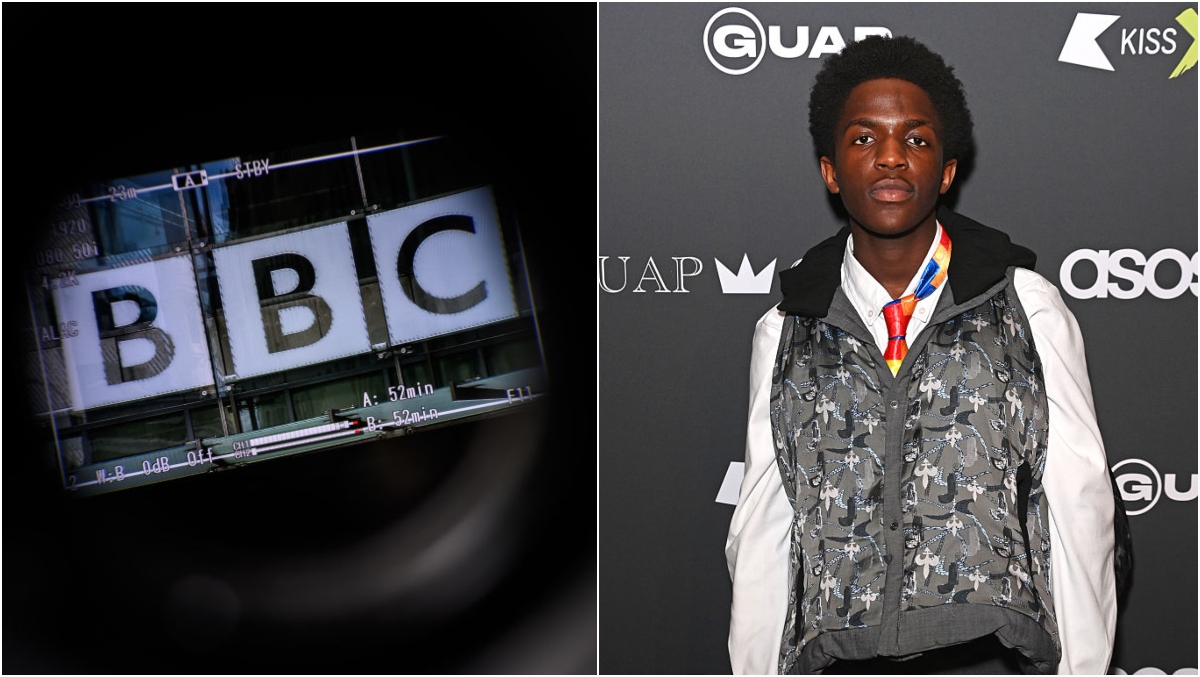
A BBC News interview clip with rapper DC3 has exploded across social media after anchor Geeta Guru-Murthy appeared to make a strange hissing sound right after he named Jesus Christ as his hero. Within hours, the moment jumped from a live TV blip to a full-blown culture-war flashpoint, raising questions about media bias, religious sensitivity, and how unforgiving viral video culture has become.
The exchange, first highlighted by outlets like OutKick and the Daily Mail, has turned a brief on-air reaction into an international talking point. Was it disrespect, a technical glitch, a nervous habit, or something else entirely? The answer depends a lot on where you stand in today’s heavily polarized media ecosystem.
What Actually Happened In The BBC–DC3 Interview?
During a live BBC News segment, UK-based Christian rapper DC3 was asked a familiar soft-ball question: “Who is your hero?” Instead of naming a celebrity or political figure, he answered plainly: “Jesus Christ.”
Immediately after this, viewers noticed anchor Geeta Guru-Murthy making what sounded like a short hissing or sharp intake of breath noise. The moment was brief but jarring enough for many Christian viewers to interpret it as:
- An audible expression of disapproval or mockery, or
- A reflexive, awkward reaction to an overtly religious answer on a secular news channel.
The clip circulated on X (formerly Twitter), Instagram, and TikTok, usually stripped of full context and replayed on loop with captions accusing the BBC of hostility toward Christianity. Conservative-leaning outlets quickly framed it as another example of perceived media double standards when it comes to public expressions of Christian faith.
“The reaction when you say Jesus is your hero on live TV tells you everything about the media’s discomfort with open faith.”
— Paraphrased sentiment from social media commentators reacting to the clip
Faith On Air: Why A “Jesus Christ” Shout-Out Lands Differently On BBC News
In most pop culture interviews, naming a religious figure as your hero still stands out. On a public broadcaster like the BBC, which prides itself on neutrality and pluralism, it can be even more delicate. UK broadcasting guidelines encourage:
- Impartiality around religion, politics, and culture.
- Sensitivity when dealing with faith-based topics.
- Avoidance of endorsement of any particular religion.
That doesn’t mean guests can’t talk about faith, but it can make presenters hyper-aware of how overtly religious language might be perceived. When DC3 invoked Jesus, the anchor’s body language and audible reaction became a kind of Rorschach test:
- To some Christian viewers: it looked like open disdain for Christianity.
- To some secular or non-religious viewers: it was a harmless, awkward noise in a live segment.
- To media critics: it reflected the tension between personal belief and institutional neutrality.
The BBC has faced similar scrutiny before, whether over how it covers Islam, Catholicism, or secular viewpoints. In that context, this tiny sound bite slots neatly into a bigger narrative about how mainstream media platforms handle — or mishandle — public expressions of faith.

Was It A “Hiss” Or Just An Awkward Live-TV Noise?
Parsing mic sounds on a compressed online clip isn’t exactly a forensic science, but a few possibilities have emerged from viewers and commentators:
- Disapproving hiss: Those angered by the clip argue the timing is too perfect to be coincidence, reading it as a deliberate show of contempt.
- Sharp inhale / mouth noise: Others point out that anchors often take a quick breath or make small noises while preparing their next question.
- Technical artifact: Studio mics can amplify subtle shifts, chair squeaks, or mic handling noise in strange ways.
Without a clear, on-the-record explanation from Guru-Murthy or the BBC, the moment becomes what the internet does best: collective over-interpretation.
“We project intent onto milliseconds of footage, then argue about our own projections as if they’re facts.”
— Media scholar, speaking generally about viral clip culture
That doesn’t mean viewers’ hurt or frustration isn’t real; it just means the clip itself is an imperfect piece of evidence for what someone meant in that exact second.
Christian Rappers, Mainstream Media, And The “Acceptable Faith” Gap
DC3 is part of a long line of Christian hip-hop artists — think Lecrae, NF (in his early work), and KB — who navigate between worship spaces and mainstream music platforms. When they step into secular media, faith isn’t just personal branding; it’s often the whole point.
Broadcasters, meanwhile, often seem more comfortable with:
- Light spirituality (mindfulness, “sending prayers,” vague positivity), or
- Faith as aesthetic (gospel choirs at award shows, religious iconography in music videos)
than with explicit declarations like “Jesus Christ is my hero.” That’s where friction happens: the artist’s conviction meets the presenter’s instinct to keep things neutral, safe, and “uncontroversial” — even though faith is inherently controversial in a pluralistic society.
Public Backlash, BBC Scrutiny, And The Culture-War Feedback Loop
Once the clip hit platforms like X and TikTok, familiar battle lines appeared almost instantly:
- Christian and conservative commentators framed the moment as proof that mainstream media sneers at Christianity.
- Defenders of the BBC argued this was an overreaction to an innocuous sound.
- Media skeptics saw it as a case study in why every eye-roll, breath, or wince is now content.
At the time of writing, outlets like OutKick and the Daily Mail have amplified the story, while the BBC has, as is typical, remained cautious about directly addressing on-air micro-moments unless they clearly breach editorial standards.
“Live broadcasting is a high-wire act. Every flinch, stumble, or off-mic sound can be spun into a narrative that may have very little to do with what actually happened.”
— Veteran broadcast producer, on the realities of modern TV news
That’s the uncomfortable reality: presenters are now judged not just on what they say, but on every tiny noise and facial expression, freeze-framed for maximum outrage potential.

Strengths, Weaknesses, And What This Incident Reveals
Treating this like a review of the segment itself, there are some clear pros and cons in how the situation played out.
What the BBC segment did well
- Platforming a Christian rapper: Giving DC3 airtime on a major news channel broadens representation beyond typical pop profiles.
- Open-ended questioning: Asking about his “hero” allowed him to give an authentic, faith-centered answer.
- Non-interruption: The anchor didn’t shut him down or challenge his choice, which matters in a neutral news setting.
Where it fell short
- On-air composure: Any audible reaction at such a sensitive moment reads as commentary, even if unintentional.
- Lack of follow-up: A simple “Tell us more about how your faith shapes your music” would have reframed the moment constructively.
- Perception of bias: In an environment where many Christians already feel culturally sidelined, optics matter as much as the transcript.
None of this means the anchor is anti-Christian, nor does it prove the BBC as an institution is hostile to faith. It does, however, highlight how little margin for error there is when religion, identity, and live broadcasting intersect.
Beyond The Clip: What This Means For Faith And Media Going Forward
Zoomed out, the DC3–BBC incident is less about a single noise and more about how mainstream media handles overt faith in a diverse audience era. Several implications stand out:
- Training for on-air talent: Presenters may need more concrete guidance on responding to explicit religious statements without seeming either endorsing or dismissive.
- More nuanced faith coverage: Treating religious belief as a serious part of an artist’s identity — not just a quirky side note — could reduce the sense of awkwardness on air.
- Viewer media literacy: Recognizing how compression, clipping, and context loss shape viral outrage is part of being a modern news consumer.
In an age where seconds of footage can drive days of discourse, both broadcasters and audiences have to learn new skills: anchors need to manage micro-reactions, and viewers need to resist turning every ambiguous frame into a definitive moral judgment.
Conclusion: A Tiny Sound, A Big Conversation
The BBC clip of Geeta Guru-Murthy and DC3 is a textbook example of how live TV, faith, and social media outrage collide. Whether you heard the noise as a hiss of disapproval, an awkward breath, or nothing at all, the fallout reveals just how suspicious many viewers have become of legacy news outlets — and how quickly entertainment and culture stories can morph into referendum votes on media trust and religious respect.
Going forward, the most productive outcome would not be another round of point-scoring, but a shift in how broadcasters platform and engage with sincere expressions of belief — from Christianity to any other faith — without turning them into punchlines or political Rorschach tests. DC3 got to say, on one of the world’s biggest news brands, that Jesus Christ is his hero. The real question is whether future guests can do the same without everyone listening for the next viral hiss.