
San Francisco Sends Bob Weir Off in Style: Inside the Grateful Dead Farewell Celebration
Thousands of fans filled San Francisco’s Civic Center to celebrate the life and legacy of Grateful Dead co‑founder Bob Weir, transforming a public memorial into a full‑scale gathering of the Deadhead community. Part tribute concert, part civic ritual, the event underscored how Weir’s music, spirit of improvisation, and commitment to community reshaped American rock culture far beyond the jam‑band scene.

A Civic Center Turned Cosmic Ballroom
San Francisco has always been the Grateful Dead’s spiritual home, but the recent celebration of Bob Weir’s life felt like history looping back on itself. The city that helped birth the psychedelic revolution in the 1960s now hosted a farewell for one of its key architects, a guitarist whose playing and presence anchored countless nights of organized chaos.
Organizers framed the gathering as a celebration rather than a funeral, and the crowd seemed to follow that script: tie‑dye everywhere, long‑time Deadheads shoulder‑to‑shoulder with younger fans who discovered the Dead through streaming, vinyl reissues, or the recent wave of jam‑band revivalism.
Bob Weir’s Musical Legacy: Rhythm Guitar as a Lead Voice
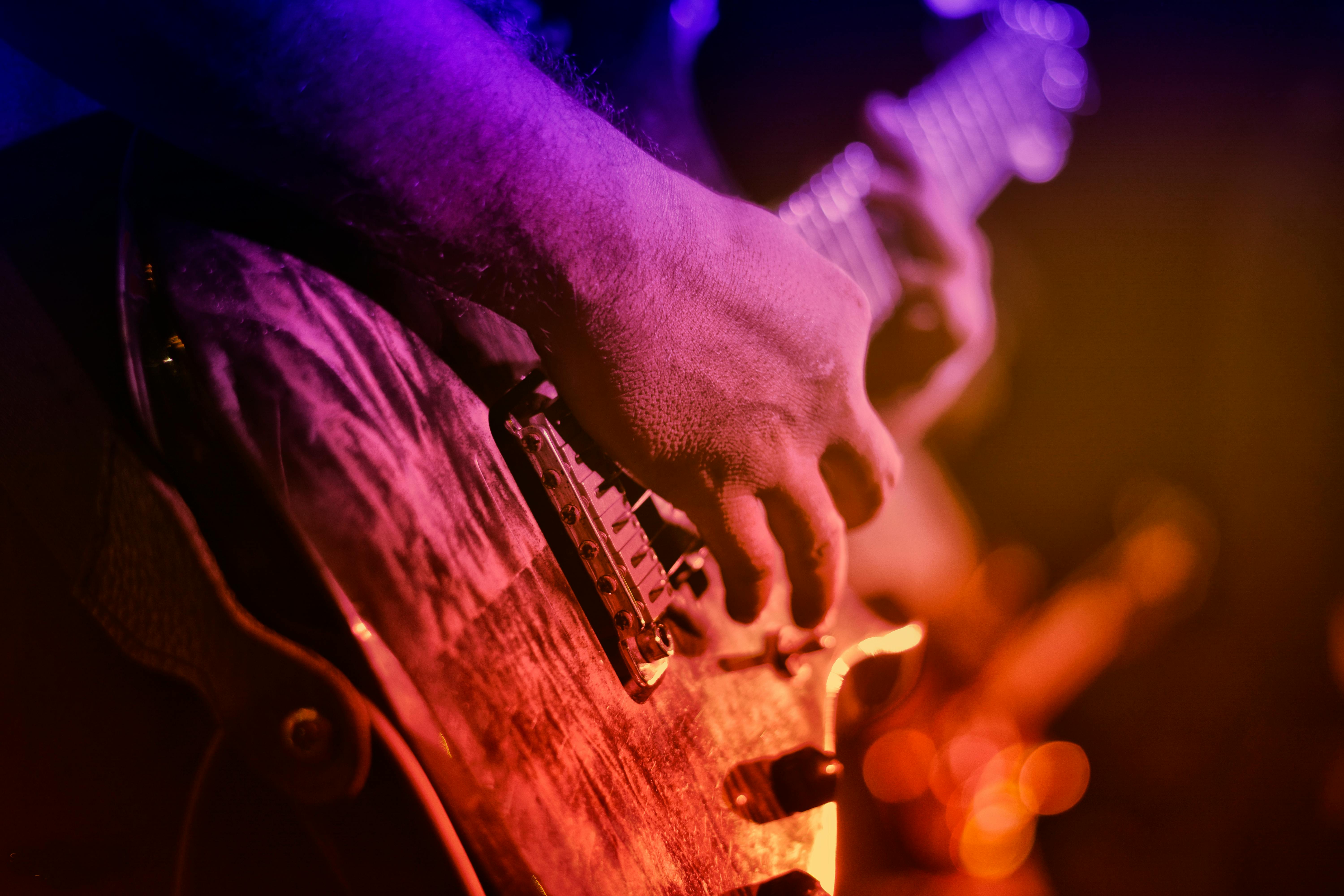
Bob Weir, who died last week at 78, was never the flashiest musician onstage, but within the Grateful Dead he was the quiet structural engineer. While Jerry Garcia’s solos often drew the spotlight, Weir’s rhythm work—jagged, jazzy, and strangely funky—was the scaffolding that kept the whole thing from collapsing into noise.

His style pulled from country, jazz, R&B, and modern classical, a mash‑up that mirrored the Dead’s own everything‑bagel approach to Americana. In the post‑Garcia years—during tours with RatDog and Dead & Company—Weir’s guitar work became more prominent, and many younger fans first encountered him as the band’s de facto center of gravity.
“Weir turned rhythm guitar into a form of counterpoint—never content to just strum, always intent on commenting on the song.”
Beyond the Dead, Weir’s influence echoes through modern jam bands, indie‑rock experimentalists, and even country‑rock revivalists who absorbed his anything‑goes attitude toward song structures and live improvisation.
Inside the San Francisco Celebration of Life
The Civic Center event, as reported by CNN and local outlets, was less a somber memorial than a hybrid of street festival and spiritual gathering. Fans unfurled classic Steal Your Face banners, makeshift shrines to Weir popped up around the plaza, and vendors—both official and not at all official—sold shirts, posters, and tie‑dye as though it were a pop‑up Shakedown Street.
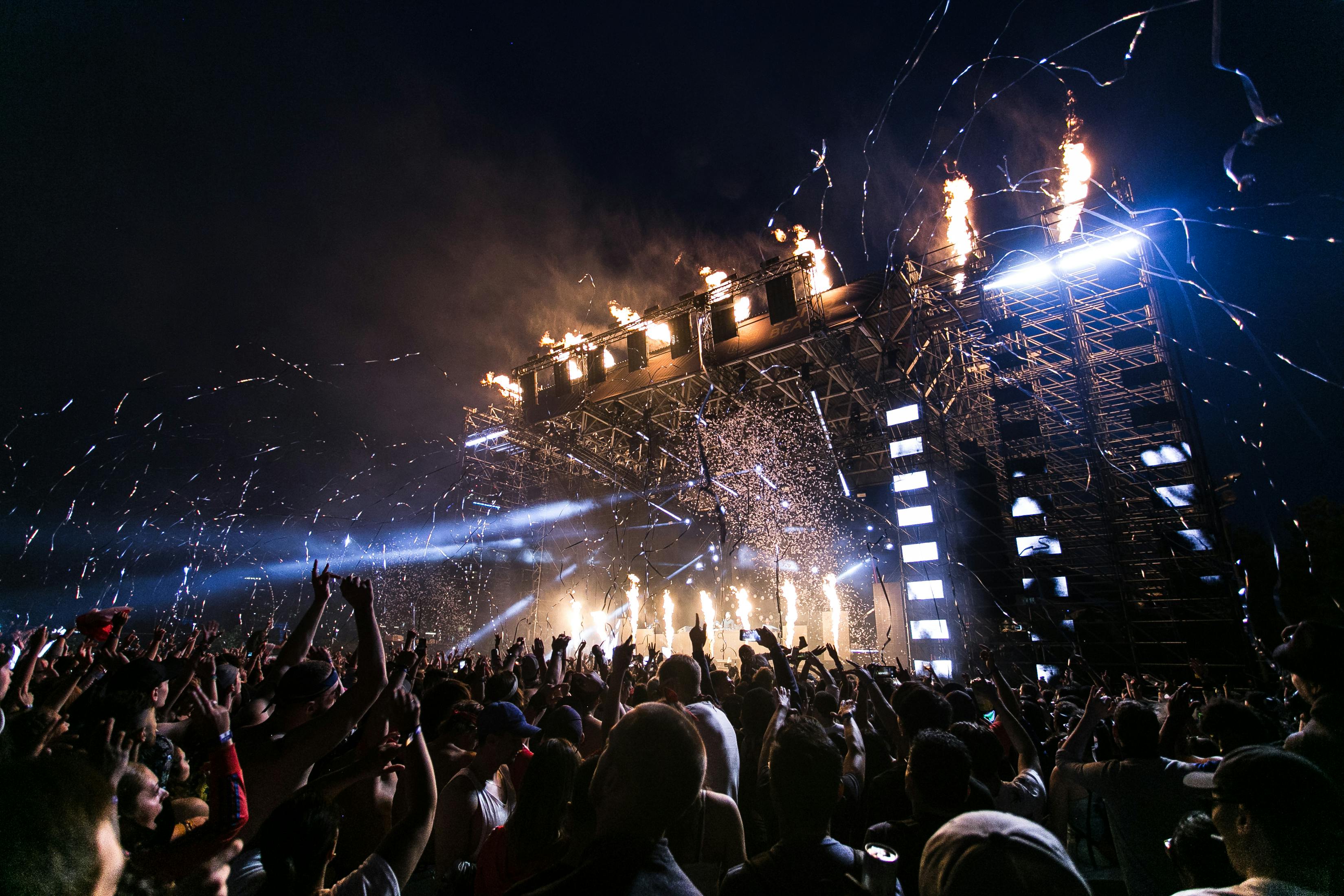
Speakers and musicians cycled through stories and songs, some recalling early days in Haight‑Ashbury, others focusing on the more recent later‑career Weir, who turned into an elder statesman of the touring circuit. The crowd skewed older, as you’d expect, but the number of teenagers and twenty‑somethings in vintage‑style merch made it clear: the Dead are now a multi‑generational inheritance.
“It doesn’t feel like he’s gone,” one fan told local TV. “It feels like he’s just onstage somewhere else, and we’re all trying to catch up.”
In a media landscape that often compresses grief into 24‑hour news cycles, the scale of this gathering was striking. It functioned as a reminder that some artists aren’t just celebrities—they’re connective tissue for whole communities.
From Haight‑Ashbury to TikTok: Why Weir Still Matters
The Grateful Dead have been mythologized to the point of cliché—tie‑dye, long jams, endless touring—but Bob Weir’s career cuts through the stereotype. His evolution from teen guitar-slinger in the Haight to silver‑bearded bandleader charts the broader story of American counterculture growing up without fully selling out.

In the streaming era, where attention spans are allegedly shrinking, the sustained interest in multi‑hour live recordings and full‑set uploads on platforms like YouTube and archive.org is partially a testament to what Weir helped build. Younger fans discover 1977 or 1989 shows via algorithm, then end up deep in the weeds comparing different renditions of “Eyes of the World.”
Industry‑wise, the Deadhead model—taping culture, live show economies, direct community engagement—anticipates a lot of what we now call fan‑driven marketing. Weir was consistently open to that ecosystem, from officially sanctioned taping to more recent ventures using livestreams and social media to connect with fans without sacrificing the jam‑or‑bust ethos.
The Memorial as Modern Media Moment
CNN’s coverage of the Civic Center event positioned it as both local news and national culture story, which is accurate: the Dead may be rooted in the Bay Area, but their touring routes rewired American live music infrastructure long before “festival culture” became a branding strategy.

The celebration also plays differently in the age of social media. Clips from the event move quickly to Instagram, X, and TikTok, where younger users encounter Weir less as a distant rock god and more as a surprisingly contemporary presence—an older musician who kept touring, kept experimenting, and didn’t lean on pure nostalgia.
From a critical angle, there’s always the risk of sentimentality smoothing over rough edges. The Dead’s history includes uneven shows, internal tensions, and that familiar touring‑machine grind. Yet the best tributes at Civic Center acknowledged that complexity rather than airbrushing it, framing Weir’s life as a long improvisation rather than a tidy narrative arc.
As the documentary Long Strange Trip put it: “The Grateful Dead were never just a band. They were a way of life for the people who gave themselves to it.”
Where to Dive Deeper into Bob Weir’s Story
For those discovering Bob Weir through coverage of the San Francisco celebration, there’s an increasingly rich ecosystem of archives and media dedicated to his work and the broader Grateful Dead universe.
- CNN’s official coverage provides news context and on‑the‑ground reporting from the Civic Center gathering.
- Explore performance history and credits on Bob Weir’s IMDb page, which tracks his film and documentary appearances.
- The Grateful Dead’s official site, Dead.net, offers discography deep dives, archival releases, and community forums.
- For live‑show obsessives, the band’s extensive concert archive is streamable via archive.org’s Grateful Dead collection.
A Farewell That Feels More Like a Set Break
Standing back from the San Francisco celebration, what emerges is less the image of a city mourning a rock star than a community acknowledging one of its own. Bob Weir’s passing closes a chapter, but the language he helped invent—those spiraling jams, the blend of folk and feedback, the open‑ended invitation to participate—remains fluently spoken by fans and musicians who never saw the original band in its prime.
In classic Dead fashion, the Civic Center gathering felt less like an ending than a segue: a long fade from one era into the next, with Weir’s guitar still echoing in the mix. The show, as they say, never stops—someone just changes keys.
