
Protein-Packed Tofu Tempeh & Lentil Bowls: How Plant-Forward Eating Went Mainstream
Plant‑Forward High‑Protein Eating Goes Mainstream
Plant‑forward high‑protein diets have stepped firmly into the spotlight. Instead of rigid rules or strict vegan labels, today’s cooks are embracing a flexitarian, plant‑centered approach—where tofu, tempeh, lentils, chickpeas, and beans star on the plate, and protein density is celebrated as much as flavor.
Scroll through social media and you’ll see air‑fried tofu bowls, glossy lentil Bolognese, and chickpea “chicken” salads racking up saves and shares. This way of eating feels modern and practical: it’s good for your body, kinder to the planet, and friendly to your budget—without asking you to sacrifice satisfaction.
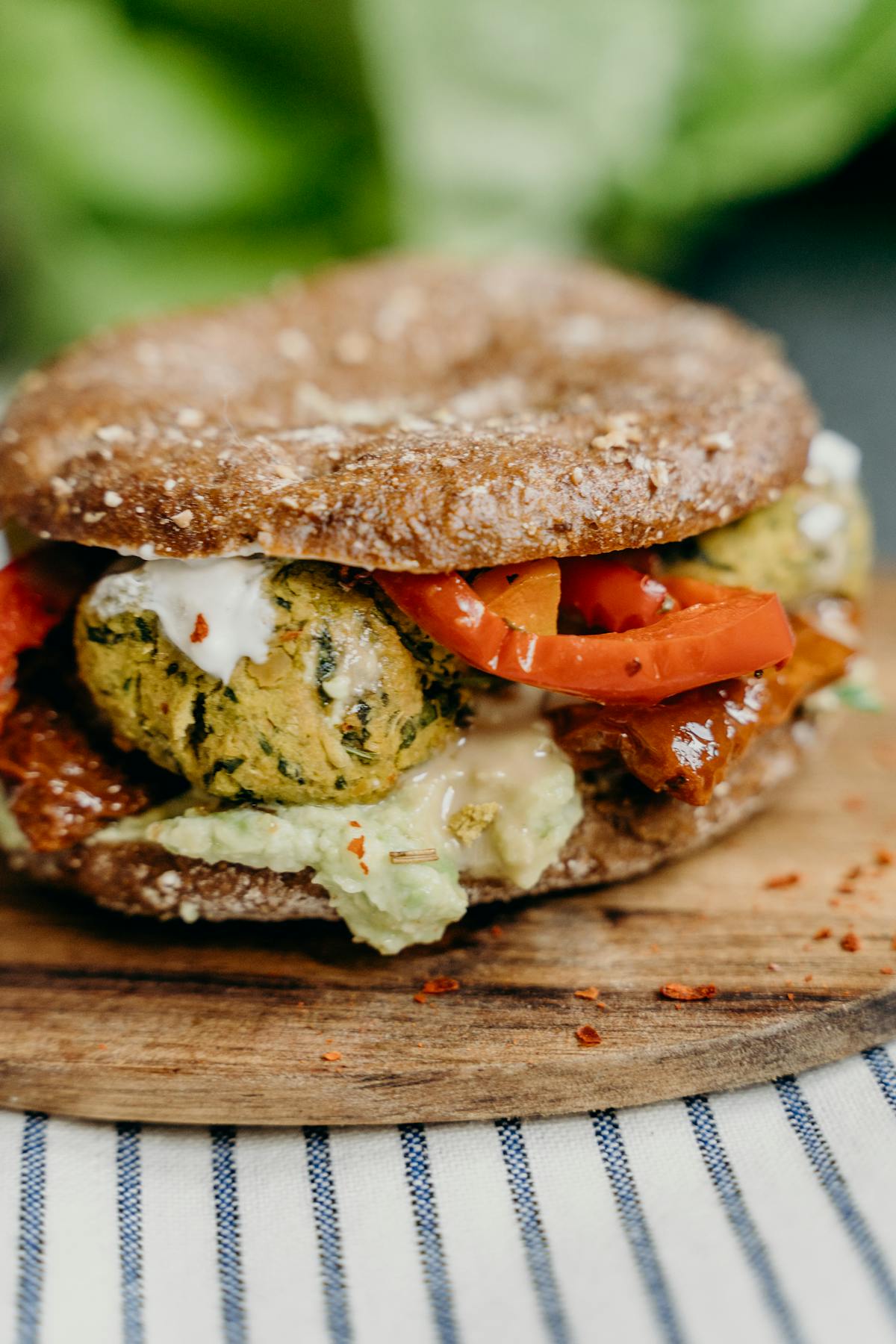
Why Tofu, Tempeh & Lentils Are Trending
The rise of high‑protein plant‑forward meals is being fueled by a handful of powerful forces: health goals, environmental awareness, and simple day‑to‑day convenience. Legumes, soy, and pea‑based products are now as at home in a weeknight dinner as chicken or beef once were.
- Health & weight management: Plant proteins arrive with fiber, antioxidants, and significantly less saturated fat. That fiber helps keep you fuller for longer, which is a gift for anyone seeking steady energy or gentle weight control.
- Environmental & ethical concerns: Younger diners, especially, are swayed by climate and animal‑welfare conversations. It’s no coincidence that many athletes and celebrities now openly endorse plant‑forward diets.
- Accessibility & versatility: Dried lentils, canned beans, tofu, and tempeh are widely available and often cheaper than meat. Creators walk viewers through “mysterious” steps—like pressing tofu or marinating tempeh—making these ingredients far less intimidating.
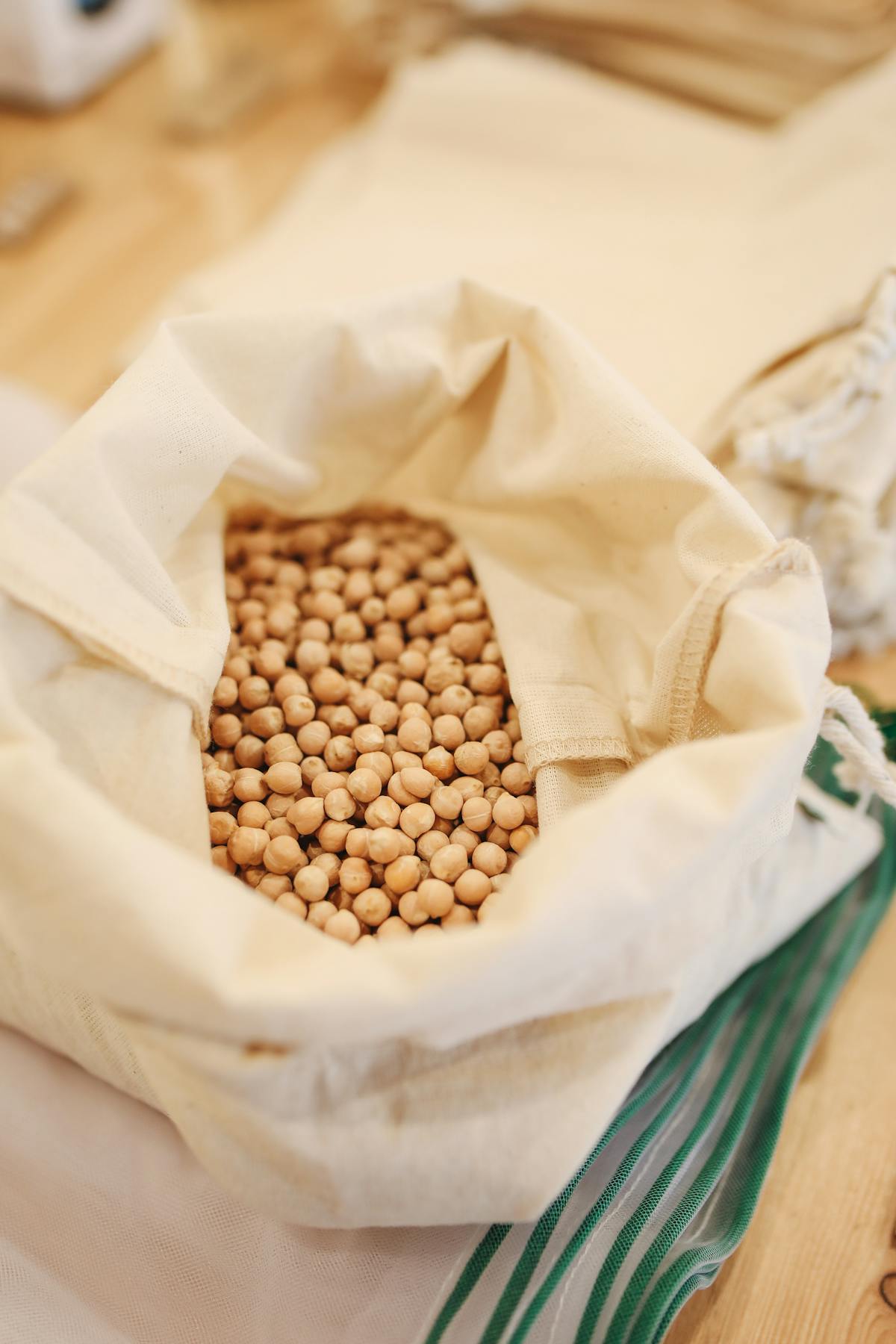
Nutrition Basics of Plant‑Forward High‑Protein Diets
With a bit of planning, plant‑forward diets can comfortably meet—or exceed—your protein needs. The secret is variety: think legumes, whole grains, nuts, seeds, and especially soy foods like tofu and tempeh.
Across the day, mixing different plant proteins naturally covers all essential amino acids. You don’t need to combine them in a single meal; just aim for a colorful, varied plate pattern over breakfast, lunch, and dinner.
A simple pattern to remember: legumes + grains + nuts/seeds = a strong, complete protein foundation over the course of the day.
For those who are fully plant‑based, paying attention to iron, zinc, calcium, iodine, vitamin B12, and omega‑3s is wise. Fortified foods (plant milks, cereals, nutritional yeast), sea vegetables, and targeted supplements make this very manageable, especially under guidance from a healthcare professional or dietitian.
From Viral Videos to Your Kitchen
Social media loves a good transformation story: “I swapped chicken for lentils for 30 days” or “I tried high‑protein tofu bowls all week.” Bright colors, crisp textures, and saucy drizzle shots keep these recipes trending on feeds dedicated to nutrition, fitness, and healthy eating.
The most popular formats are:
- High‑protein tofu or tempeh bowls: Marinated, air‑fried, or pan‑seared tofu over rice or quinoa with crunchy vegetables, creamy tahini or peanut sauce, and toppings like kimchi or avocado.
- Lentil & chickpea “meat” dishes: Think lentil Bolognese, black‑bean burgers, chickpea “chicken” salad, and hearty curries that mimic the texture of minced meat.
- Budget‑friendly meal preps: Large‑batch lentil soups, bean chili, and rice‑and‑bean combos, often labeled with cost per serving and protein grams in the caption.
The best part is that these recipes aren’t just for influencers: they’re realistic for home cooks with regular grocery stores and modest kitchens. Let’s walk through a recipe that ties all of these trends together.
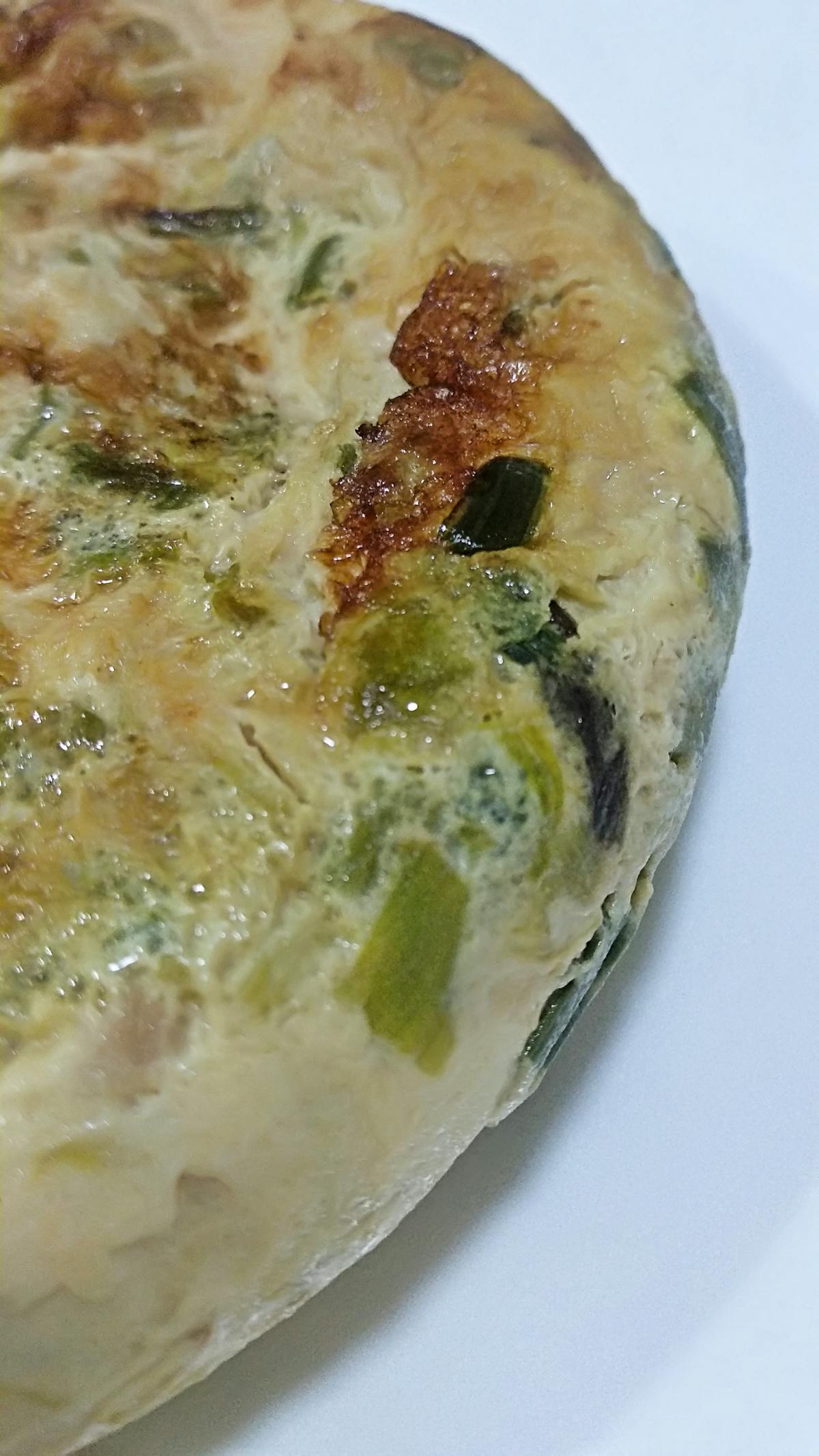
High‑Protein Tofu, Tempeh & Lentil Power Bowl
This hearty plant‑forward bowl layers crispy marinated tofu, caramelized tempeh crumbles, and garlicky lentils over warm grains with fresh vegetables and a silky tahini‑peanut drizzle. It’s packed with protein, fiber, and color—perfect for flexitarian dinners or vegan meal prep.
Recipe Summary
Prep time:
Cook time:
Total time:
Servings: 4 bowls
Difficulty: Easy–Intermediate
Equipment
- Chef’s knife and cutting board
- Medium saucepan (for lentils)
- Large nonstick or cast‑iron skillet
- Baking sheet or air fryer basket
- Mixing bowls (small and medium)
- Whisk or fork (for sauce)
- Clean kitchen towel or tofu press
Ingredients
For the protein trio
- 1 block (14 oz / 400 g) extra‑firm tofu, drained and pressed
- 1 block (8 oz / 225 g) tempeh, crumbled into small pieces
- 1 cup (200 g) dry green or brown lentils, rinsed
- 3 cups (720 ml) vegetable broth or water, for cooking lentils
For the tofu & tempeh marinade
- 3 tbsp soy sauce or tamari (use tamari for gluten‑free)
- 1 tbsp maple syrup or agave
- 1 tbsp rice vinegar or apple cider vinegar
- 1 tbsp toasted sesame oil
- 2 cloves garlic, minced
- 1 tsp grated fresh ginger (optional but recommended)
- 1–2 tsp sriracha or chili sauce, to taste
For the grain base & veggies
- 2 cups (cooked) brown rice, quinoa, or farro
- 1 cup edamame, shelled (fresh or frozen)
- 1 cup shredded red cabbage
- 1 large carrot, cut into matchsticks or grated
- 1 red bell pepper, thinly sliced
- 2 cups baby spinach or mixed greens
- 1 small avocado, sliced (optional)
For the creamy tahini‑peanut sauce
- 2 tbsp tahini
- 2 tbsp natural peanut butter (or almond butter)
- 2–3 tbsp warm water, to thin
- 1 tbsp soy sauce or tamari
- 1 tbsp lime juice or lemon juice
- 1–2 tsp maple syrup, to taste
- 1 small clove garlic, finely grated or minced
To finish
- 2 tbsp toasted sesame seeds or chopped peanuts
- 2 green onions, thinly sliced
- Fresh cilantro or parsley leaves (optional)
- Kimchi or pickled vegetables, for serving (optional)
Step‑by‑Step Instructions
- Cook the lentils.
In a medium saucepan, combine rinsed lentils and vegetable broth. Bring to a boil, then reduce heat to a gentle simmer. Cook for 18–25 minutes, until lentils are tender but not mushy. Drain any excess liquid, season lightly with salt, and set aside. - Press and cube the tofu.
While the lentils cook, wrap the tofu block in a clean kitchen towel and place a light weight on top (such as a skillet) for 10–15 minutes to remove excess moisture. Cut into 1.5 cm (½‑inch) cubes. - Make the marinade.
In a medium bowl, whisk together soy sauce, maple syrup, rice vinegar, sesame oil, minced garlic, ginger, and chili sauce. Taste and adjust sweetness or heat to your liking. - Marinate tofu and tempeh.
Place tofu cubes and crumbled tempeh in a shallow dish or bowl. Pour the marinade over and gently toss to coat. Let sit for at least 15 minutes (or up to several hours in the refrigerator, covered), turning occasionally so everything soaks up the flavor. - Crisp the tofu & tempeh (oven or air fryer).
Preheat oven to 400°F (200°C) or preheat air fryer to 375°F (190°C). Arrange marinated tofu and tempeh in a single layer on a lined baking sheet or in the air fryer basket. Bake or air fry for 15–20 minutes, shaking or turning halfway, until the tofu edges are golden and the tempeh is caramelized and slightly crisp. - Prepare the grain base.
If not already cooked, prepare your brown rice, quinoa, or farro according to package instructions. Fluff with a fork and keep warm. For extra flavor, you can stir in a squeeze of lime juice and a pinch of salt. - Blanch or warm the edamame.
If using frozen edamame, cover with boiling water in a bowl and let sit for 3–4 minutes, then drain. Alternatively, steam briefly until bright green and tender. - Mix the tahini‑peanut sauce.
In a small bowl, whisk together tahini, peanut butter, soy sauce, lime juice, maple syrup, and grated garlic. Add warm water, 1 tablespoon at a time, whisking until you reach a pourable but creamy consistency. Taste and adjust seasoning. - Prep the fresh vegetables.
Thinly slice the red cabbage and bell pepper, cut the carrot into matchsticks or grate it, and slice the avocado (if using). Rinse and pat dry the spinach or greens. - Assemble the bowls.
Divide the warm grains among 4 bowls. Top each with a scoop of lentils, a generous handful of tofu cubes, and some tempeh crumbles. Arrange cabbage, carrot, bell pepper, spinach, edamame, and avocado around the bowl for color and texture contrast. - Finish with sauce & toppings.
Drizzle each bowl with the tahini‑peanut sauce. Sprinkle with sesame seeds or peanuts, sliced green onions, and fresh herbs. Add a spoonful of kimchi or pickled vegetables on the side if you like a tangy kick. Serve warm or at room temperature.

Tips, Variations & Dietary Swaps
Make it gluten‑free
Use tamari or coconut aminos instead of regular soy sauce, and choose certified gluten‑free grains like quinoa or brown rice. Check labels on tempeh and any sauces for hidden gluten.
Make it nut‑free
Swap peanut butter for extra tahini or sunflower seed butter, and garnish with roasted pumpkin or sunflower seeds instead of peanuts.
Add even more protein
- Stir hemp seeds into the sauce.
- Add a side of roasted chickpeas for crunch.
- Use a high‑protein legume‑based pasta instead of grains as the base.
Storage & Meal Prep
This recipe is ideal for meal prep. To keep textures fresh and appealing, store components separately when possible.
- Cooked tofu & tempeh: Refrigerate in an airtight container for up to 4 days.
- Cooked lentils & grains: Store up to 4–5 days in the refrigerator.
- Sauce: Keeps well for 5–6 days in a jar; add a splash of water and whisk if it thickens.
- Prepped vegetables: Store separately in sealed containers with a paper towel to absorb moisture, for 3–4 days.
Reheating tips: Warm grains, lentils, tofu, and tempeh together in a skillet over medium heat with a splash of water or broth, or microwave in short bursts, stirring occasionally. Add fresh greens, avocado, and sauce just before serving to keep them bright and crisp.
Serving Ideas & Pairings
This high‑protein bowl is a full meal on its own, but you can easily round it out for a dinner party or weekly rotation:
- Pair with a simple miso soup or a light cucumber salad for extra freshness.
- Serve alongside roasted seasonal vegetables (broccoli, Brussels sprouts, or sweet potatoes).
- Finish with a fruit‑forward dessert like citrus segments with mint or a berry compote over yogurt (dairy or plant‑based).
Bringing Plant‑Forward Protein Into Everyday Life
You don’t have to overhaul your entire diet to enjoy the benefits of plant‑forward high‑protein meals. Start with one or two dinners a week—like this tofu, tempeh, and lentil bowl—and notice how satisfying, colorful, and energizing they feel.
Over time, these bowls stop feeling like “swaps” and simply become food you crave: savory, saucy, full of texture, and deeply nourishing. Whether you’re vegan, flexitarian, or just plant‑curious, your kitchen is the perfect place to explore this delicious, modern way of eating.
